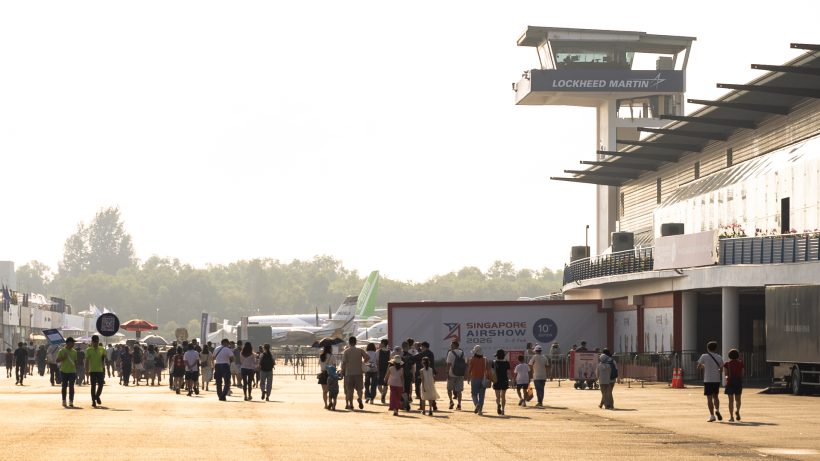
IN FOCUS | 100 PHOTOS
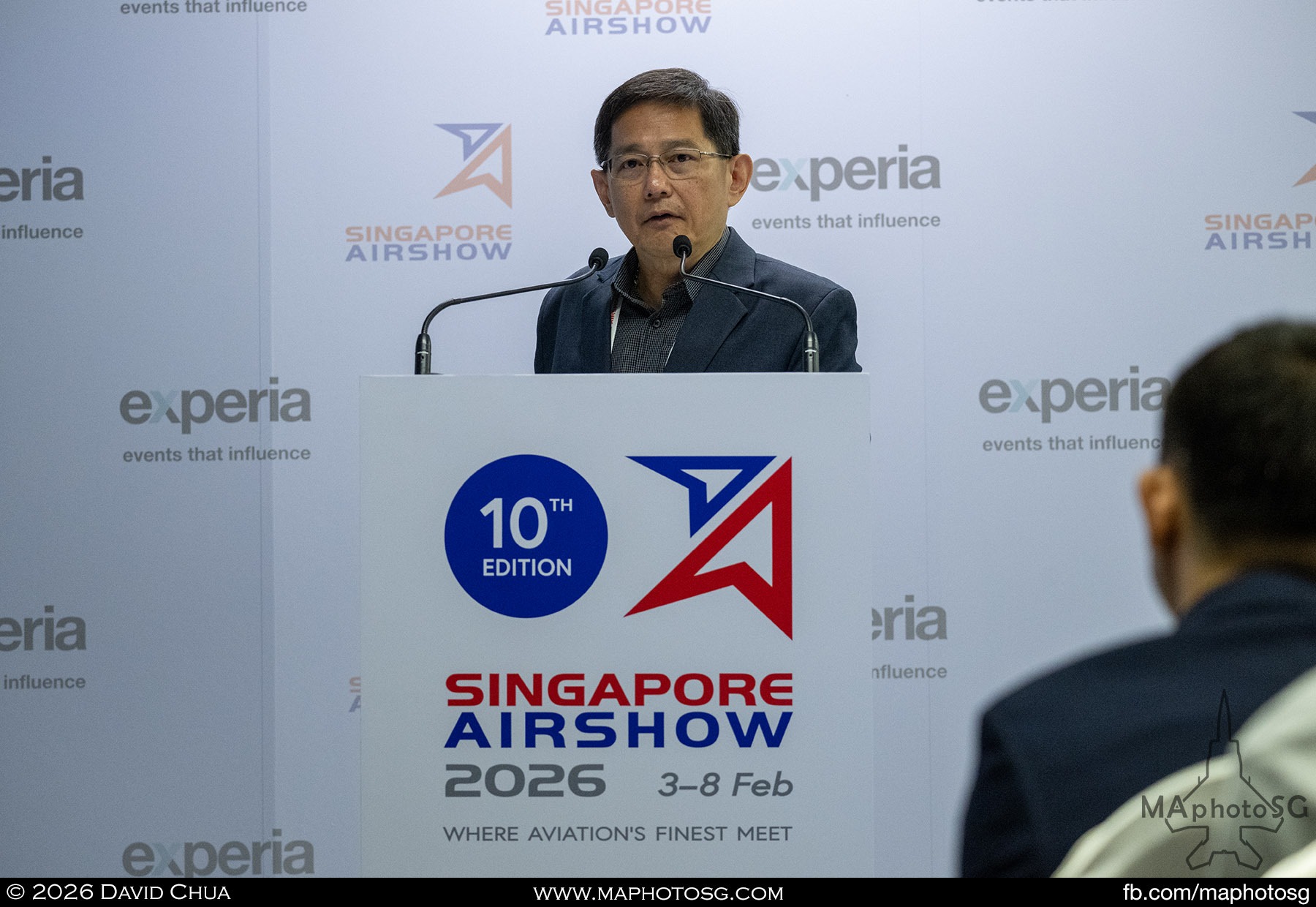
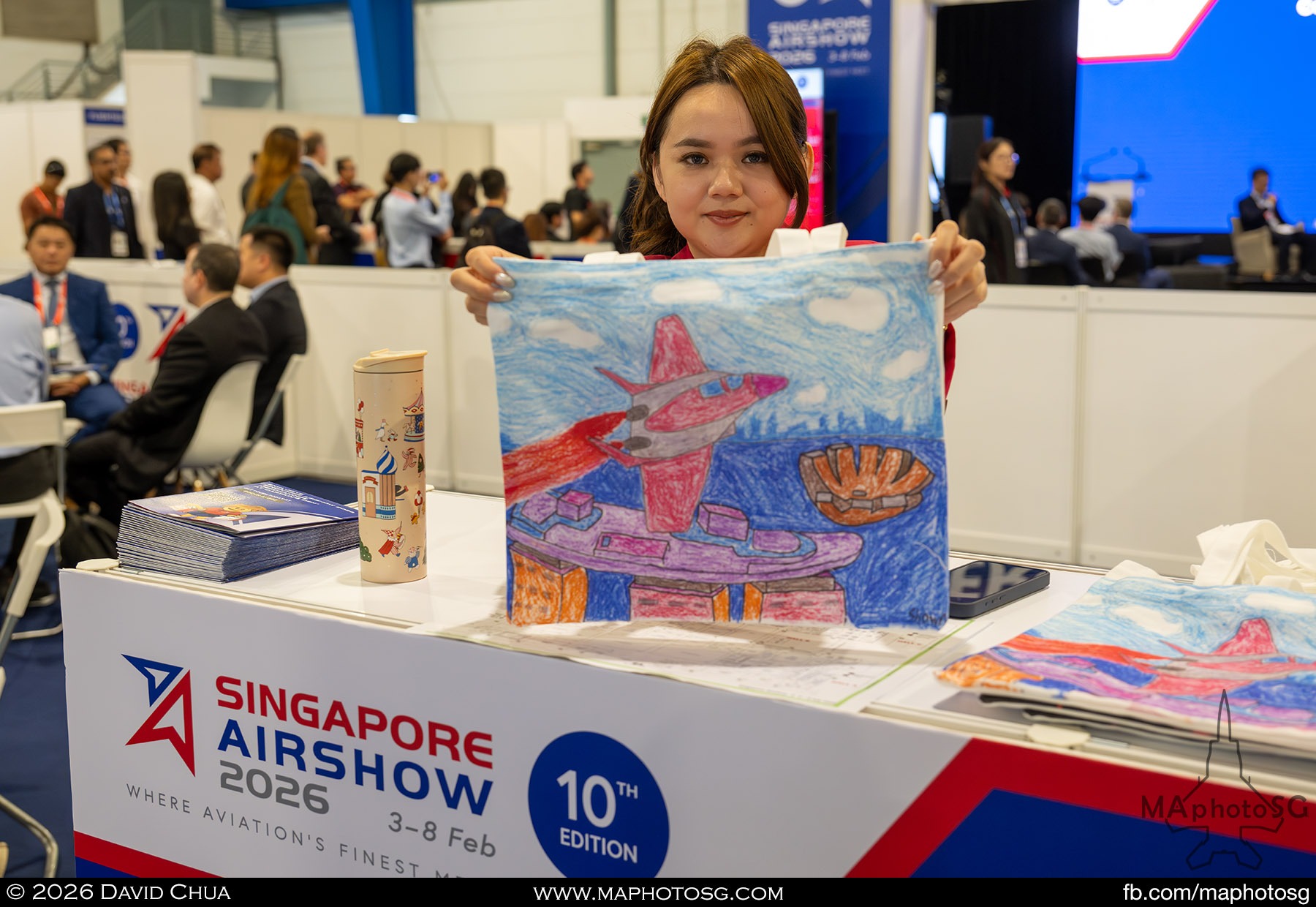
Singapore Airshow 2026 returned from 3 to 8 February 2026 for its 10th edition, marking two decades since the show’s debut. This year’s event welcomed a record 65,000 trade and 60,000 public visitors, with more than 1,100 companies from 130 countries taking part, reaffirming the show’s role as Asia’s flagship aerospace, defence, and increasingly space-focused gathering. The show reflecting continued momentum in aviation and aerospace even as the wider industry navigates delivery delays and capacity constraints.
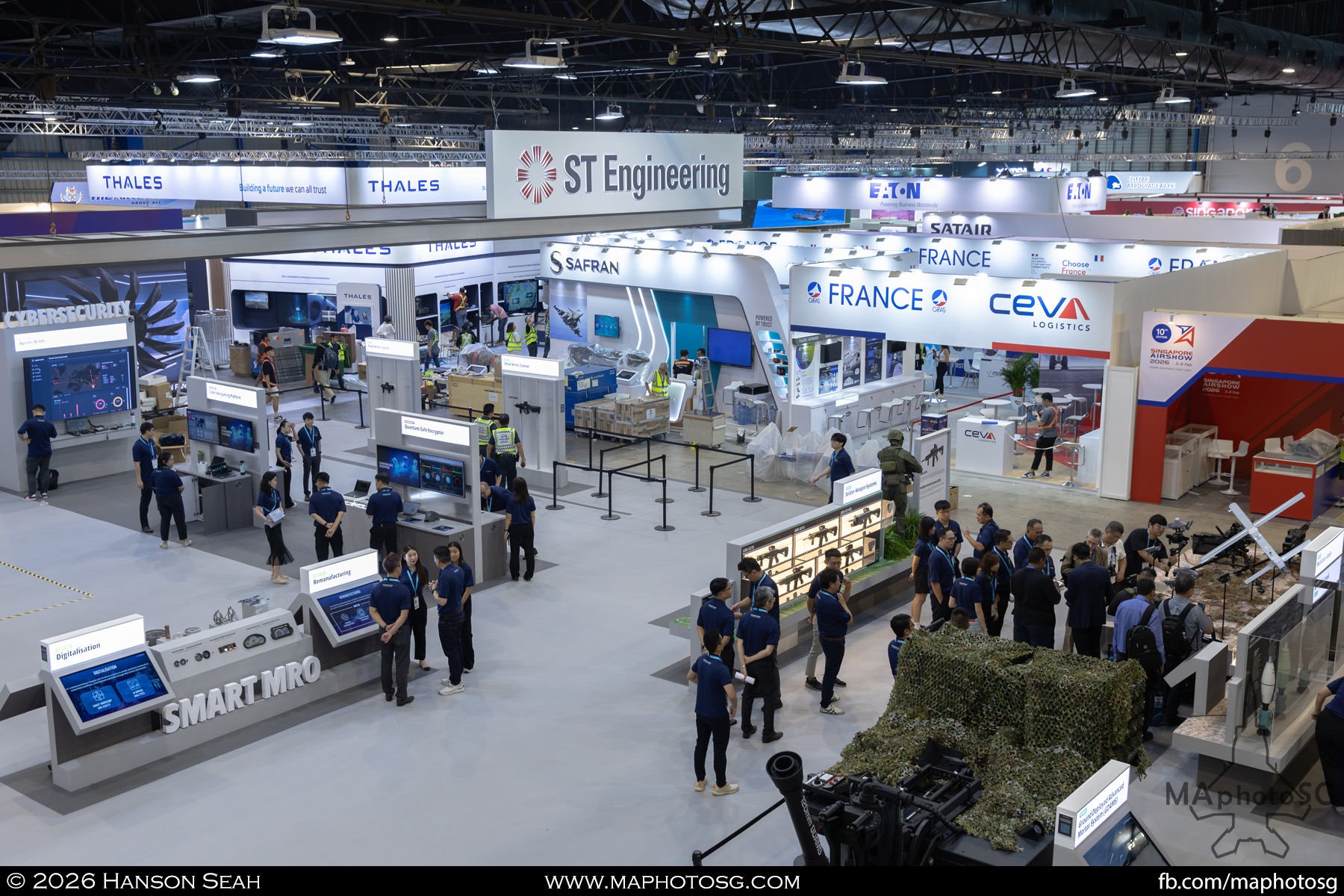
Trade Exhibition
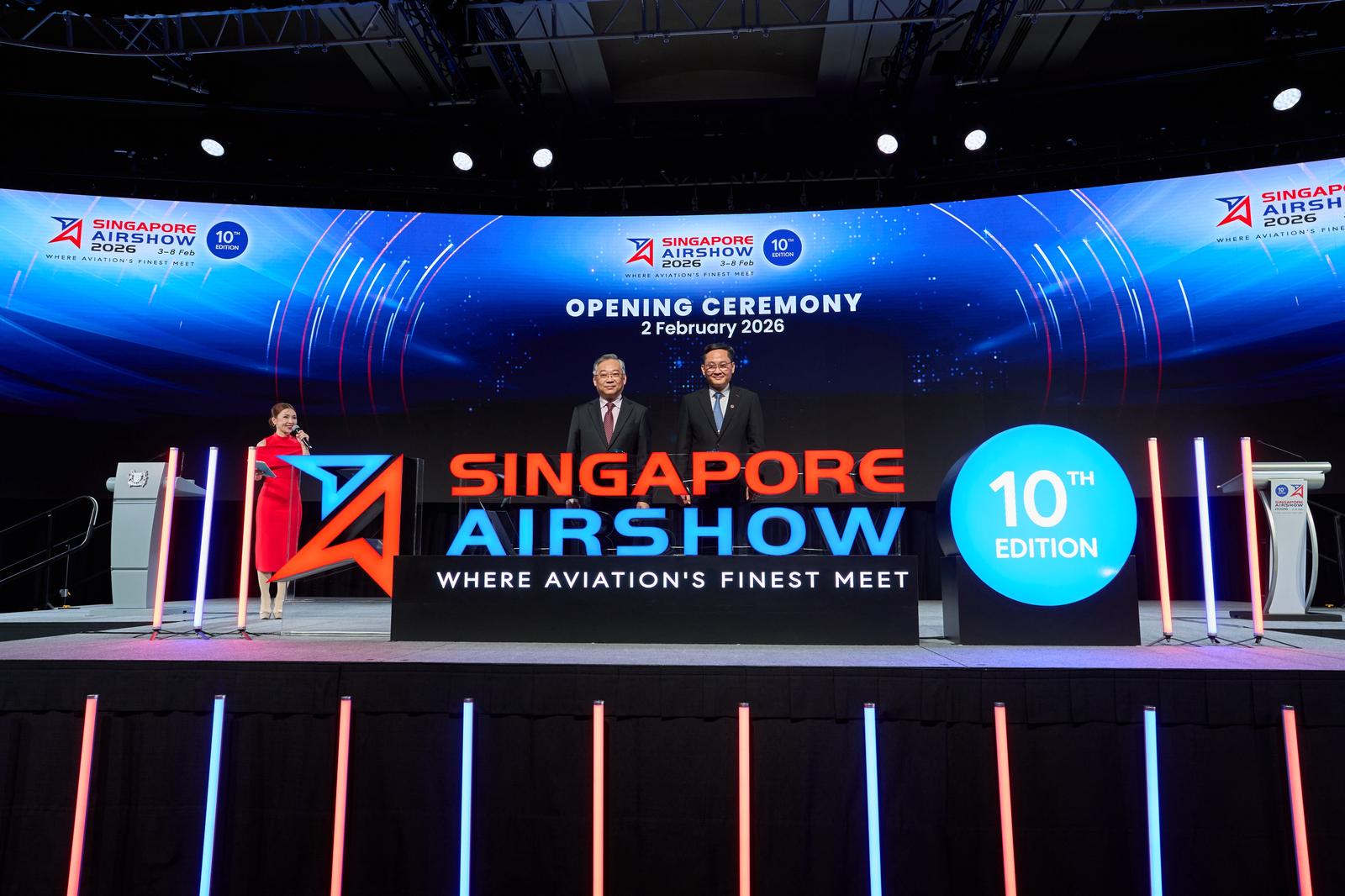
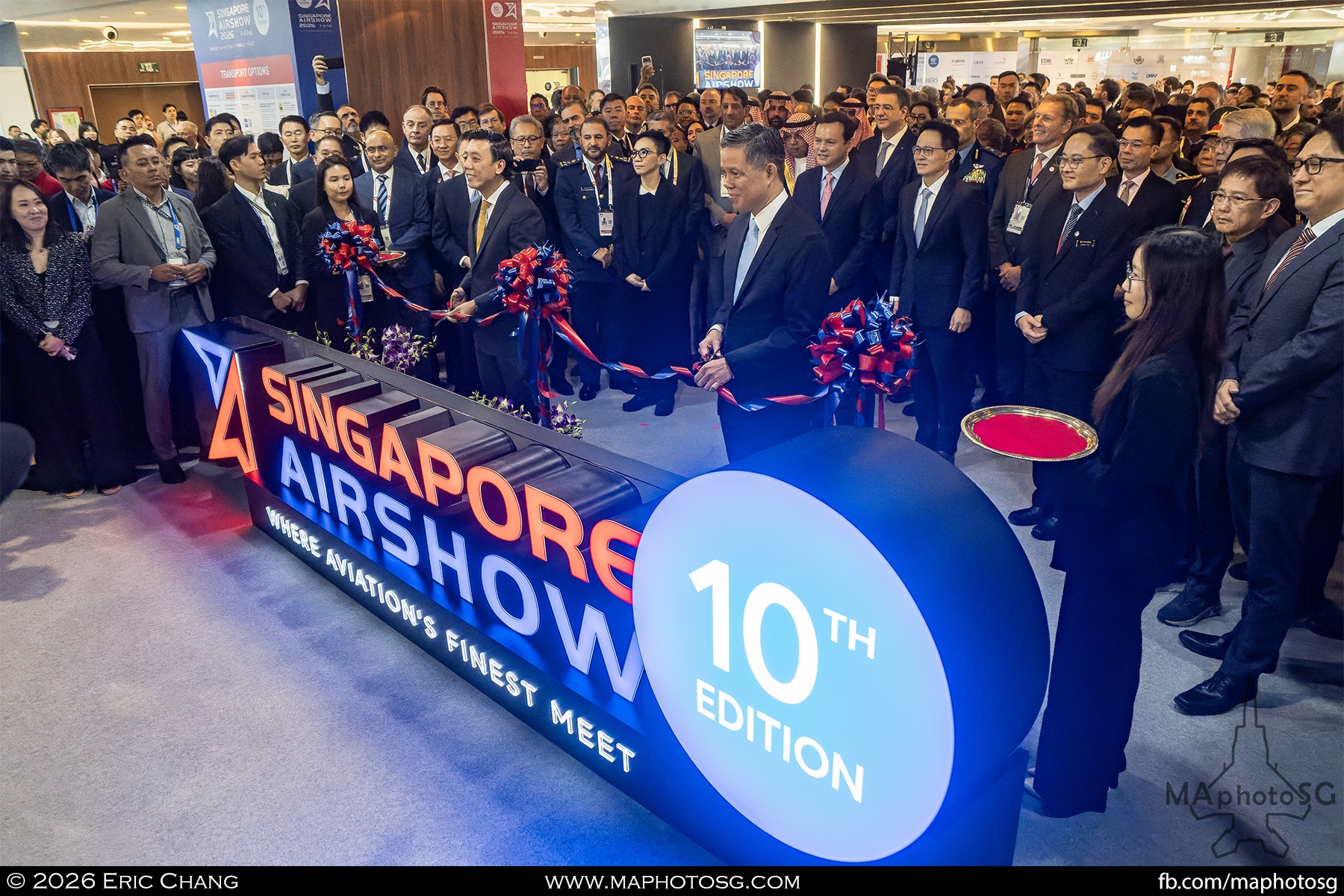
There was a confident, forward-looking tone through the opening of Singapore Airshow 2026. Speaking at the opening ceremony on 2 February 2026, Deputy Prime Minister Gan Kim Yong described aviation and aerospace as “twin, reinforcing engines of growth” for Singapore, and pointed to the sector’s strength as both an air hub and an advanced manufacturing and engineering base.
That optimism was matched by the scale of the event itself. Singapore Airshow 2026 closed its trade days on a clear high, with record trade attendance of 65,000 across 3 to 6 February 2026. The turnout was notably international, drawing trade visitors from more than 130 countries and regions, alongside over 1,100 participating companies and approximately 1,300 delegate meetings held over the week. In a sign of sustained confidence, the organiser also noted that close to 95 per cent of participating companies indicated interest in returning for the 2028 edition.
The positive turnout was reinforced by concrete growth indicators and investment commitments highlighted during the week. Gan noted that Singapore’s aerospace sector expanded by almost 20 per cent in 2024, and that since the last air show, Singapore has attracted more than $750 million in aerospace investment commitments, expected to create nearly 600 jobs over the next five years. These announcements set the context for why the trade halls felt busy and purposeful, with capability-building and long-horizon partnerships taking centre stage.
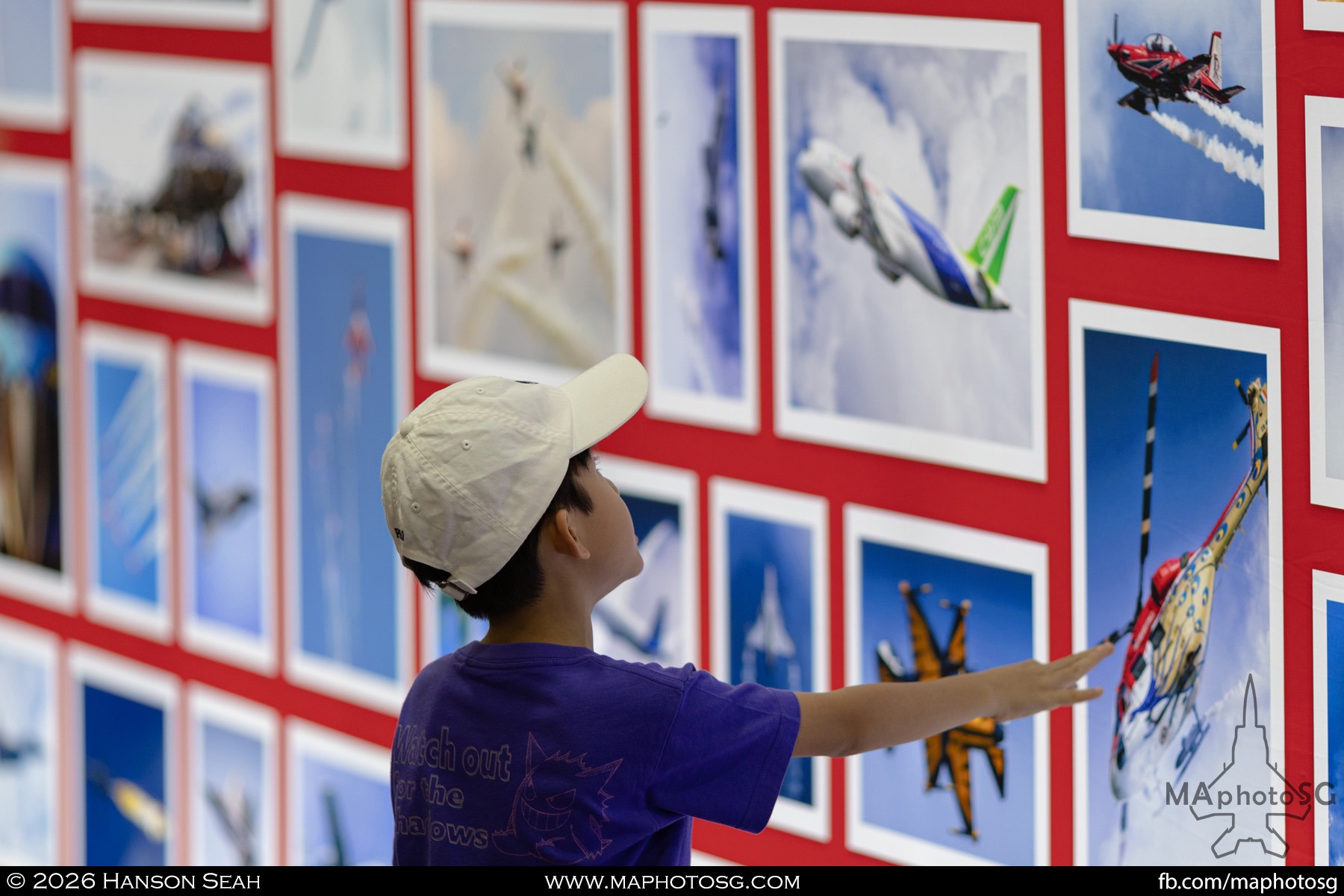
Thought leadership and talent development also scaled up. AeroForum ran its strongest programme yet, featuring more than 50 speakers across 15 sessions and drawing close to 1,000 delegates, with discussions spanning topics such as cybersecurity, artificial intelligence, sustainable aviation, advanced air mobility, and defence trends. On the talent front, AeroCampus expanded to its largest edition with 23 exhibitors and engaged 2,500 students, including first-time participation by overseas aviation training institutions. Adding a distinctly visual milestone, the show also launched AeroLens, a photography showcase featuring contributors including MAphotoSG, marking two decades of aviation moments through the lens.
At the same time, leaders across the week did not shy away from the constraints still shaping industry decision-making. Aircraft and engine makers remain affected by supply chain disruptions that have delayed deliveries, even as demand in Asia-Pacific continues to surge. This “demand outpacing supply” reality was reflected in many discussions around fleet renewal, engine availability, and maintenance capacity, where companies emphasised productivity improvements, automation, and scaling repair throughput as practical responses to bottlenecks.
One theme that stood out in 2026 was the expanding definition of “aerospace” at Singapore Airshow. The show’s scope widened beyond airframes and engines, anchored by the inaugural Space Summit and Singapore’s announcement that it will launch a national space agency, signalling how space is becoming a mainstream part of the region’s aerospace conversation. In parallel, the trade floor spotlighted next-generation propulsion roadmaps, sustainability and decarbonisation pathways, and autonomy and unmanned systems, reflecting how regional ambitions are increasingly shaped by technology convergence rather than a single domain.
Overall, the response to Singapore Airshow 2026 reaffirmed its role as a key regional platform where industry and government align on growth priorities, while confronting the practical constraints that will define aviation’s next phase. The next edition of the Singapore Airshow is scheduled 15 to 20 February 2028.
Key Highlights
RSAF
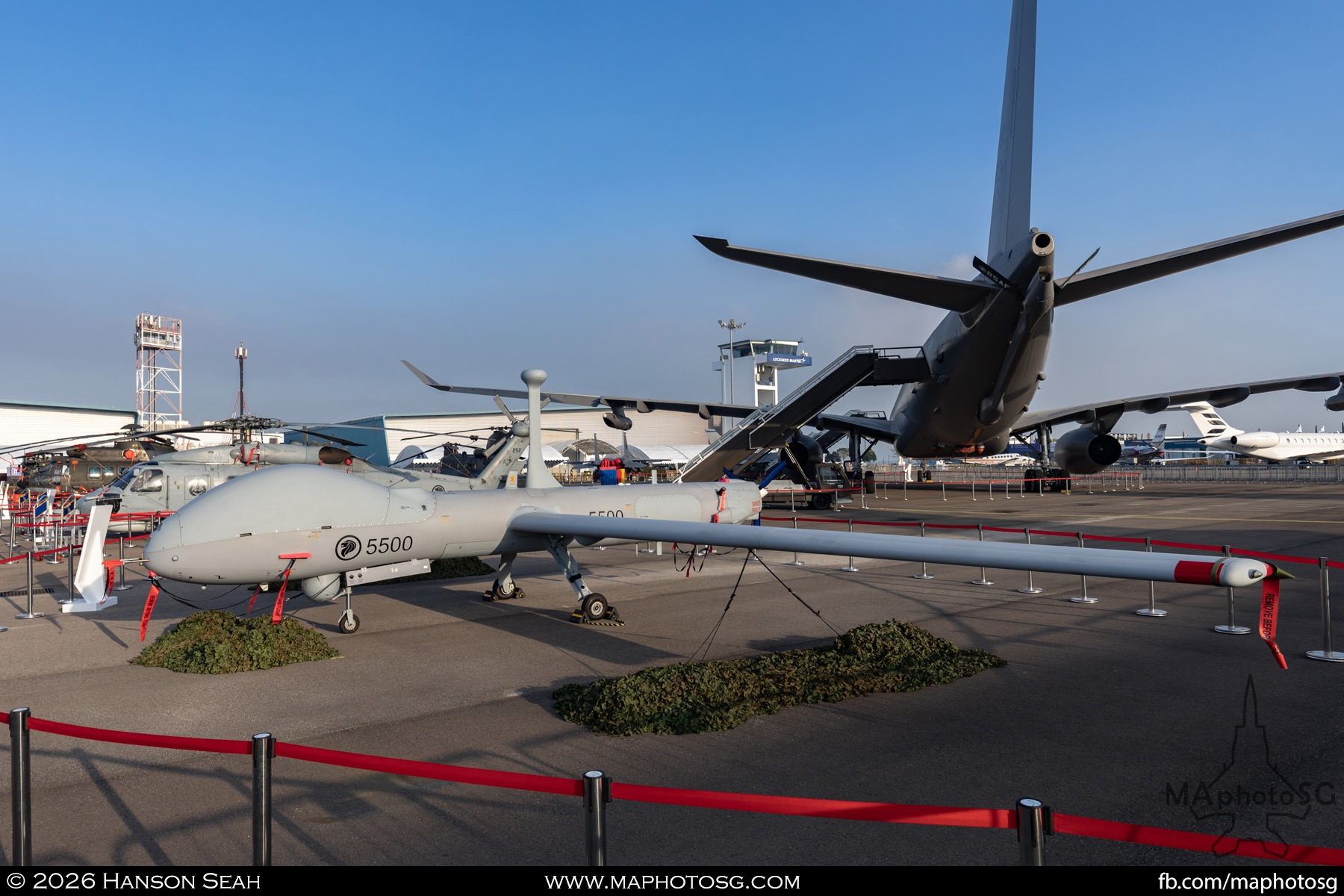
- Hermes 900 public debut: RSAF’s Hermes 900 delivery milestone and first public-facing appearance.
- Interim C-130H move: Singapore opted for pre-owned C-130H aircraft as an interim step for Hercules replacement planning, as reported.
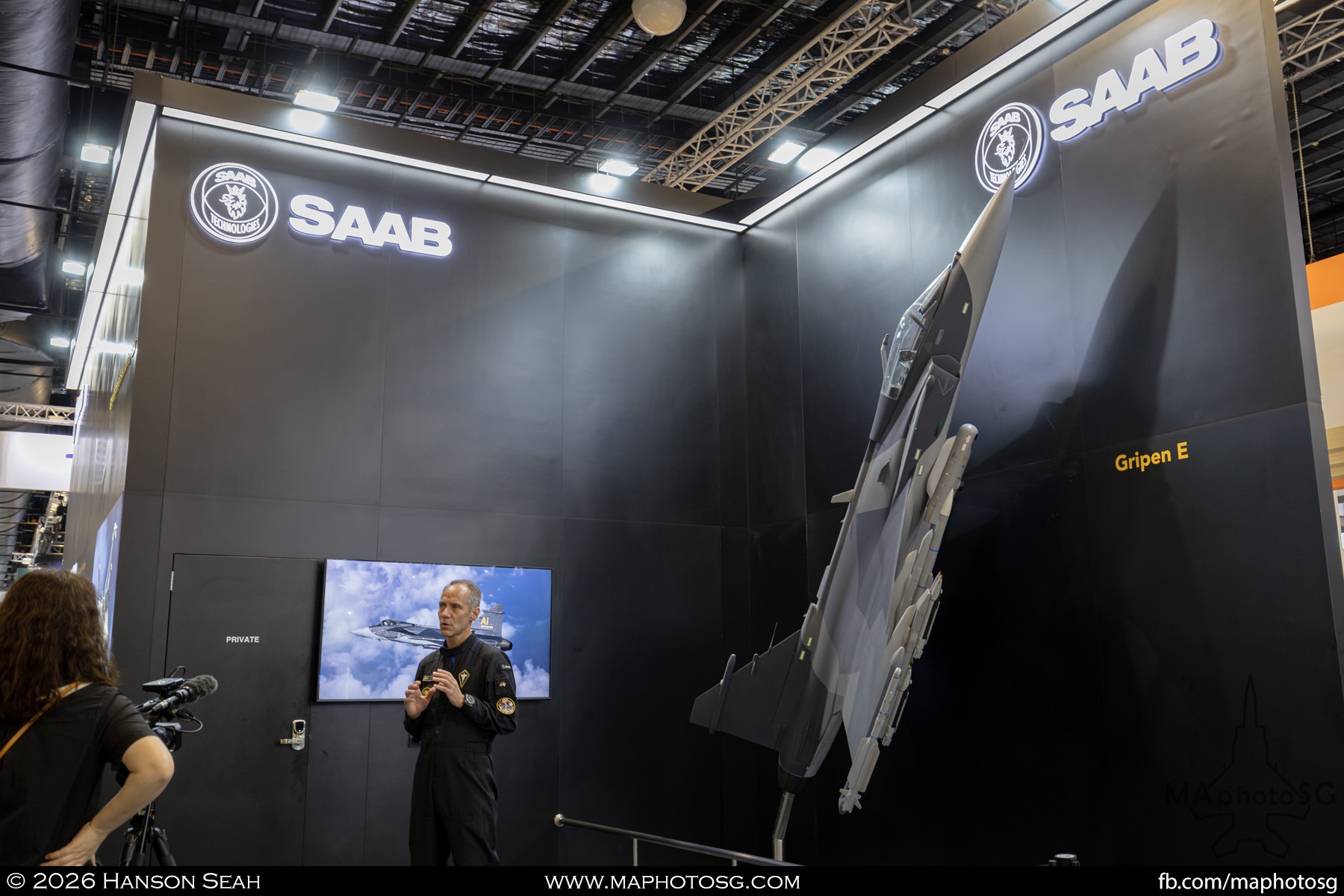
- Ground-based air defence: Singapore selected the Saab Giraffe 1X radar and moved toward motorising RBS 70, replacing older low-level air defence sensors.
Singapore and the “space” expansion
- National space agency announcement: Singapore confirmed the creation of a national space agency, with the Airshow adding a dedicated space-related element to the programme.
- Earth observation satellites planning: Singapore’s intent to pursue additional earth observation satellite deployments.
Space Summit (inaugural edition)
- Space Summit 2026 concludes in Singapore: The inaugural Space Summit, held at Marina Bay Sands Expo and Convention Centre, drew over 2,000 attendees, featured 300+ participating companies and organisations, and convened 60+ speakers, including representatives from 20 national space agencies and delegations from 43 countries and regions.
- Themes: alignment and real-world impact: Discussions emphasised Asia-Pacific’s growing role in the space economy, the need for stronger coordination and shared standards, and moving from Earth observation data collection to actionable, real-world outcomes.
- Next edition confirmed: Space Summit will return on 25–26 February 2027.
ST Engineering
- AirFish trials and route ambitions: ST Engineering’s wing-in-ground effect AirFish programme pointed to flight trials for certification beginning in Q2 2026, with the company also indicating passenger-carrying ambitions in Q3 2026 alongside operator partnerships.
- Cargo drone DrN-600: ST Engineering unveiled the DrN-600 all-electric eVTOL cargo drone, stating 100 kg payload capability and 70+ km range, with certification expected by 2028.
- Autonomy software collaboration: ST Engineering said it will work with Shield AI to implement the Hivemind autonomy toolset for drones.
- Soldier-class drones: ST Engineering unveiled a family of small drones including payload figures and weights
Boeing
- Air Cambodia’s first Boeing order: Boeing and Air Cambodia announced the carrier’s largest single-aisle deal for up to 20 737 MAX aircraft (10 firm + 10 options), unveiled at the Airshow.
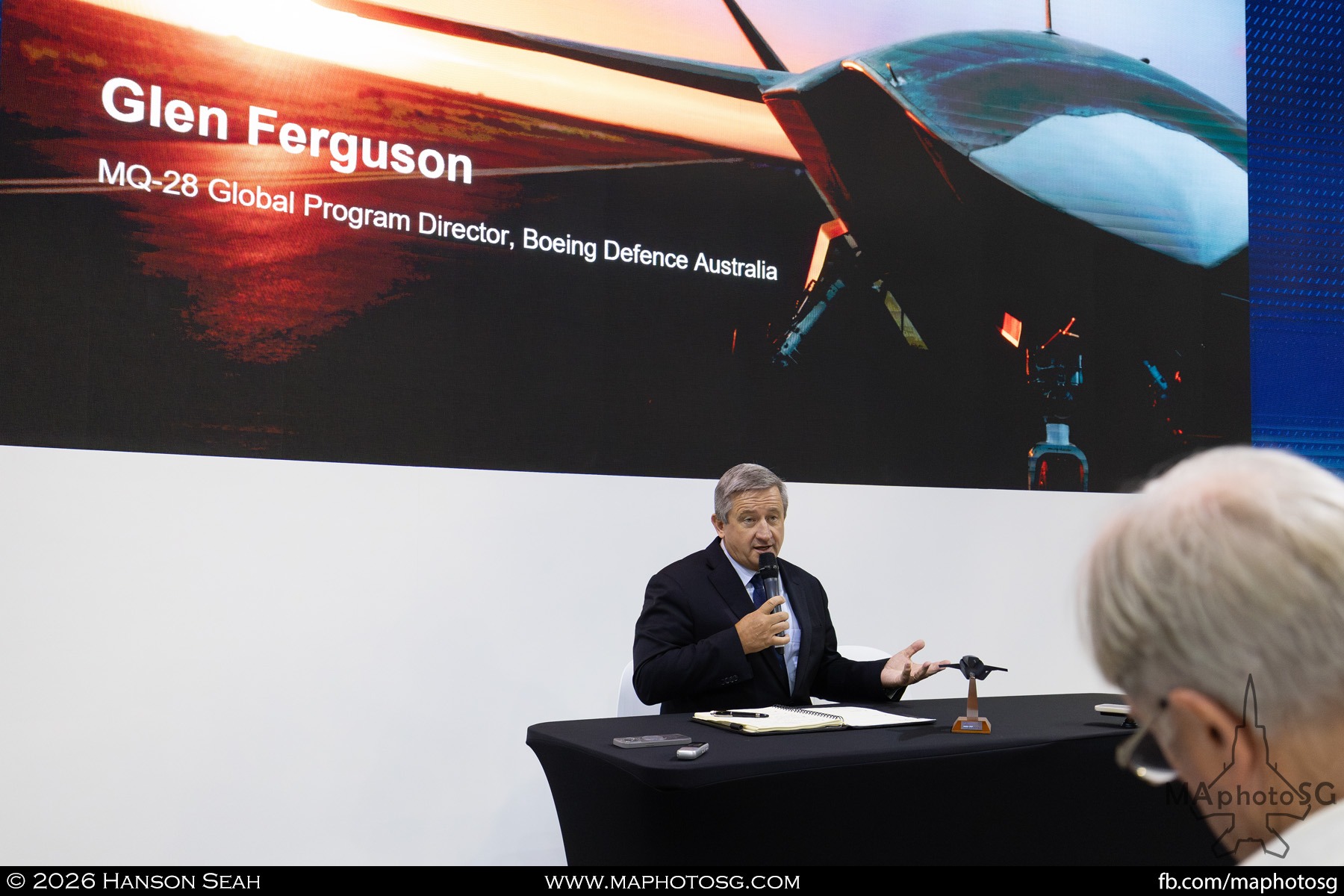
- MQ-28 “Ghost Bat” timeline: Boeing Australia said it expects the operational MQ-28 to be flying for the Royal Australian Air Force by 2028.
- P-8A torpedo wing kit: Boeing selected Australia’s Ferra Engineering to produce wing kits for an anti-submarine torpedo carried on the P-8A.
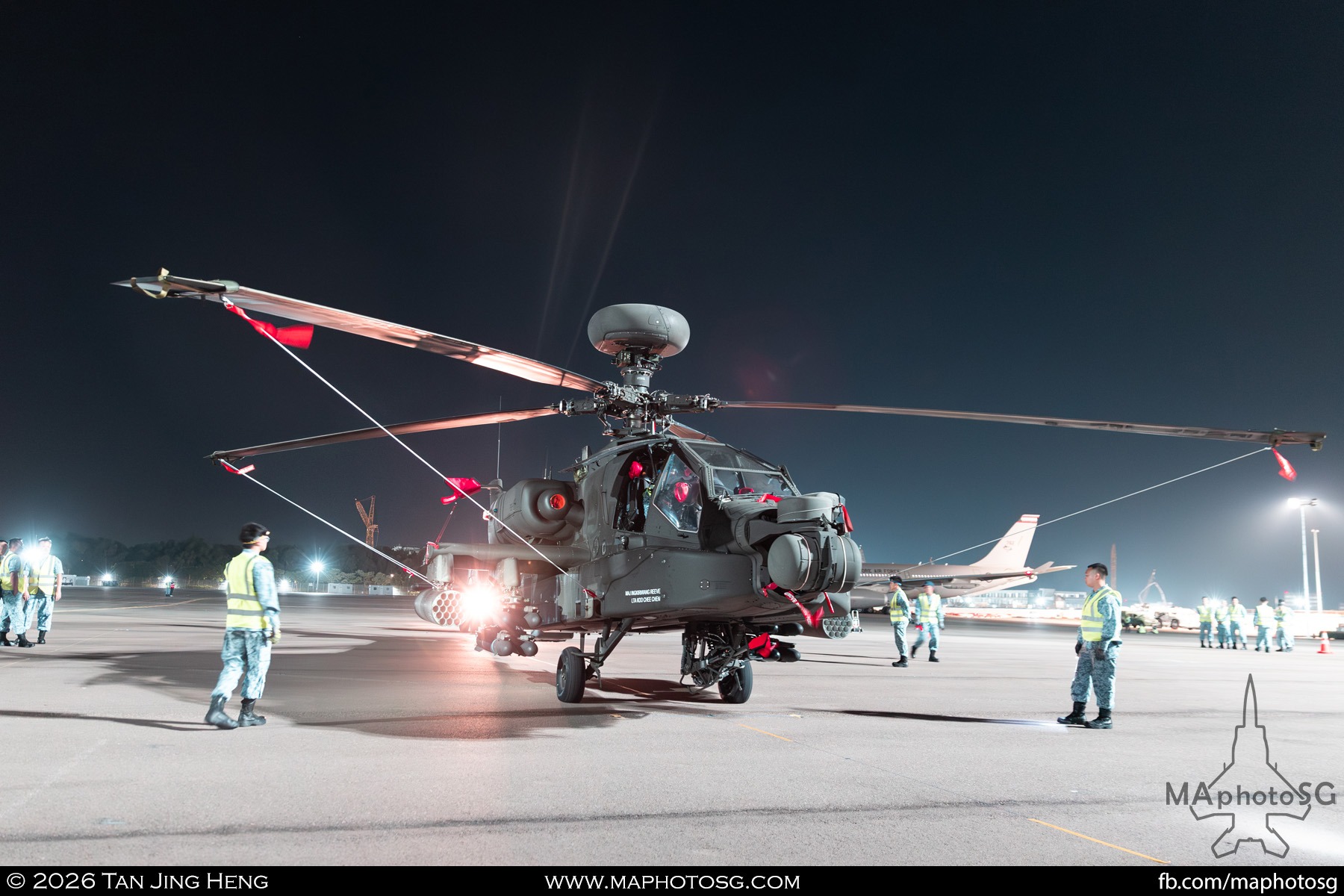
- Apache ripple effects: Boeing highlighted how a US Army plan to retire AH-64D and move to a “pure” AH-64E fleet is influencing international market dynamics, while the company continues promoting new Apache capabilities.
- ANA Boeing’s 787 Landing Gear Exchange Milestone: A milestone with ANA receiving the 100th exchange delivery, highlighting ongoing aftermarket scale-up as operators lean on support ecosystems.
- Boeing’s largest-ever landing gear exchange agreement: Announced its largest-ever Landing Gear Exchange deal with the Singapore Airlines Group, covering more than 75 aircraft across the 737 MAX and 787 fleets.
Airbus
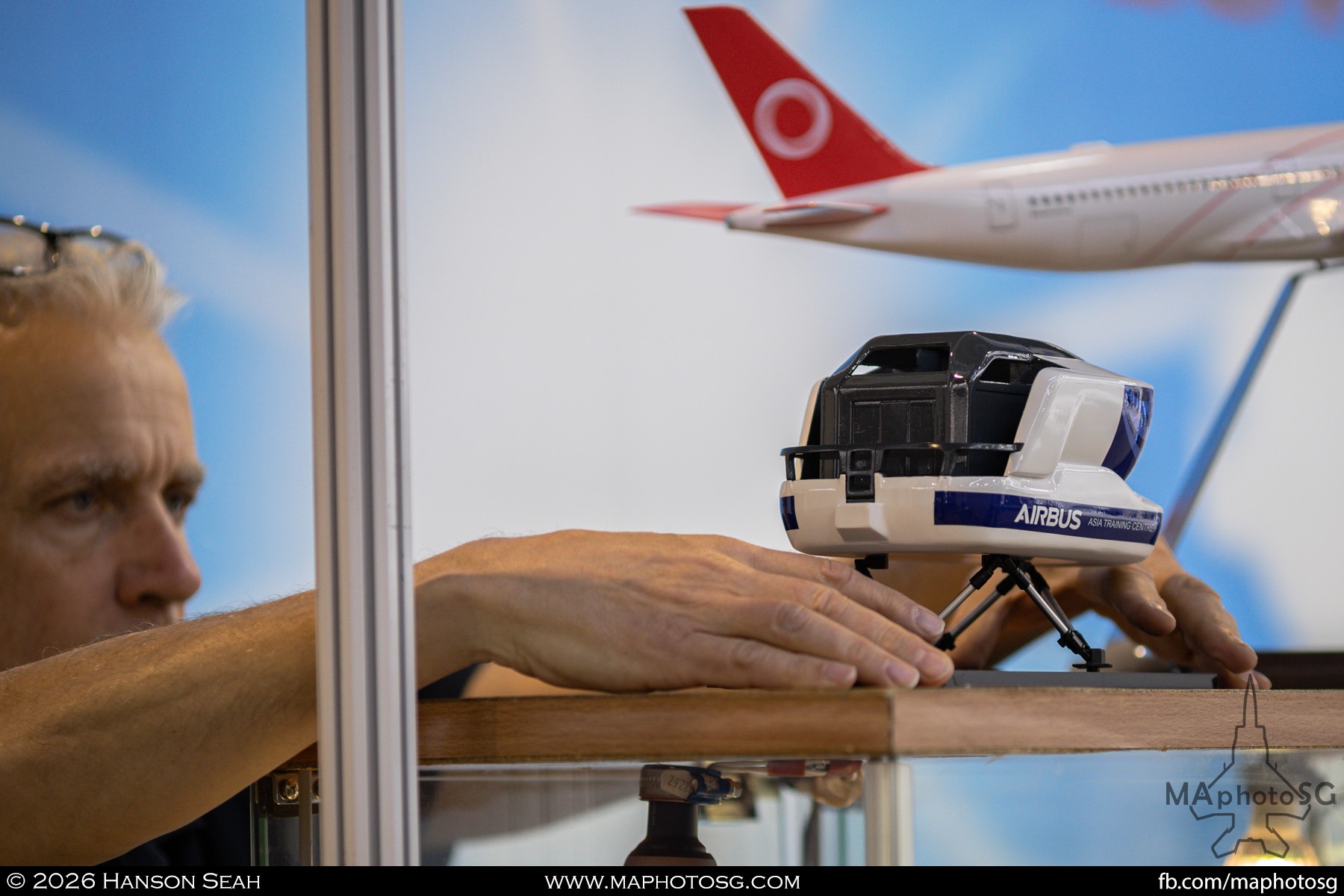
- World-first airport testbed for open-fan propulsion: Singapore will establish the world’s first airport testbed to study operational and safety implications of next-generation open-fan engines, in an initiative involving CFM International, Airbus and CAAS.
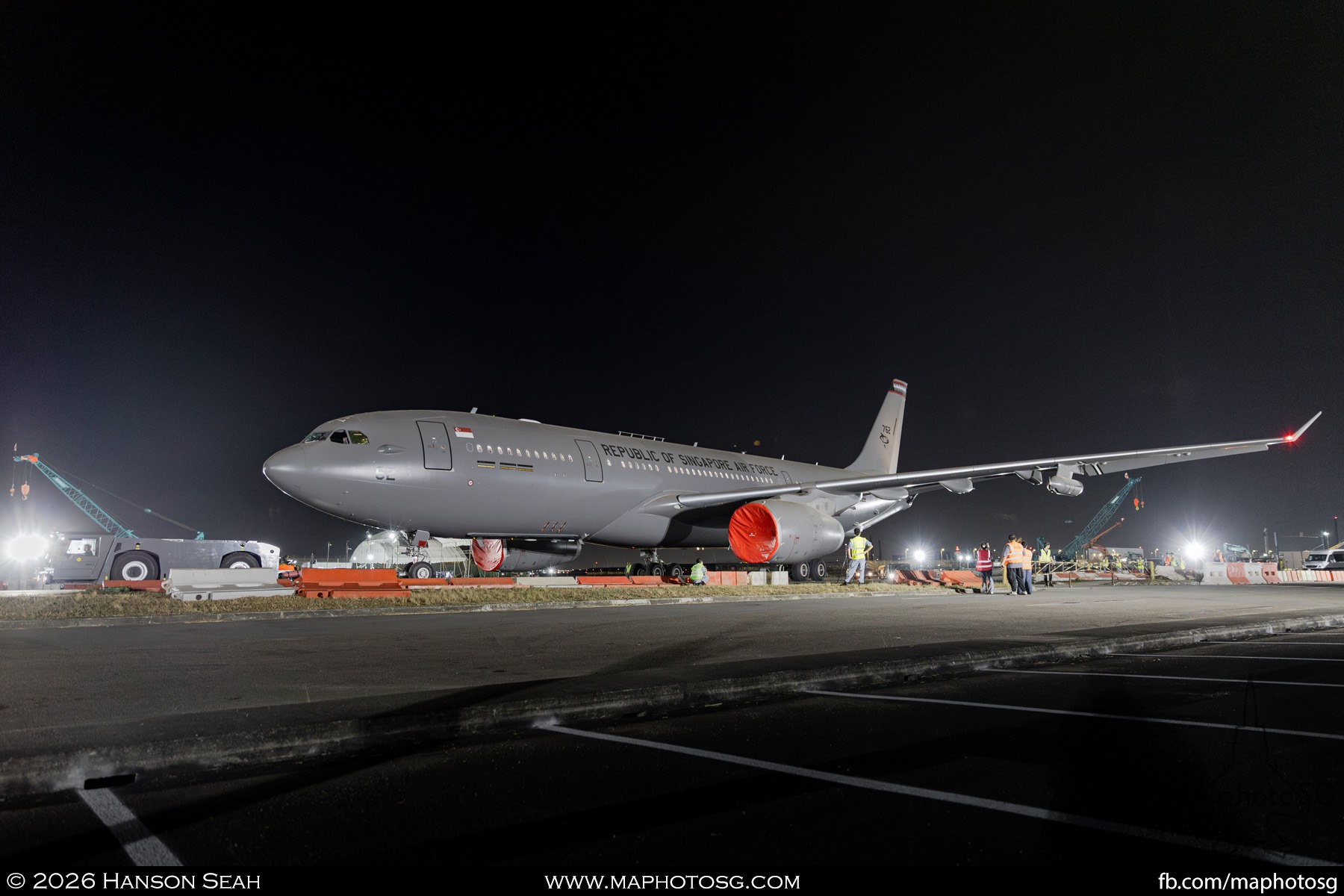
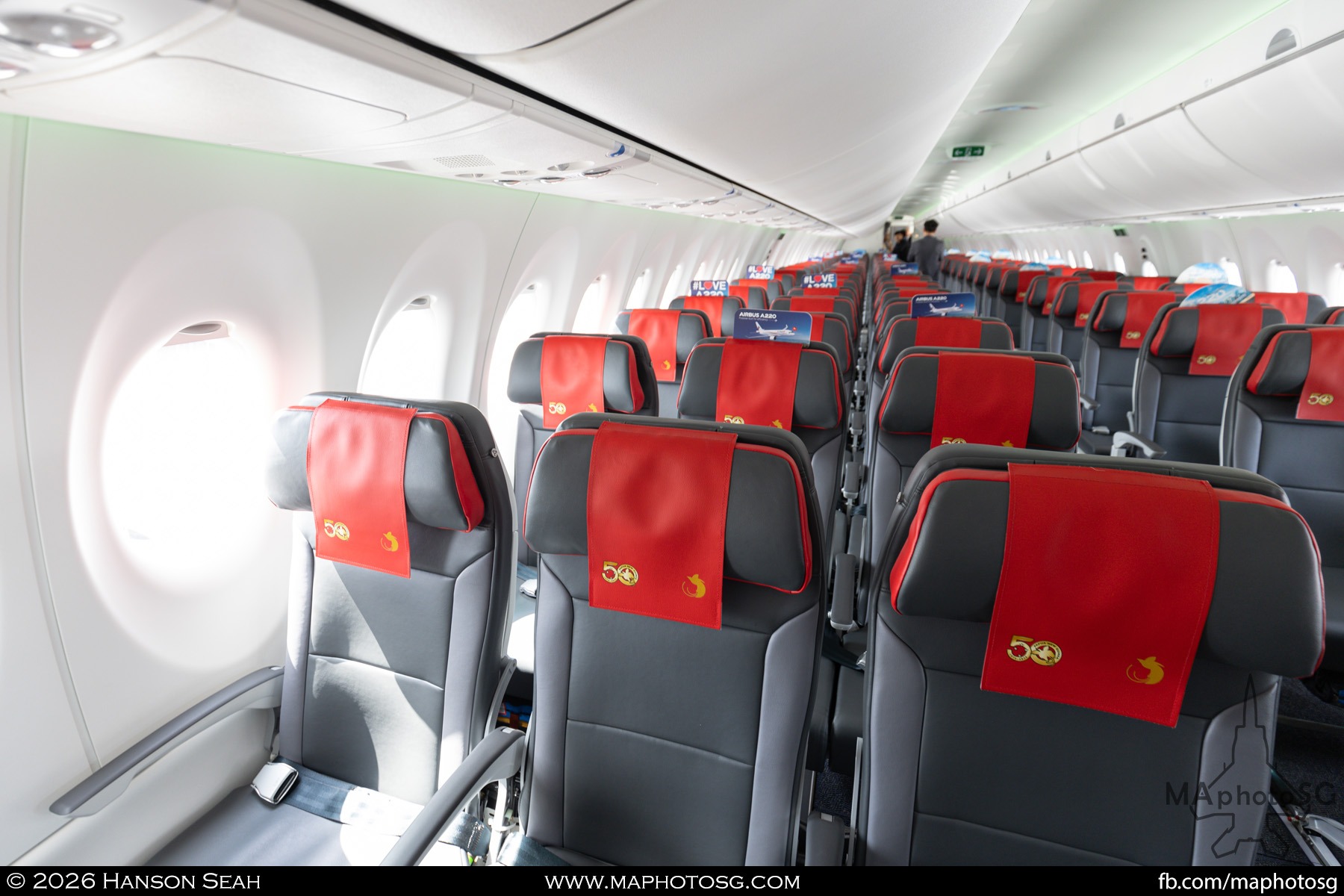
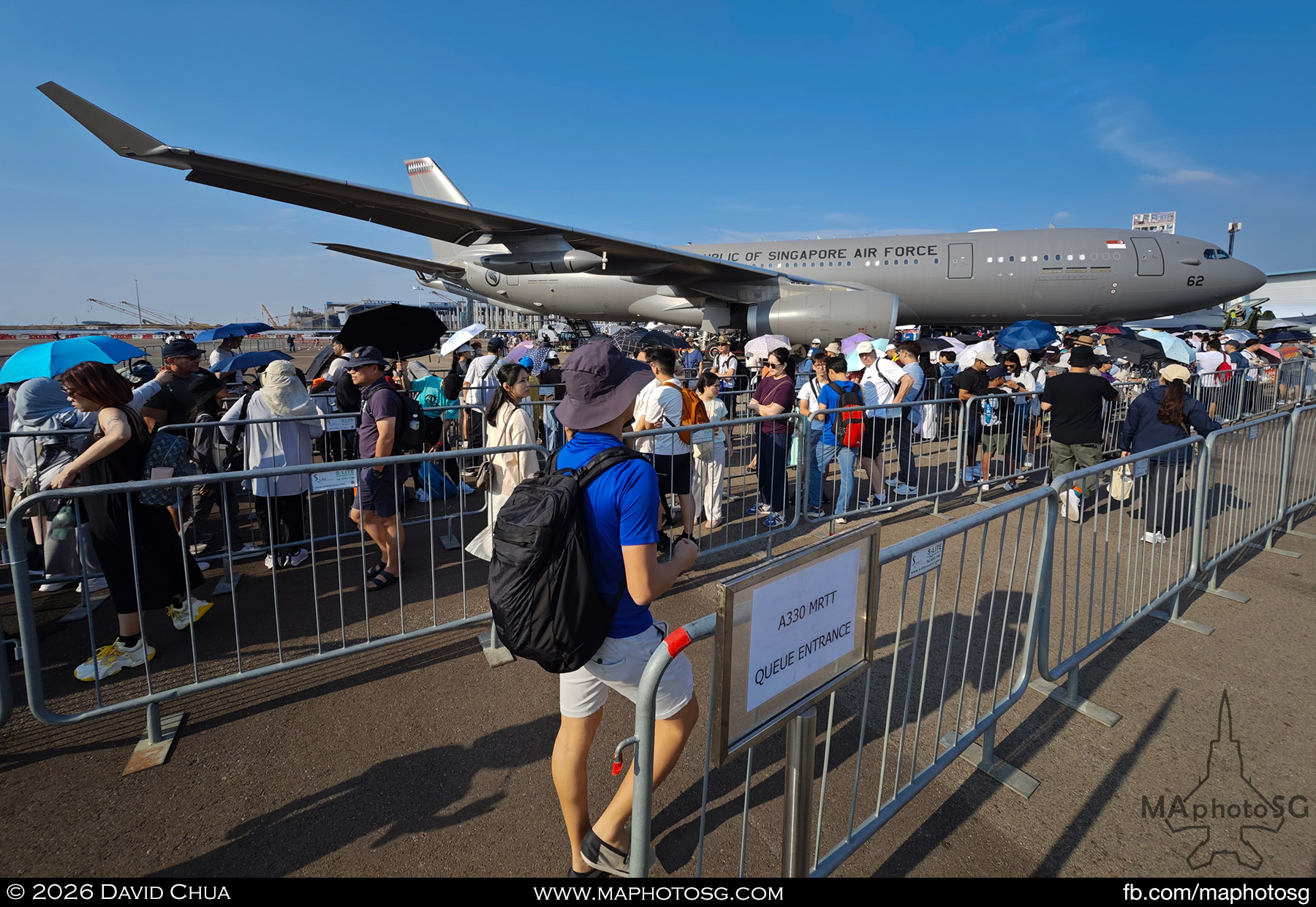
- A330 MRTT milestone: Airbus and DTSA Singapore announced full certification for an A330 MRTT Automatic Air-to-Air Refueling (A3R) capability, described as a “world first” for the platform.
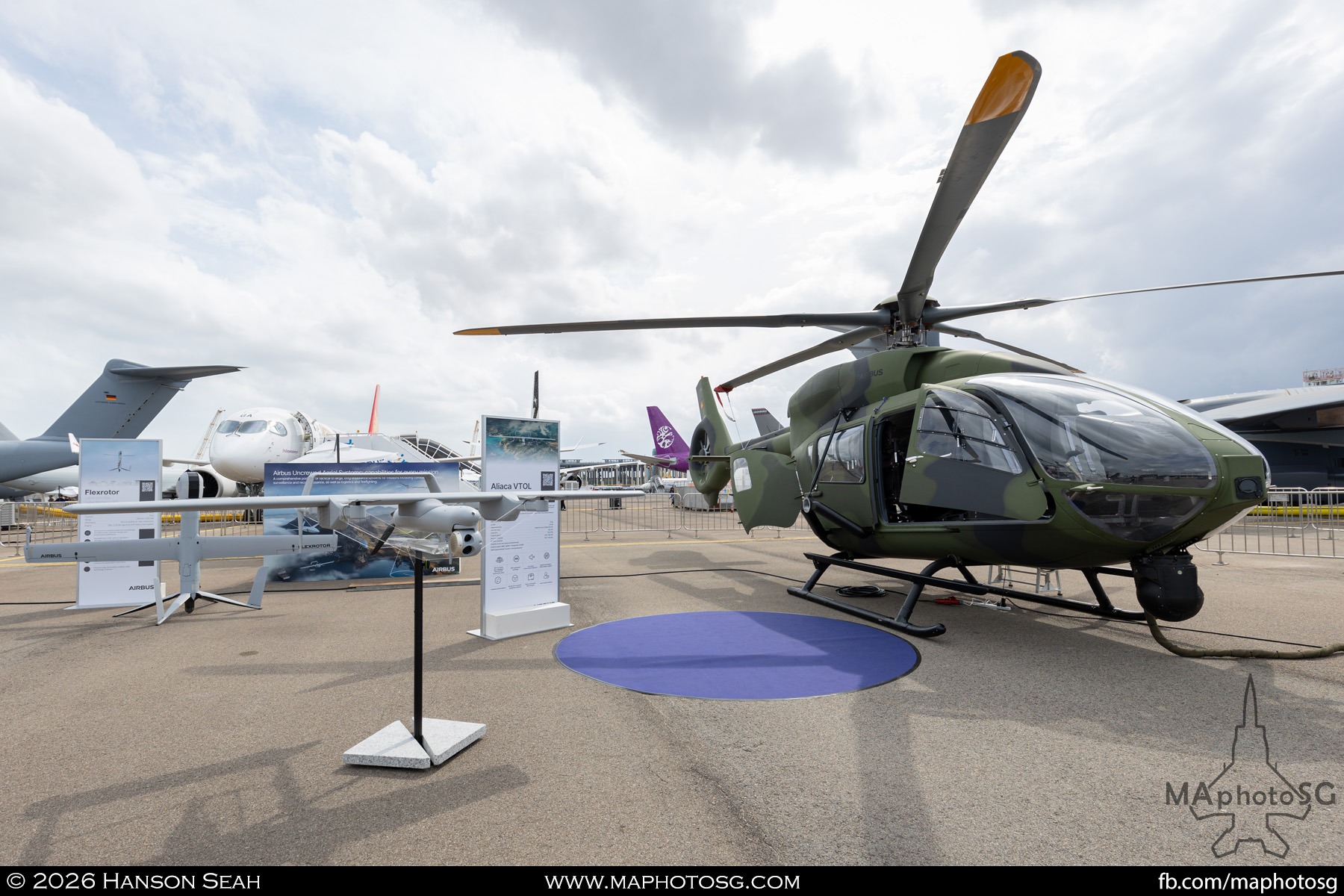
- Airbus-Singapore HTeaming trials: Airbus and Singapore’s DSTA completed HTeaming flight trials, pairing an RSAF H225M with an Airbus Flexrotor UAS to stream real-time UAS feeds to the helicopter crew.
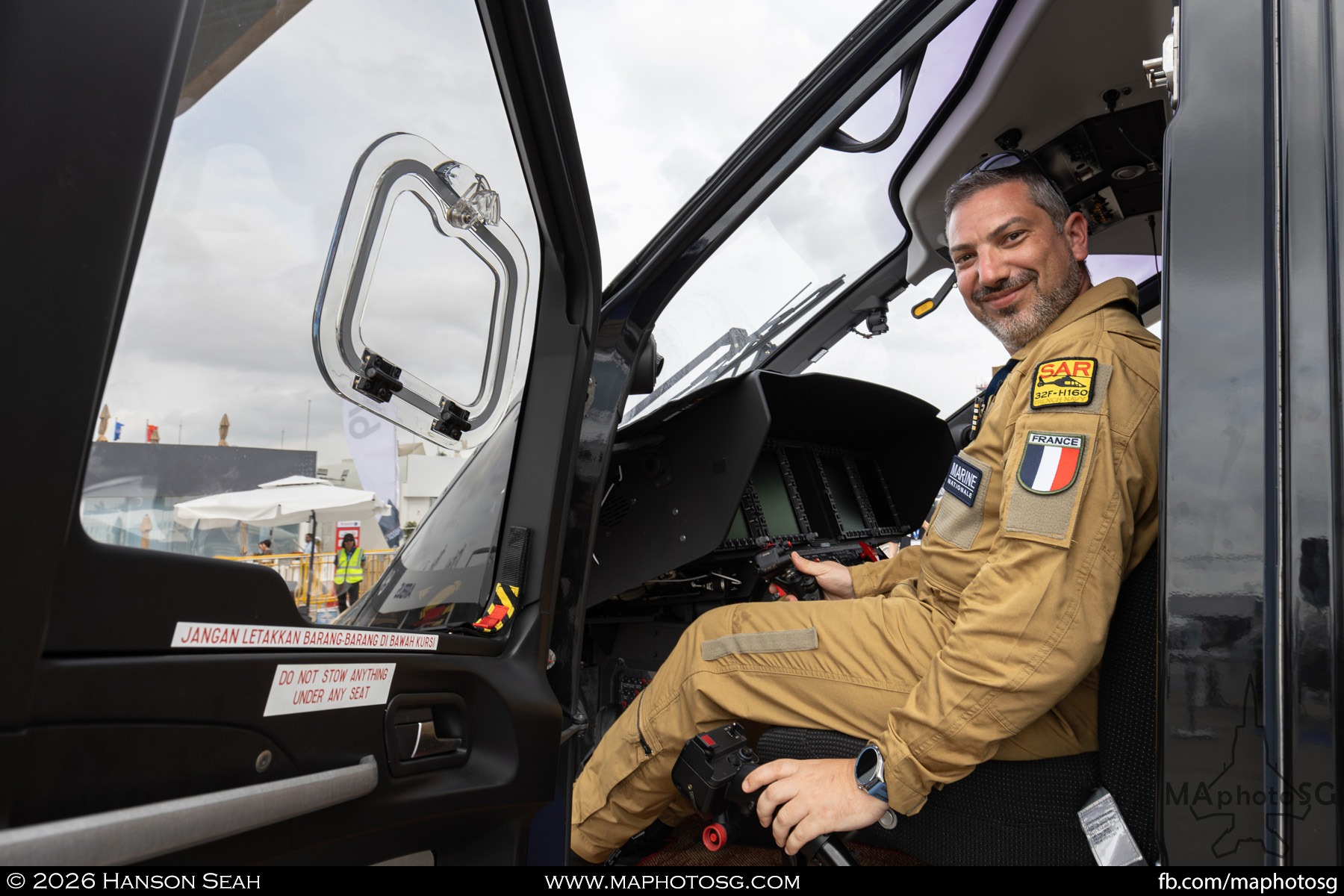
- French Navy uncrewed system: Airbus announced the French Navy will become the first operator of the Airbus Aliaca vertical uncrewed aerial system, expanding naval UAS adoption.
- Tigerair Taiwan fleet growth: Tigerair Taiwan ordered four A321neo, adding momentum to A321neo adoption in the region.
- Thai Airways support agreement: Thai Airways and Airbus extended an FHS (Flight Hour Services) component support agreement for Thai’s A321neo fleet, covering 32 aircraft (with an initial 20 A320ceo previously supported).
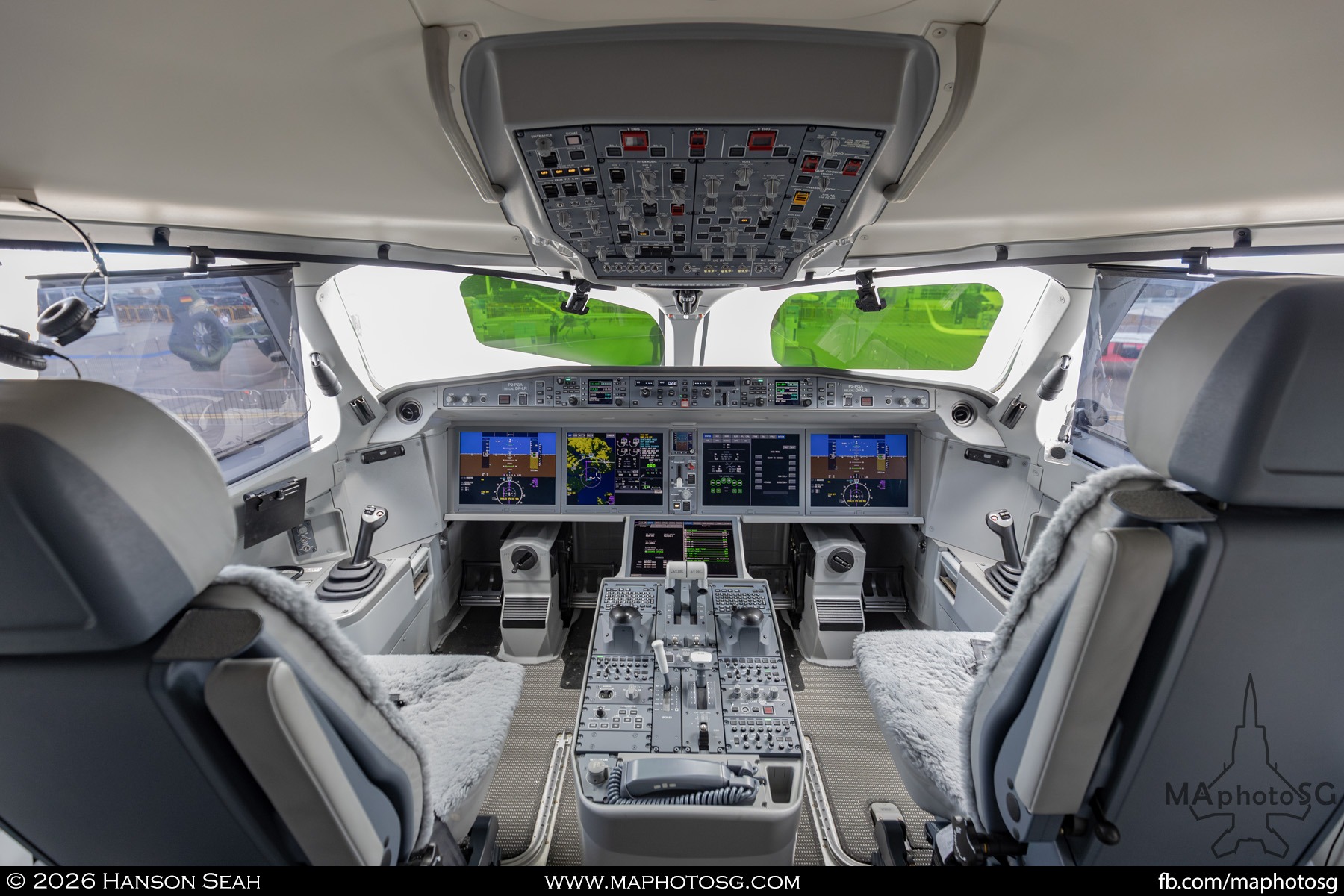
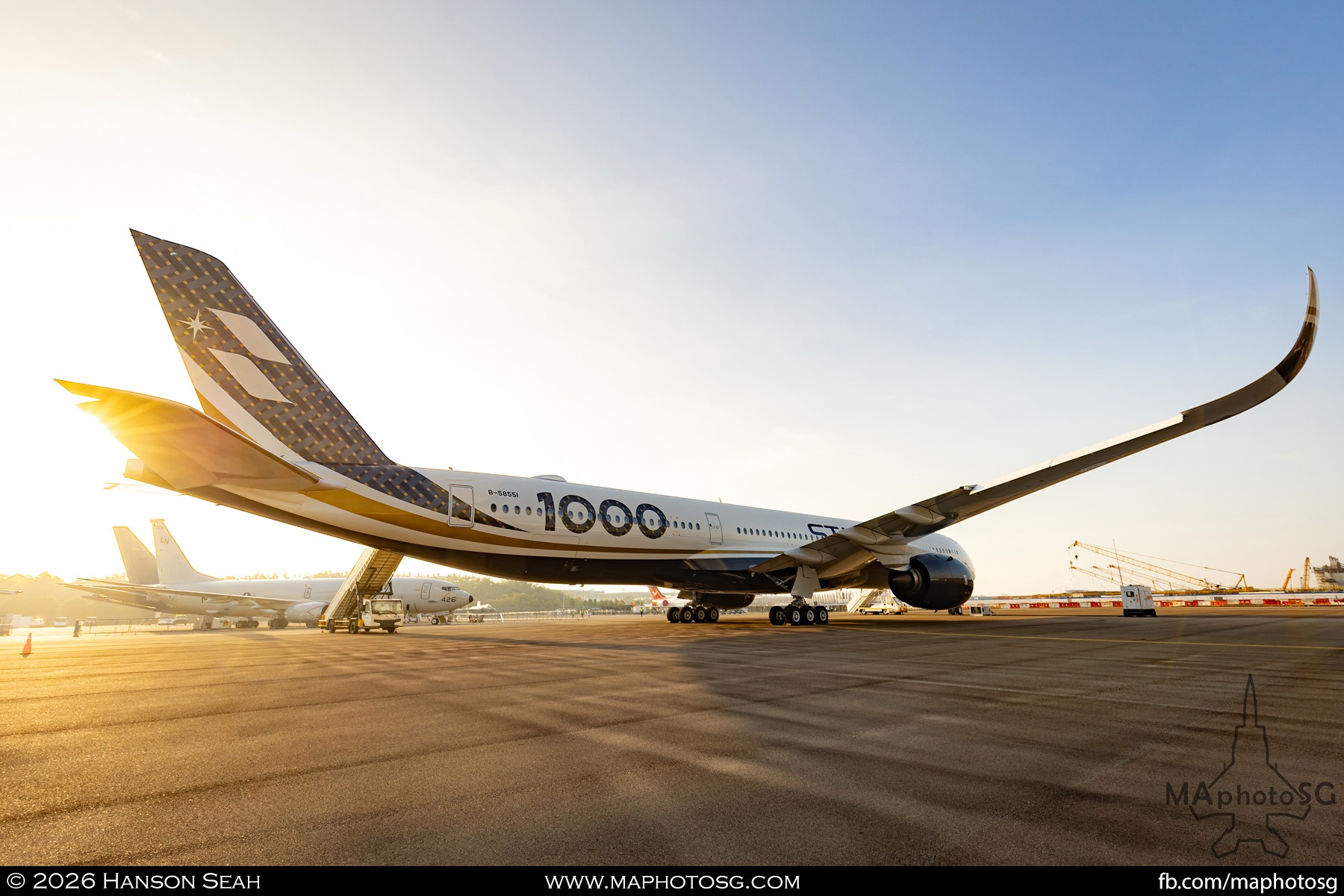
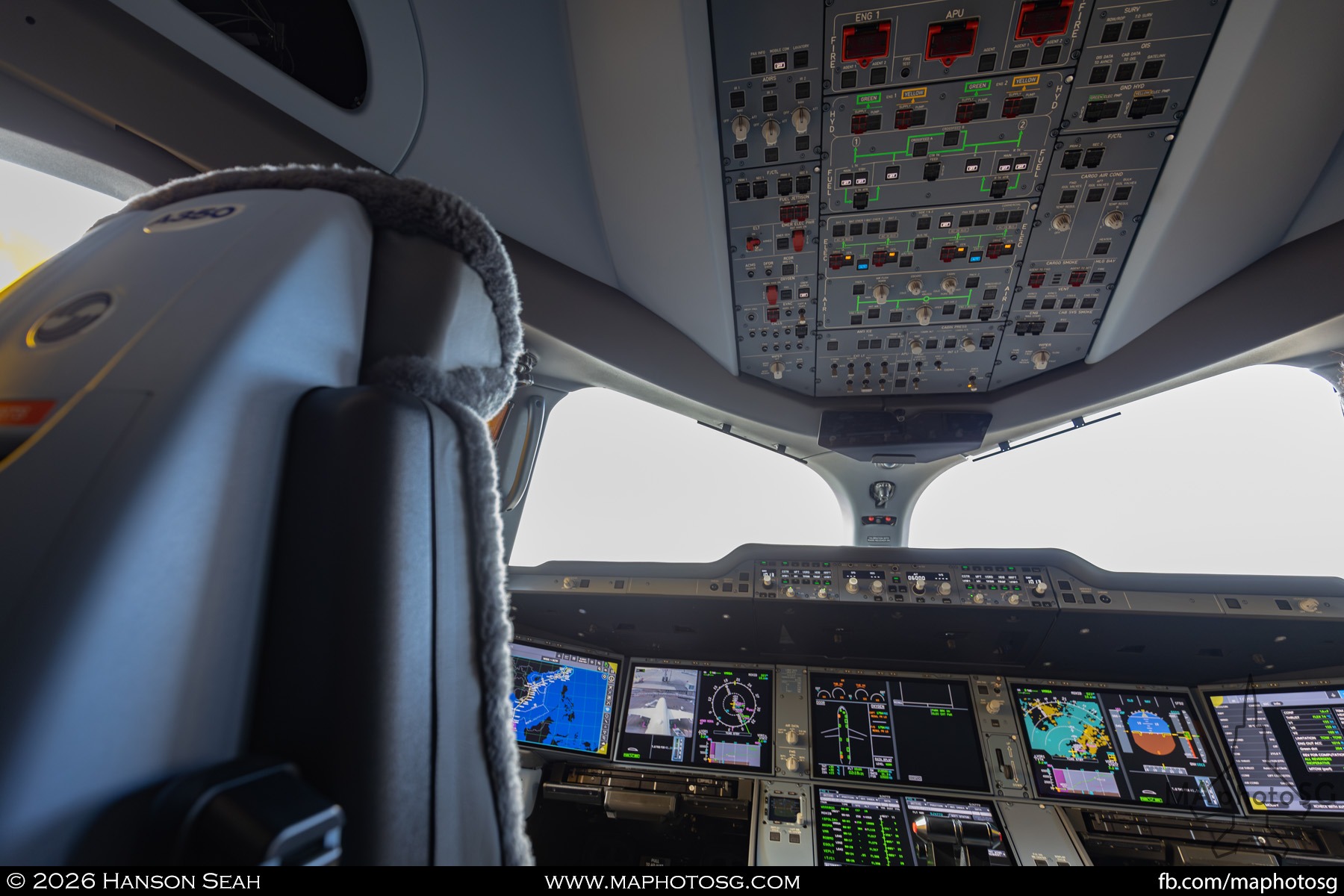
- Airbus / Philippine Airlines (FHS) agreement: Airbus and Philippine Airlines extended Flight Hour Services (FHS) support across PAL’s Airbus fleet (A350-1000, A330 Family, A320 Family), covering component services and on-site stock in Manila.
- Airbus Asia-Pacific services forecast: Airbus projects the region’s aviation services market will reach US$138.7 billion by 2044, driven by expanding fleets and growing MRO and support demand.
- Satellites: Airbus discussed schedule expectations for Superbird-9, pointing toward a 2027 launch after delays.
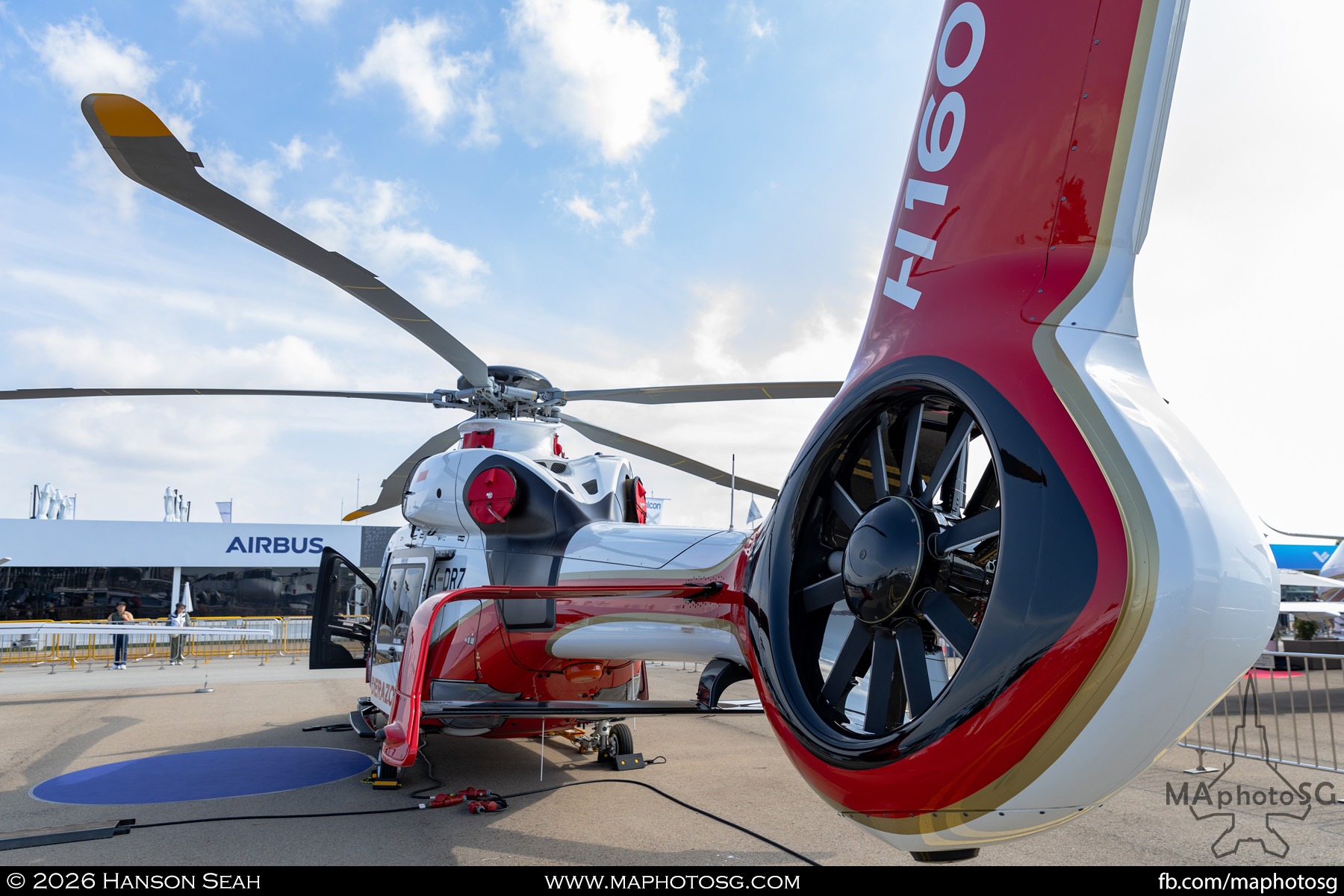
- Airbus Helicopters Regional Logistics Hub: Airbus Helicopters has opened a 21,500 sq ft APAC regional logistics hub in Singapore (2 February 2026), providing spare parts support for rotorcraft operated by customers across 21 countries.
Commercial Aircraft Corporation of China (COMAC)
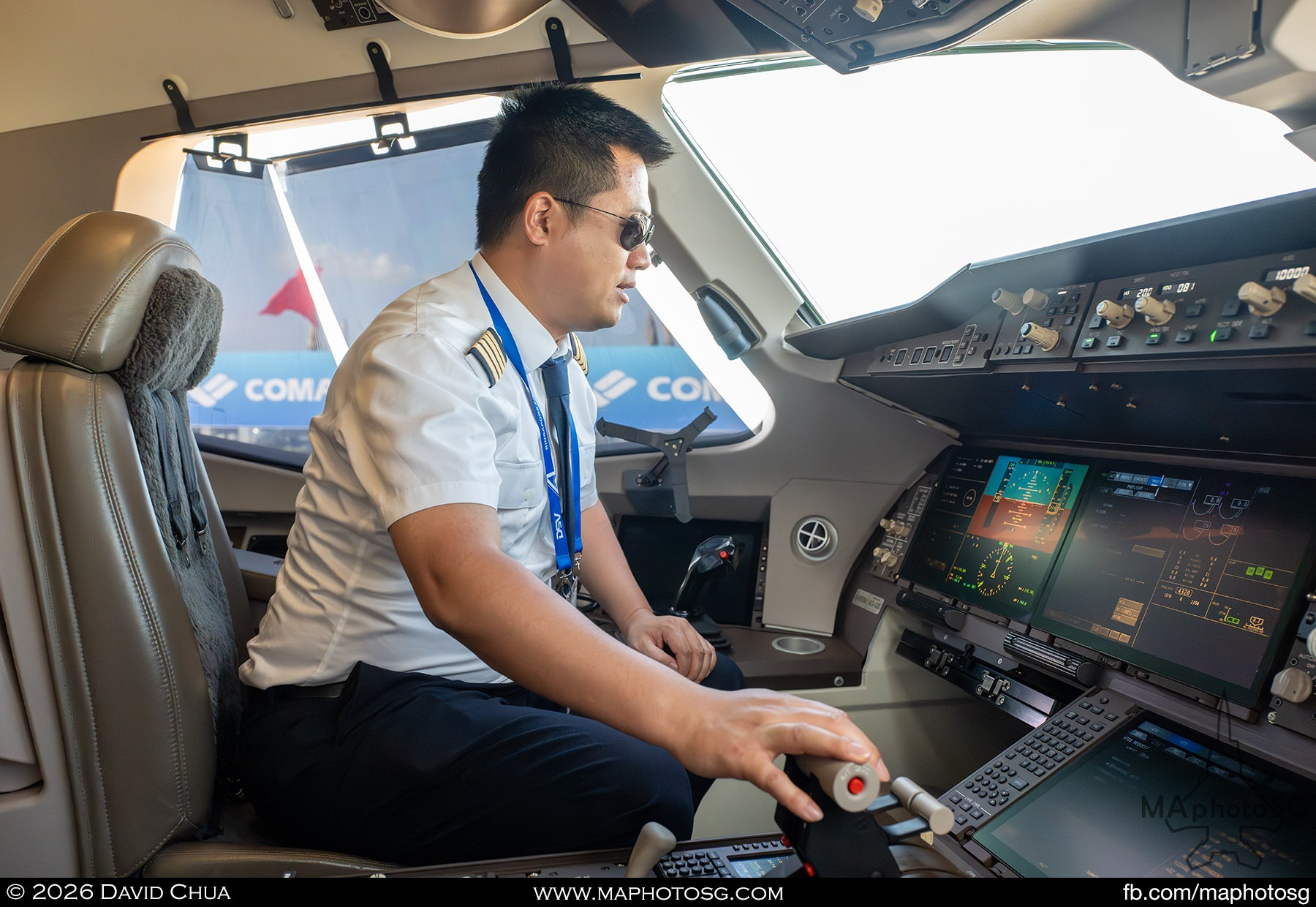
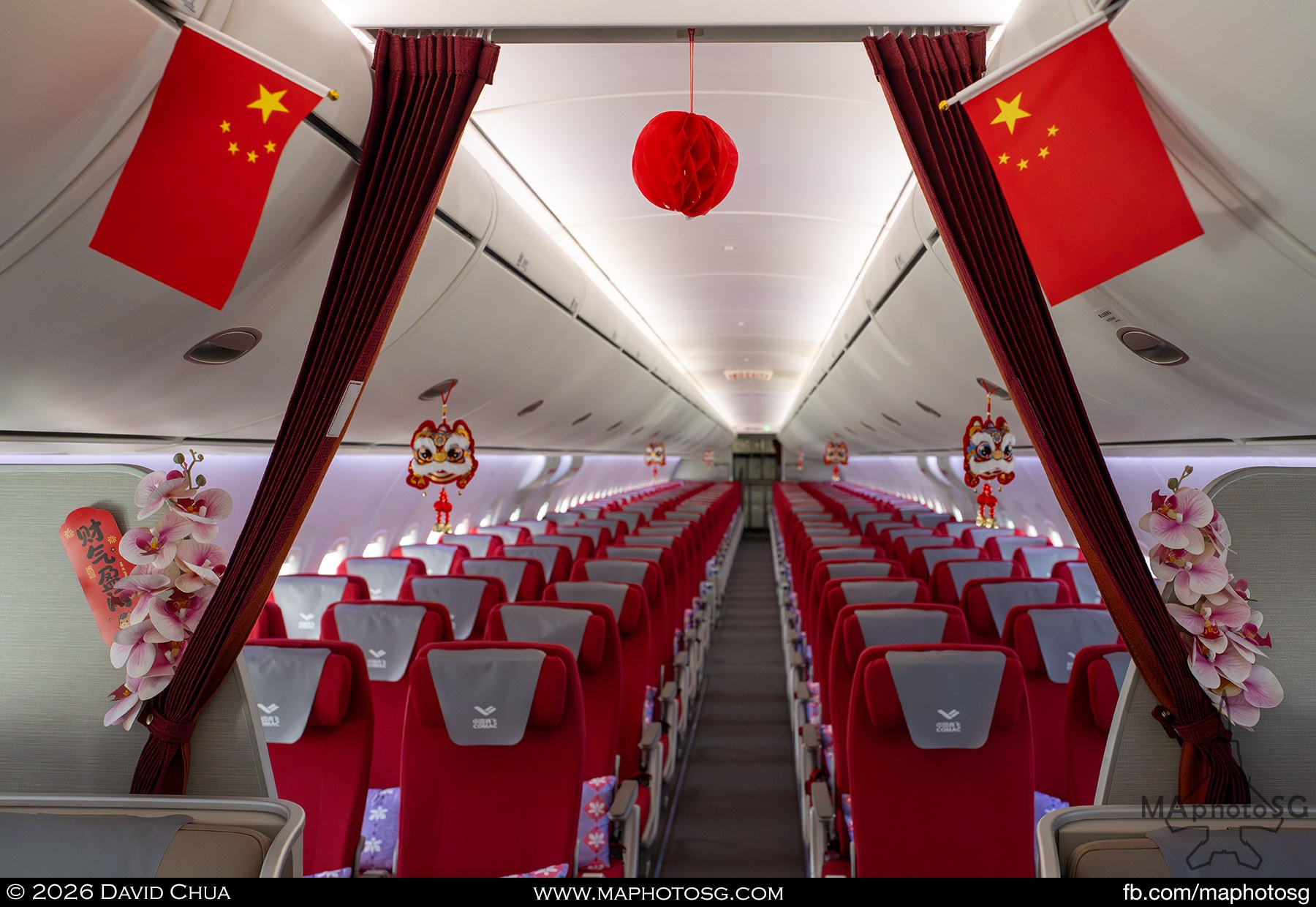
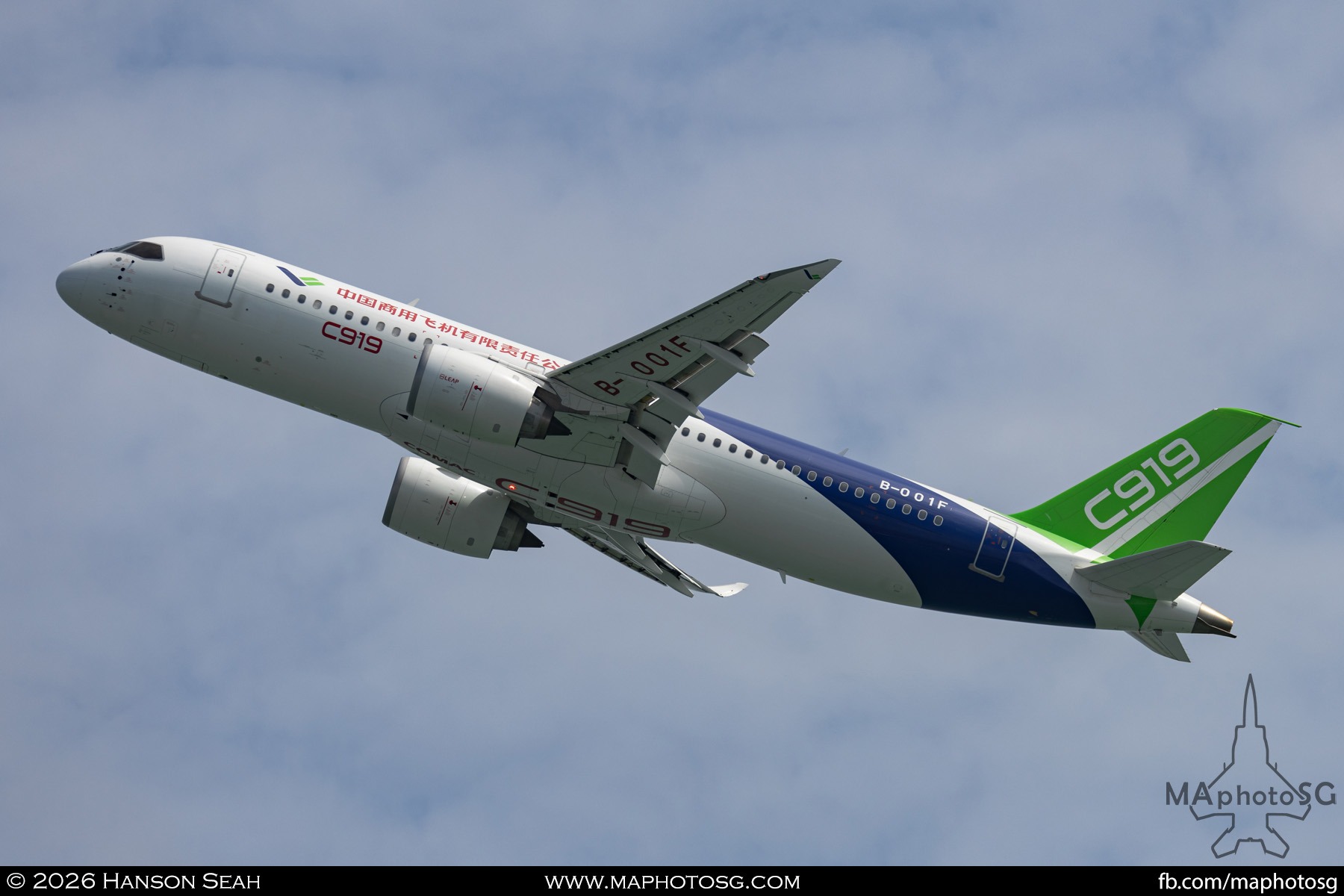
- COMAC / Shanxi Victory General Aviation: COMAC signed a letter of intent (LOI) with Shanxi Victory General Aviation for six newly certified C909 firefighting aircraft, comprising three firm orders and an intention to procure a further three.
Embraer
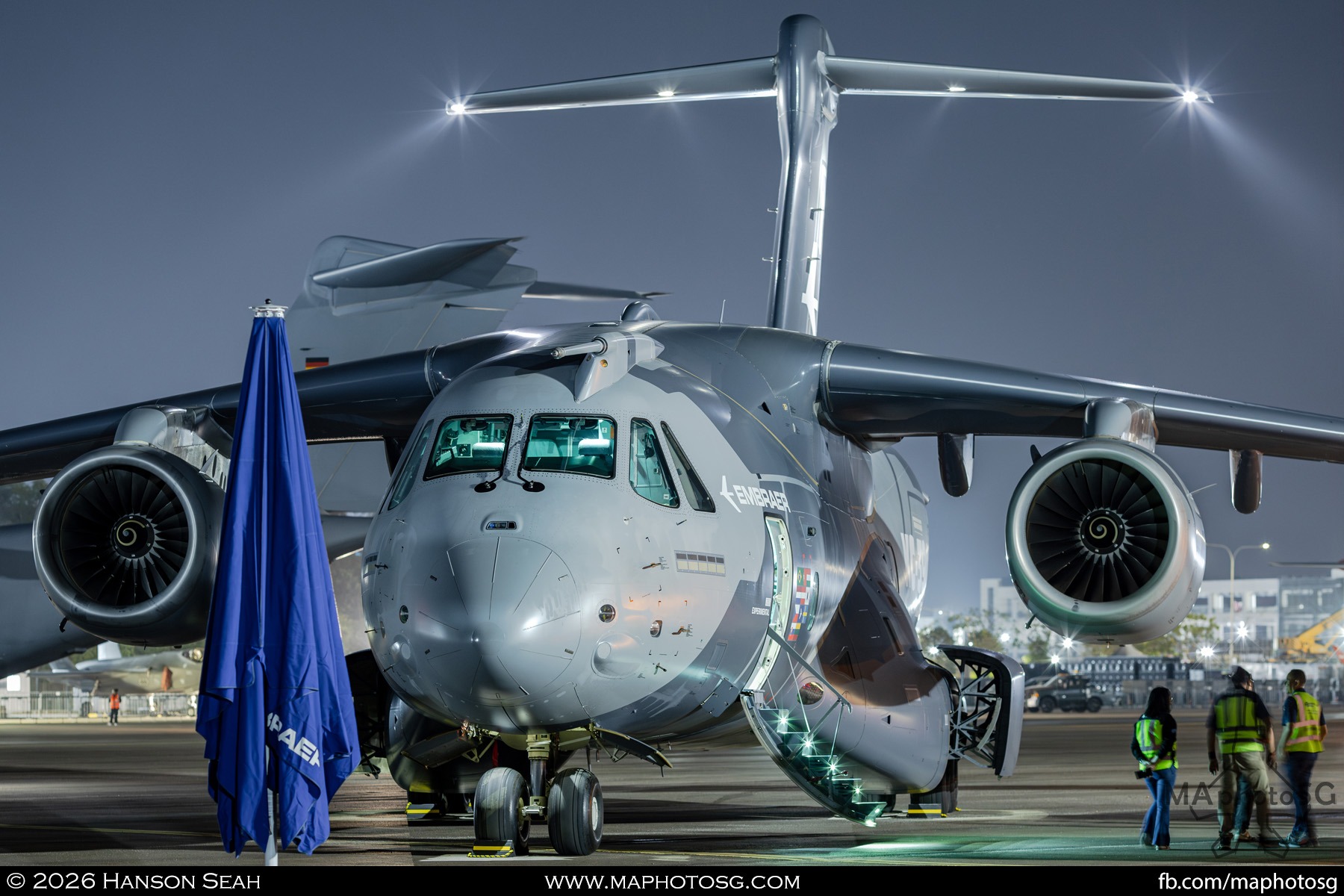
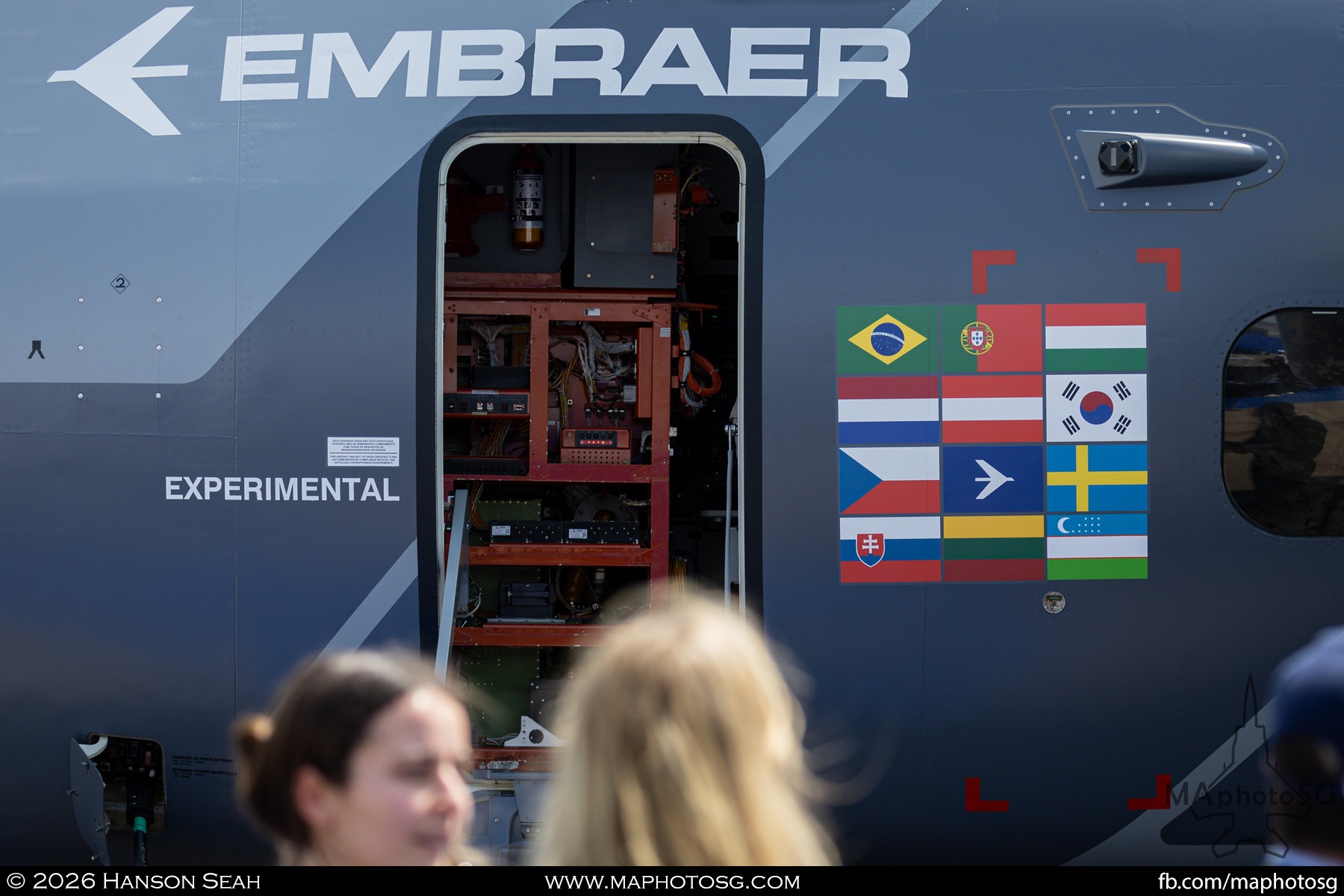
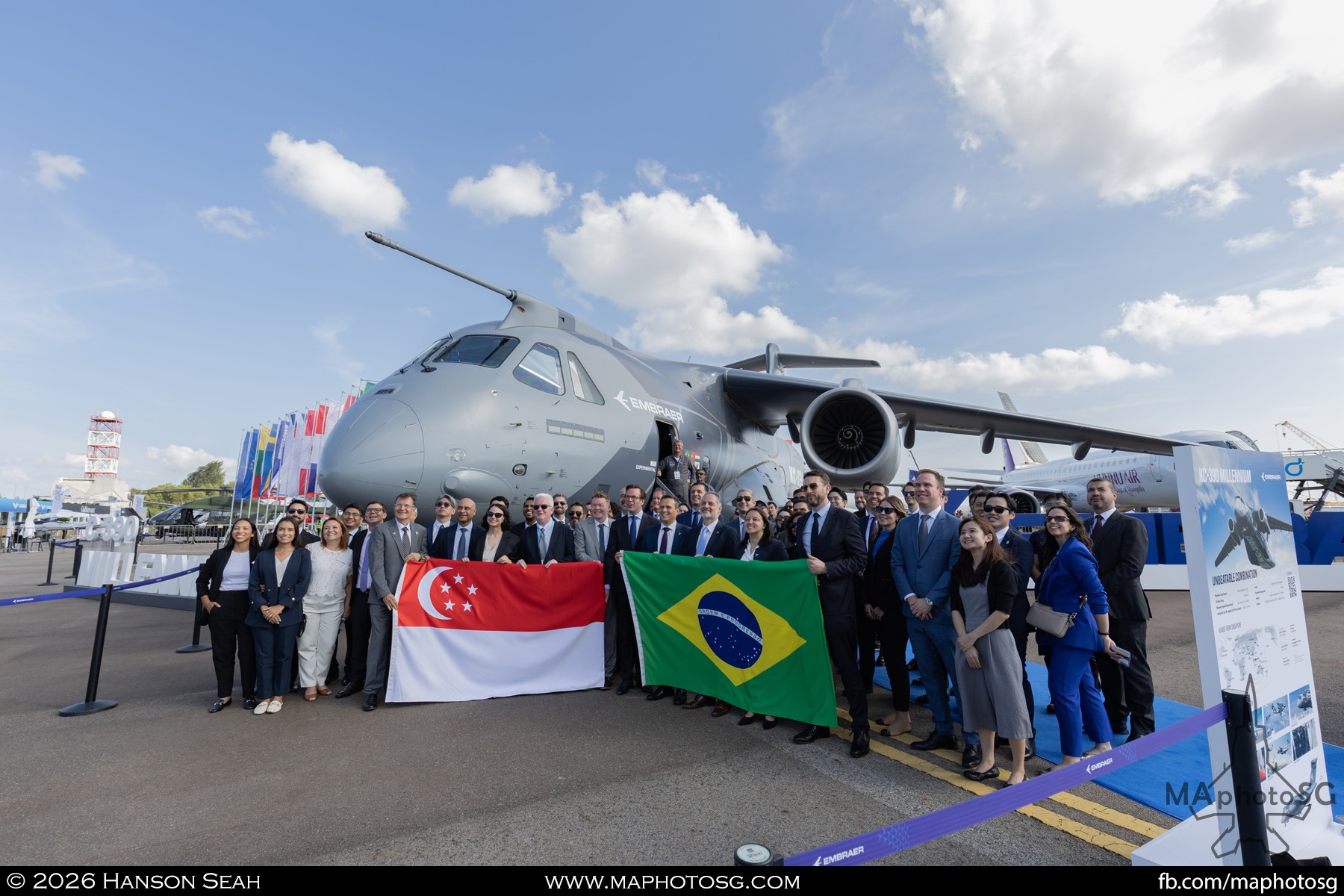
- Uzbekistan confirmed as KC-390 customer: Embraer revealed the Republic of Uzbekistan as the previously undisclosed C-390 Millennium customer, with the aircraft positioned as a high-performance transport (e.g., 26-ton payload and up to 470 knots stated in the release).
- Hungary fleet support: Embraer signed a support agreement for the Hungarian Air Force’s two C-390 Millennium aircraft, noting the fleet achieved a completion rate above 99% since entry into service in late 2024.
- First Republic of Korea Air Force C-390 presented: Embraer presented images of the first ROKAF C-390, a notable moment as Korea progresses its transport modernisation plans.
- Virgin Australia predictive maintenance: Embraer signed an AHEAD agreement with Virgin Australia for predictive maintenance support.
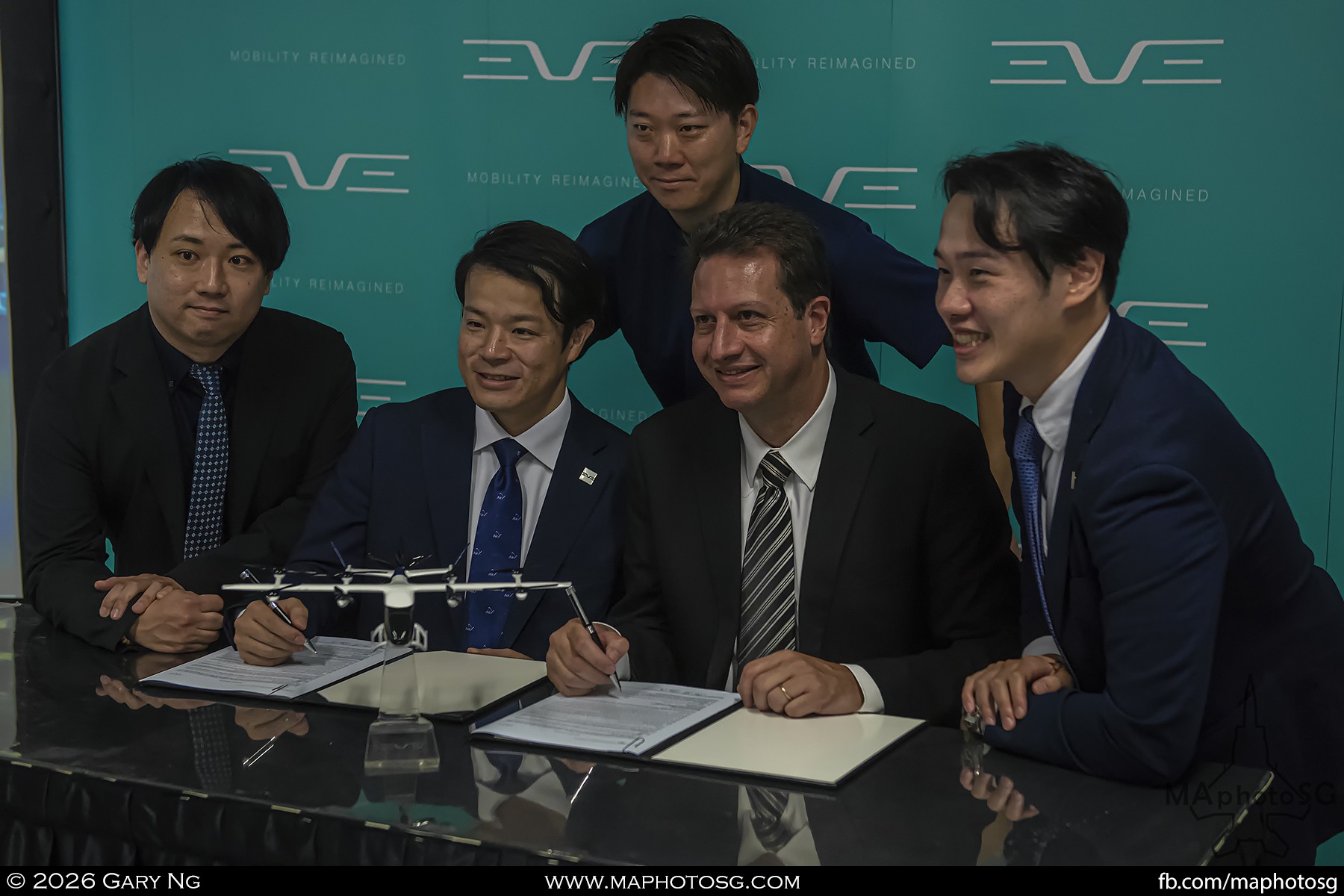
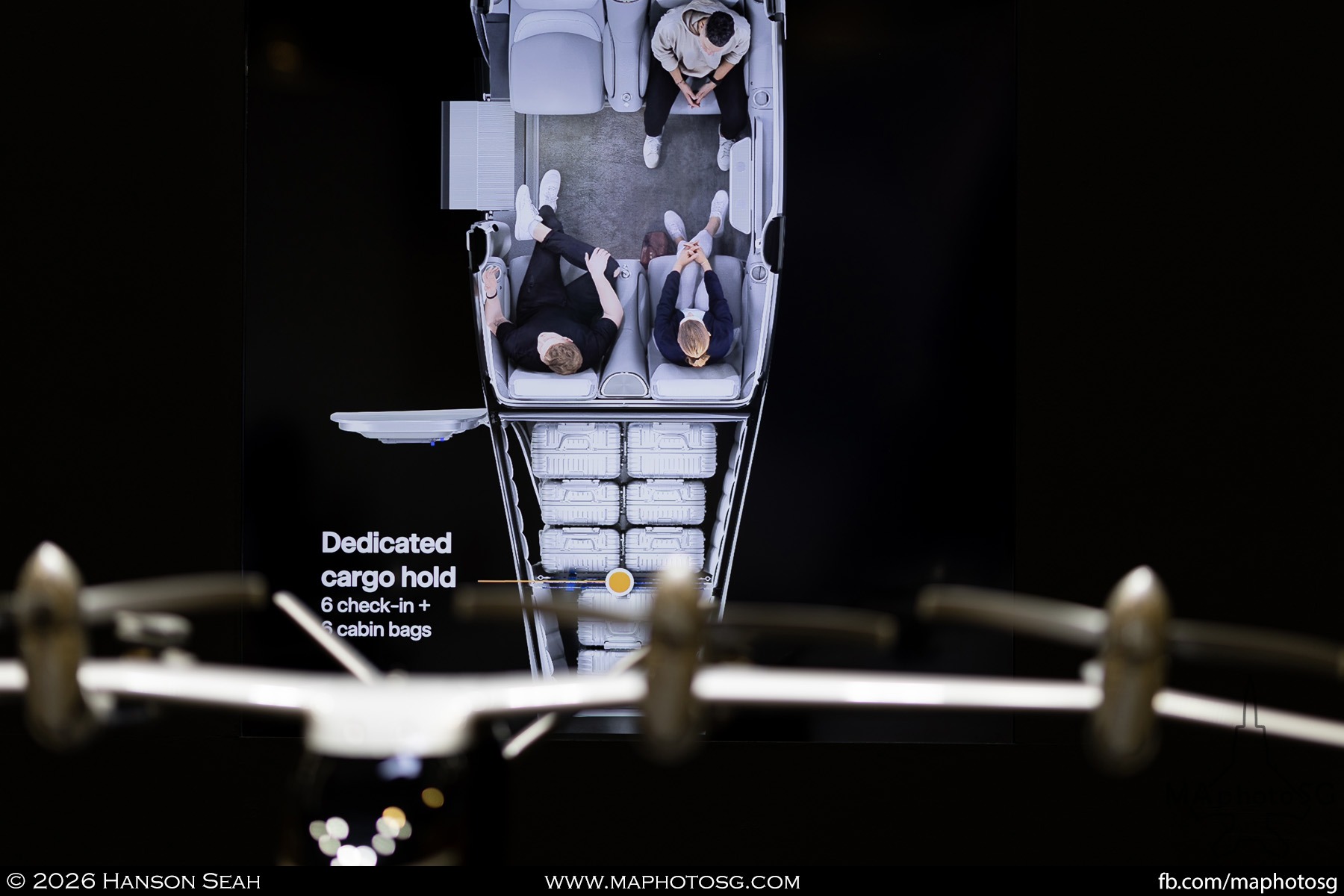
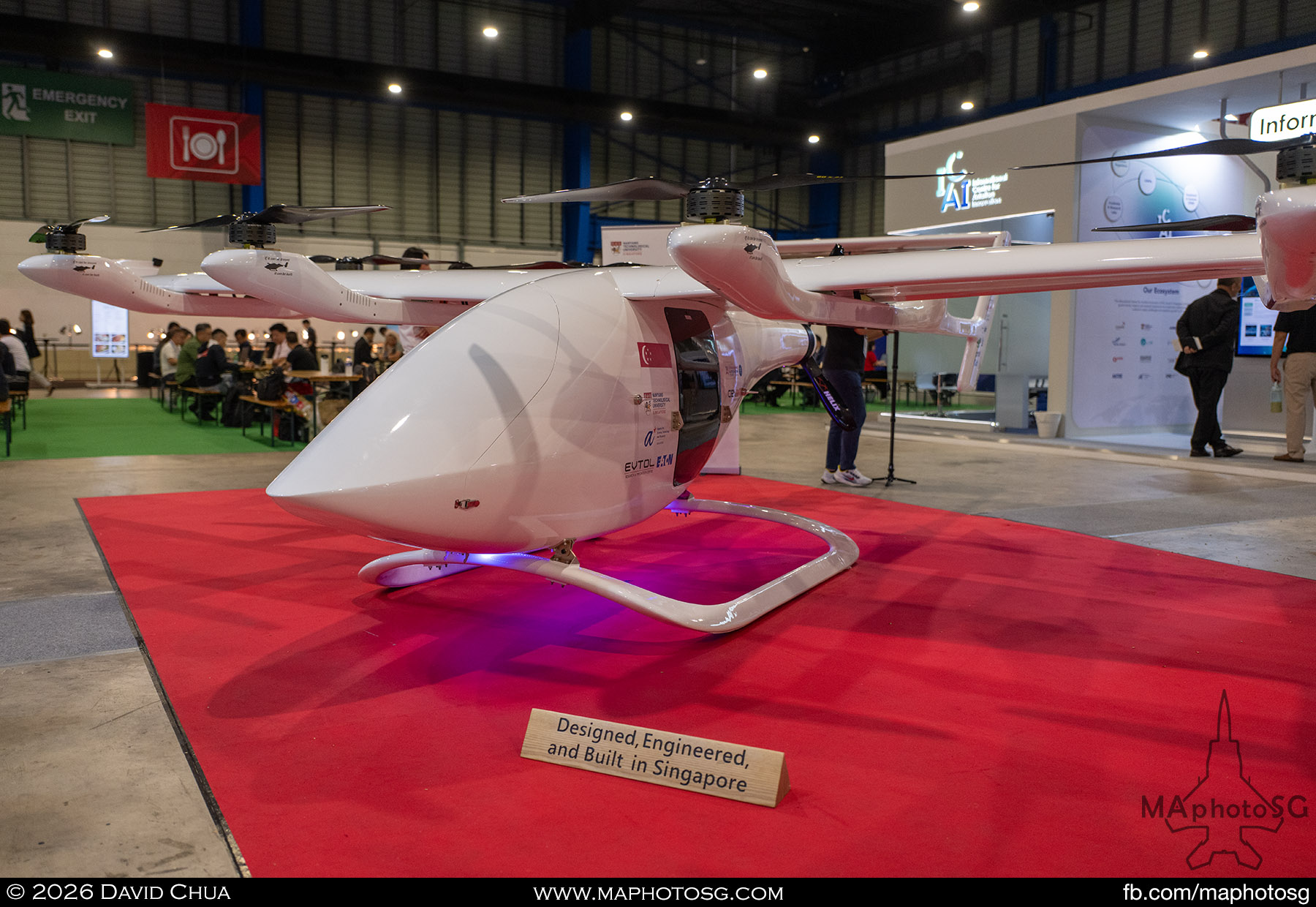
- Eve Air Mobility: AirX, Tokyo based air charter broker, signed a firm order for two Eve eVTOL aircraft with options for up to 50 in total, with the first delivery targeted for 2029.
- Thailand industrial support: Embraer positioned Thai Aviation Industries to support the Royal Thai Armed Forces, including plans toward authorised service capability by end-2026 (as stated).
- Airnorth fleet support deal: Airnorth signed a multi-year support agreement with Embraer covering maintenance, repair and spare-parts support for its E170 and E190 fleet under Embraer’s Pool Program.
Lockheed Martin
- Lockheed Martin F-35: Lockheed said it cleared the parked-aircraft backlog following the TR-3-linked delivery pause and delivered record numbers of 191 F-35s in 2025.
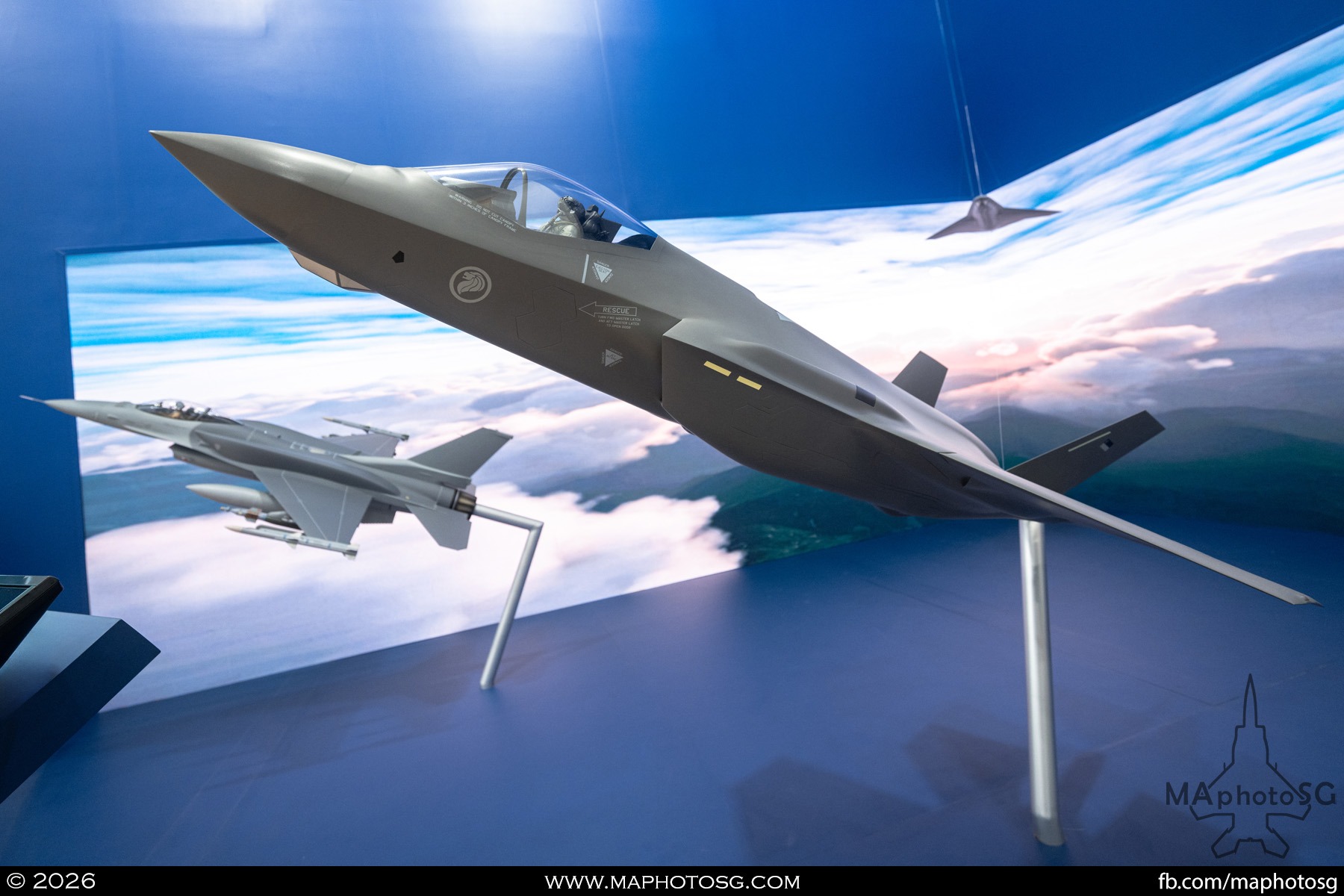
- RSAF F-35: The RSAF is scheduled to take delivery of its first four F-35s by end-2026, with initial operations based at Ebbing Air National Guard Base. The aircraft are expected to transition to Singapore, with local introduction targeted for around 2029.
GE Aerospace
- Open fan momentum: GE Aerospace displayed a large-scale CFM Open Fan concept model configured with a notional hybrid power system, aligning with the wider RISE narrative on next-generation efficiency.
- GE investment in Singapore: GE Aerospace referenced a US$300 million boost to its Singapore engine repair footprint.
Aviation Industry Corperation of China (AVIC)
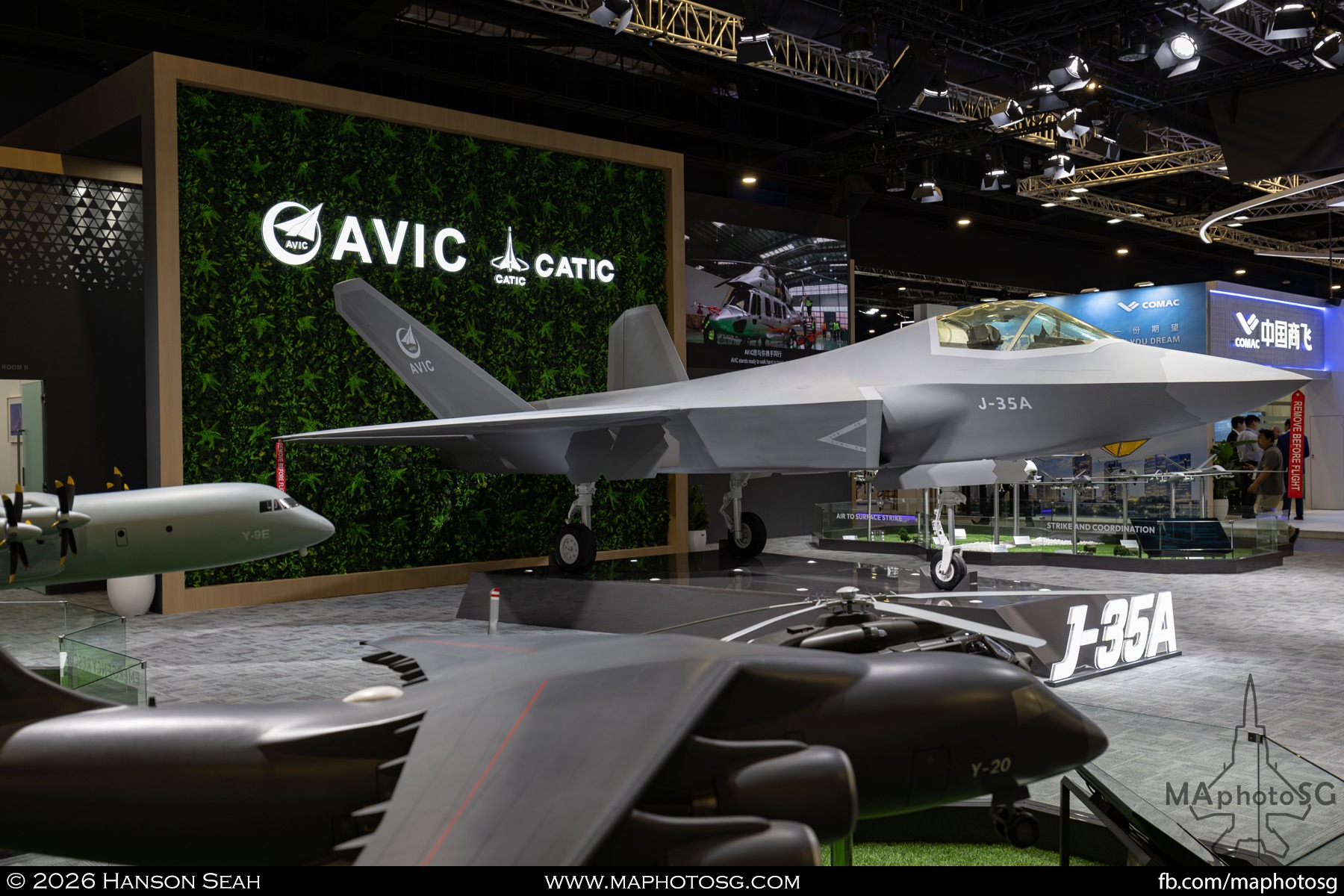
- Prominently showcased the J-35A, featuring a 1:2 scale mock-up of the stealth multirole fighter at its exhibition booth.
Leonardo
- AirBorneo ATR order: AirBorneo ordered eight ATR turboprops (reported elsewhere as five ATR 72-600 and three ATR 42-600) with deliveries planned 2027–2029, to refresh Malaysia’s rural air services across Borneo.
- Indonesia Fleet Modernisation: Leonardo signed a letter of intent (LOI) with PT ESystems Solutions Indonesia and the Ministry of Defence of the Republic of Indonesia for the Leonardo M-346F Block 20 light combat aircraft/advanced trainer, intended to replace the ageing BAE Systems Hawk fleet.
Engines, sustainability, and airline operations
- Scoot APU agreement: Pratt & Whitney Canada signed a 15-year maintenance agreement supporting 24 APS5000 APUs on Scoot’s Boeing 787 fleet.
- IATA warning on net-zero headwinds: IATA’s Willie Walsh warned that shortages in new aircraft and SAF supply risk undermining the industry’s net-zero by 2050 pathway.
- Asia-Pacific growth indicators: IATA cited Asia-Pacific passenger traffic growth of 7.8% in 2025 (with 10.9% rise in international traffic) and projected 7.3% regional growth in 2026.
- RTX MRO boost: RTX signed three agreements with Singapore Economic Development Board, committing an additional US$139 million in investment to expand its MRO services in Singapore.
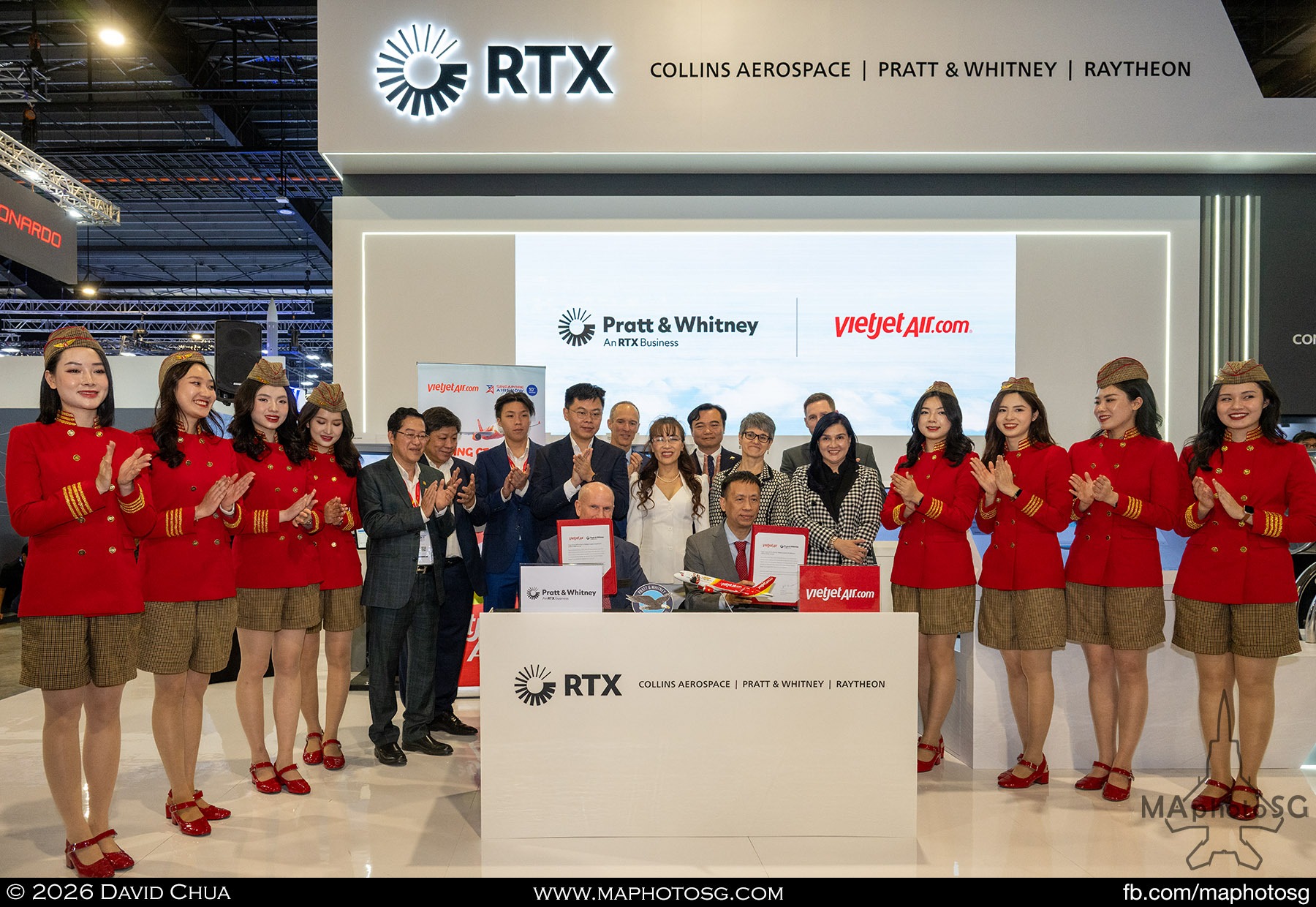
- VietJet A320neo Engine Selection: VietJet has chosen Pratt & Whitney’s Geared Turbofan (GTF) engines for 44 A320neo aircraft, with deliveries expected to commence from July 2026. The package includes a 12-year EngineWise maintenance agreement.
- CAE Full-Flight Simulators: CAE will add a 700XR full-flight simulator for the Boeing 777X to its training centre in Singapore, subject to approval from the Civil Aviation Authority of Singapore.
Business aviation, airlines, and regional demand
- Dassault Falcon 10X timeline: Dassault set 10 March as the date for its Falcon 10X rollout, while citing 2025 orders and backlog figures (e.g., 31 orders in 2025, 73-aircraft backlog reported).
- AAPA on regional growth: AAPA reported 11% traffic growth and 10.2% capacity growth for member airlines in 2025.
- IndiGo’s network strategy: IndiGo’s CEO spoke about boosting international connecting flows, though the carrier also flagged operational impacts from airspace restrictions and congestion in near-term scheduling (including route suspensions and frequency changes).
- Cebu Pacific grounded aircraft improving: Cebu Pacific’s CEO noted progress in reducing the number of grounded narrowbodies linked to engine availability constraints.
- Bell 505 firefighting: South Korea’s EnB Air signed to acquire one Bell 505, configured for initial-attack aerial firefighting missions.
Weekend @ Airshow
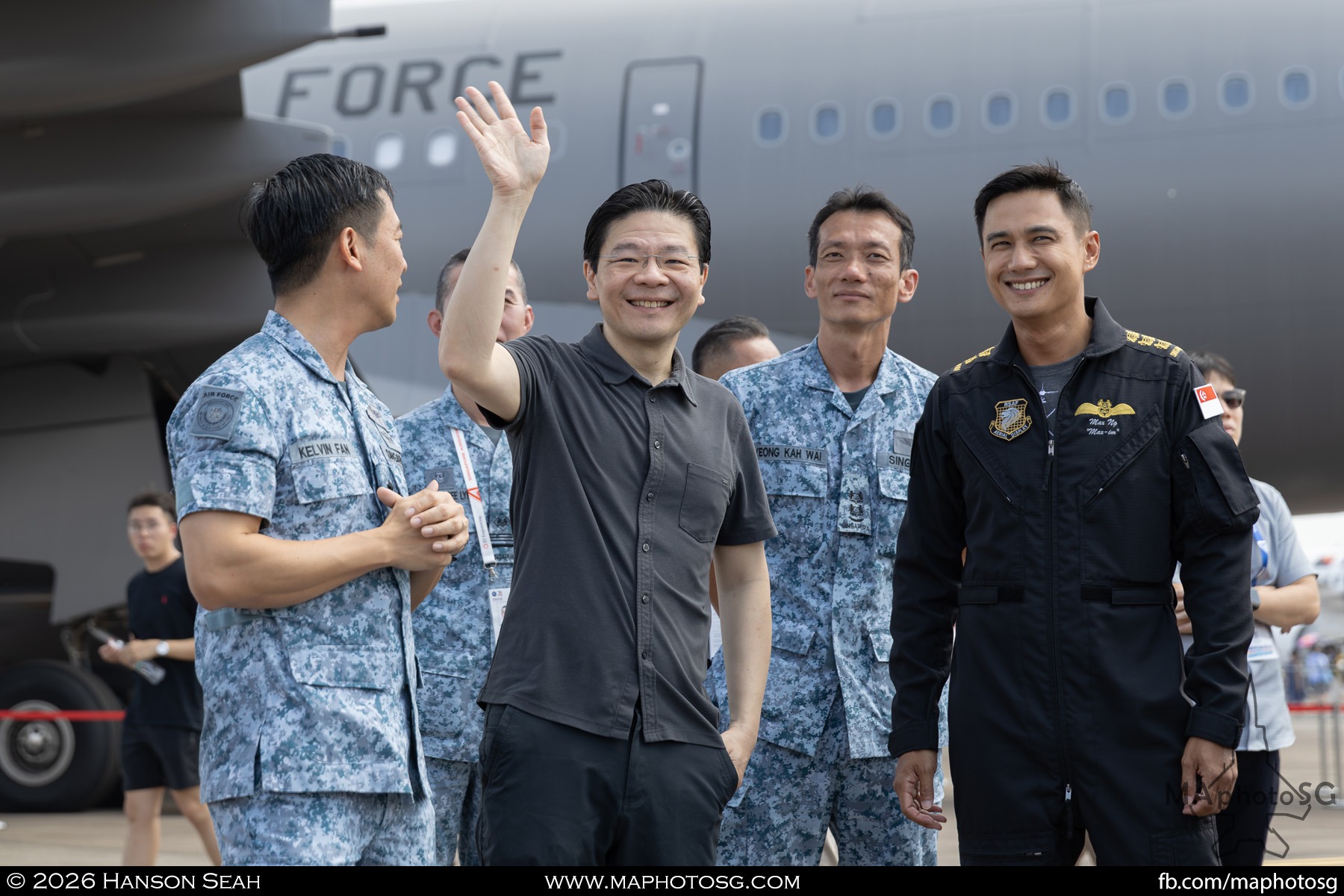
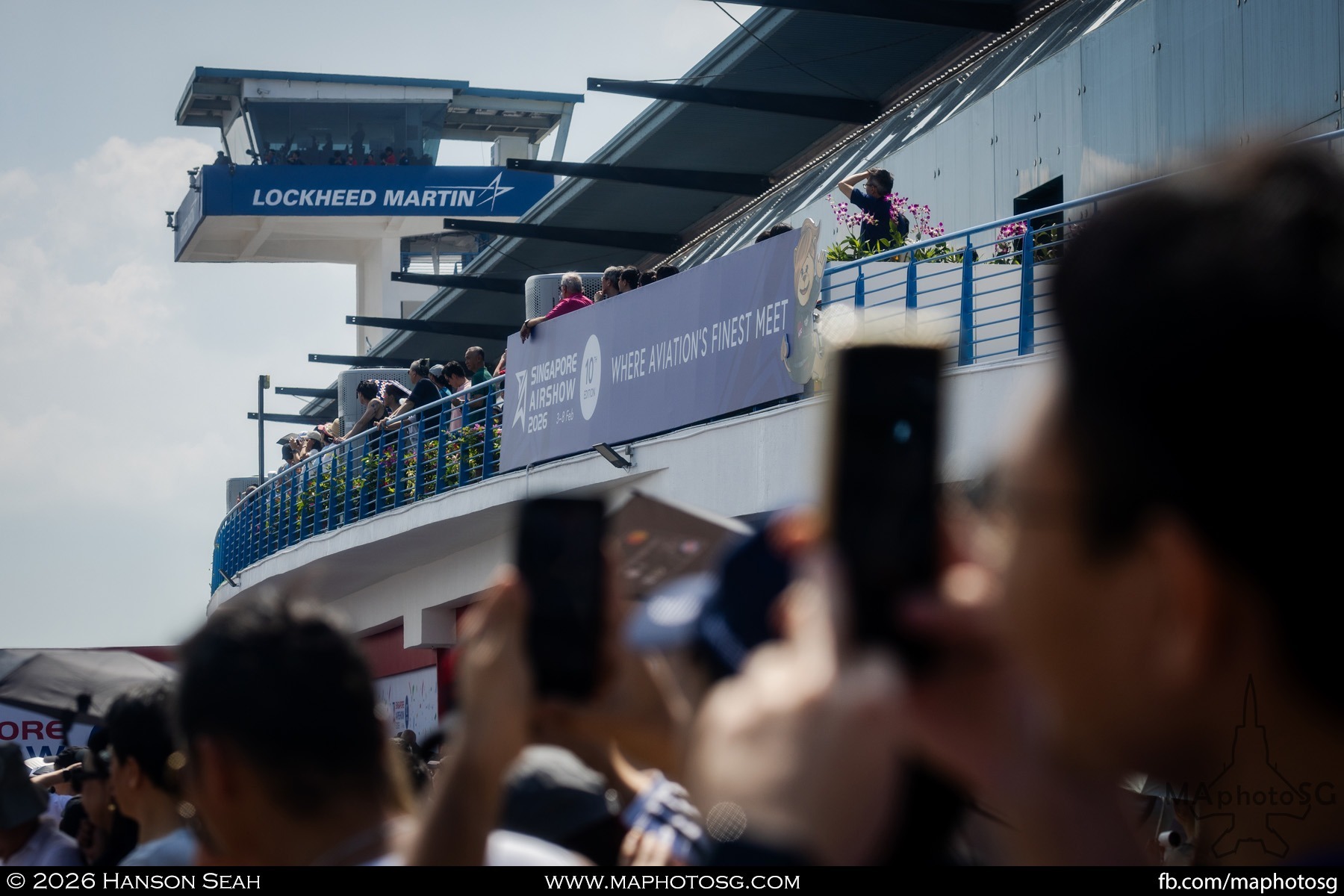
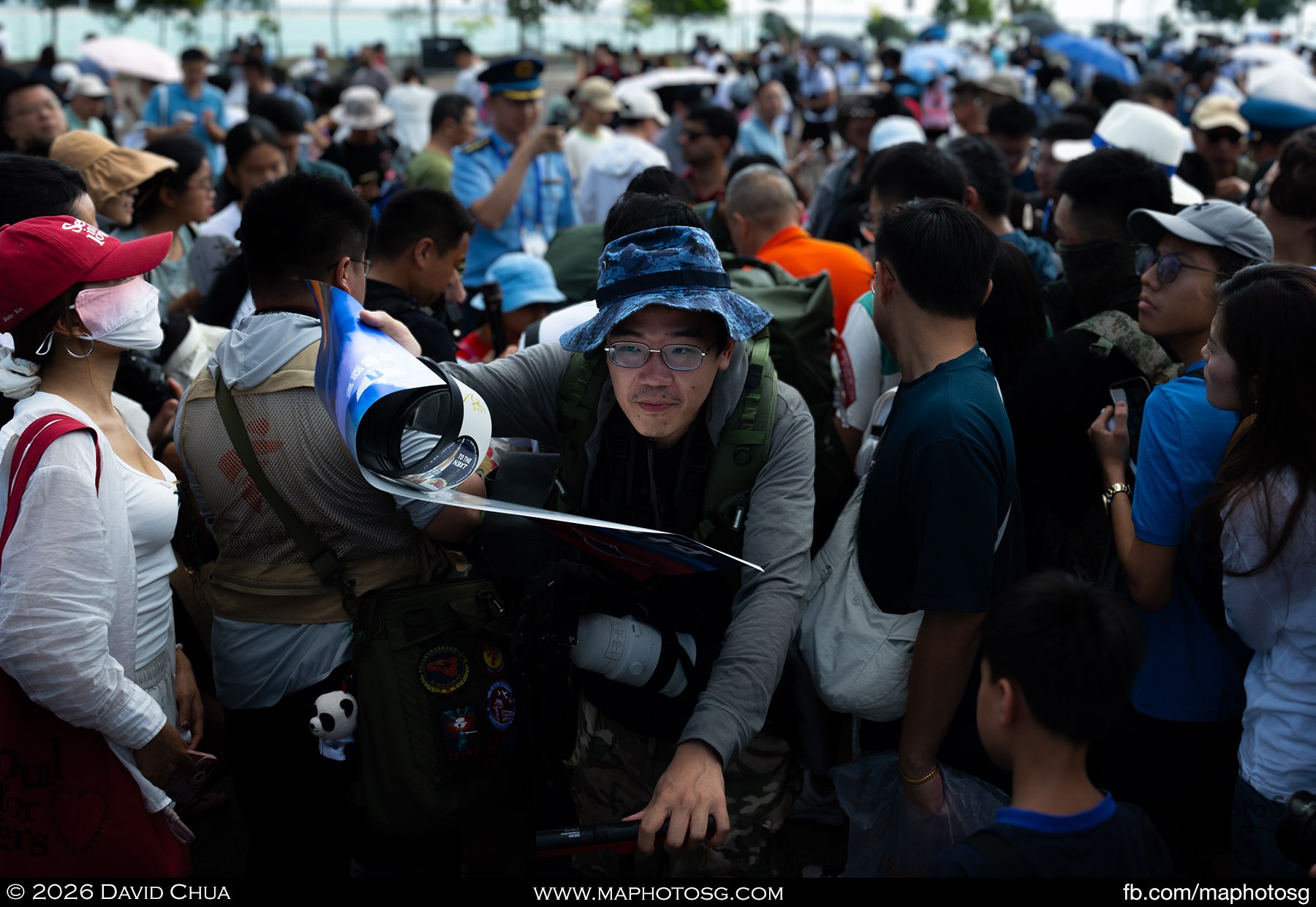
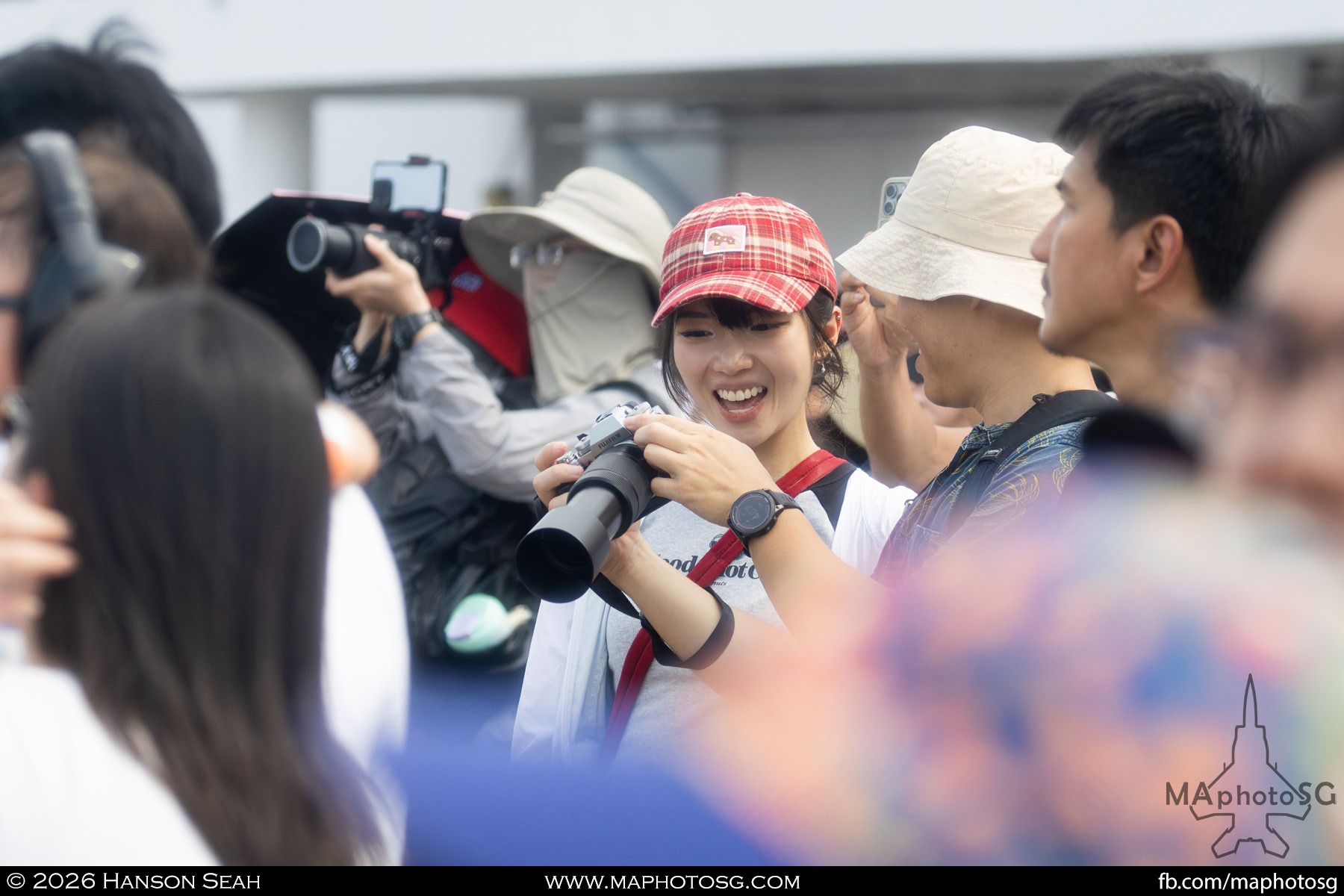
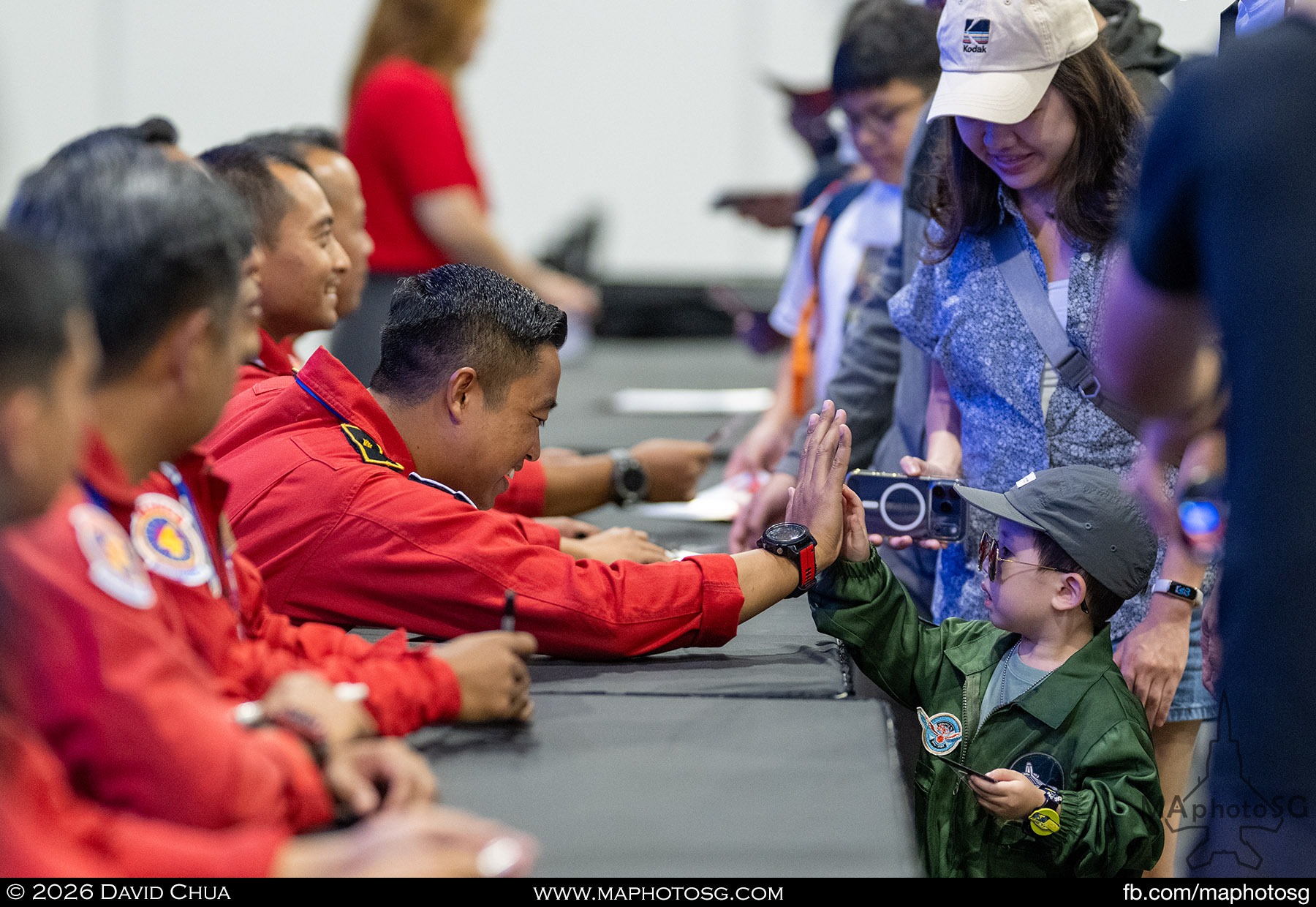
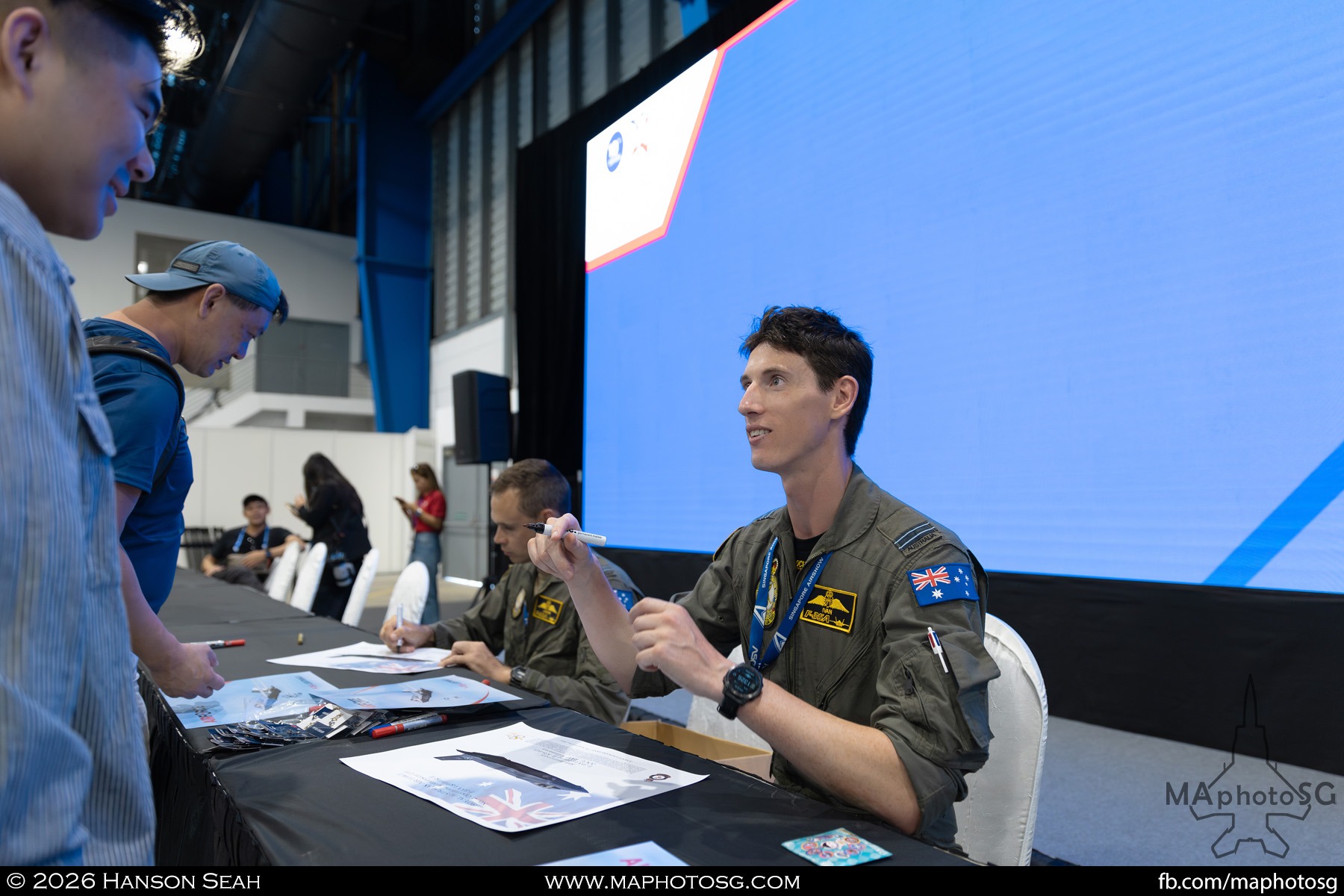
The Weekend@Airshow (7–8 February) saw strong public turnout, with 60,000 visitors attending across both days to experience world-class aerial performances, up-close aircraft encounters, and family-friendly programmes celebrating aviation.
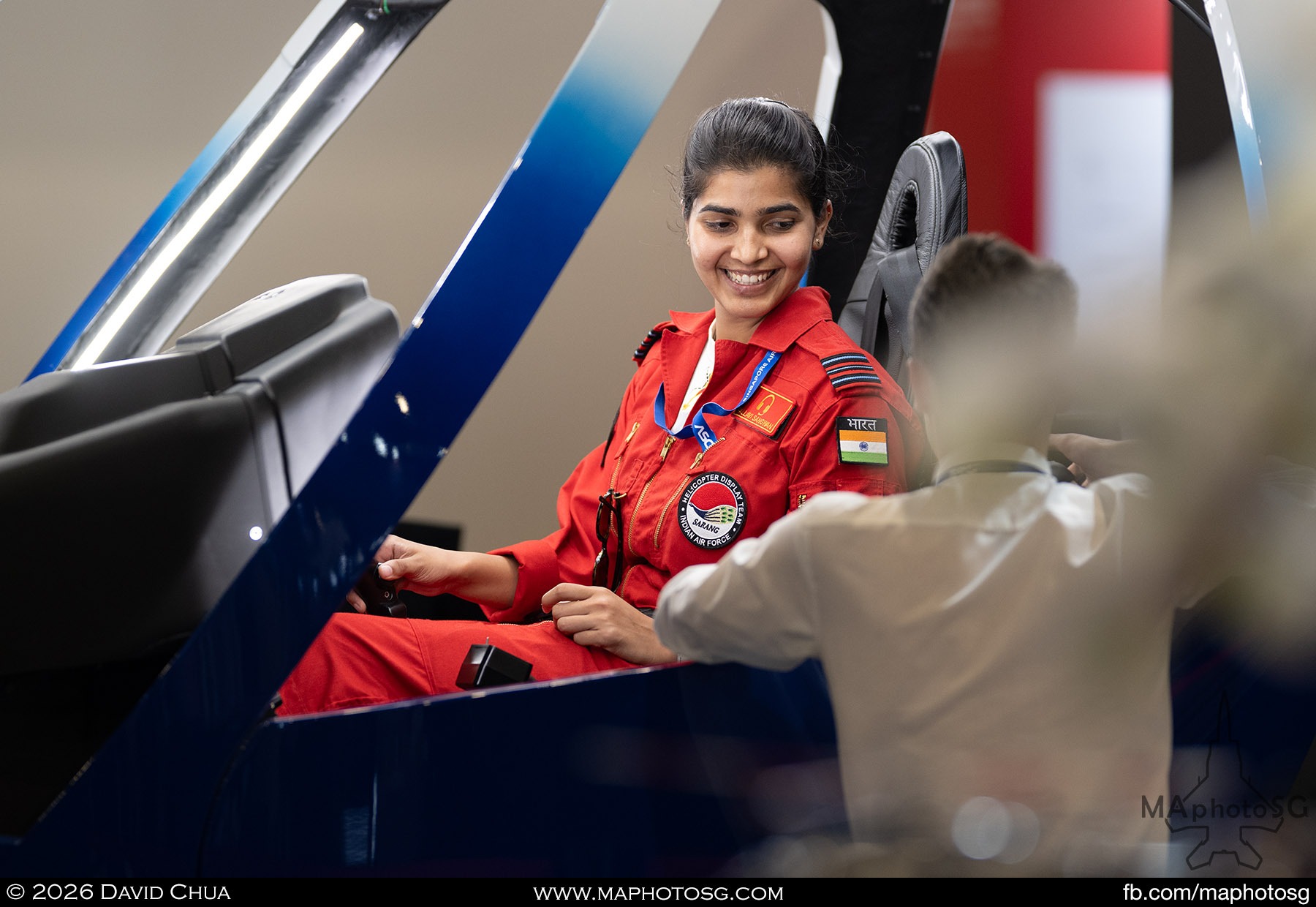
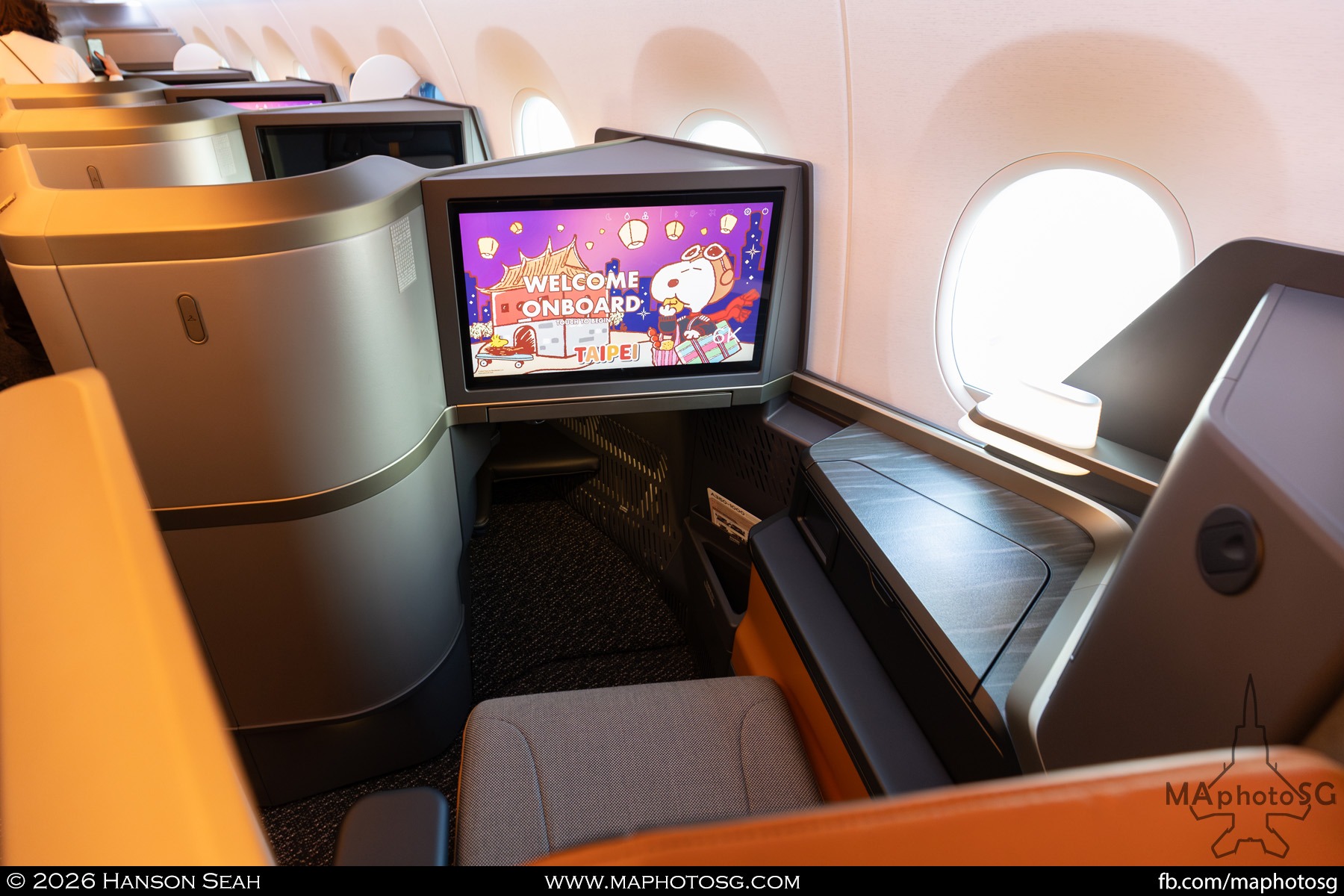
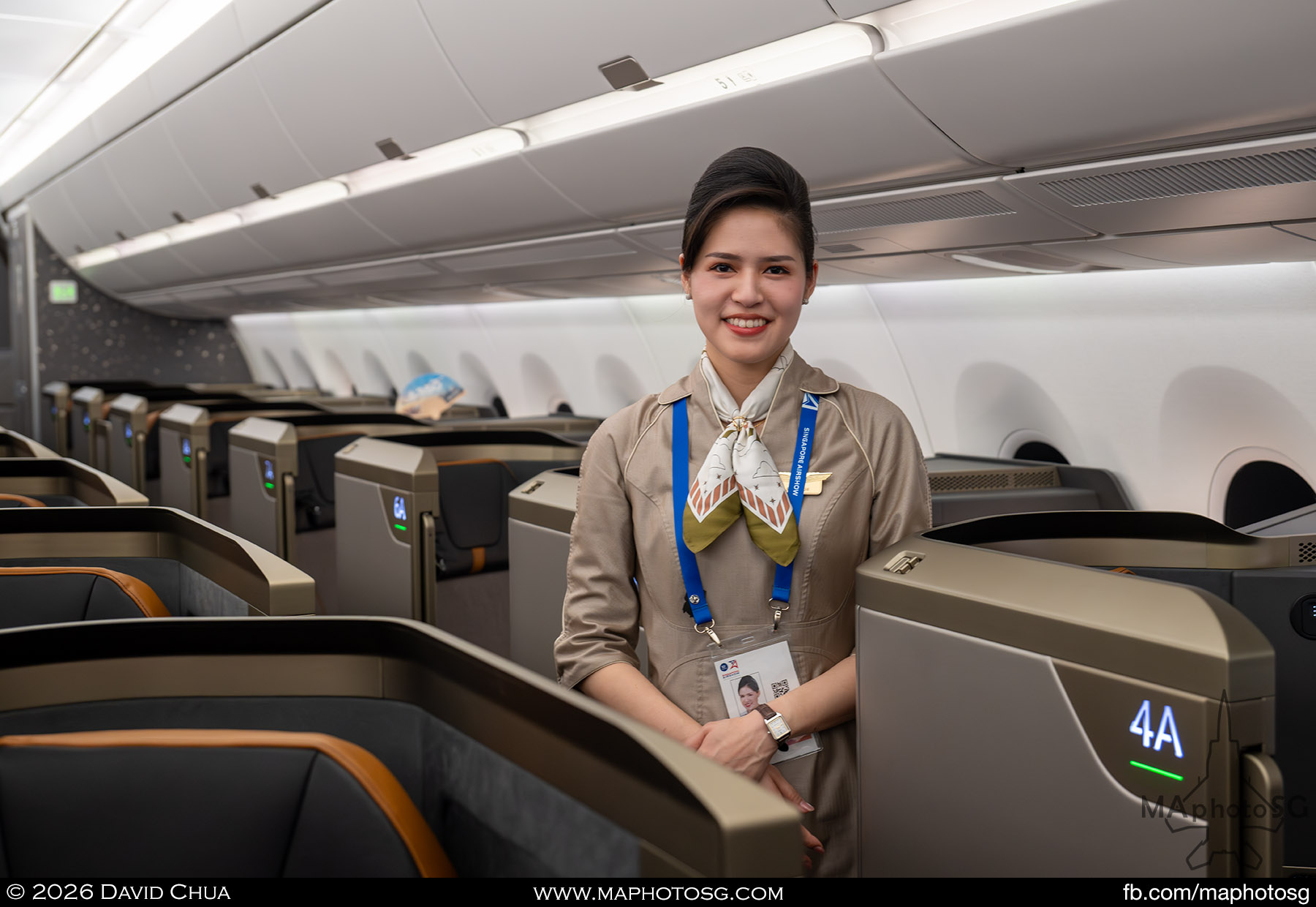
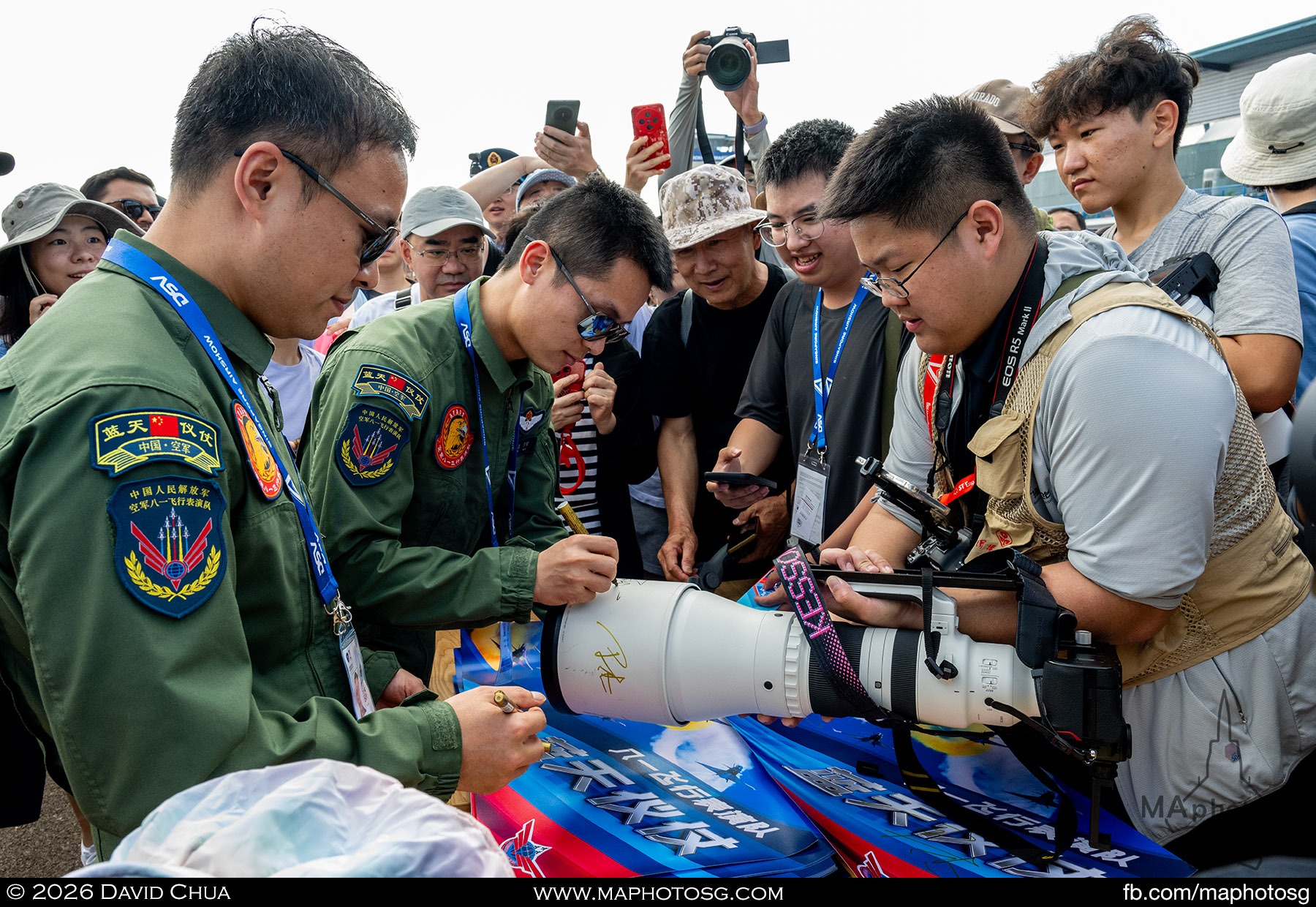
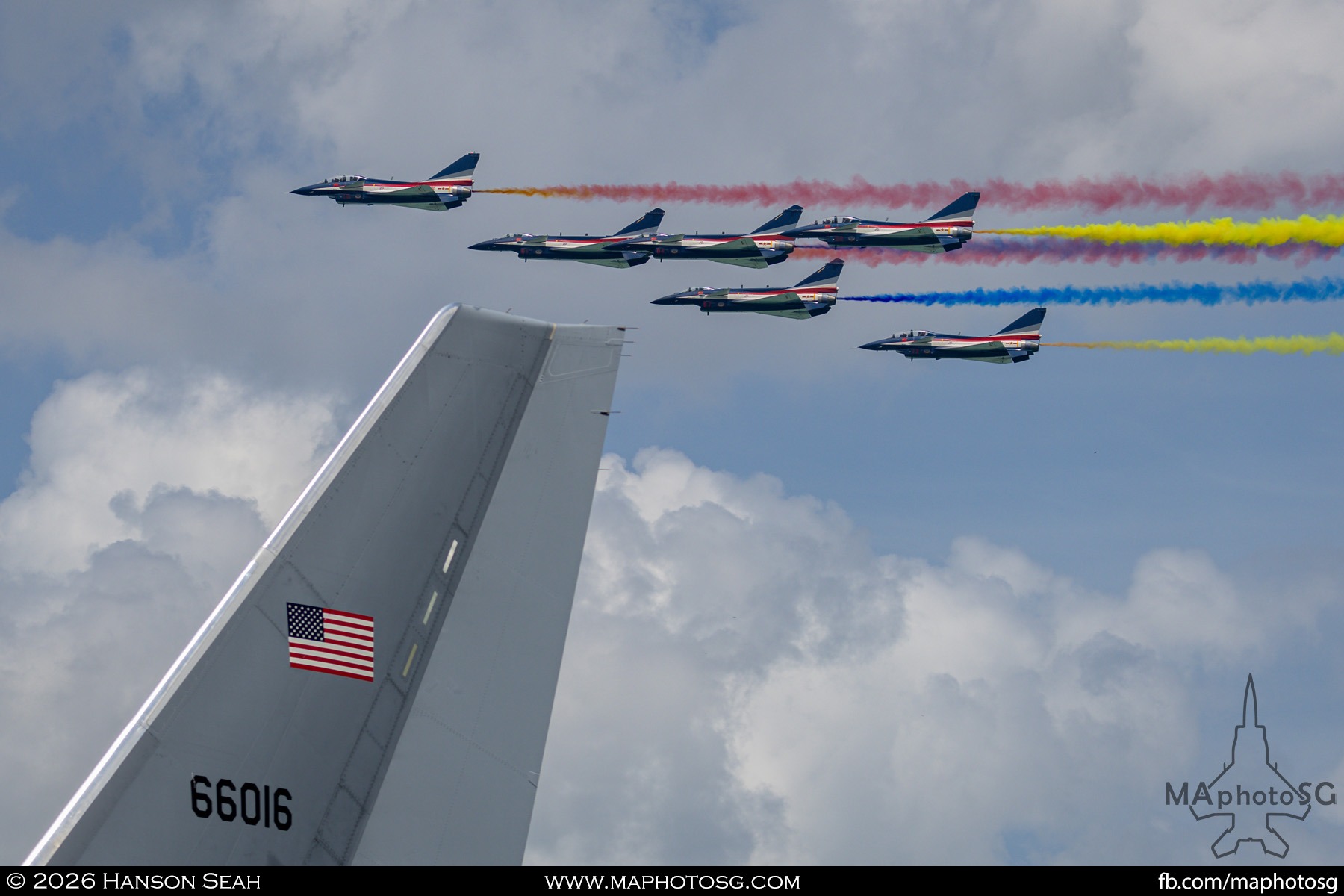
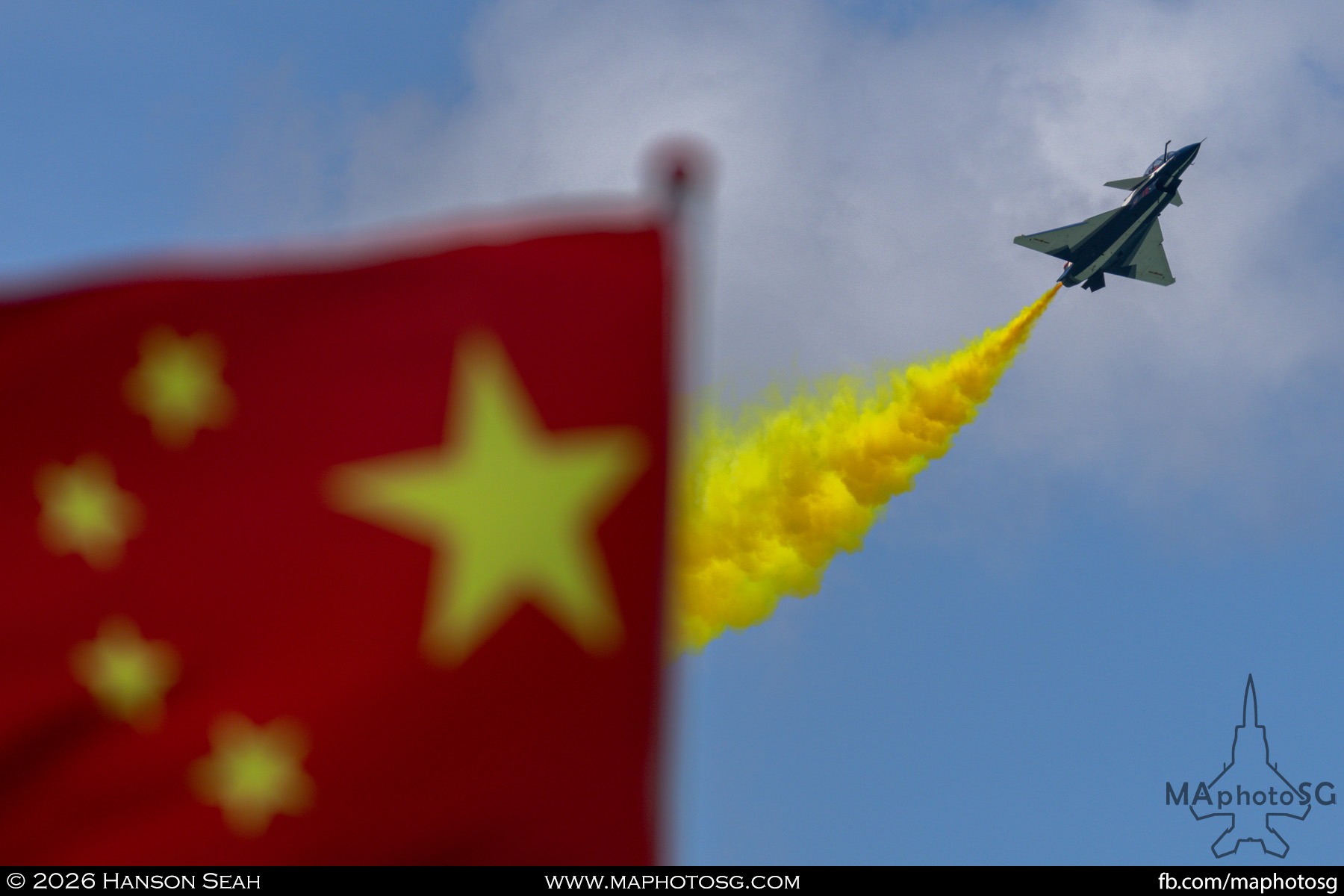
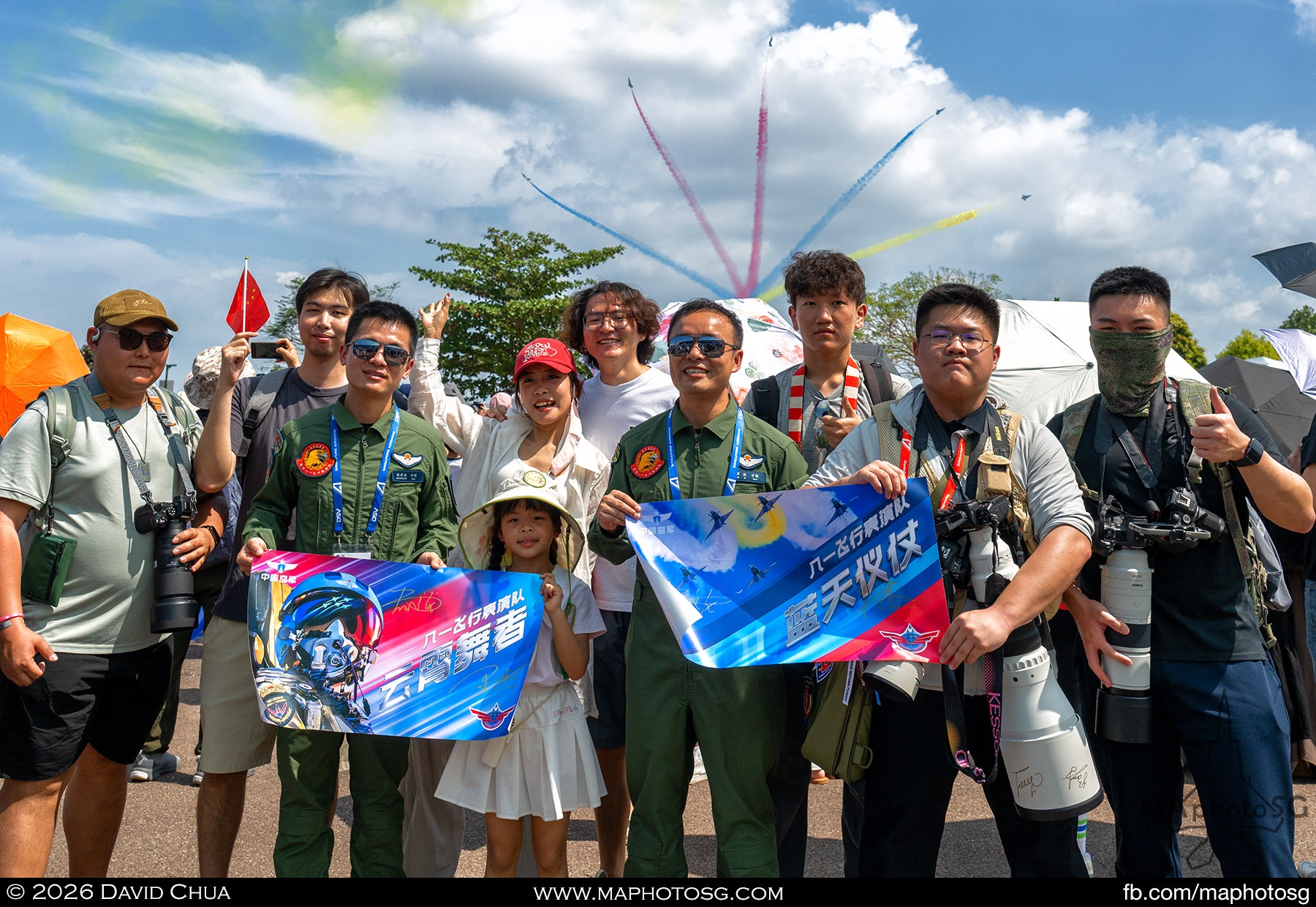
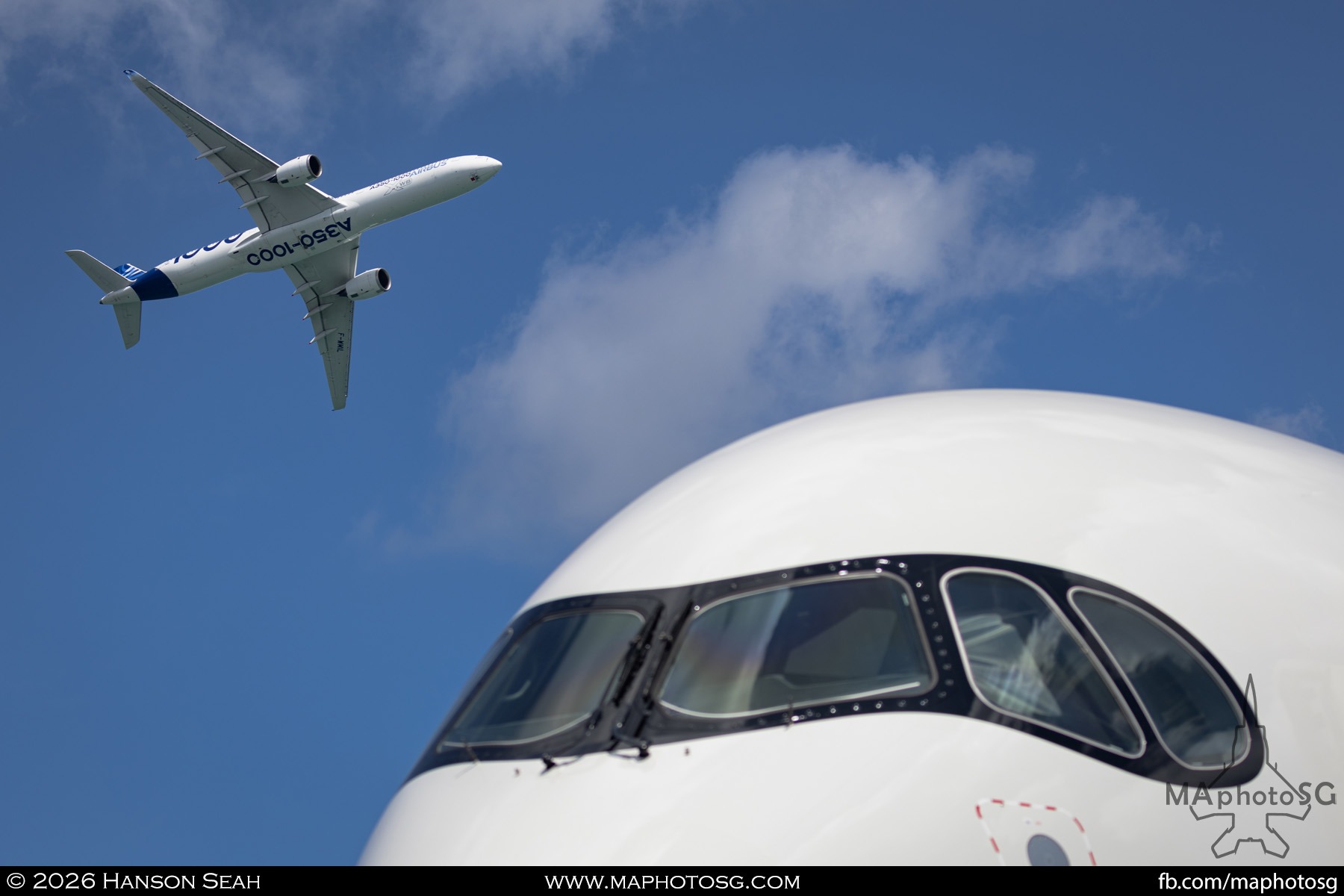
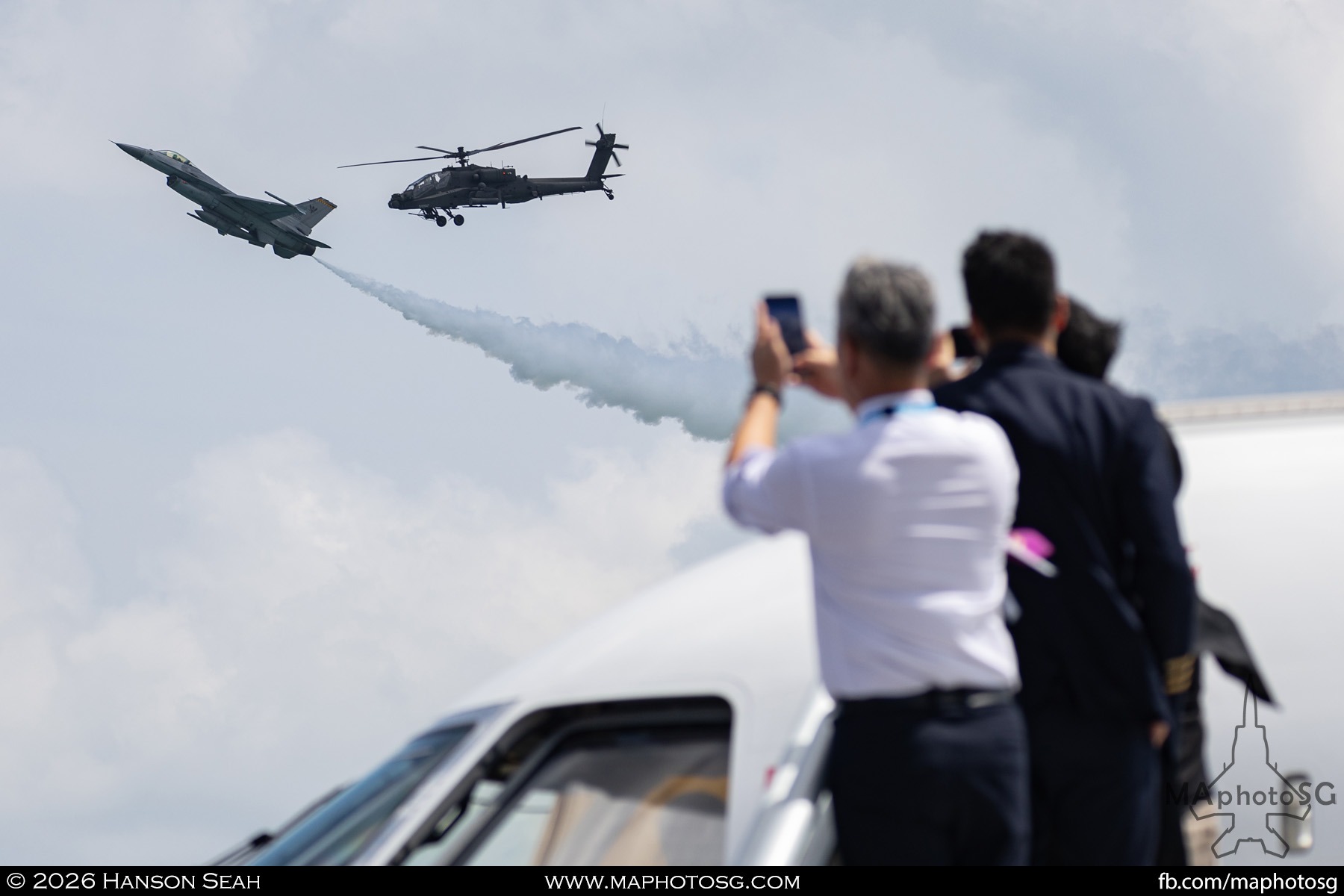
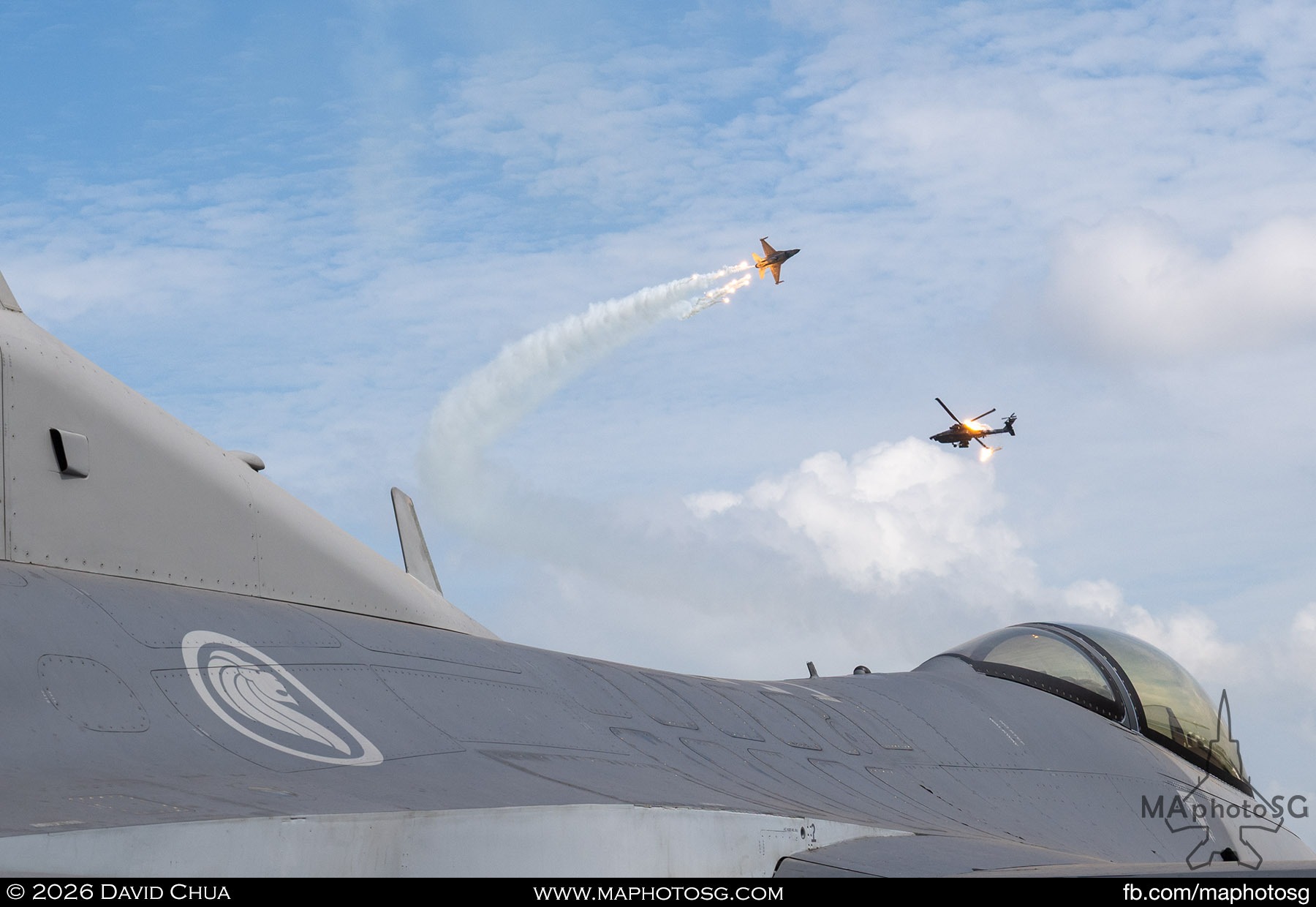
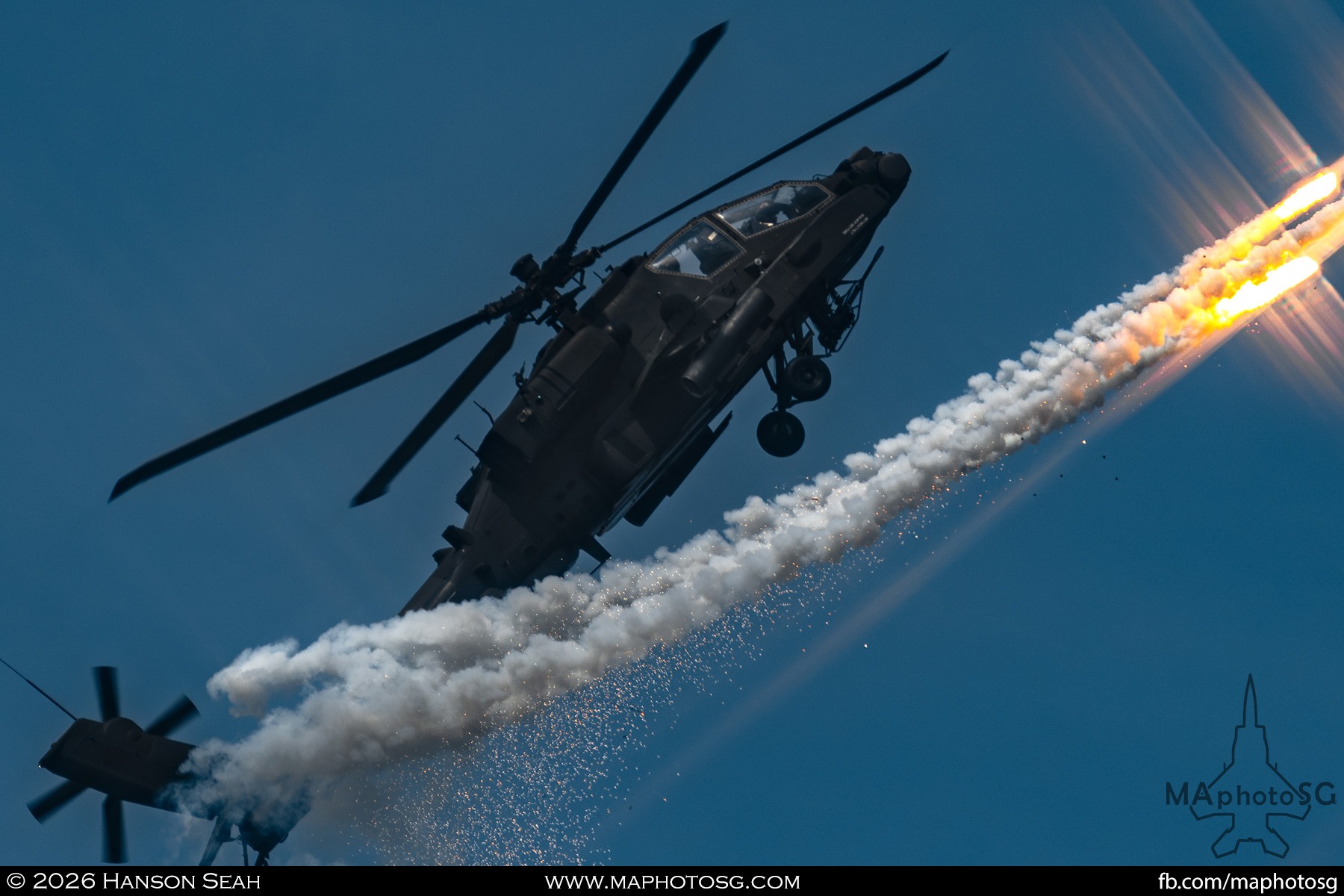
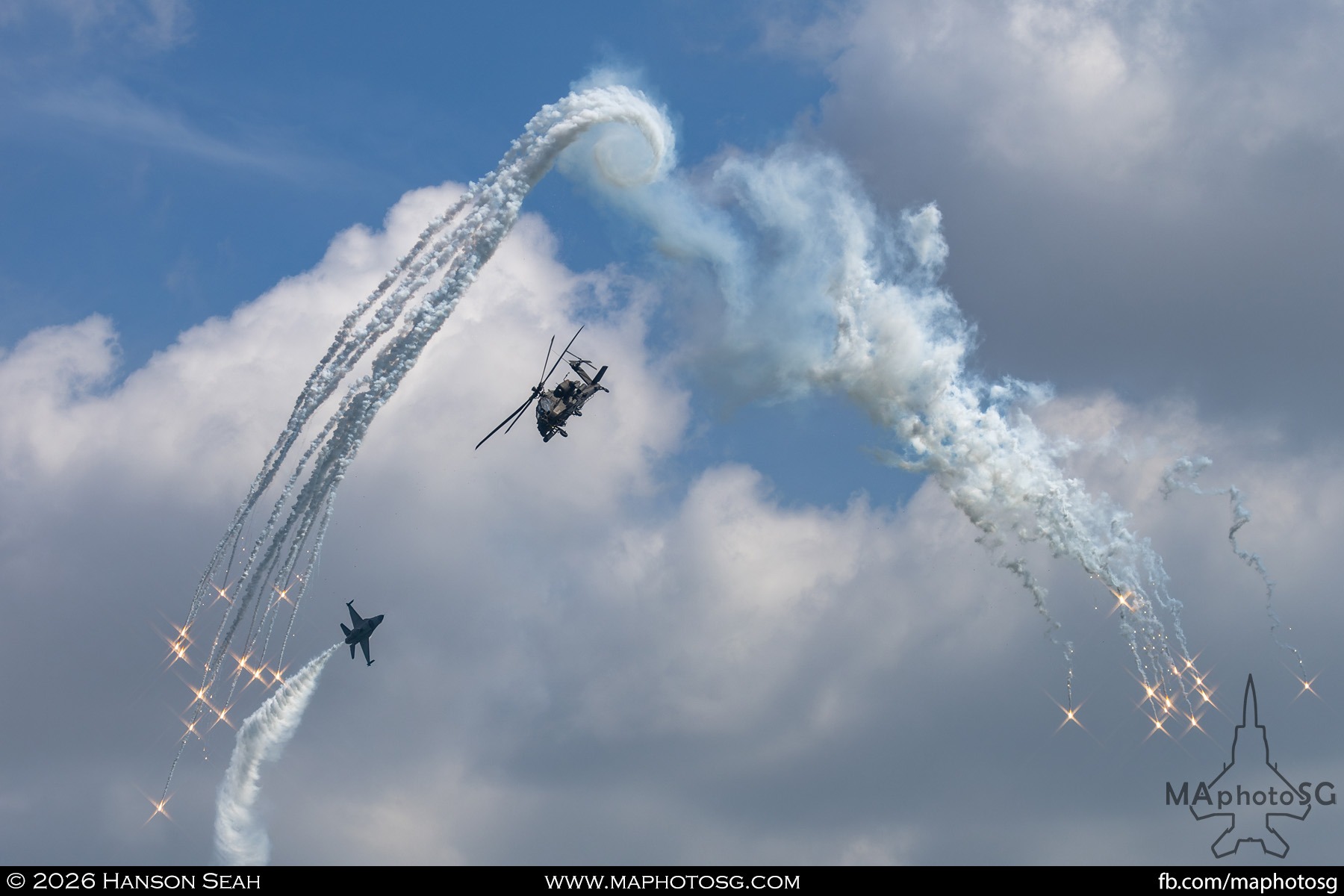
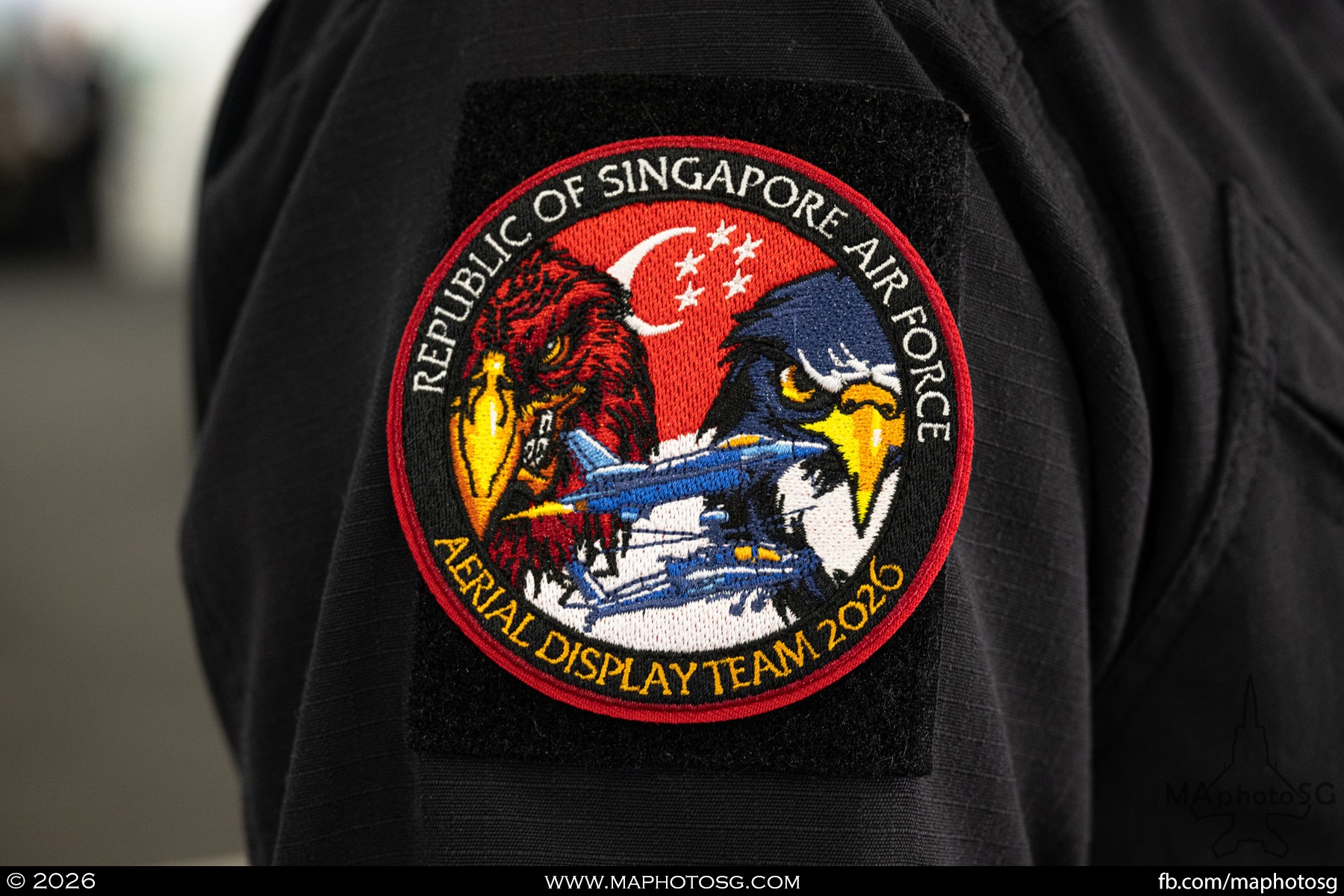
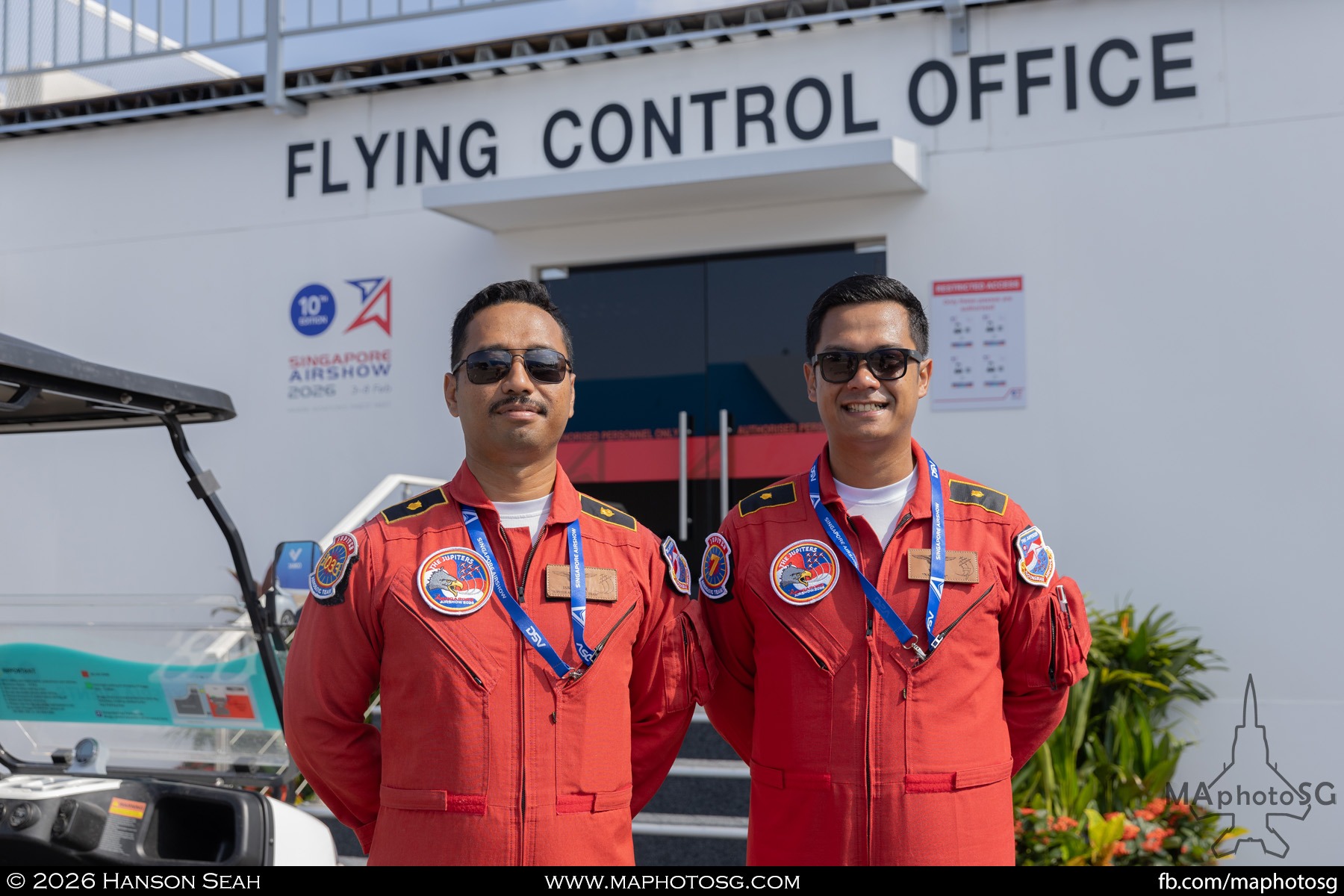
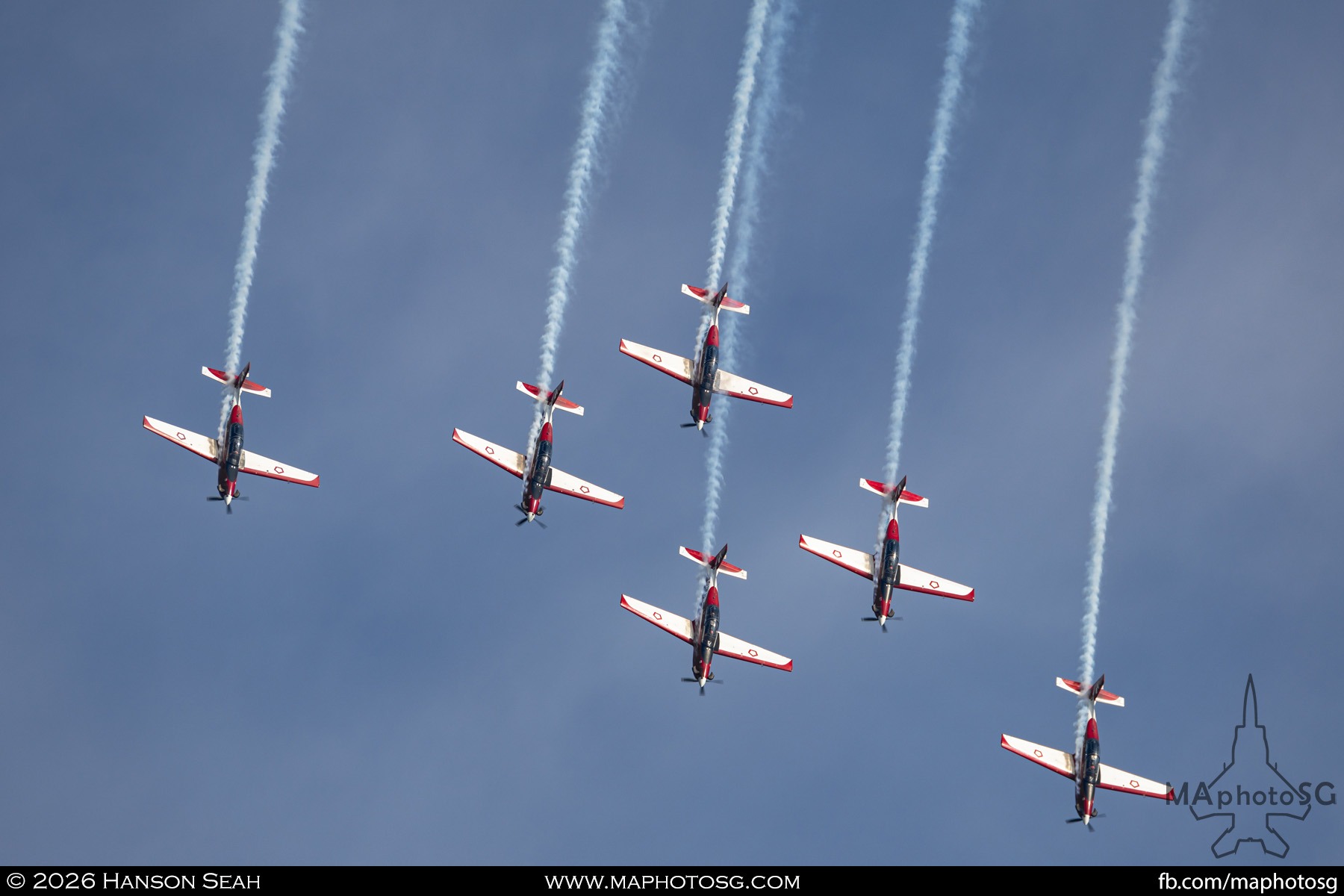
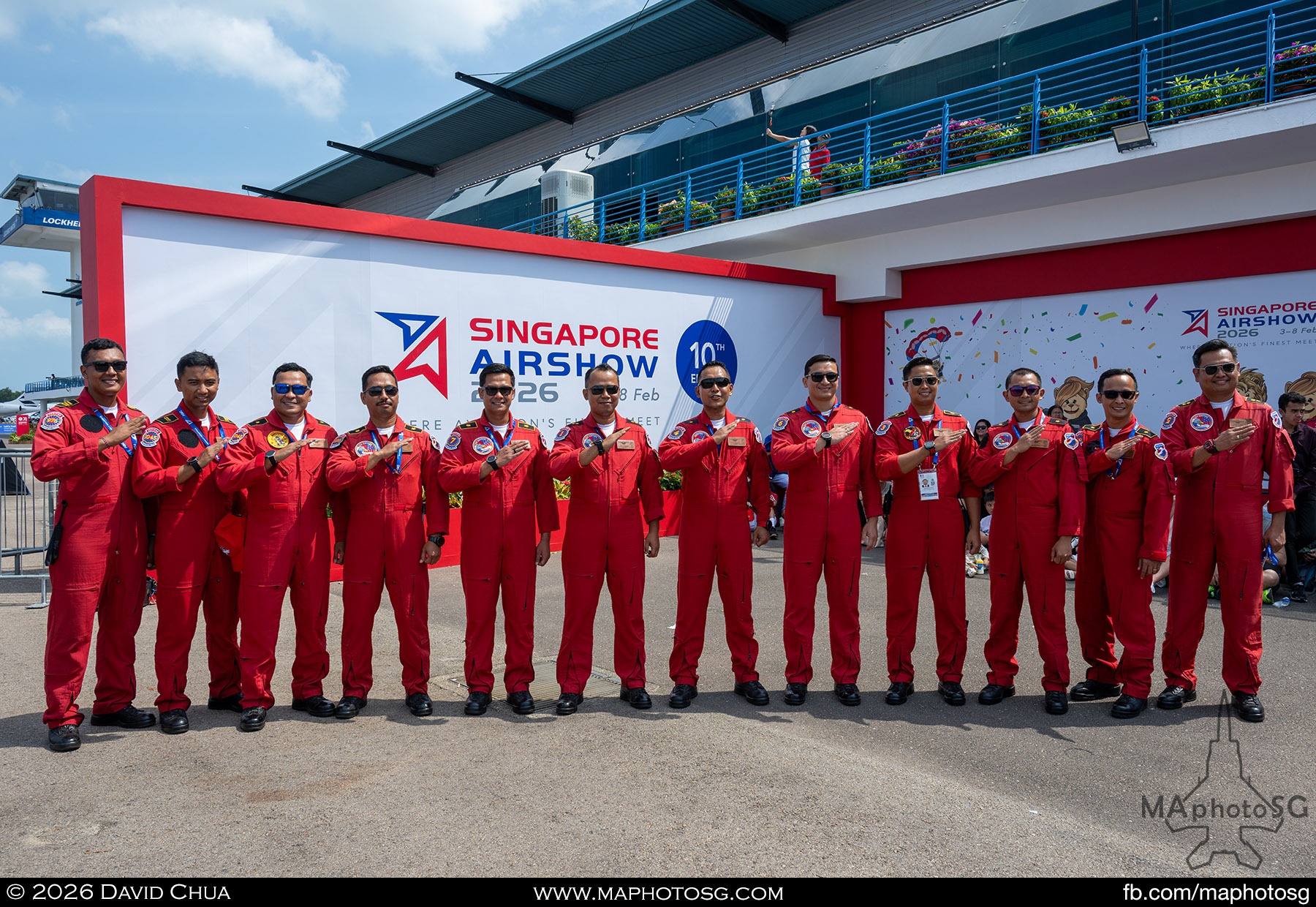
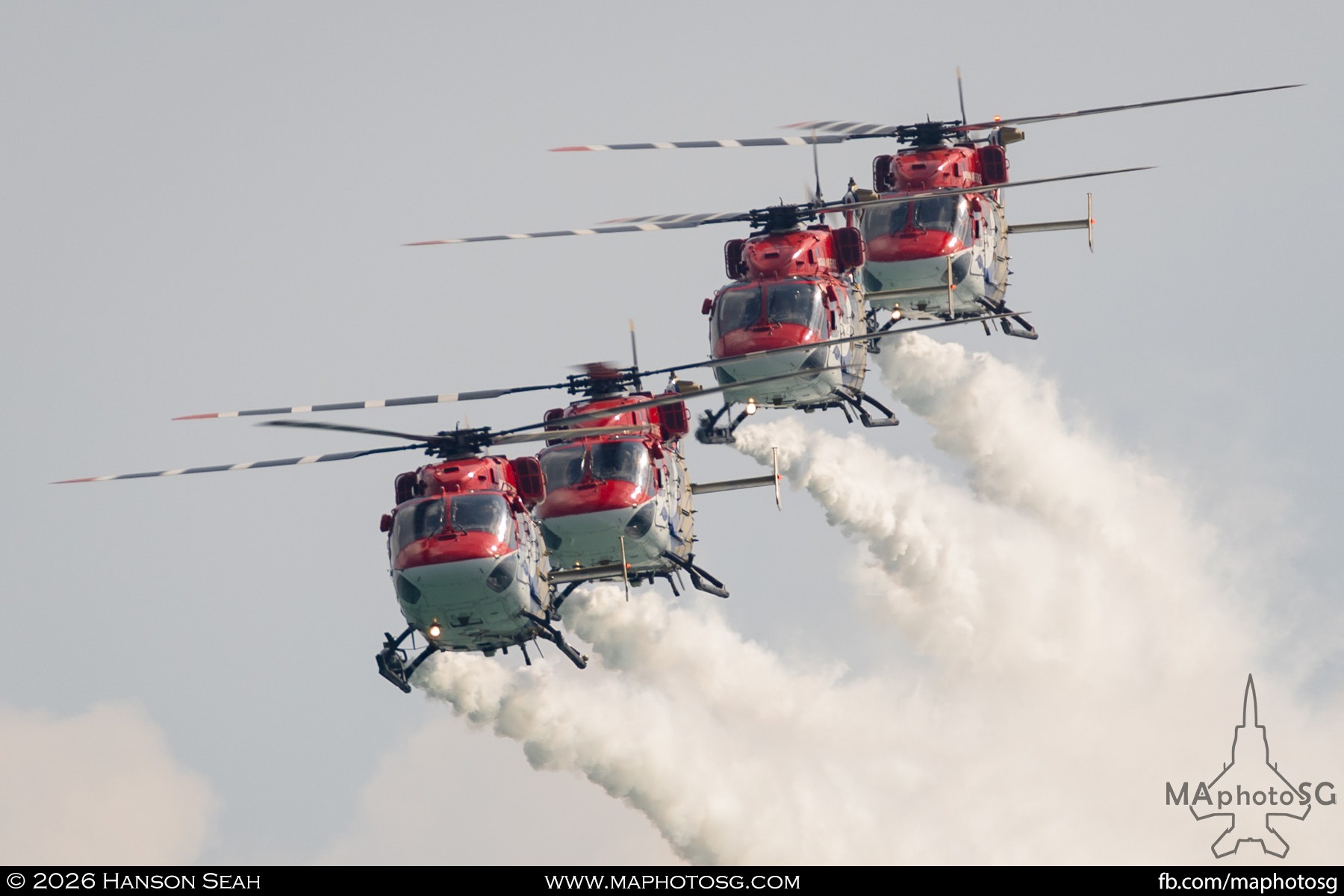
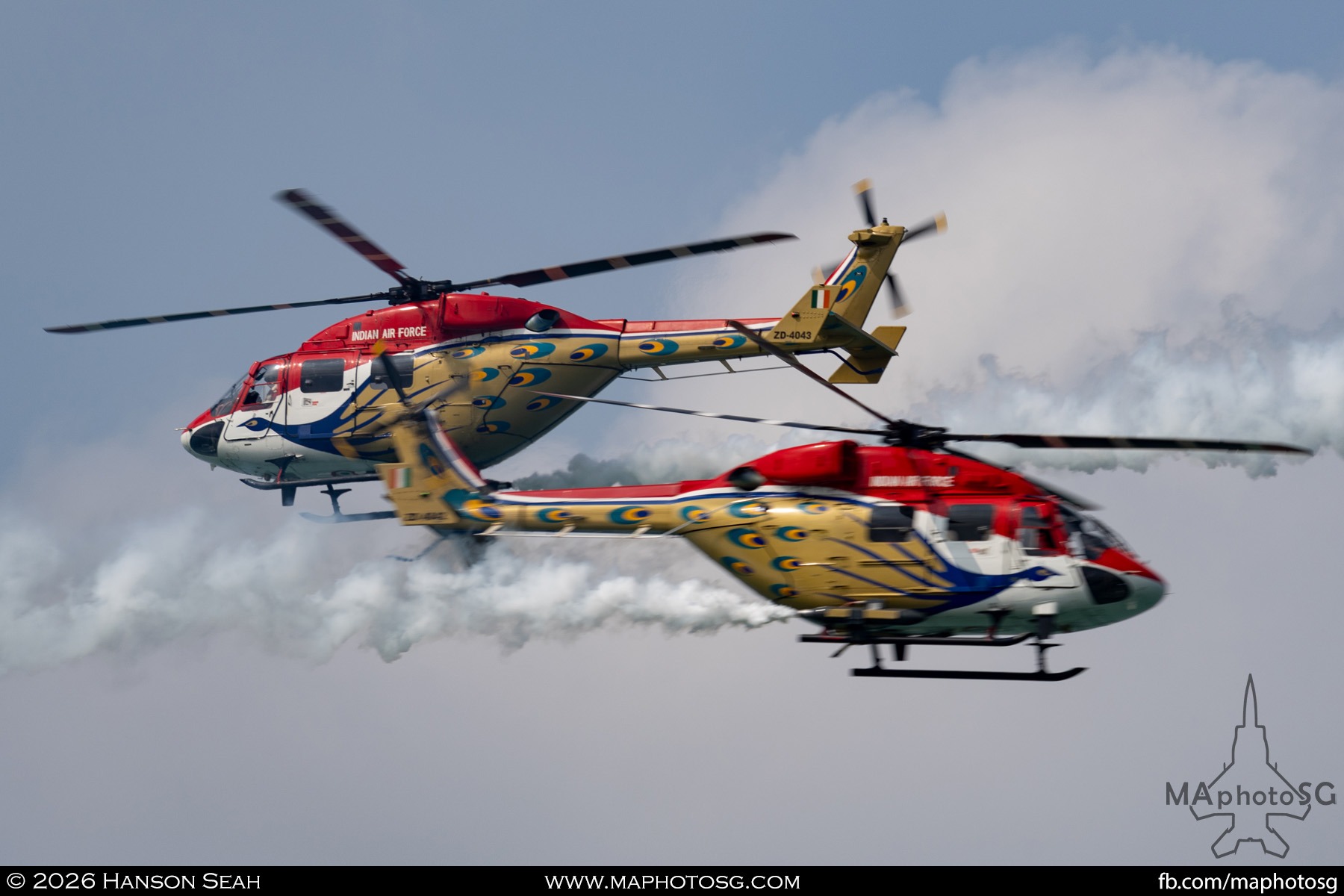
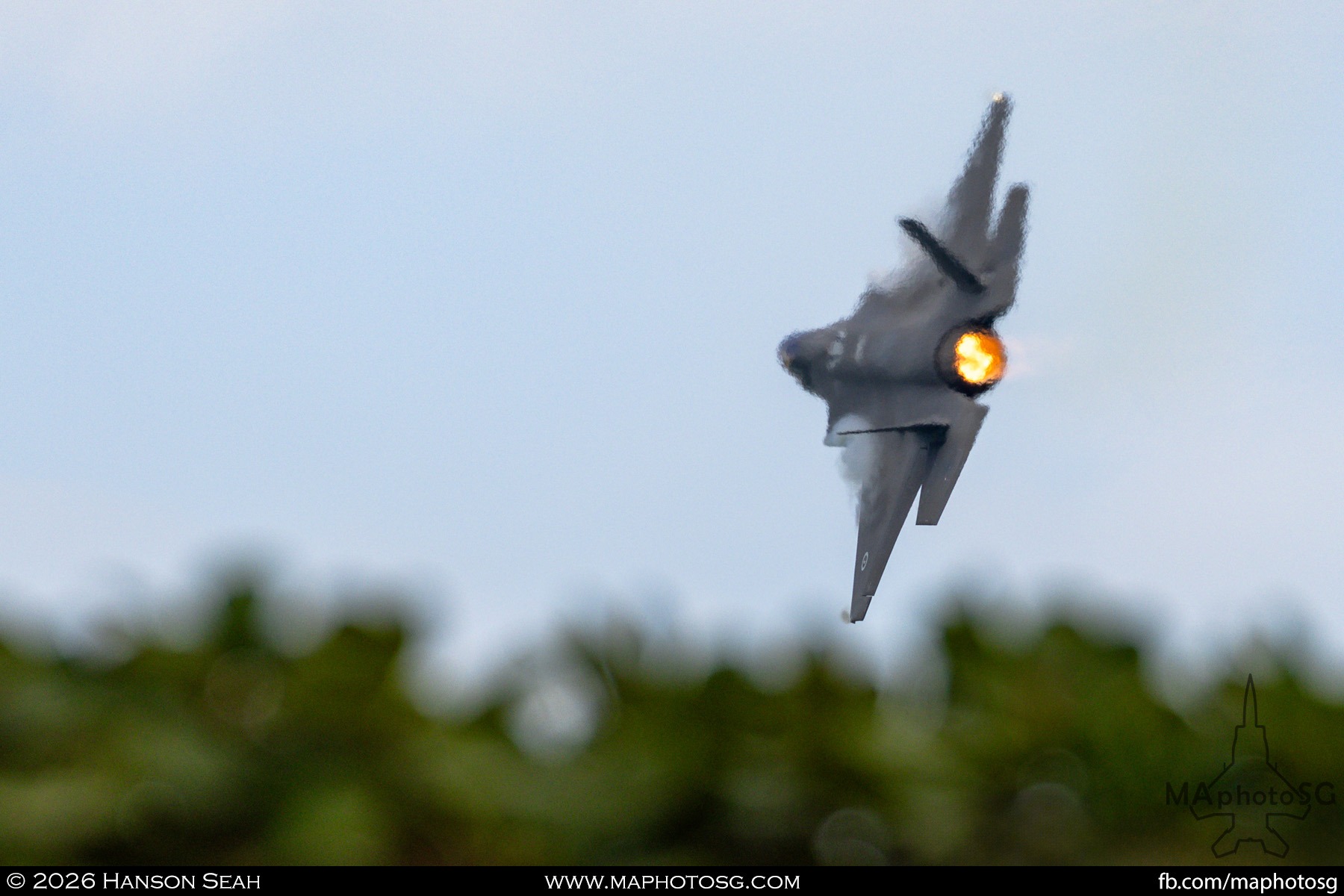
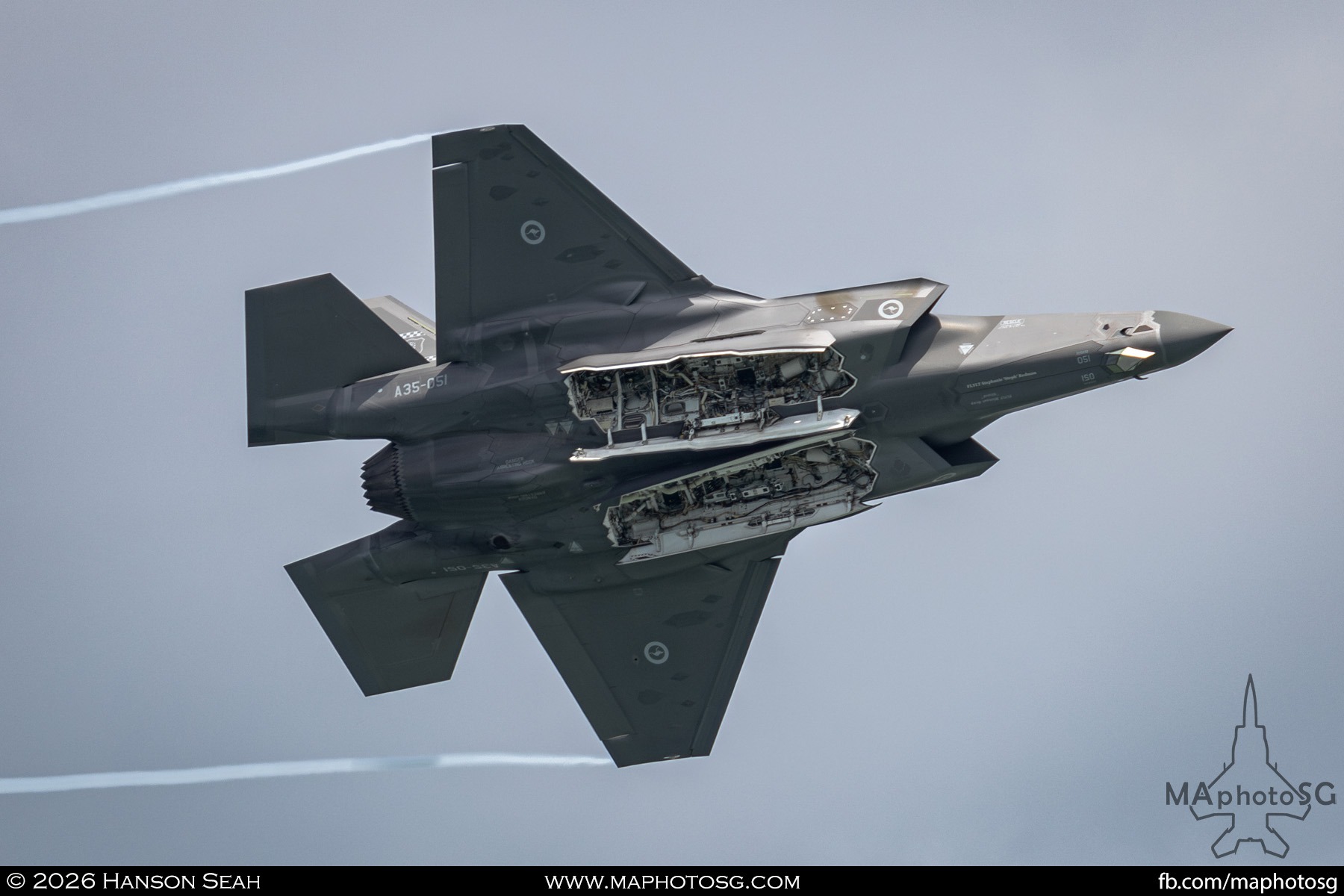
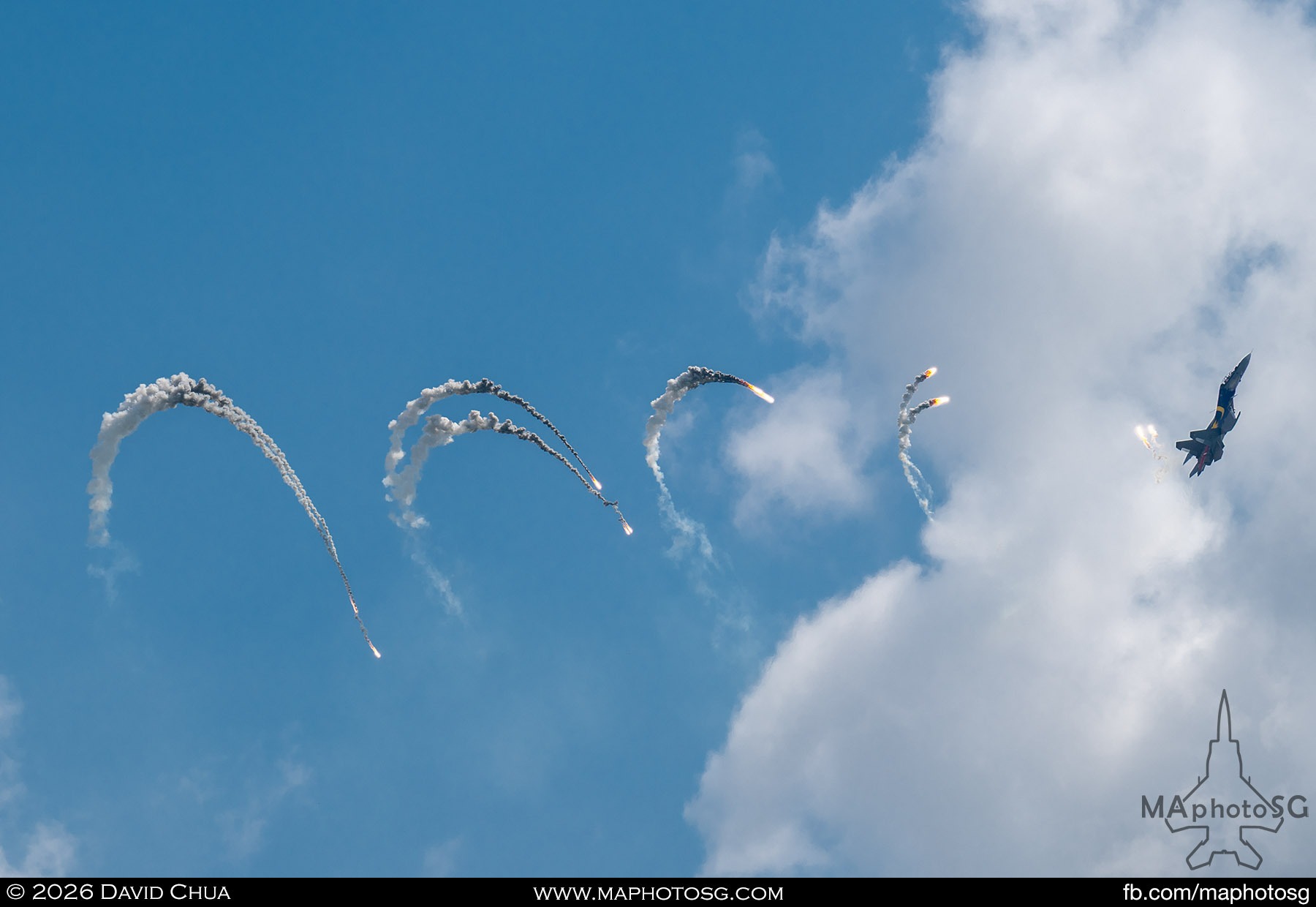
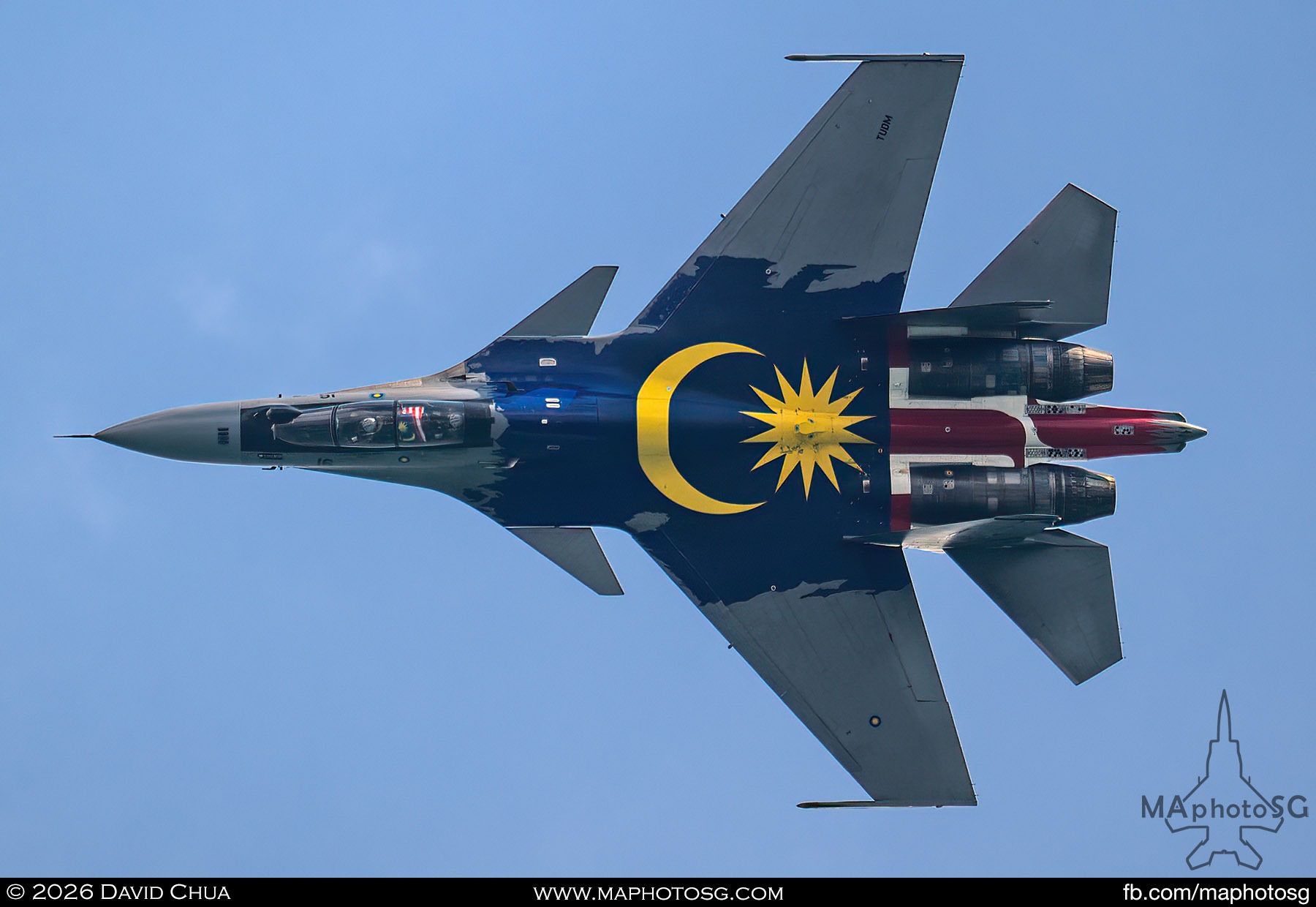
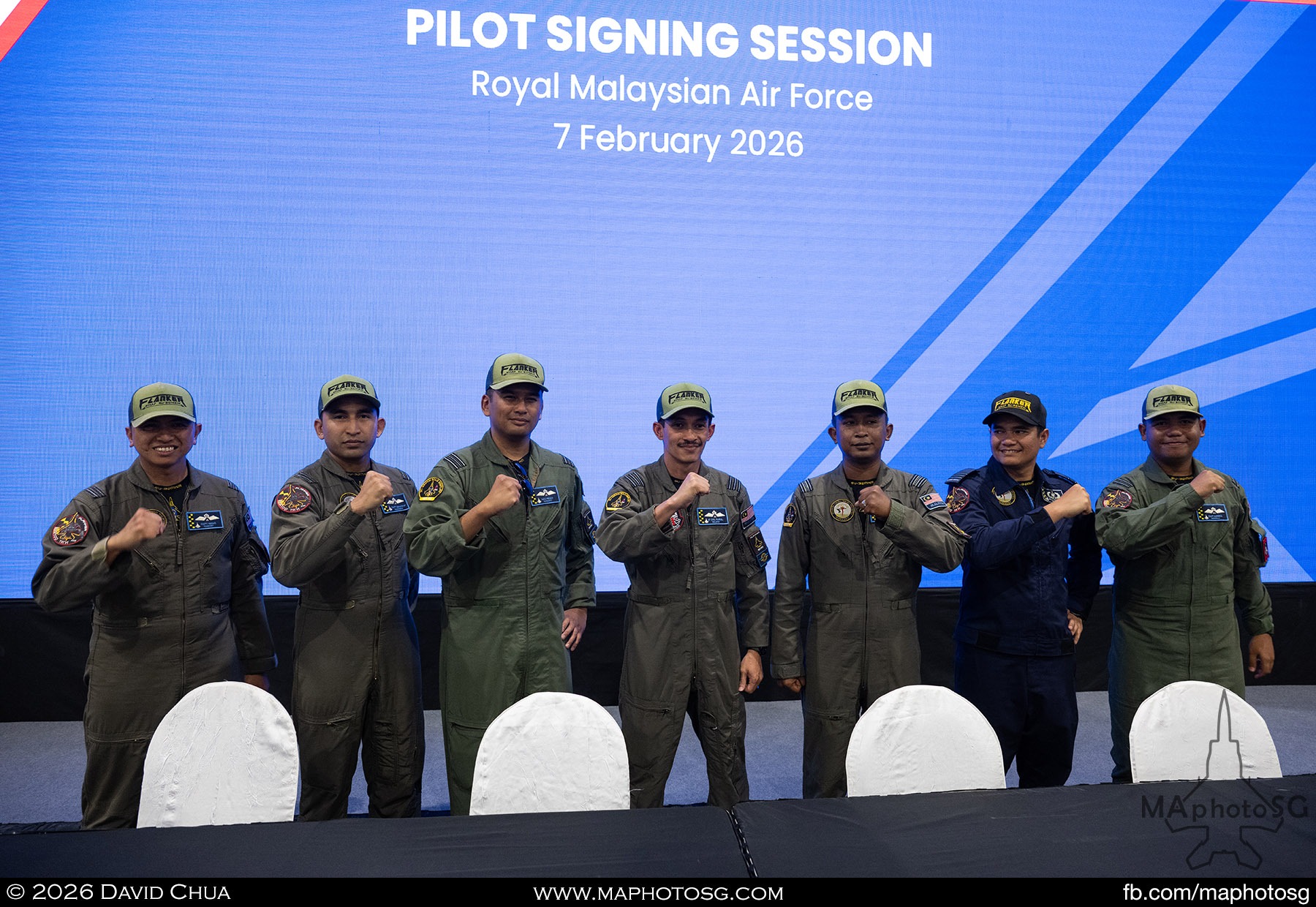
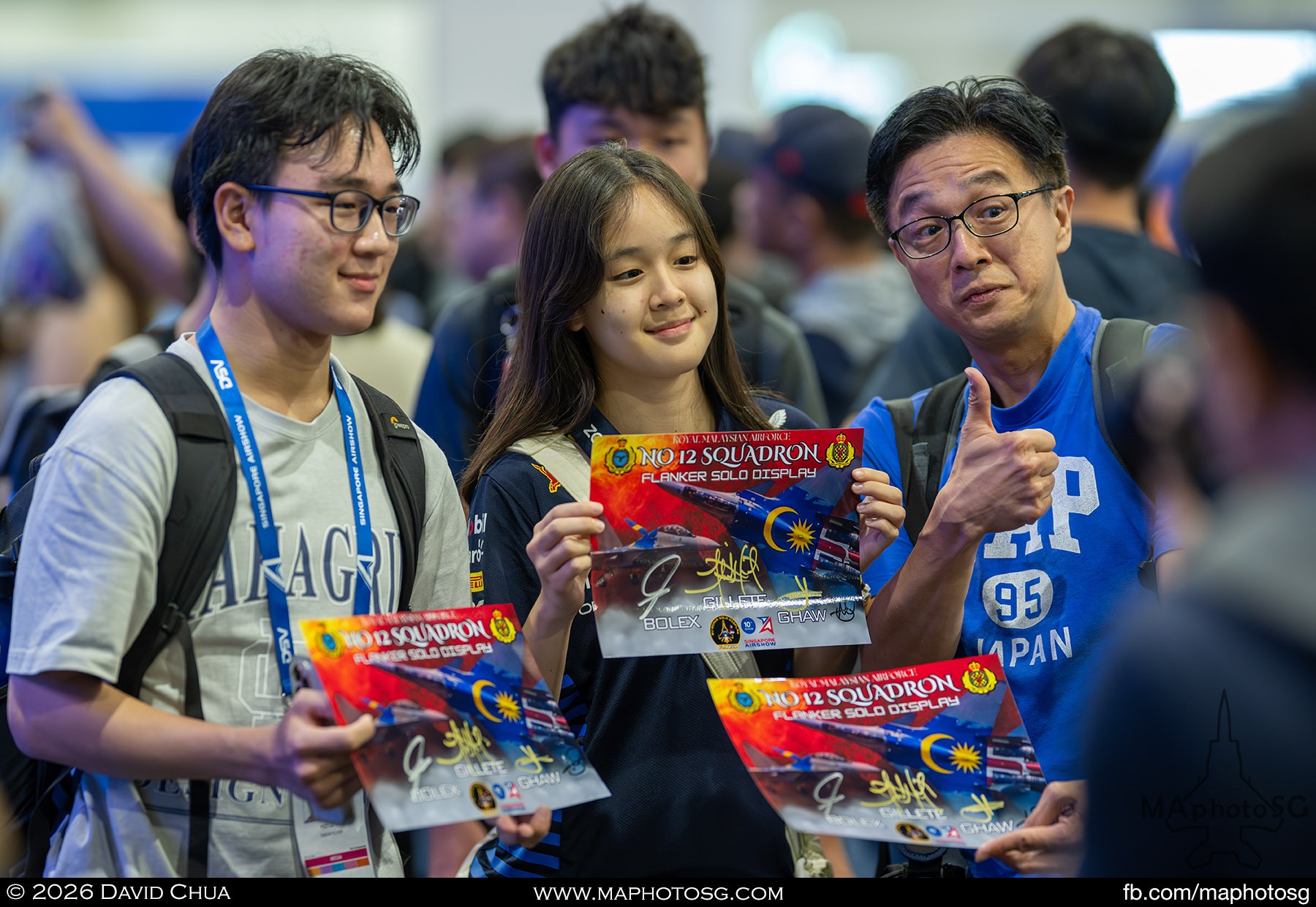
Spectators were treated to eight exhilarating aerial performances by six international air forces: the Republic of Singapore Air Force (RSAF) Aerial F-16C and AH-64D Aerial Display Team, the Indian Air Force (IAF) Sarang Helicopter Display Team, the Indonesian Air Force (IDAF/TNI AU) Jupiter Aerobatic Team, the People’s Liberation Army Air Force (PLAAF) Bayi Aerobatic Team, the Royal Australian Air Force (RAAF) F-35A, and the Royal Malaysian Air Force (RMAF/TUDM) SU-30MKM. While the Airbus A350-1000 and COMAC C919 conducted demonstration flights during the trade days, the public days marked a notable first: the COMAC C919 also put up a demonstration flight on the first public day.
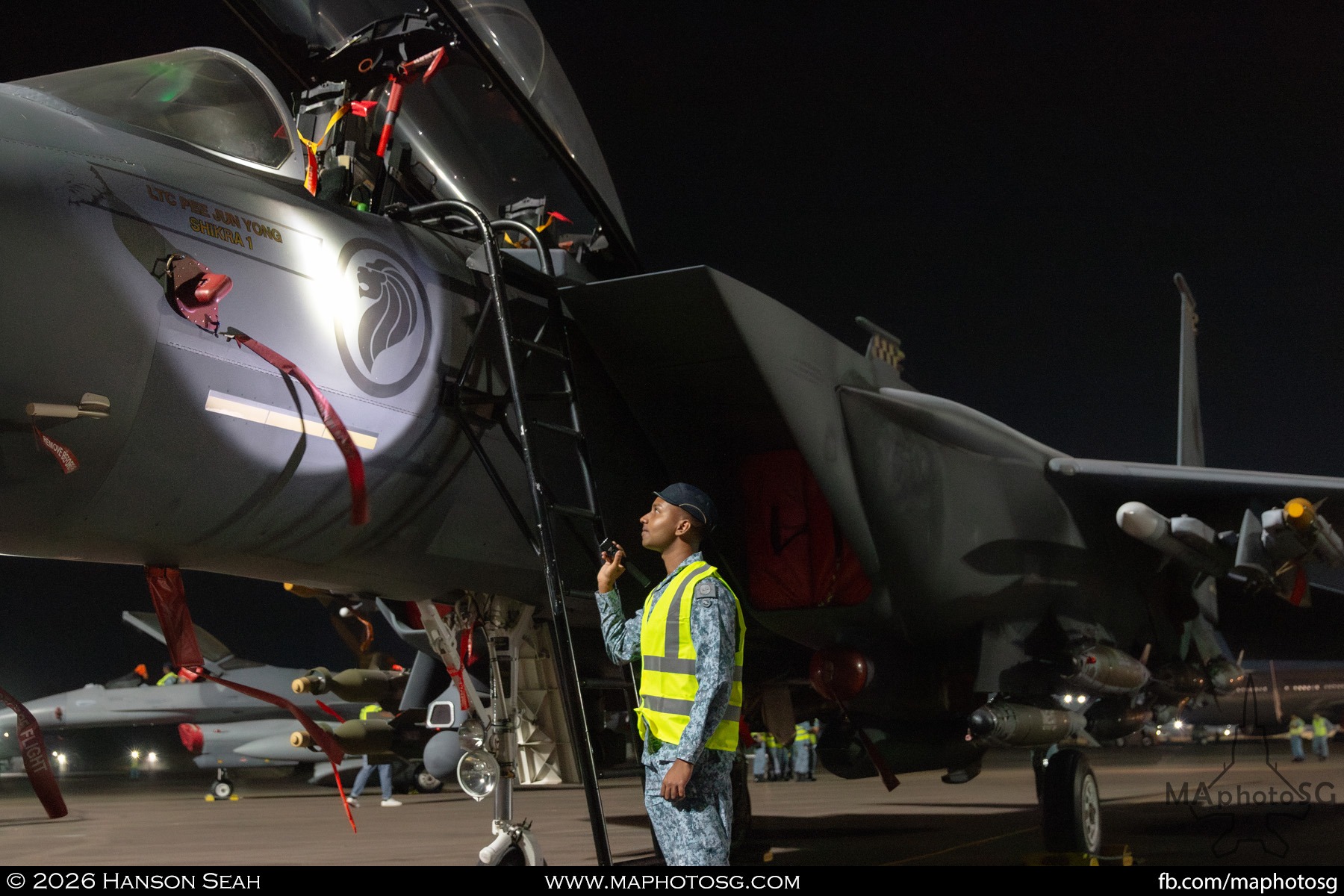
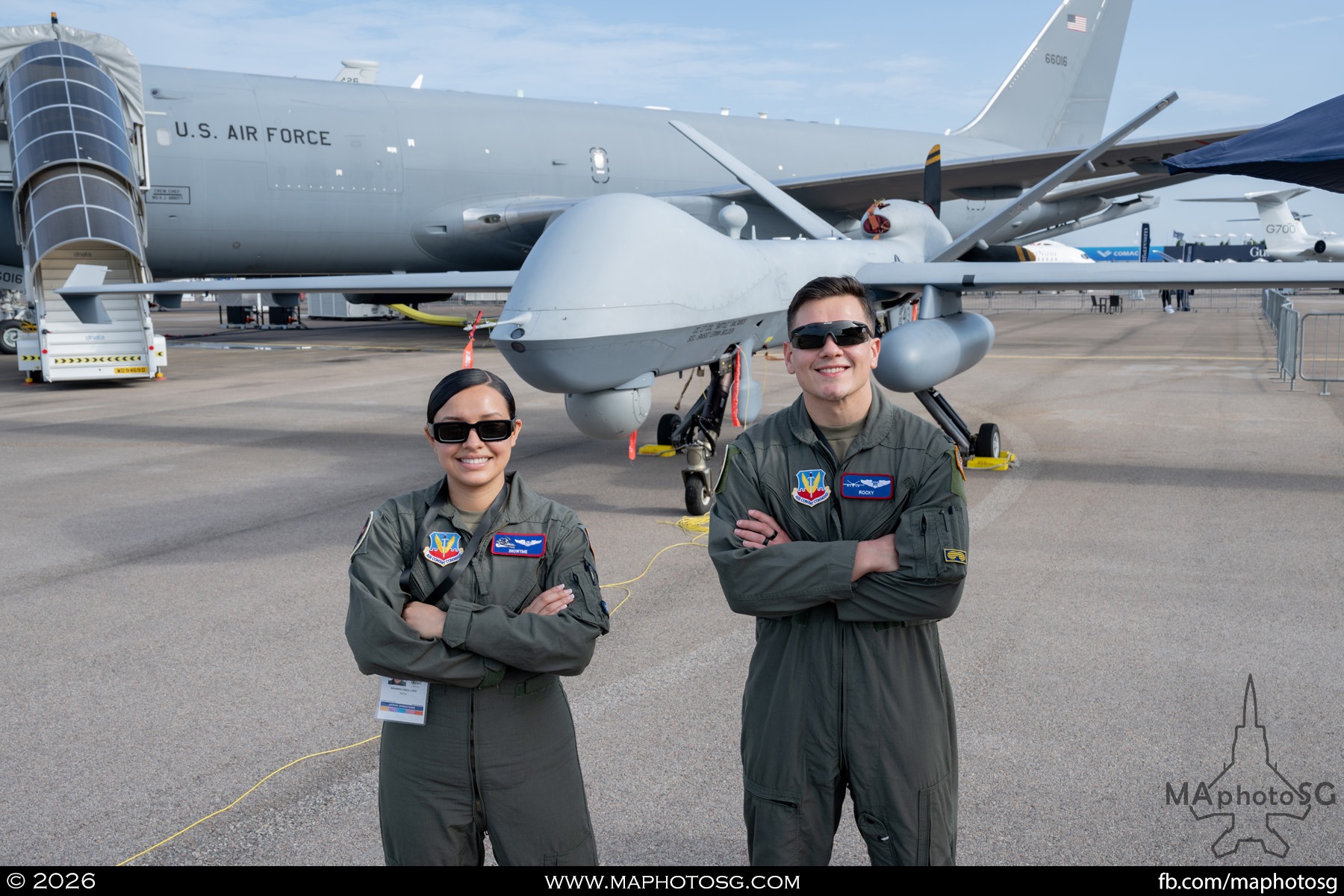
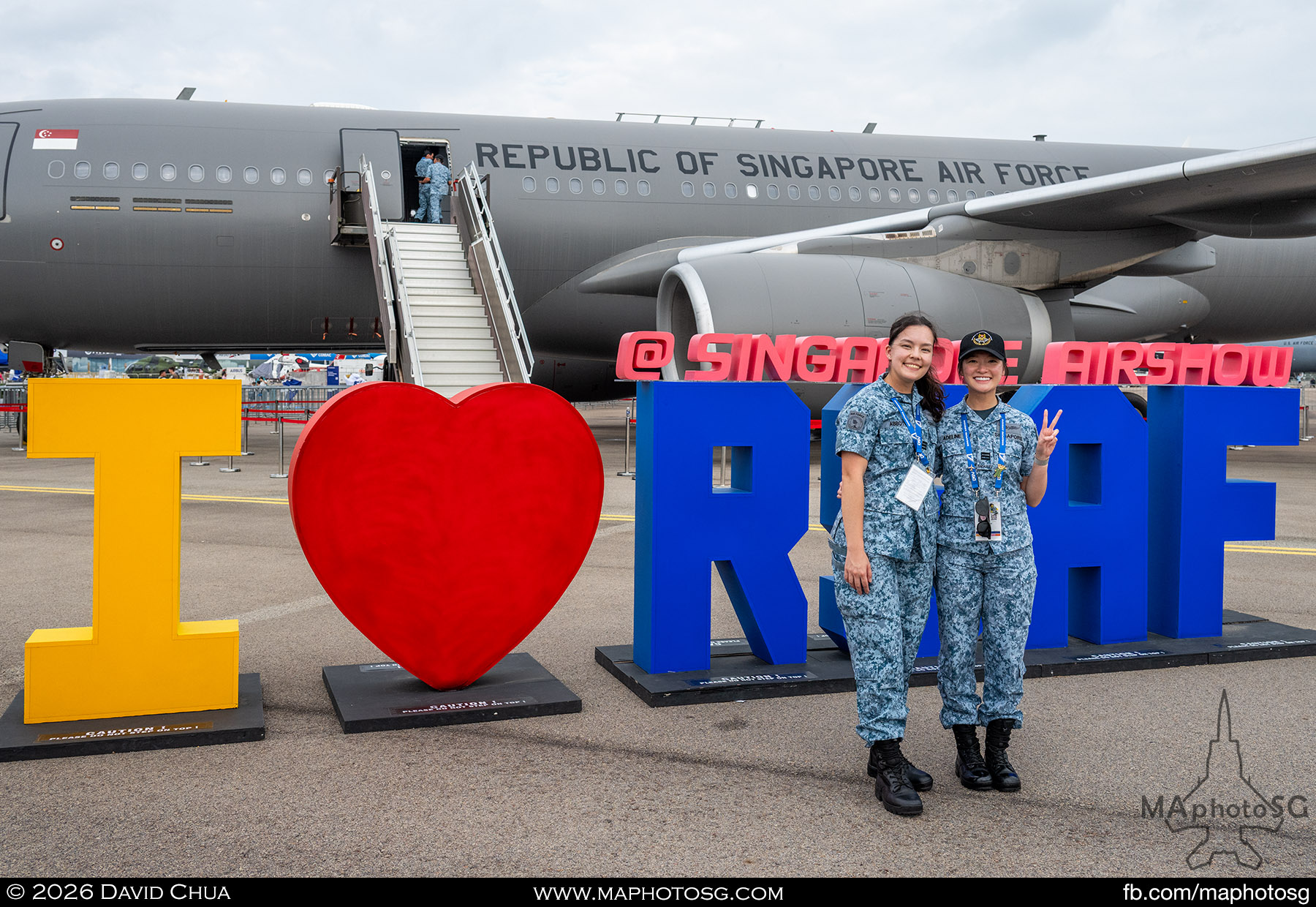
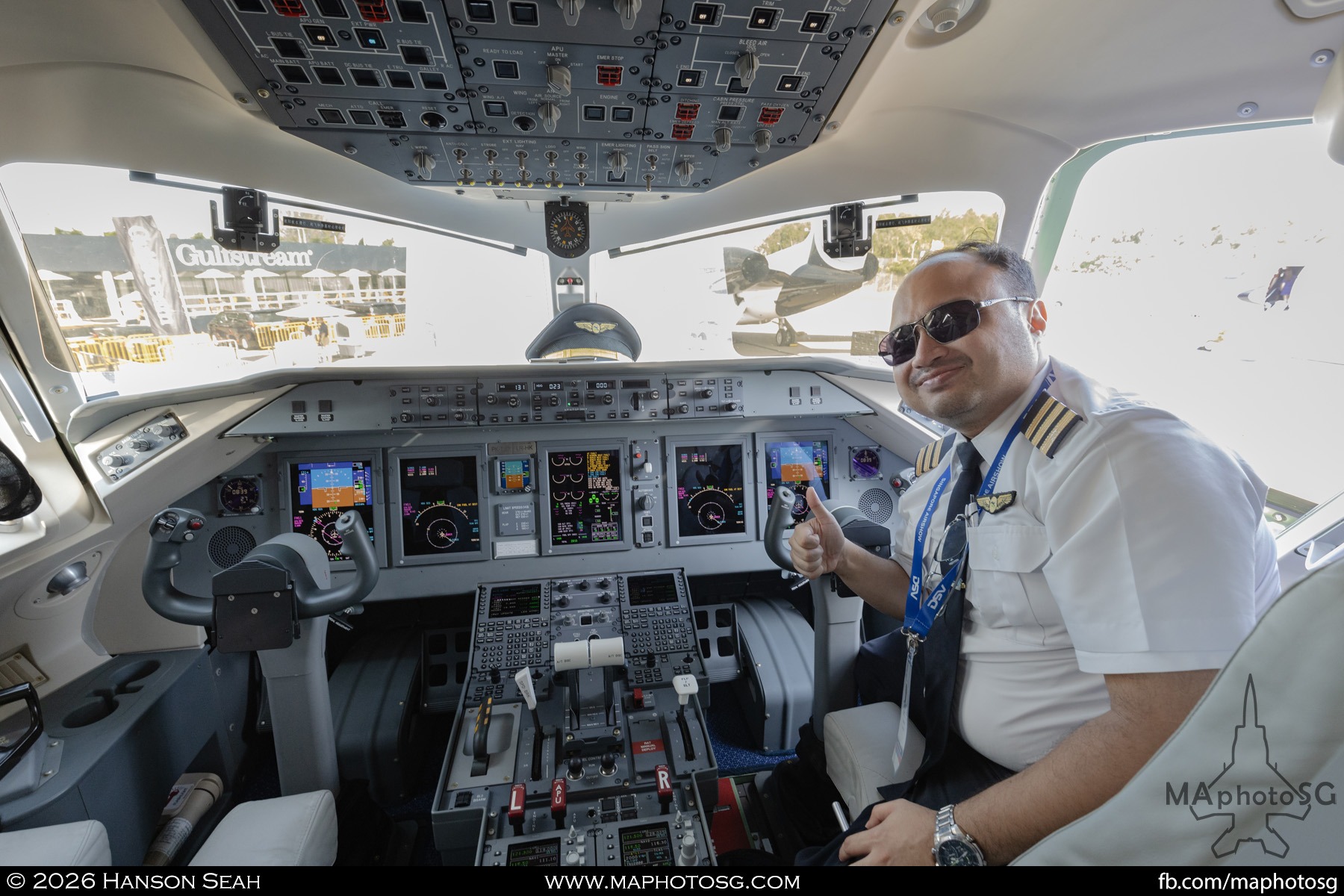
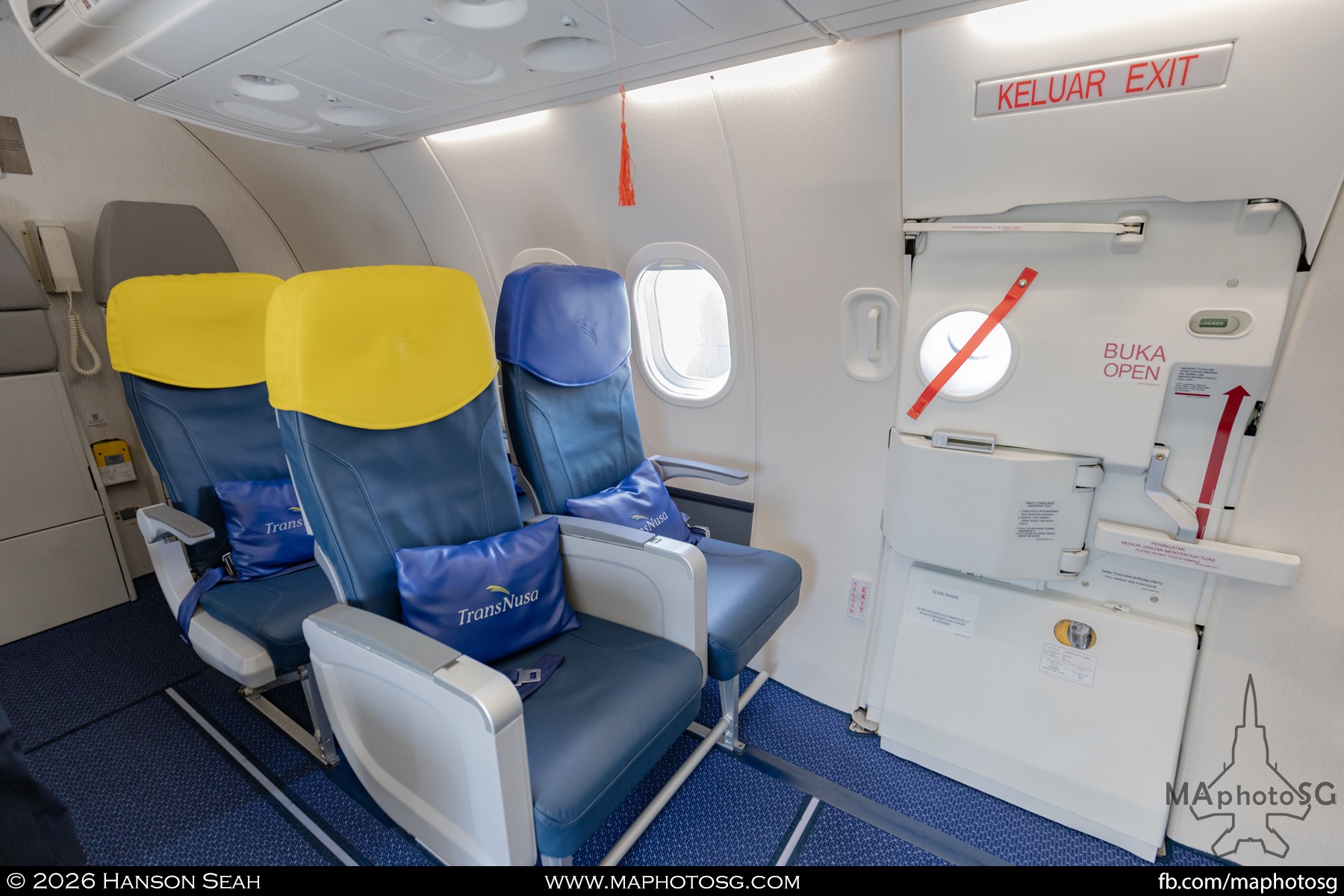
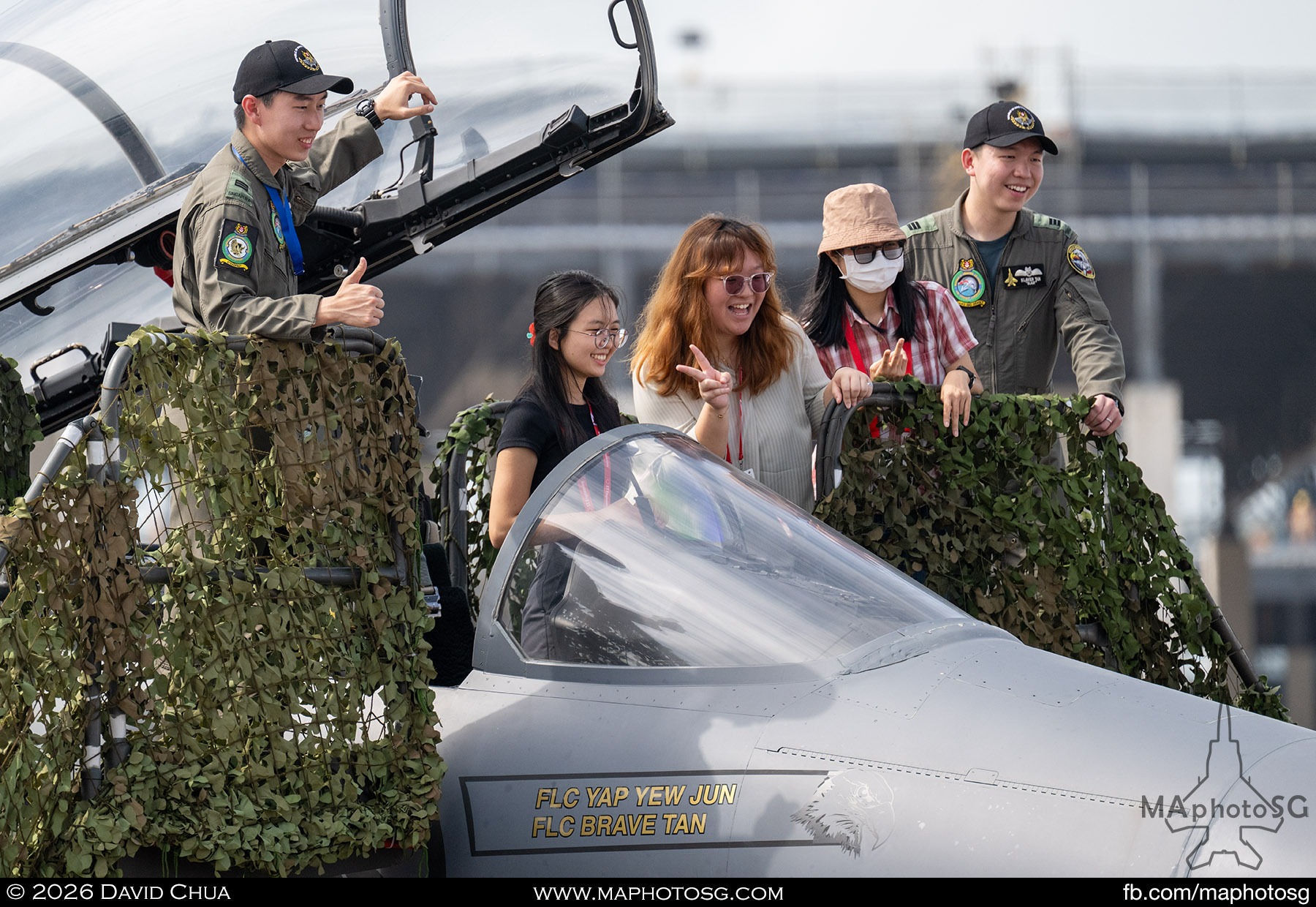
The public day static display line up boasted an impressive 33 aircrafts from 17 manufacturers. Some were first time participants to Singapore Airshow, such as the RSAF Hermes 900, a first for the aircraft to be publicly displayed, while crowd favorites such as the RSAF F-15SG and F-16C saw long queues for photos in the cockpit.
Photo Gallery
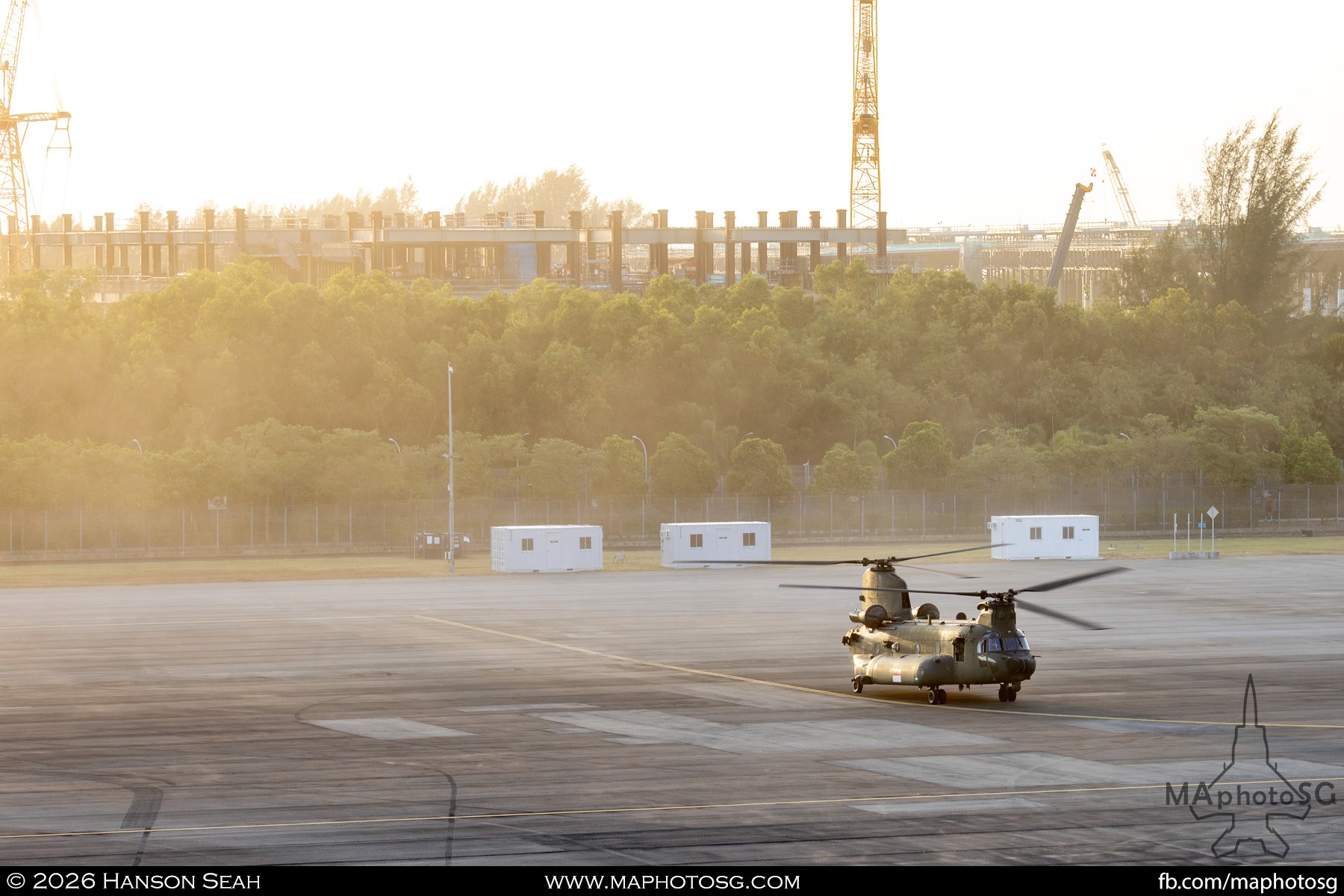
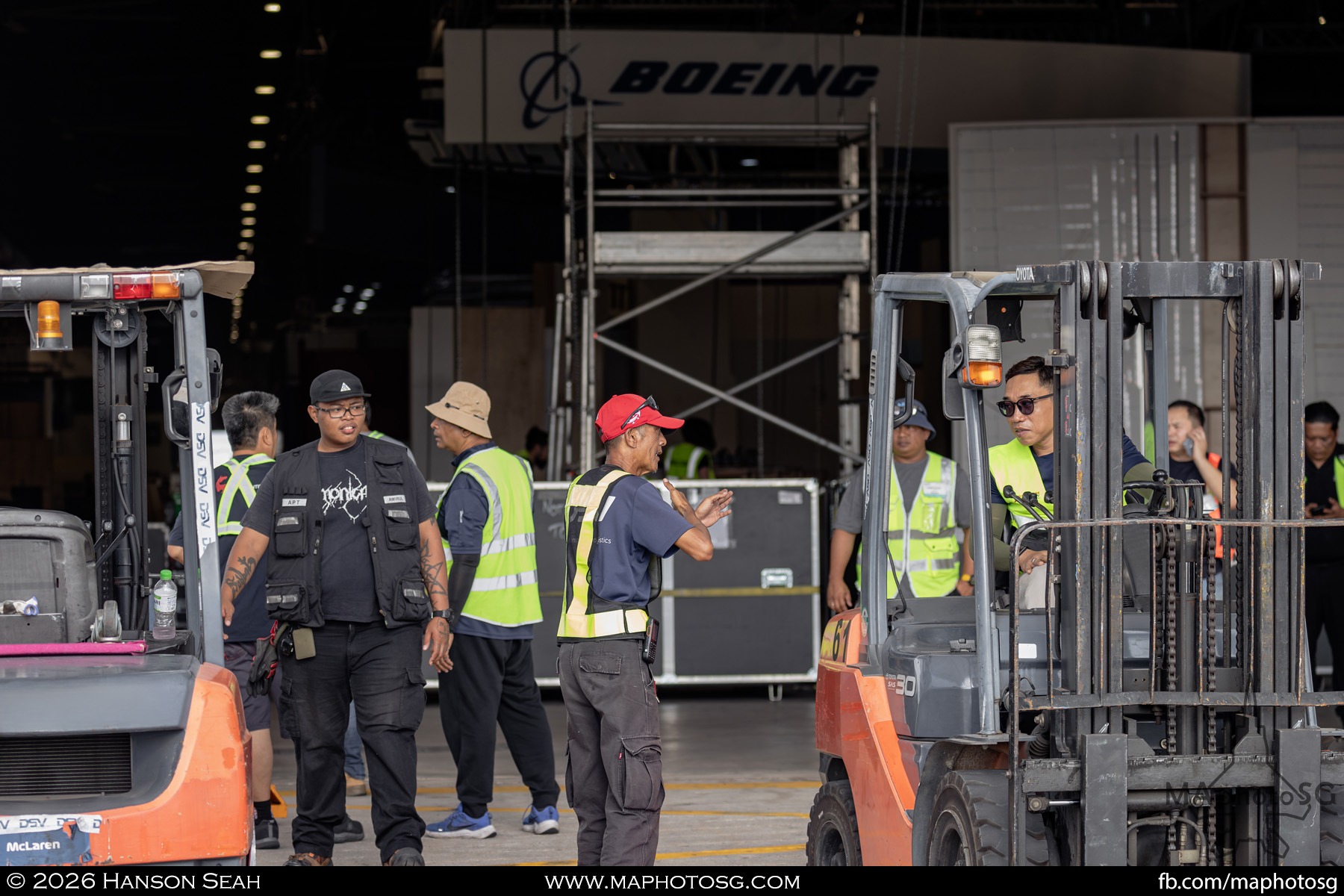
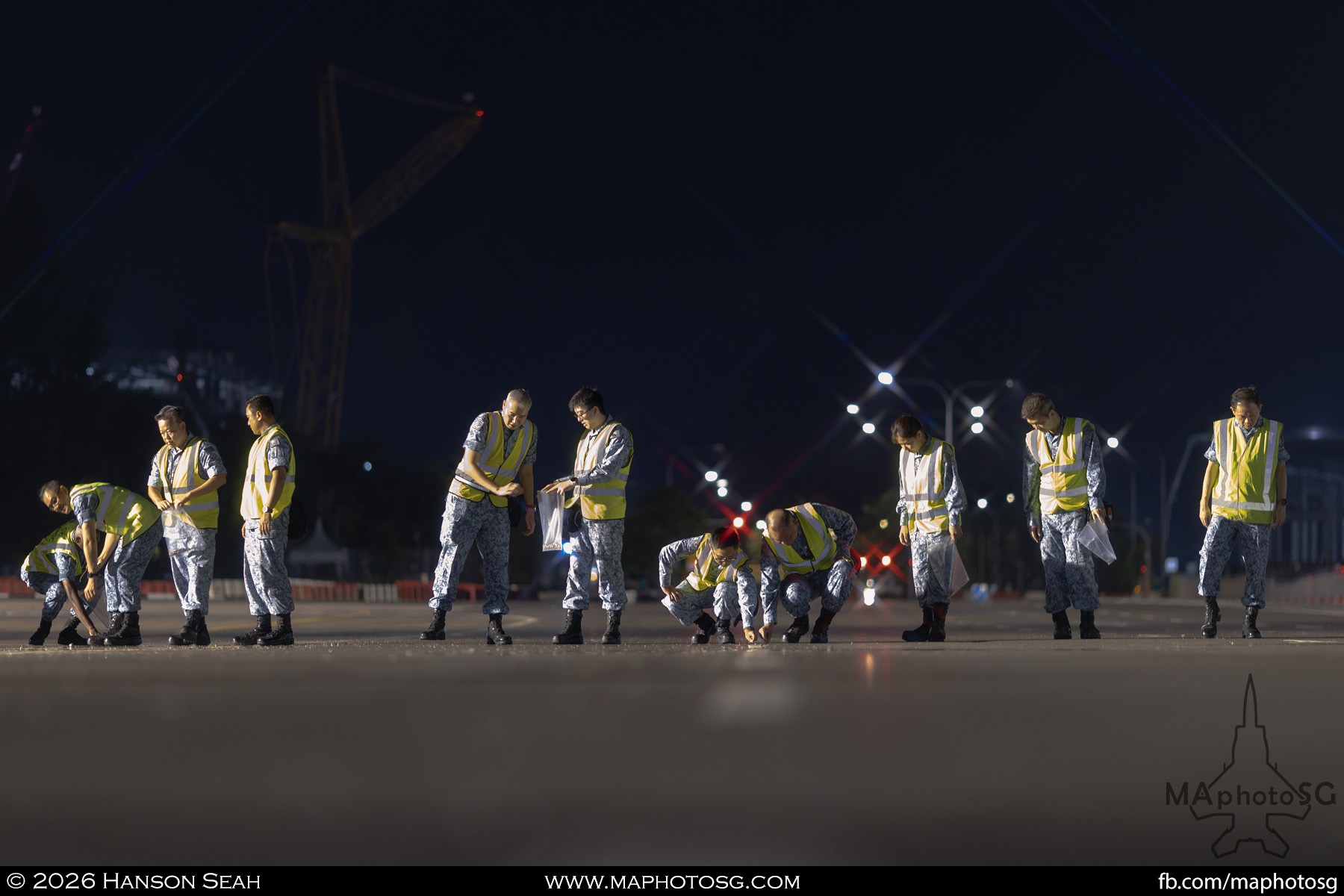
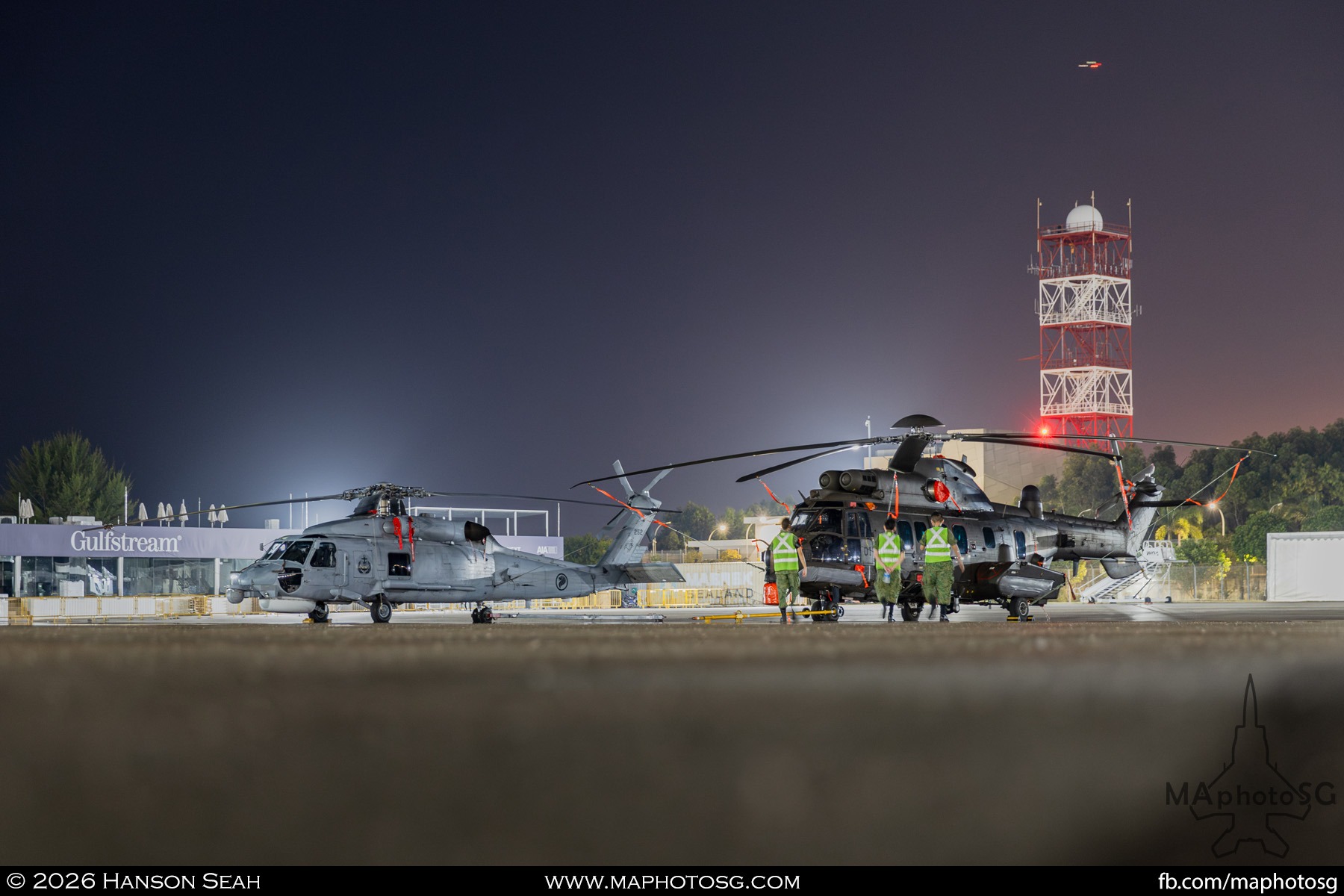
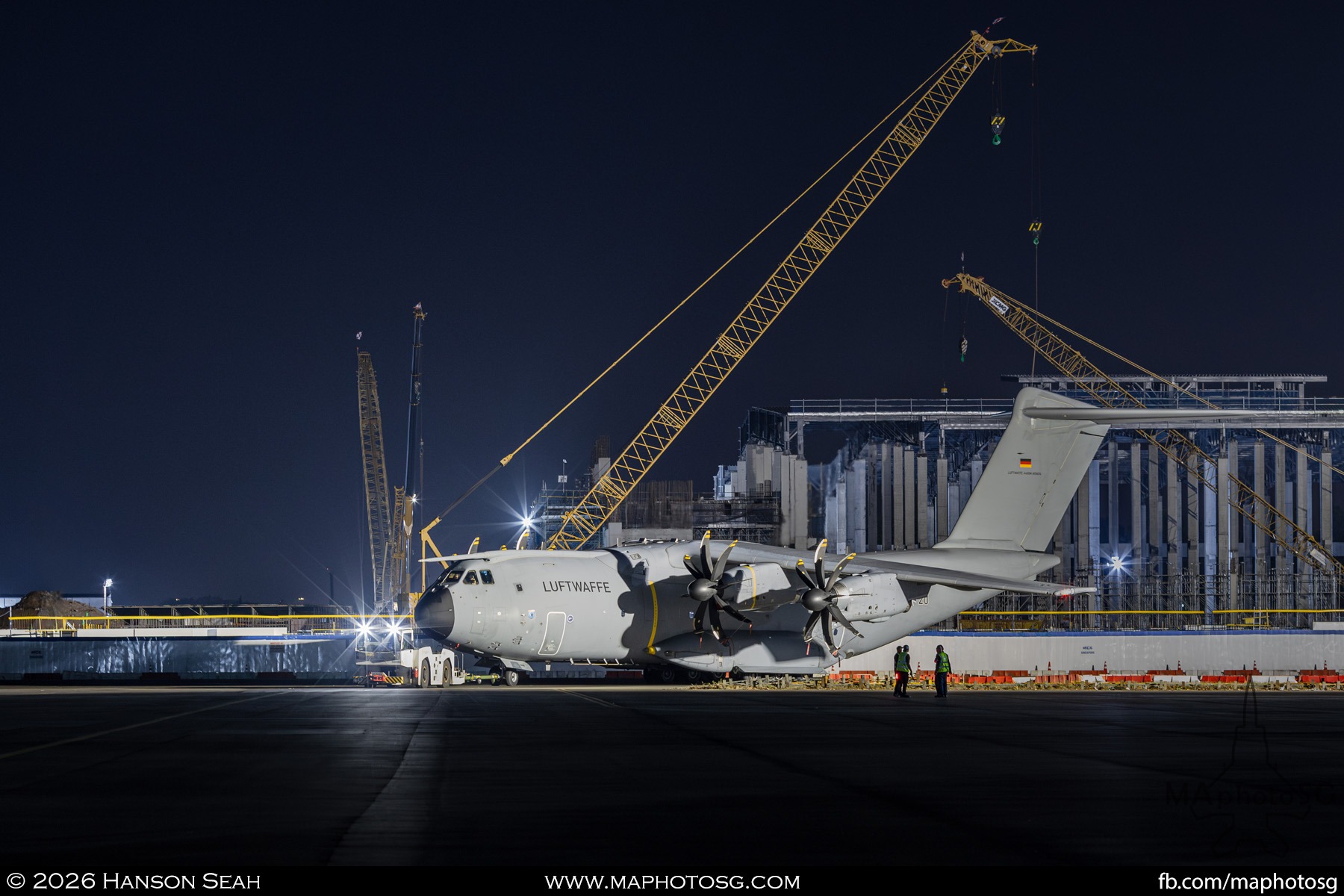
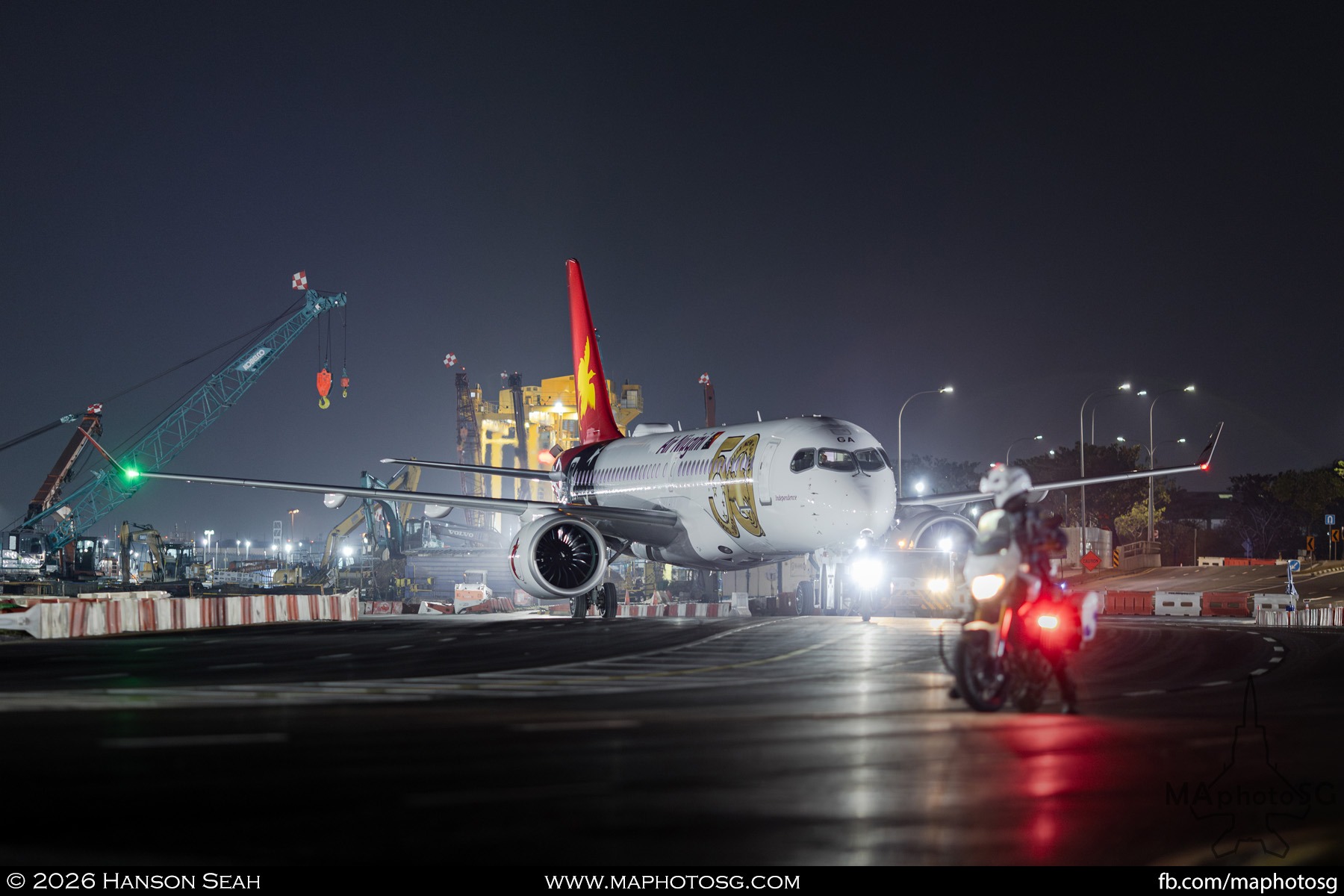
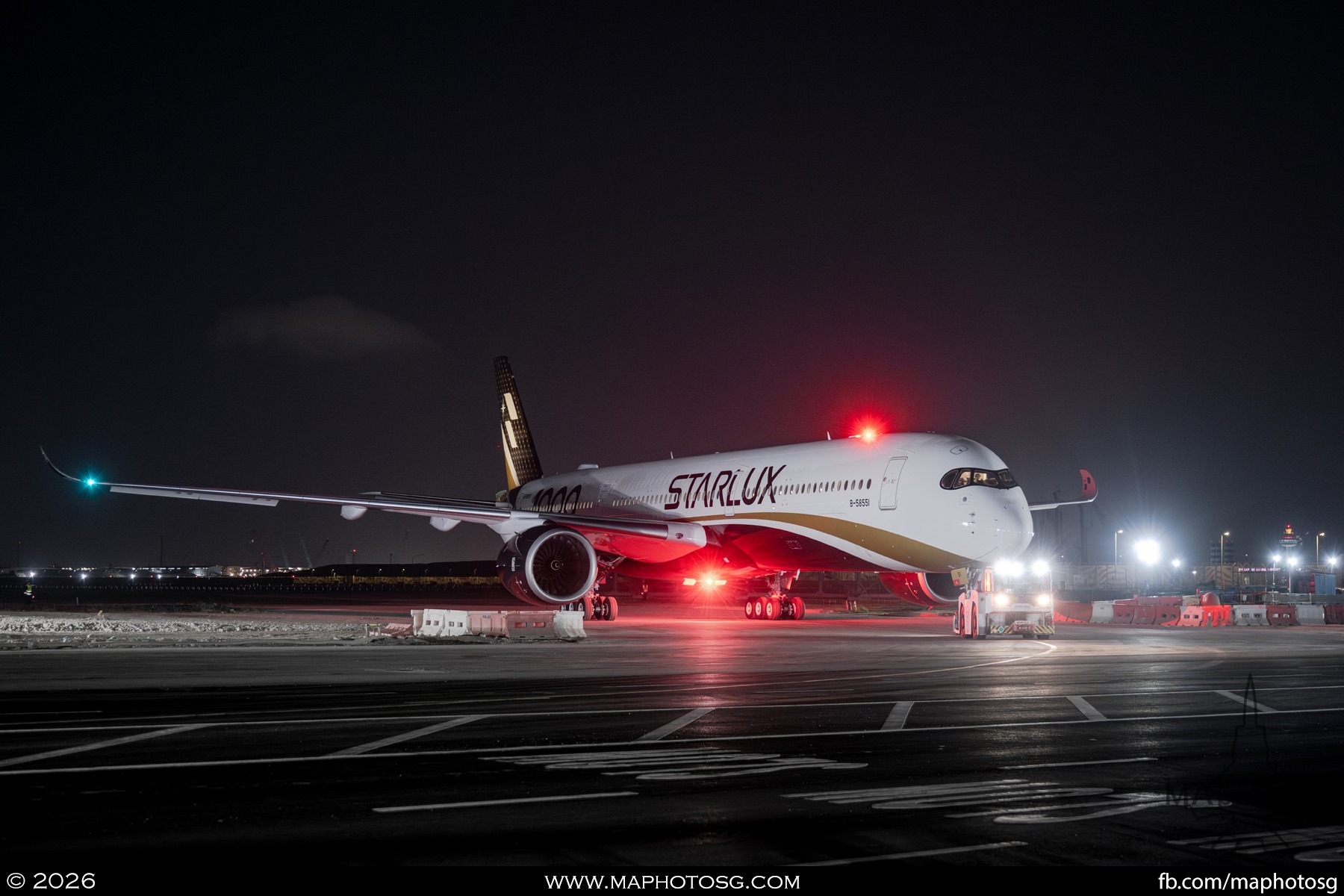
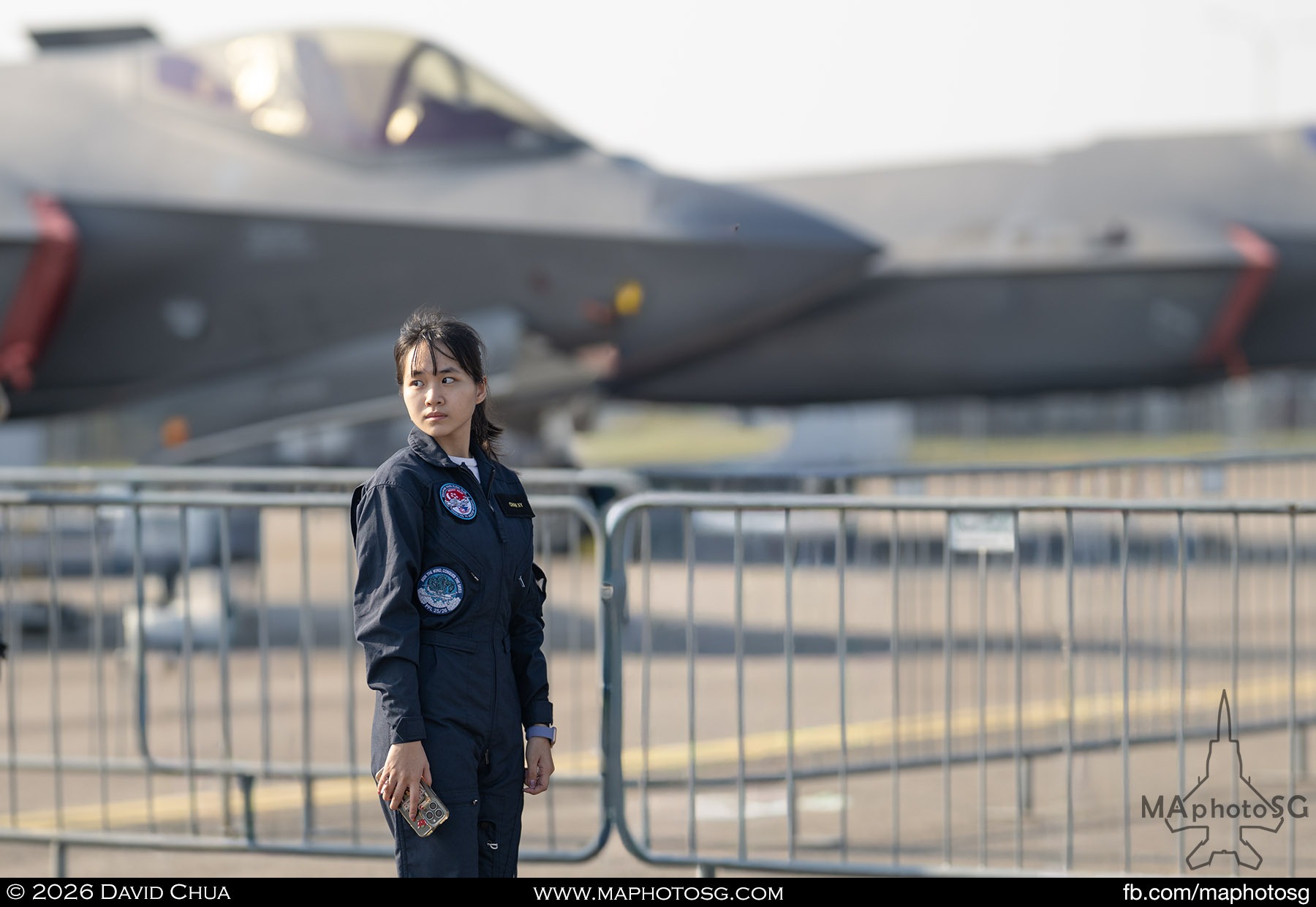
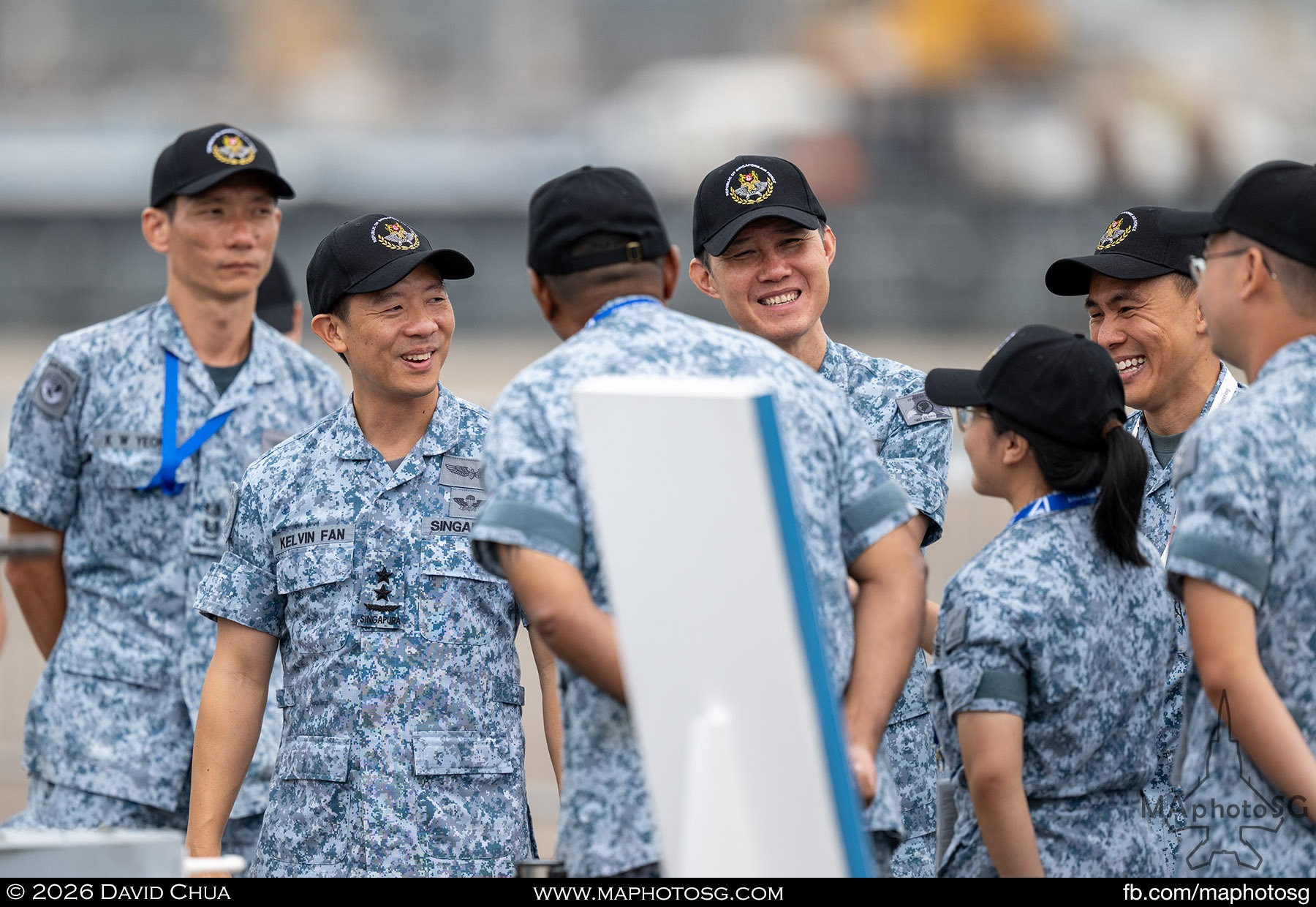
The MAphotoSG team was embedded across two week from 26 January to 8 February 2026, and is delighted to bring you an extensive photo summary of the Singapore Airshow 2026 below.