NEWS | 45 IMAGES
The Republic of Singapore Air Force (RSAF) celebrated its 57th anniversary with a plethora of activities at Paya Lebar Air Base (PLAB) and the adjoining Singapore Air Force Museum on 13 September 2025. The date was chosen to coincide with the September school holidays and the month of the RSAF’s founding (then known as the Singapore Air Defence Command, established on 1 September 1968).
Air Force Day @ Air Force Museum
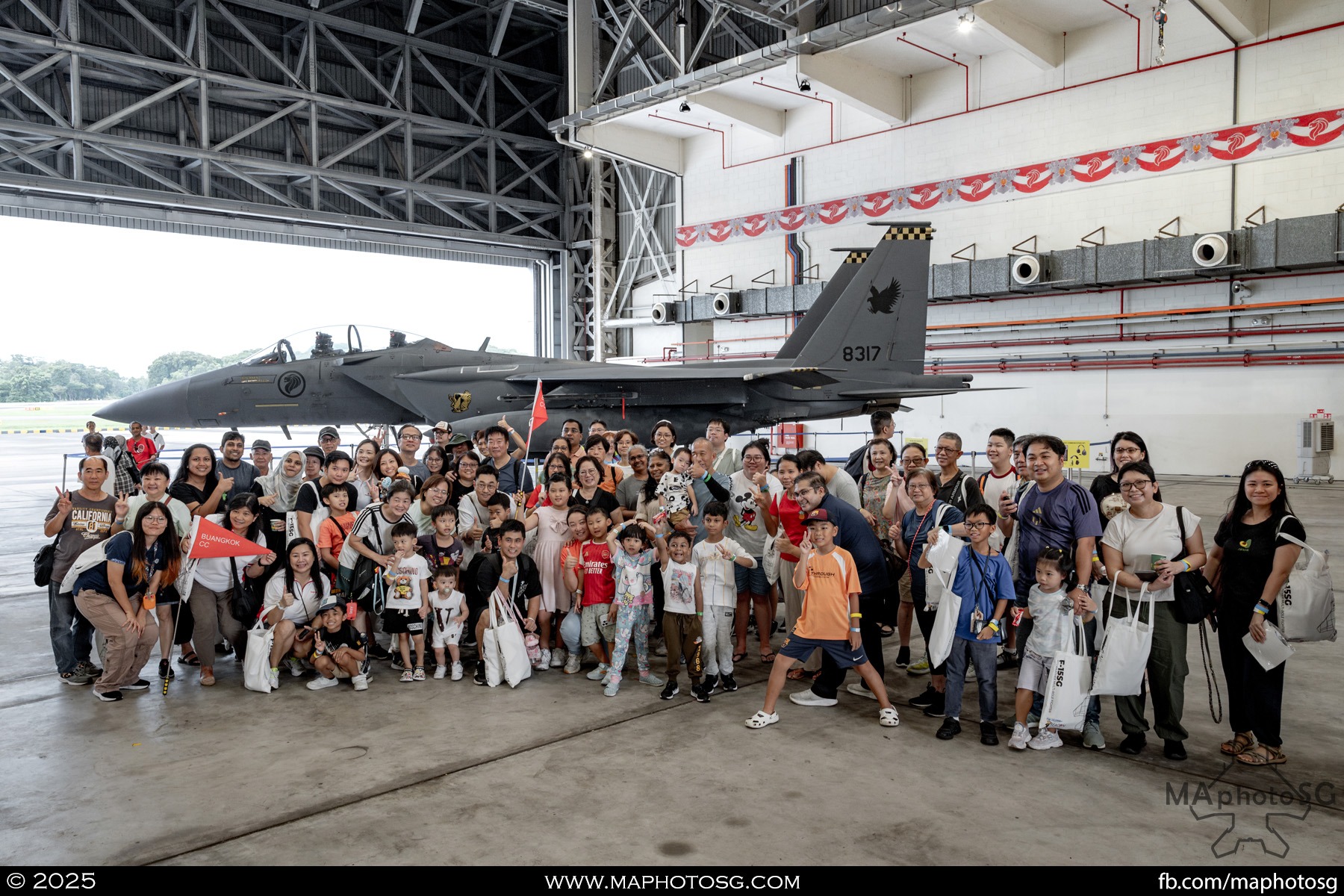
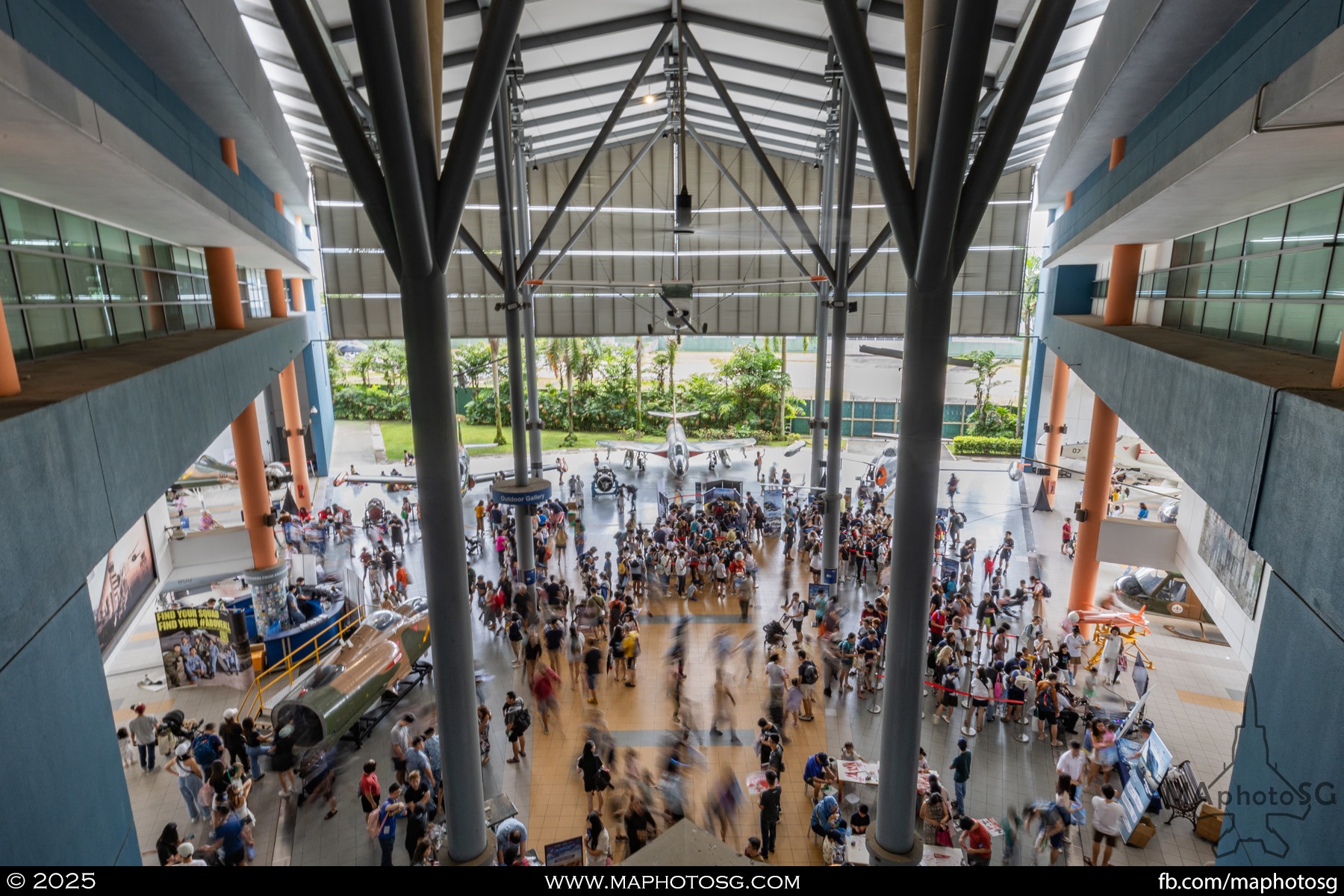
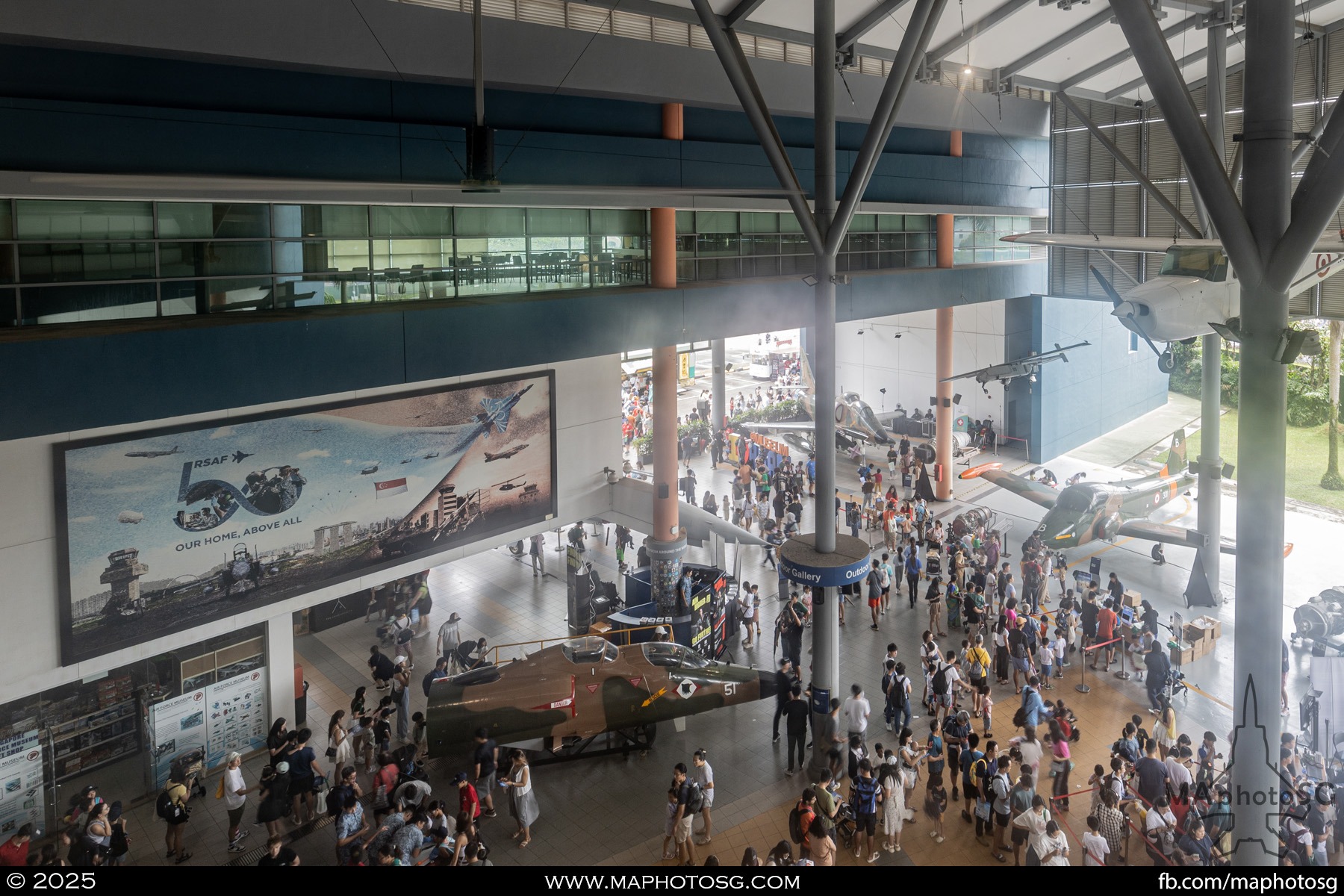
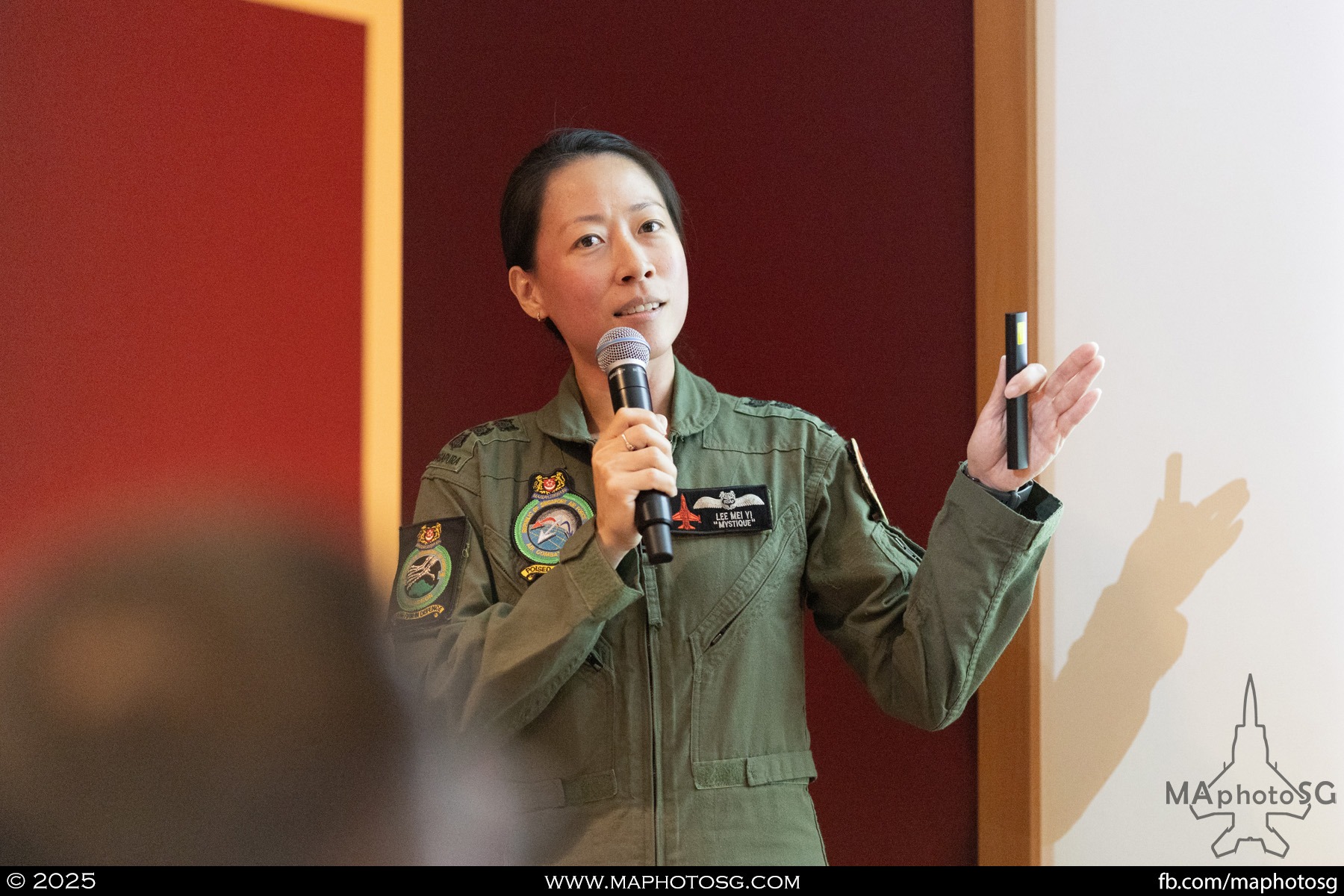
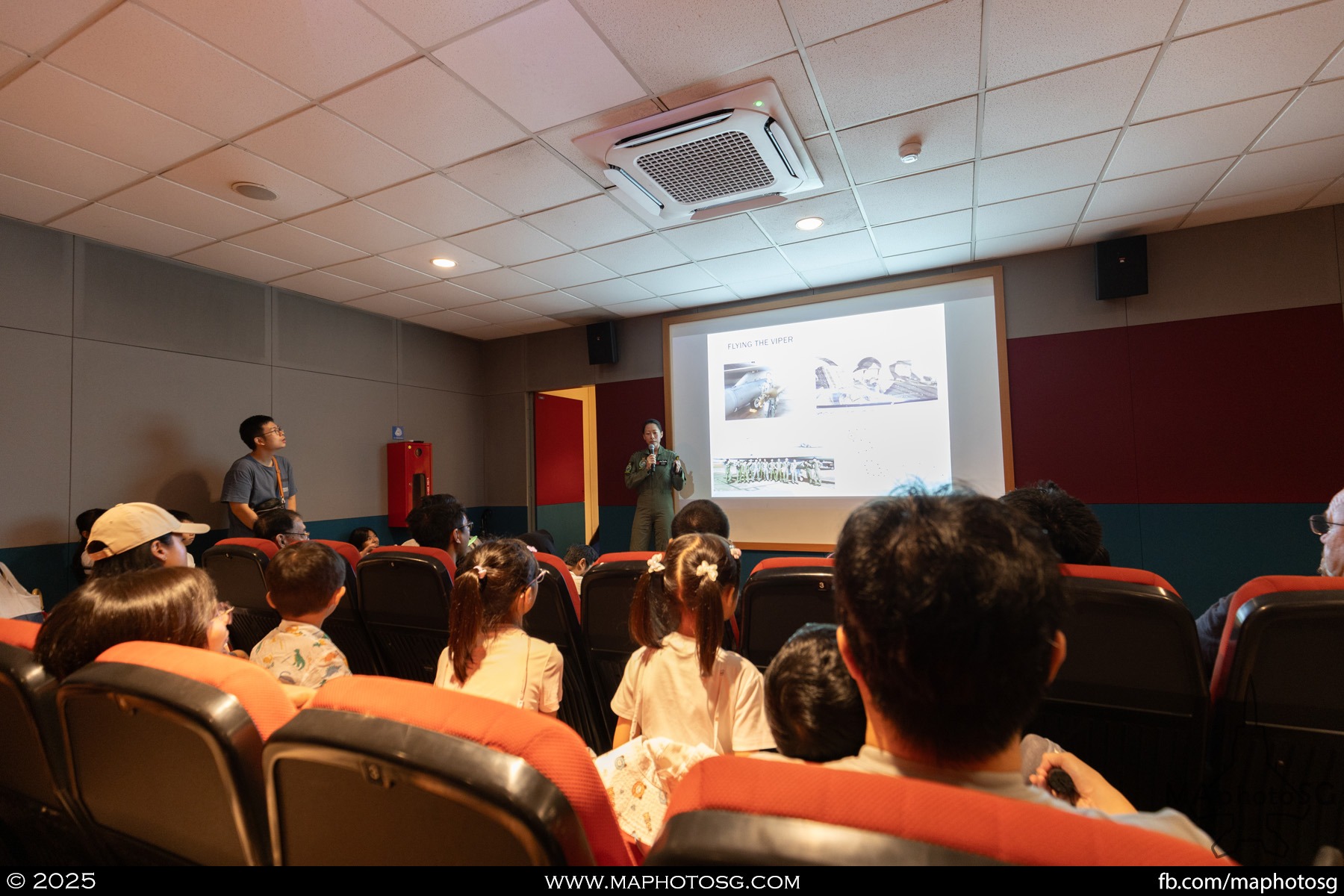
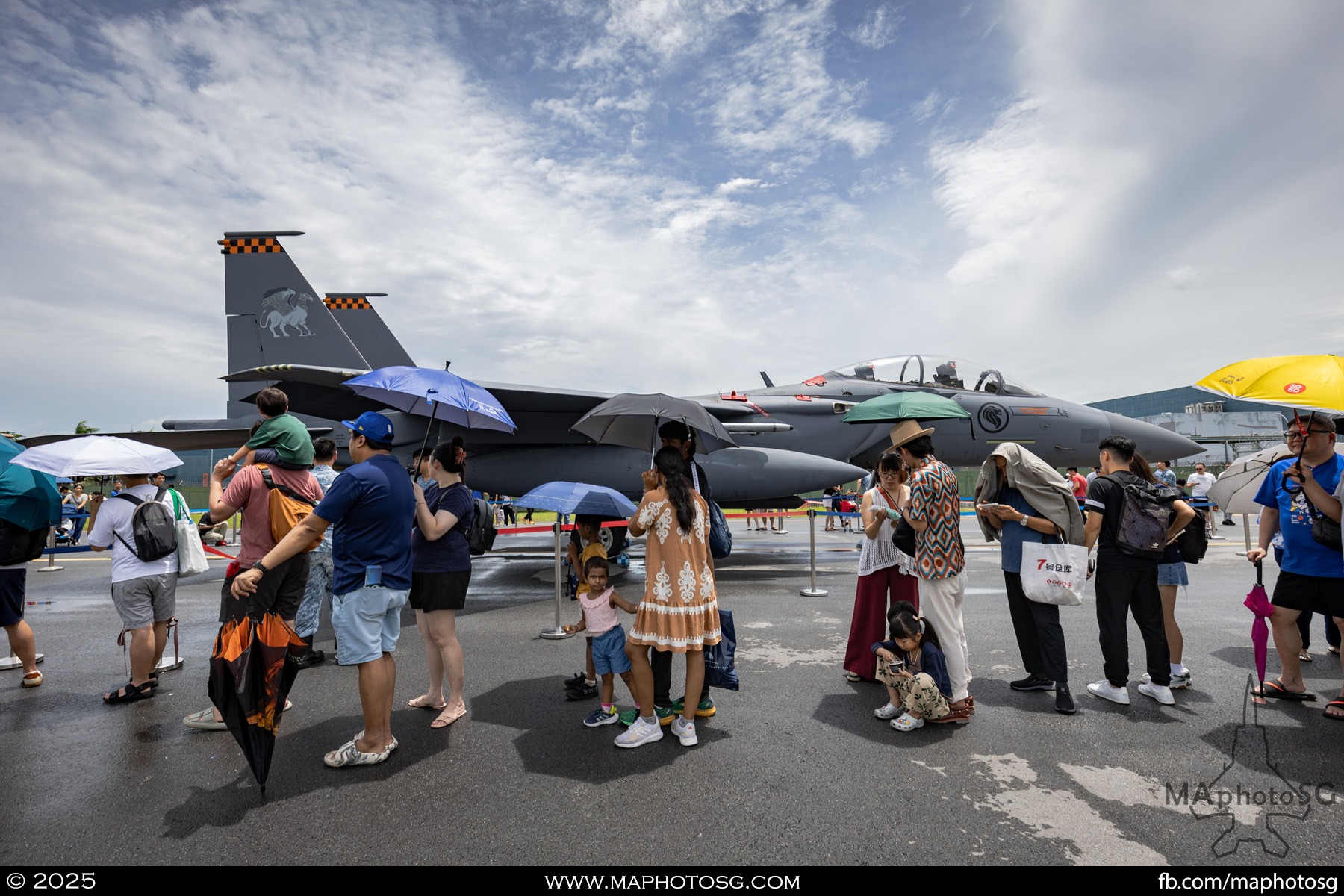
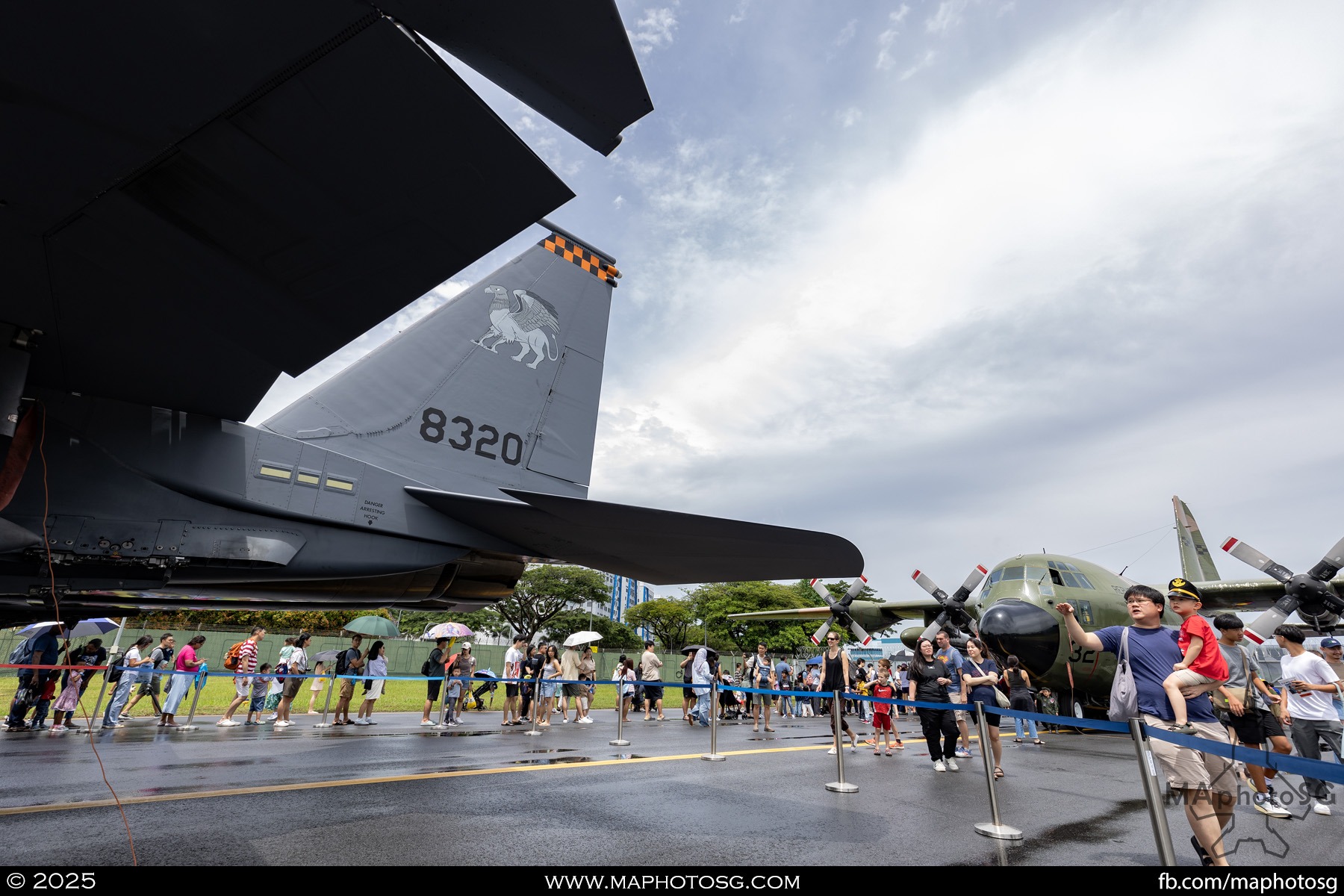
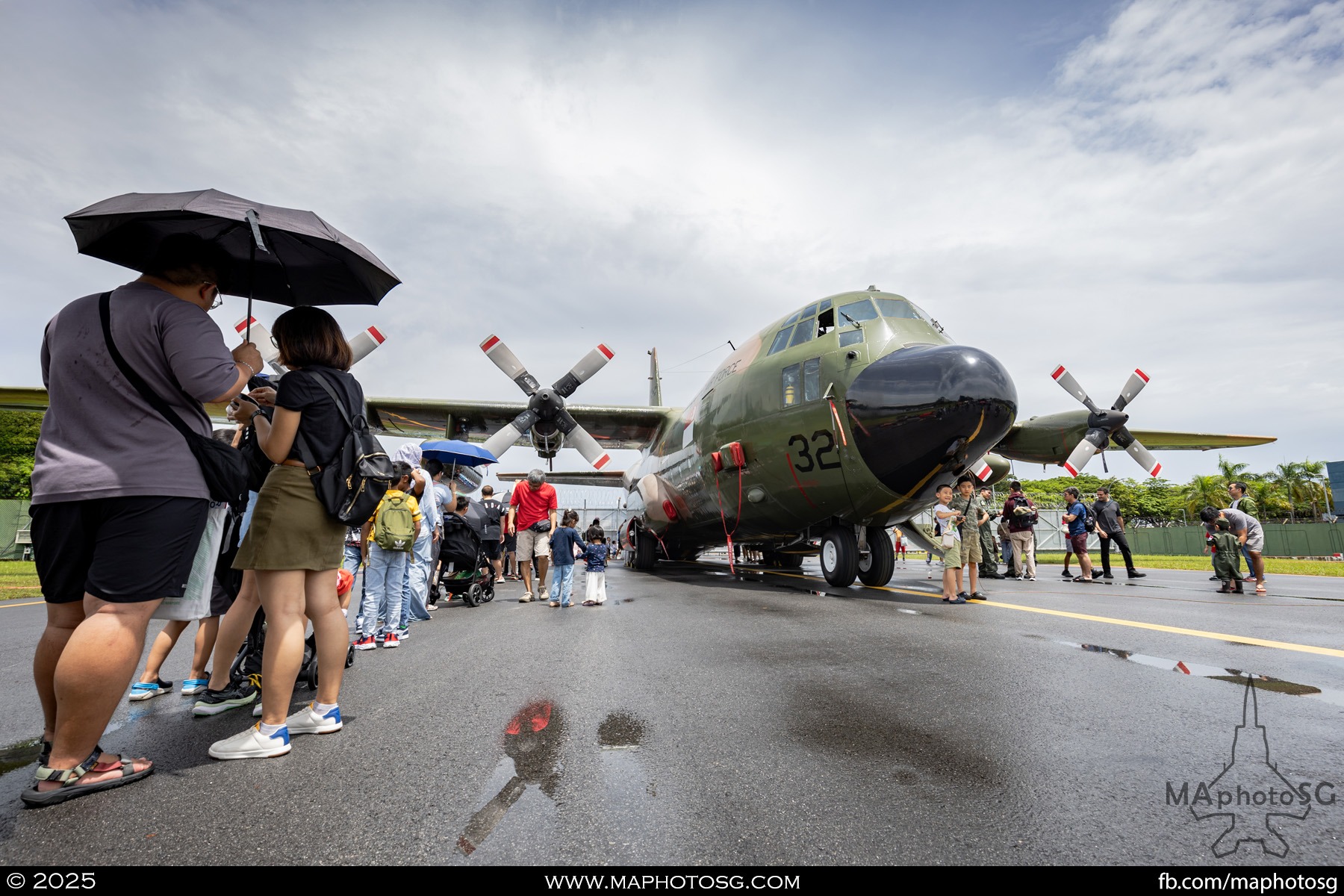
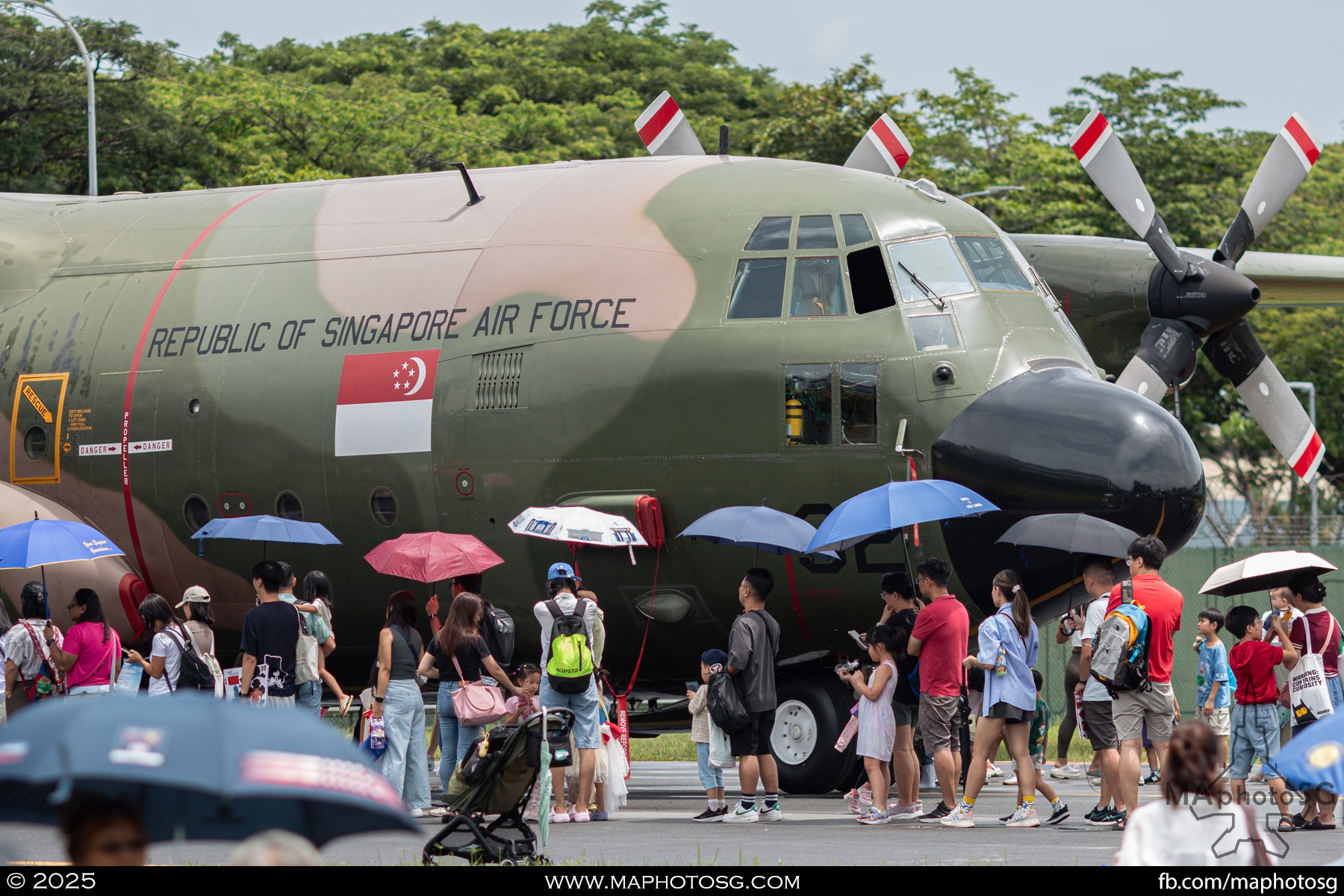
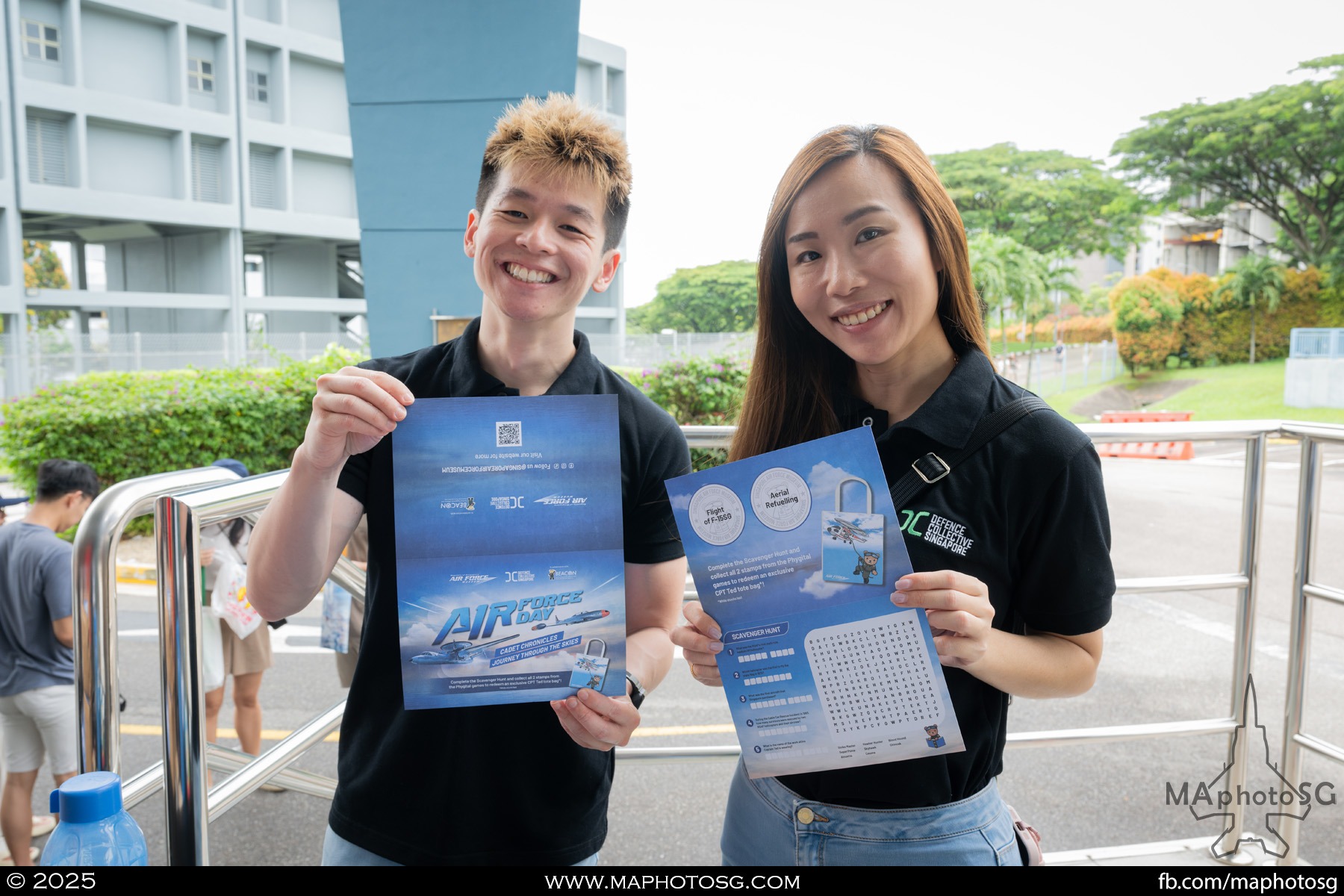
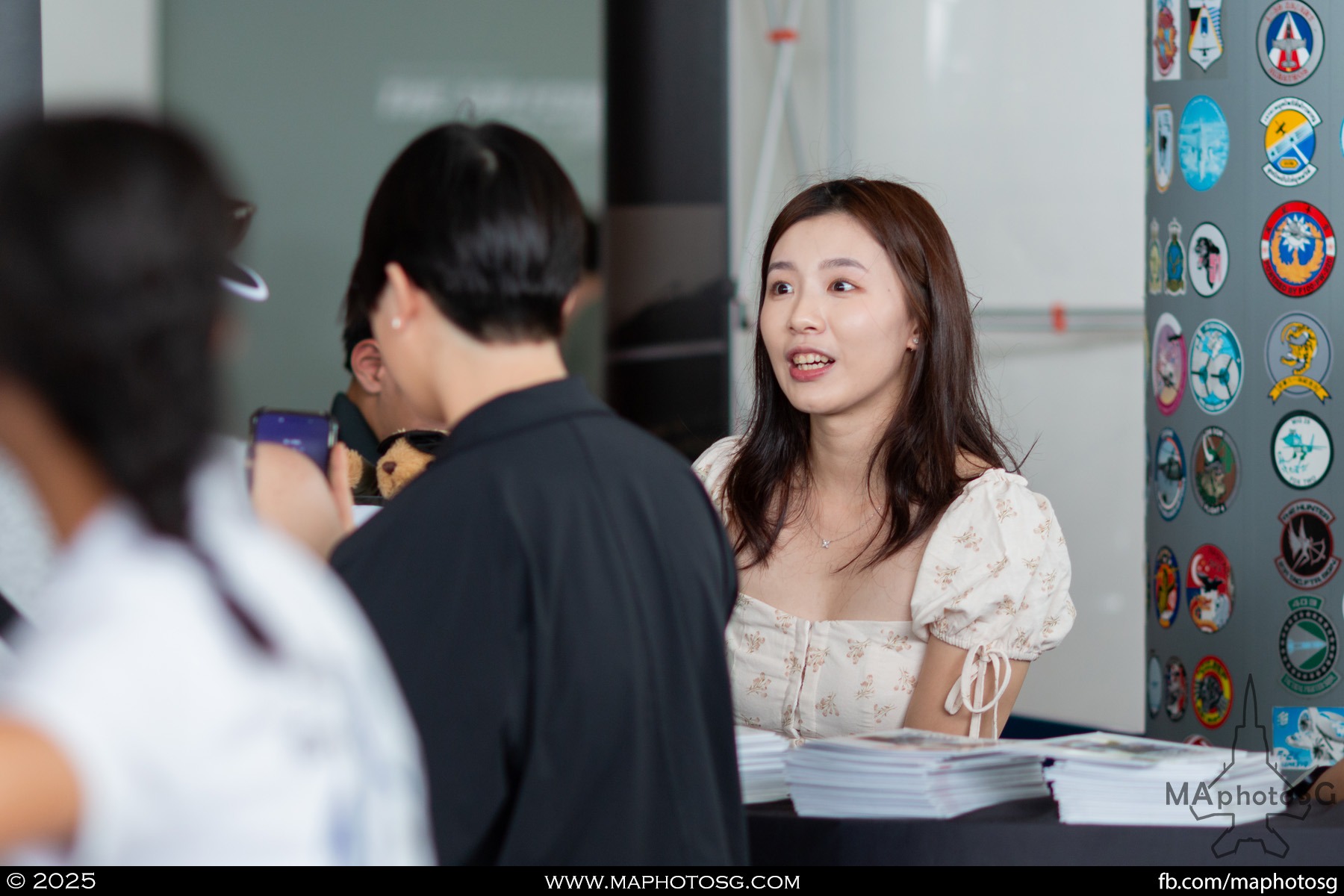
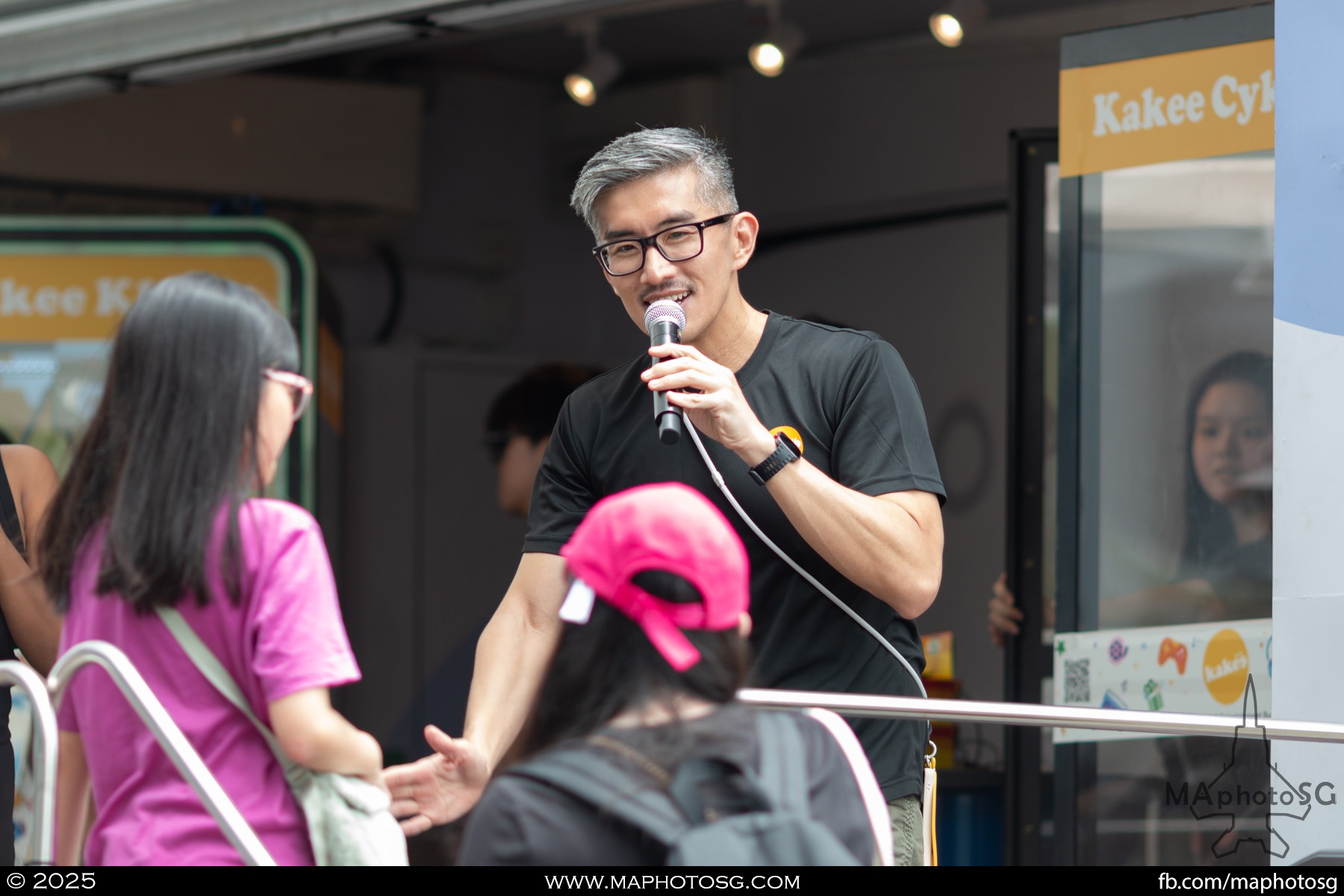
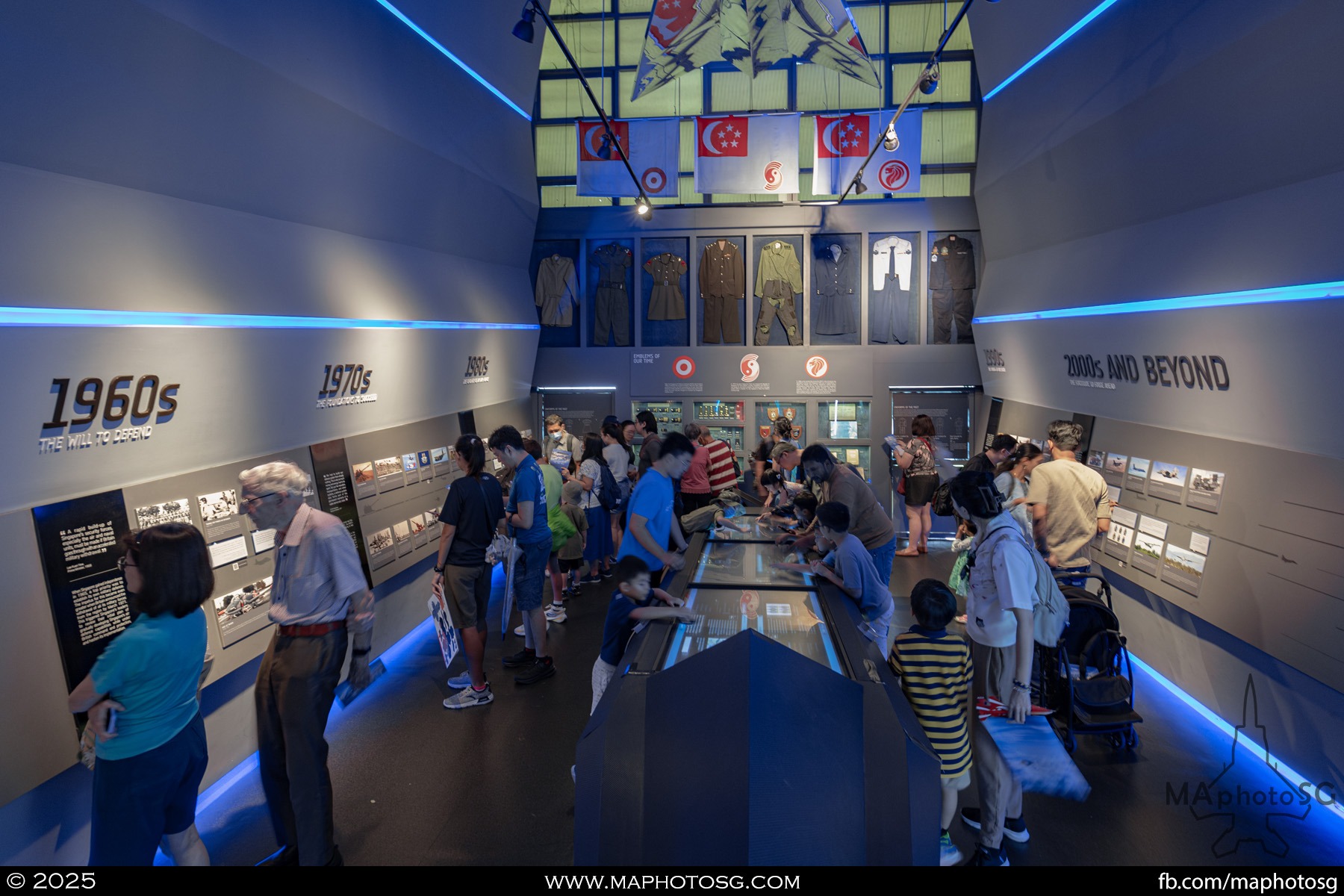
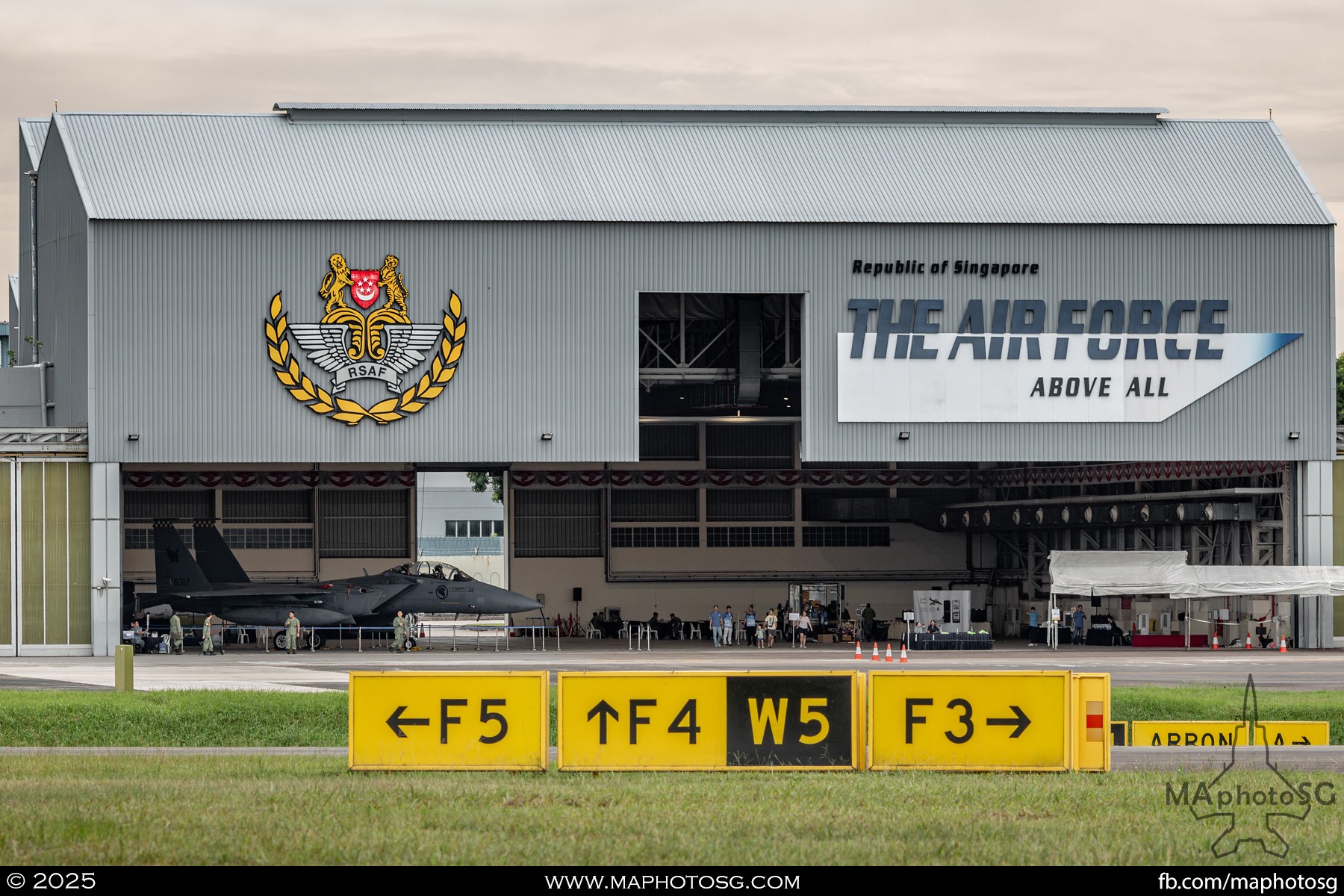
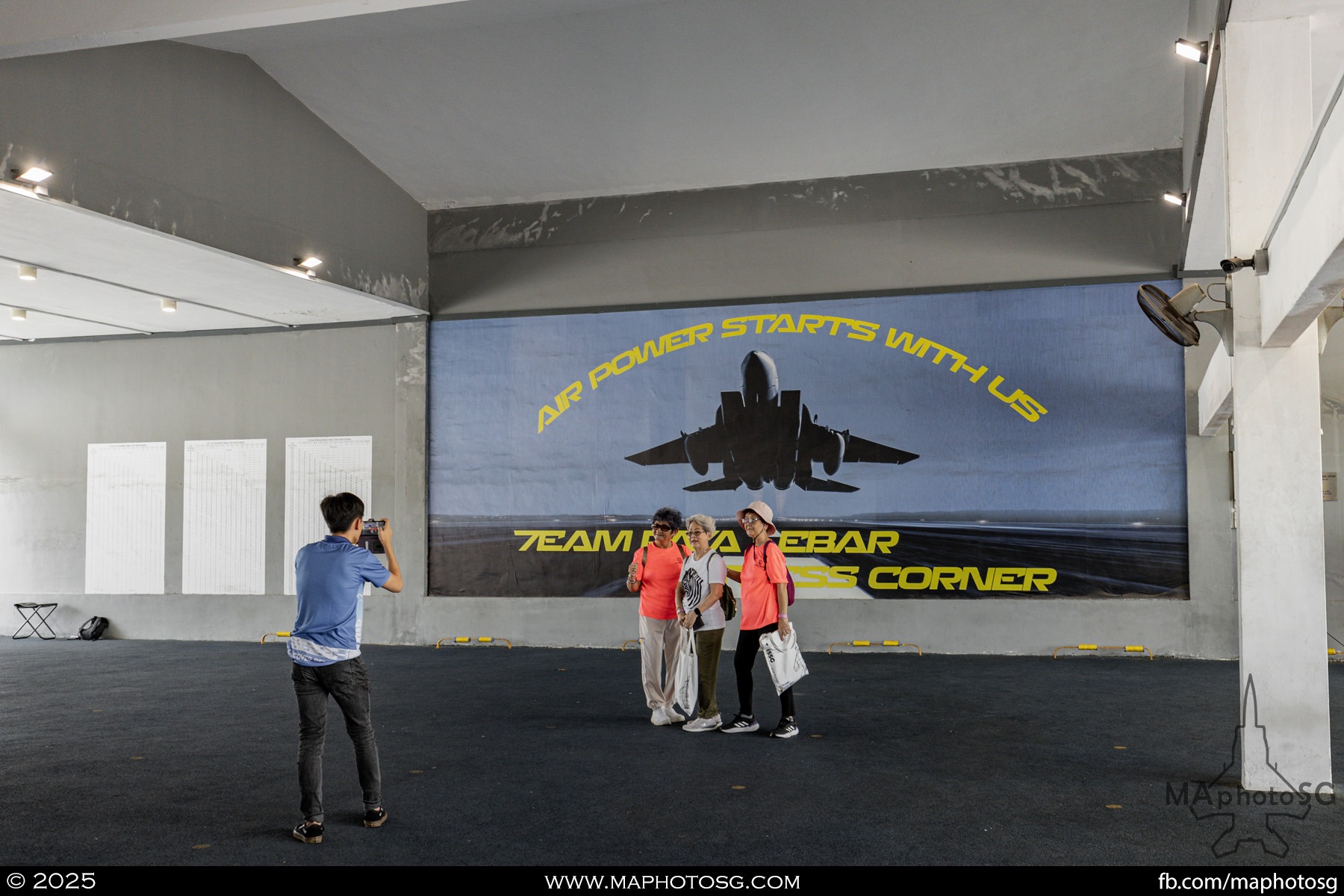
Organised by the Defence Collective, celebrations at the Singapore Air Force Museum ran from 10am to 5pm. Members of the public were welcomed through walk-in registrations and enjoyed a variety of activities designed to complement the museum’s permanent exhibits, while offering insights into the work of RSAF airmen and women. Highlights included sharing sessions by RSAF’s first female fighter squadron commander, COL Lee Mei Yi “Mystique”, static display of the C-130 & F-15SG, flight simulators, and a uniform donning station. The festive atmosphere was enhanced by food trucks and live hosting from DJs of So Drama! Entertainment’s 88.3Jia and Power 98.
Heritage Walk @ PLAB
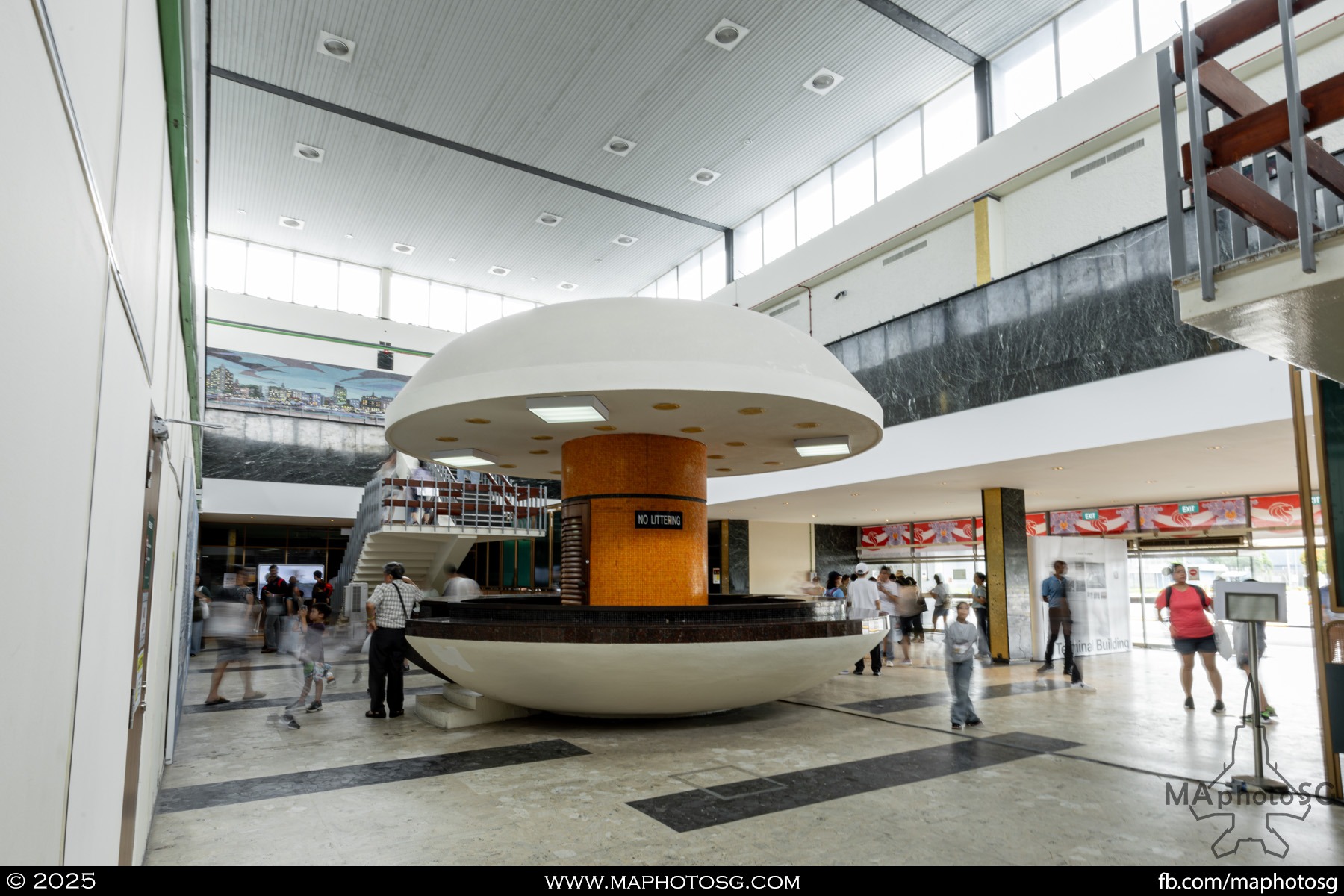
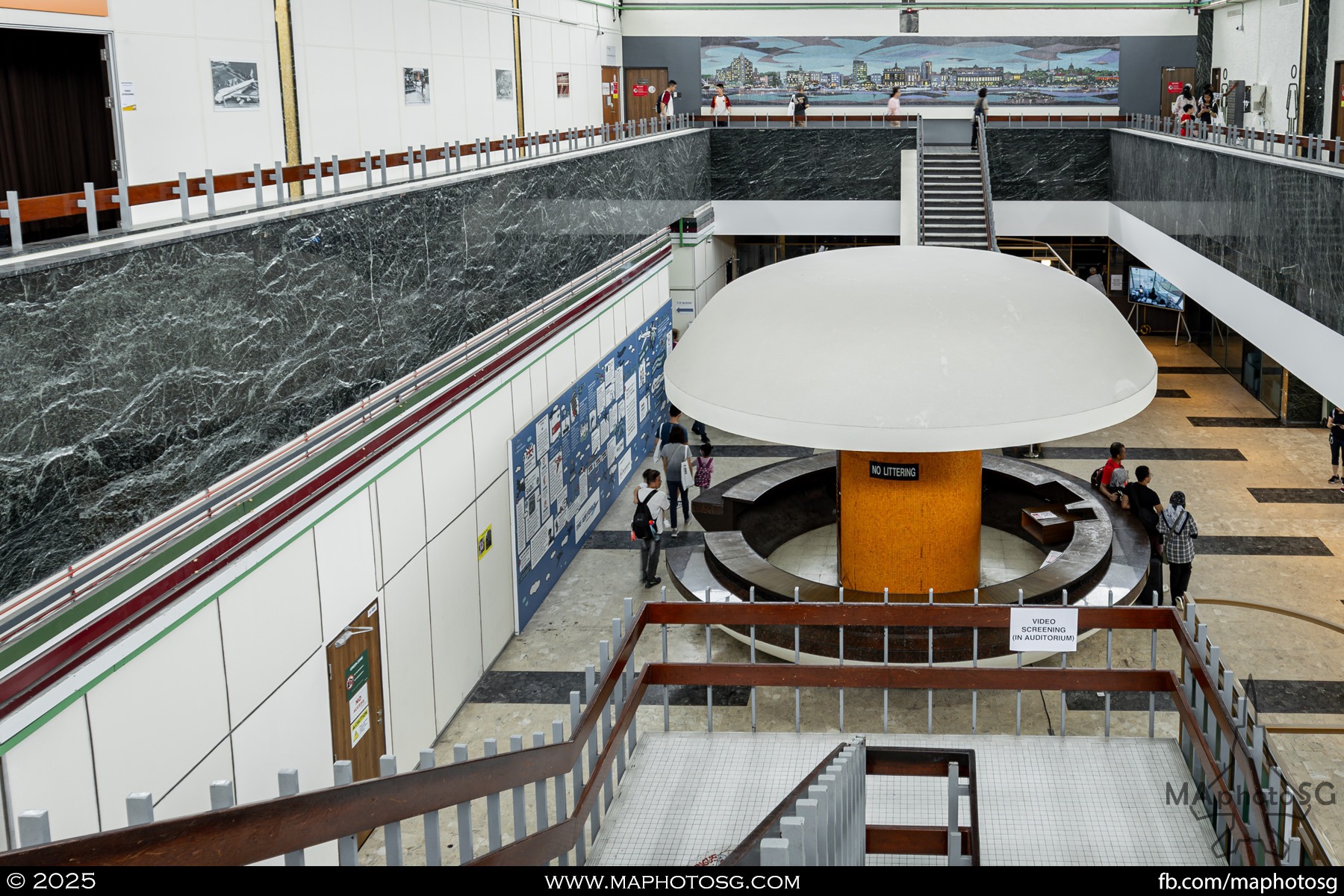
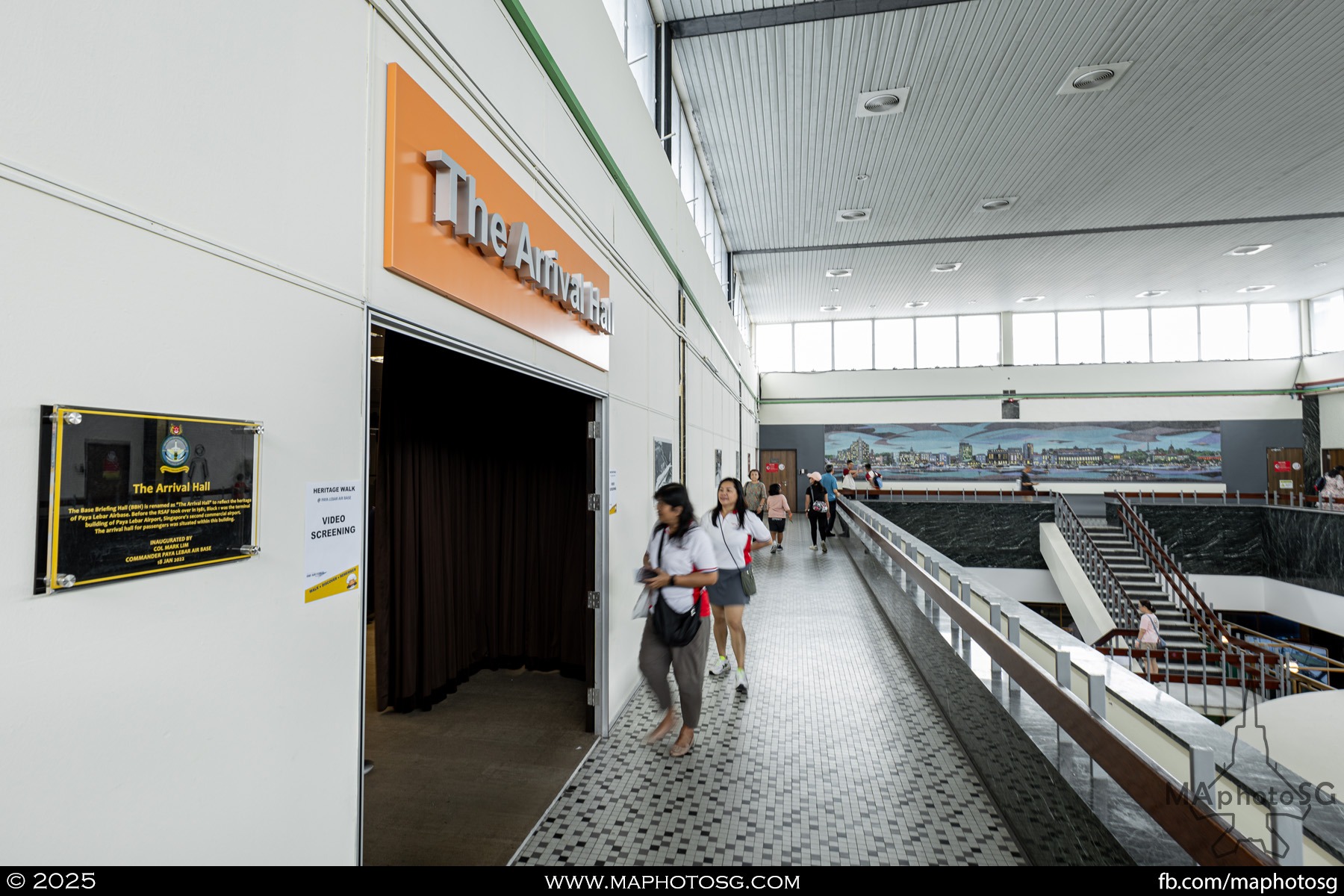
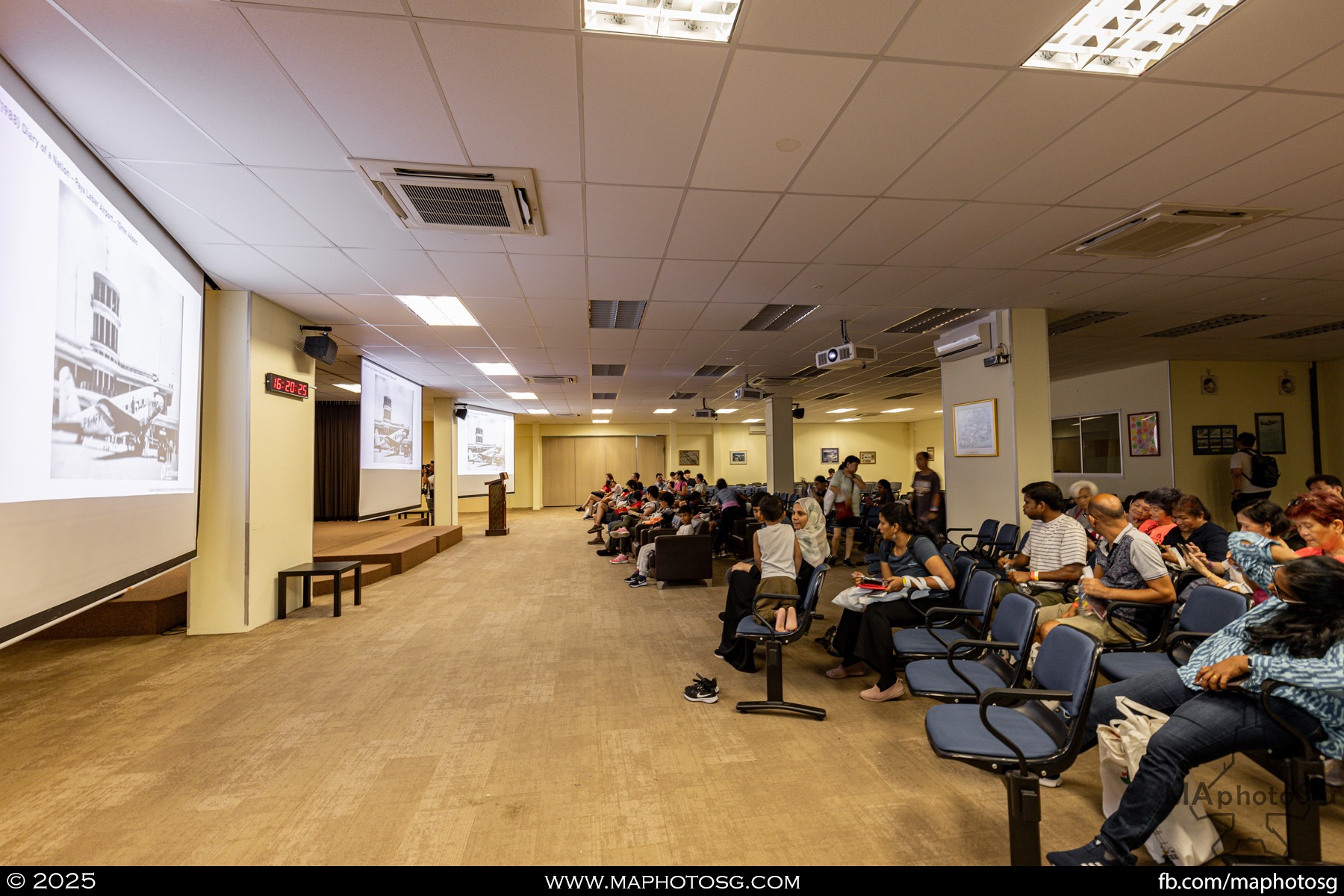
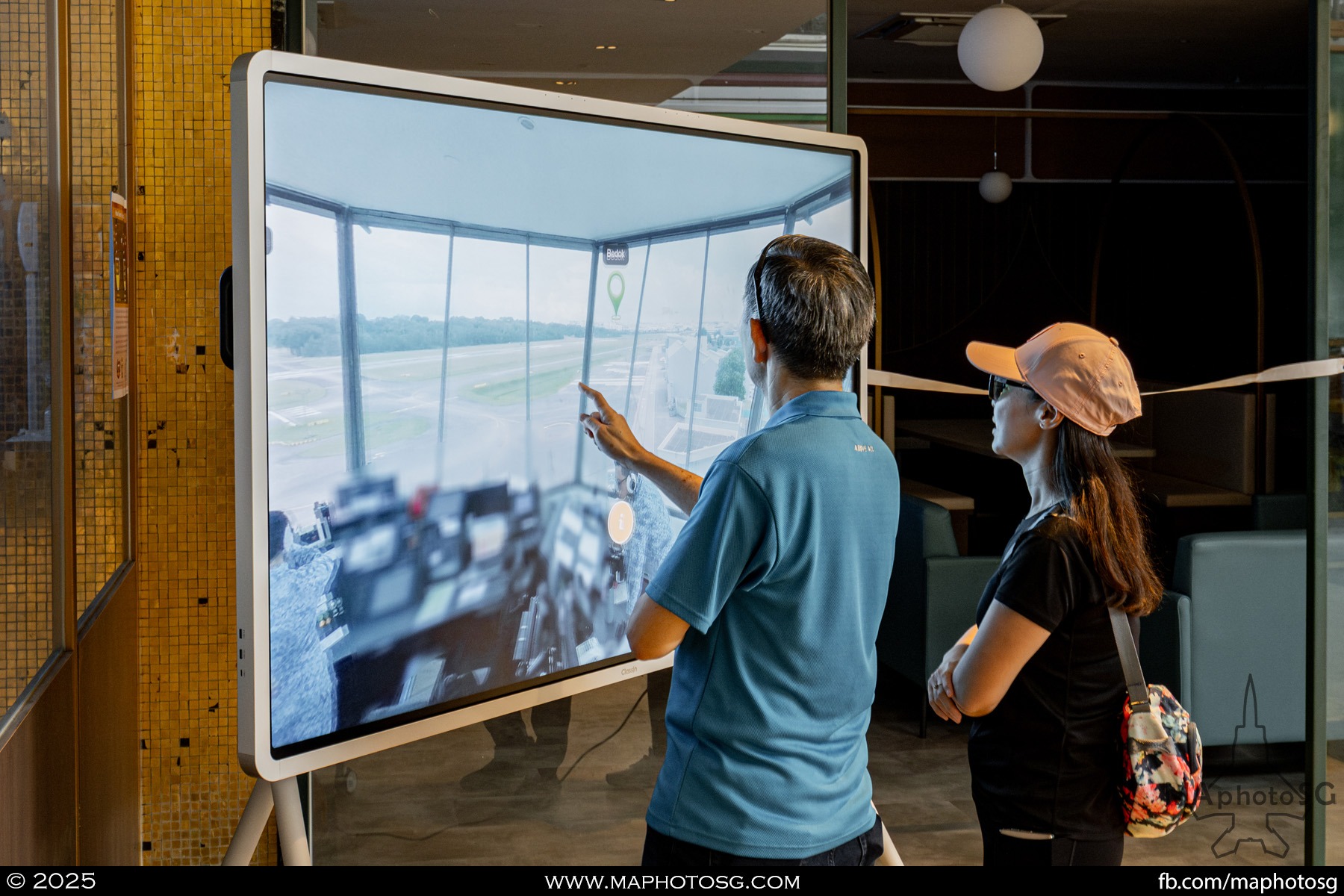
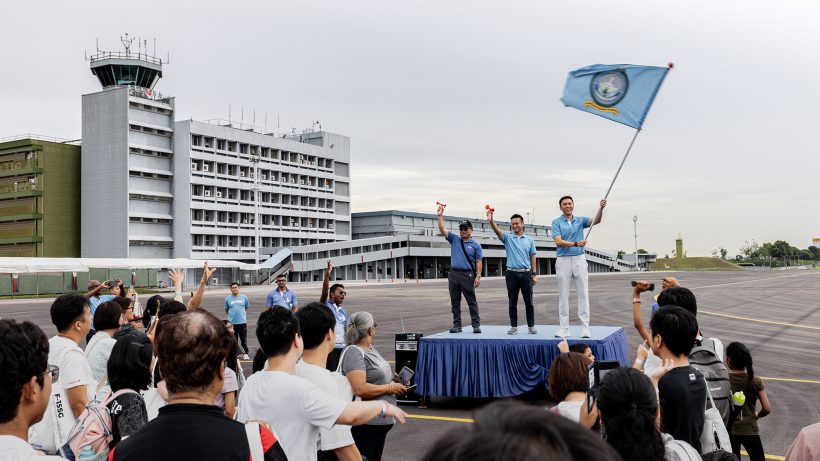
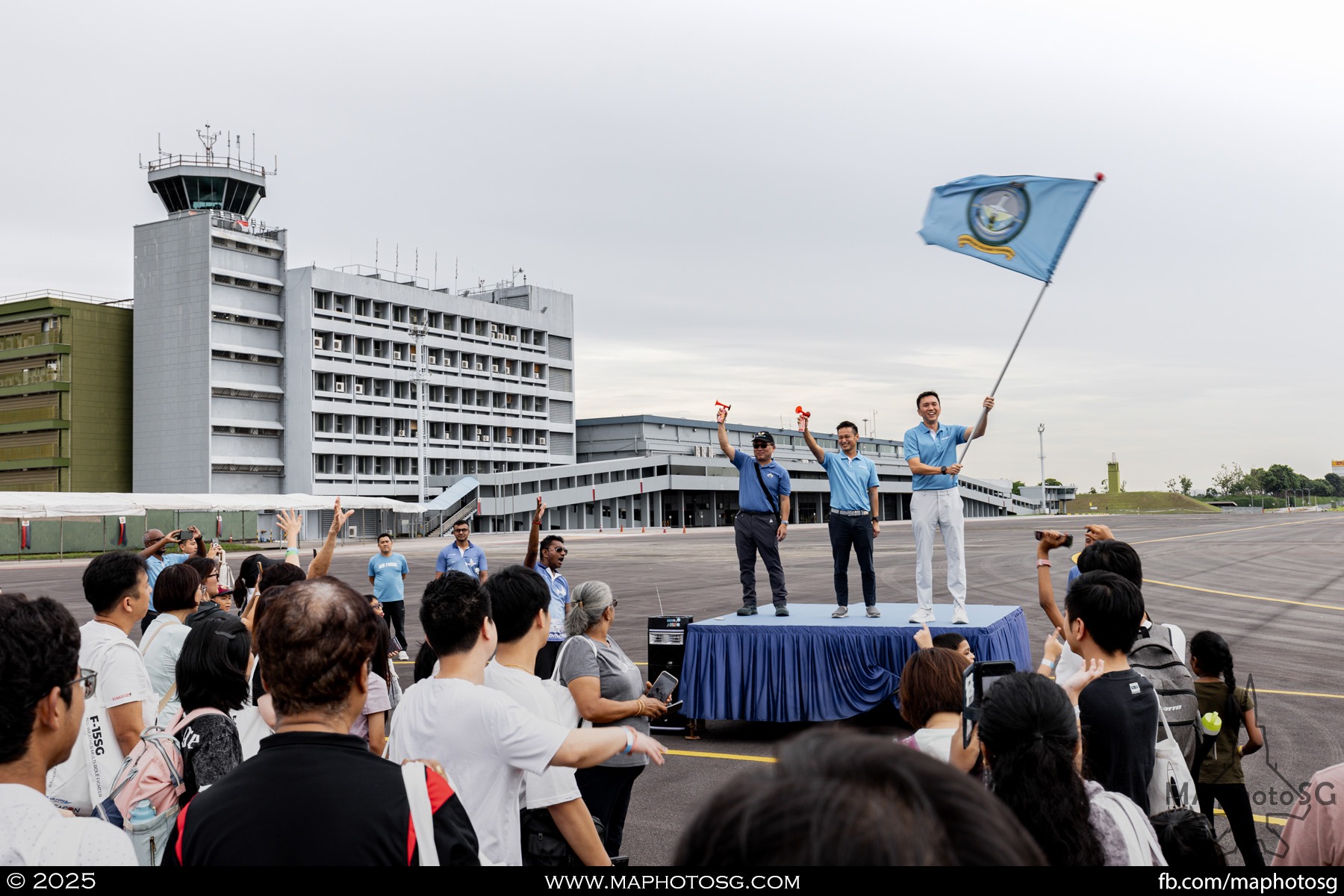
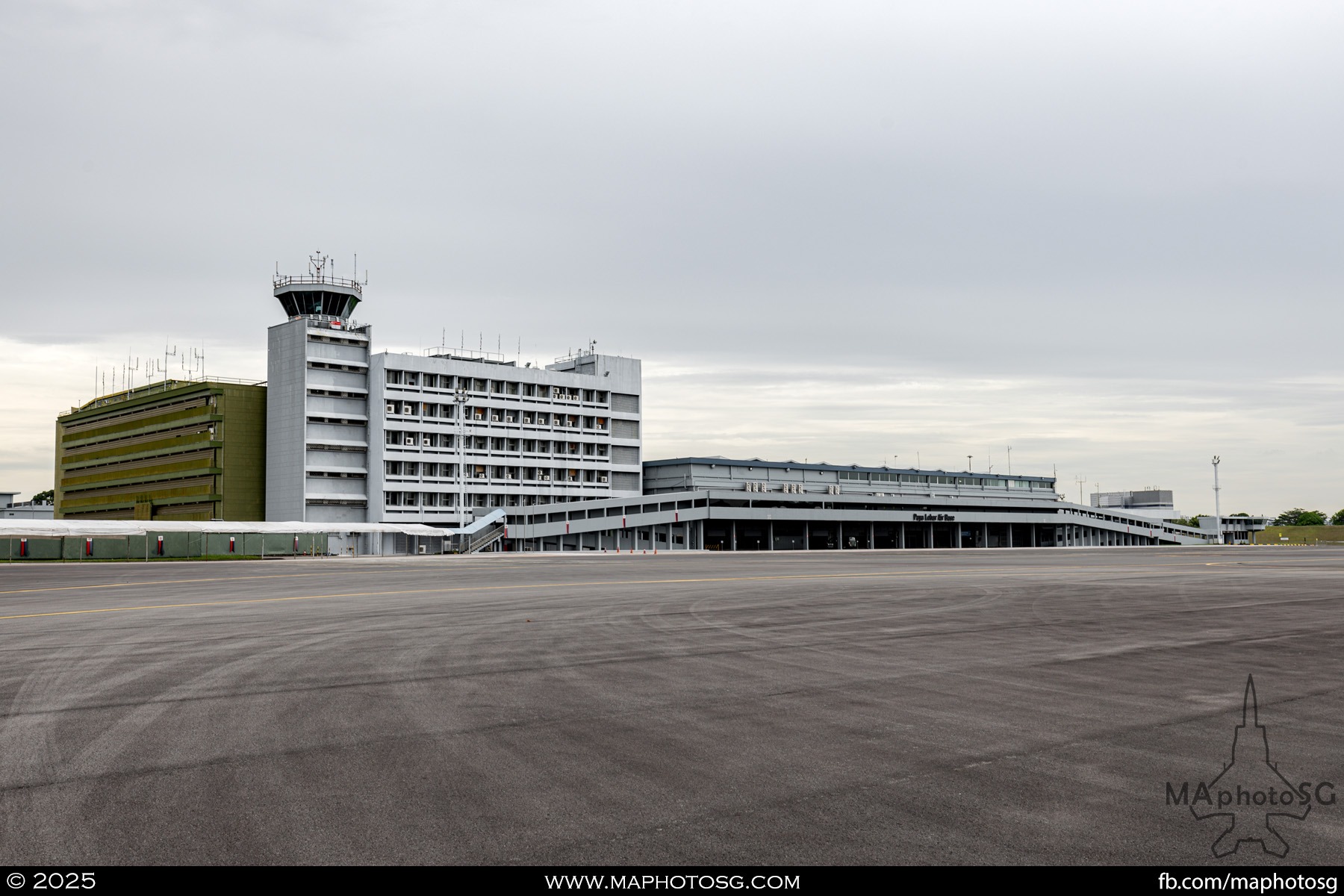
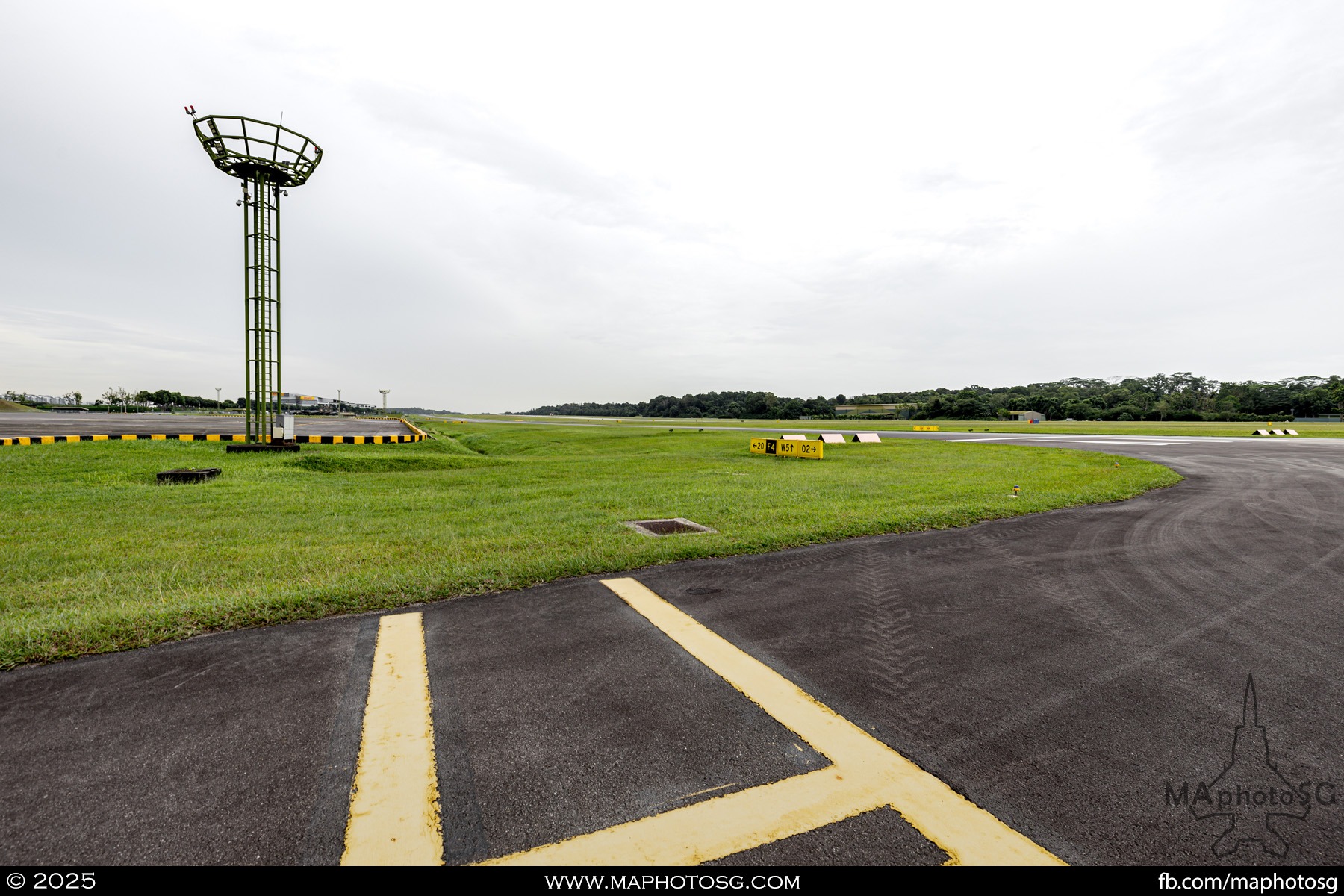
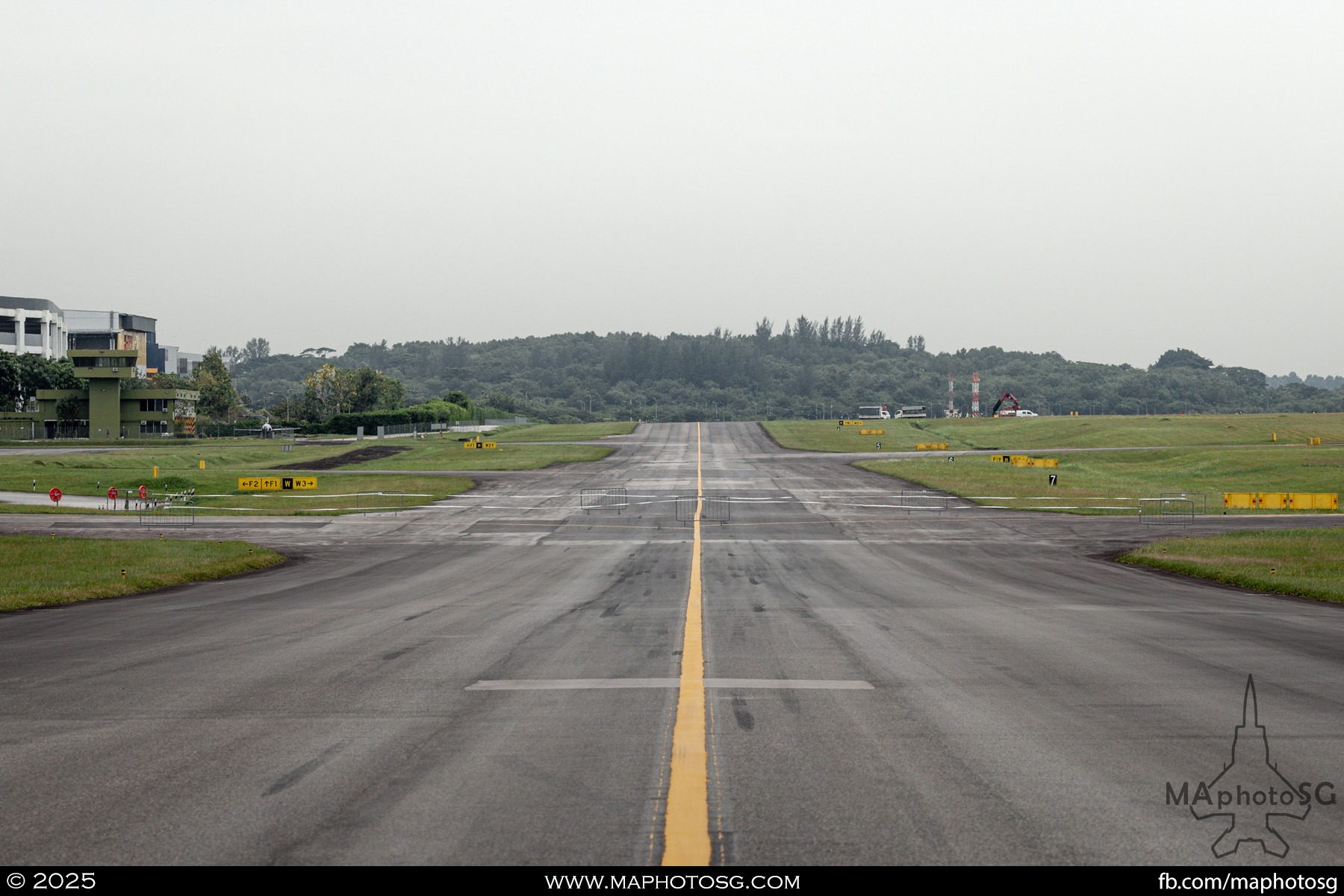
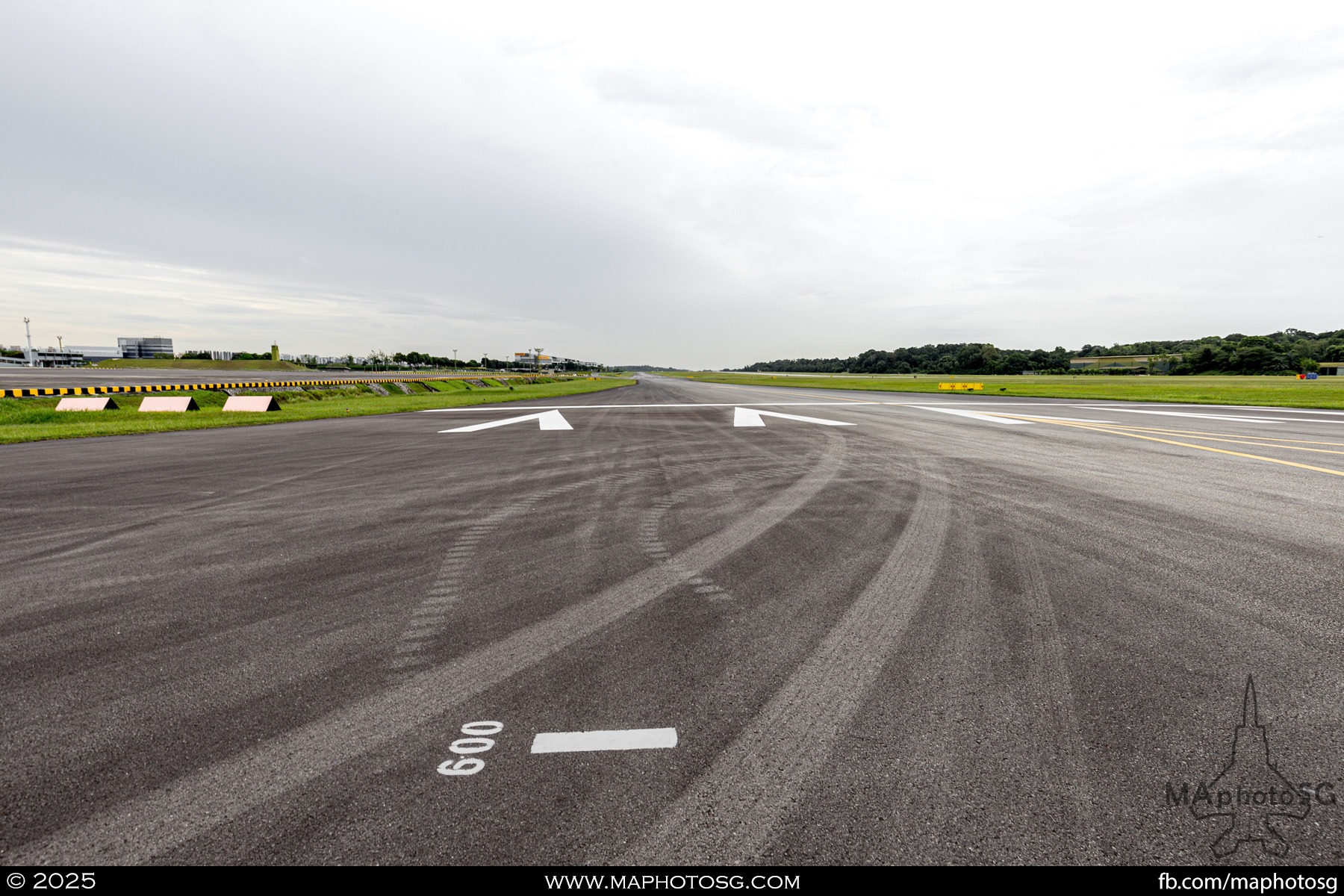
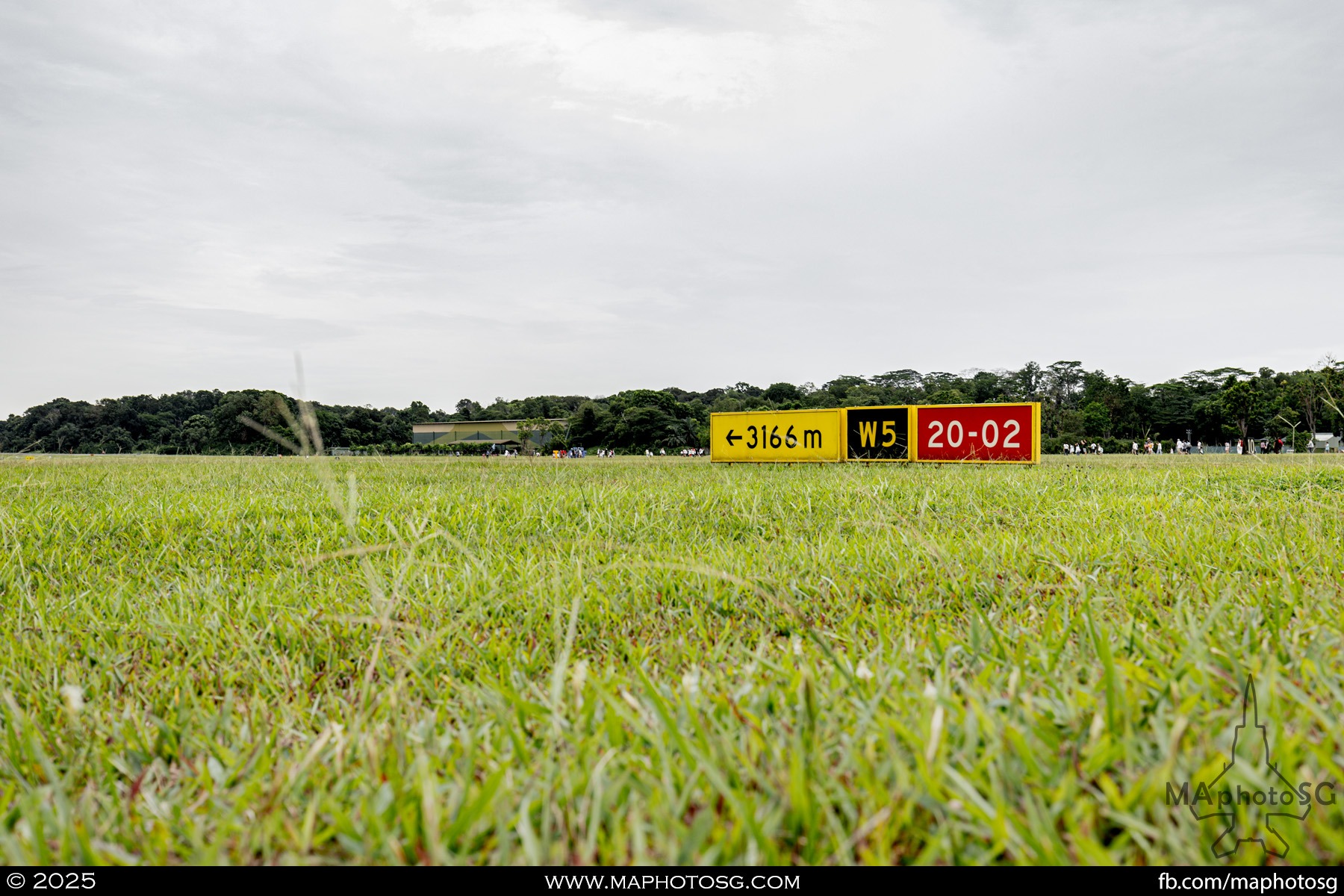
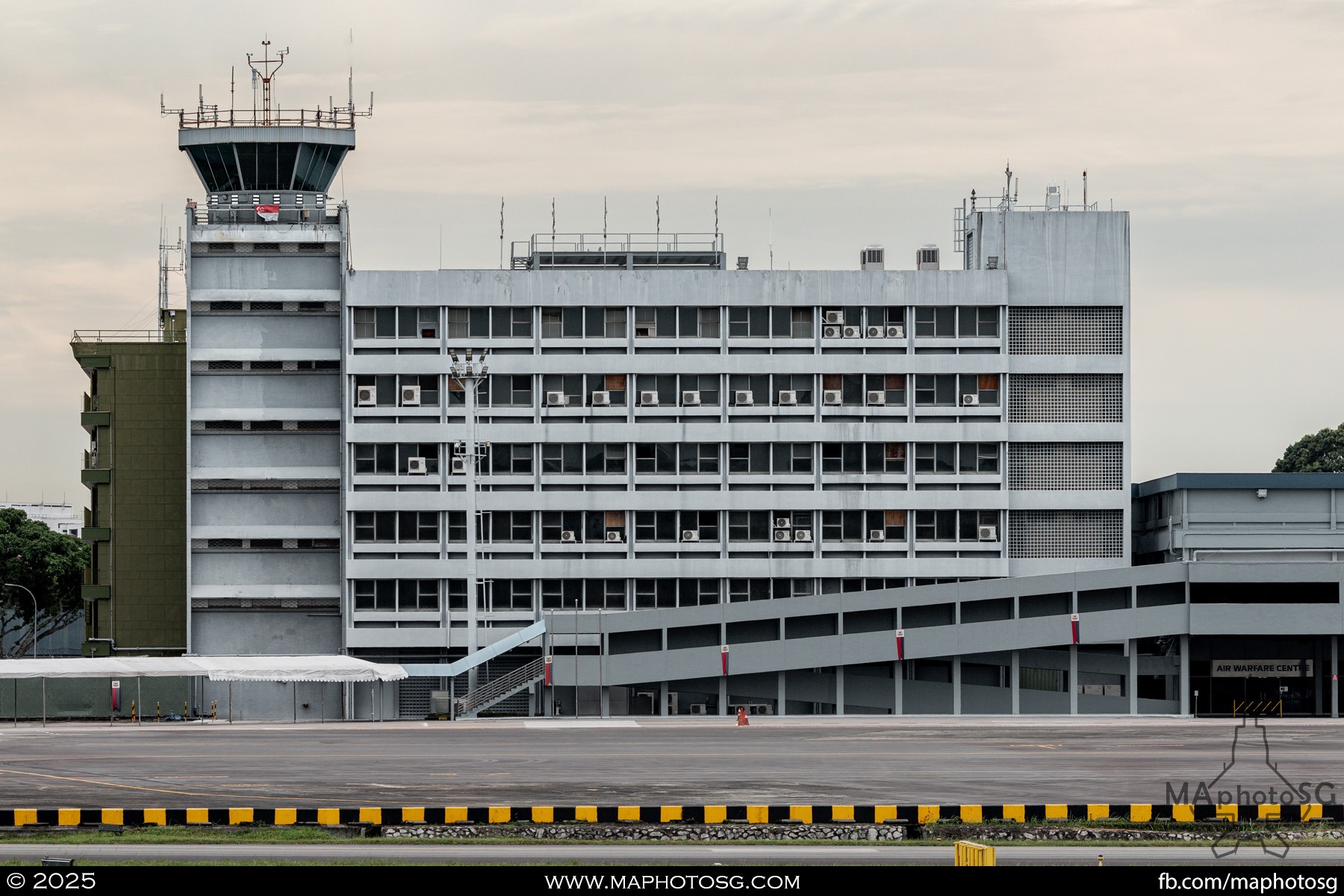
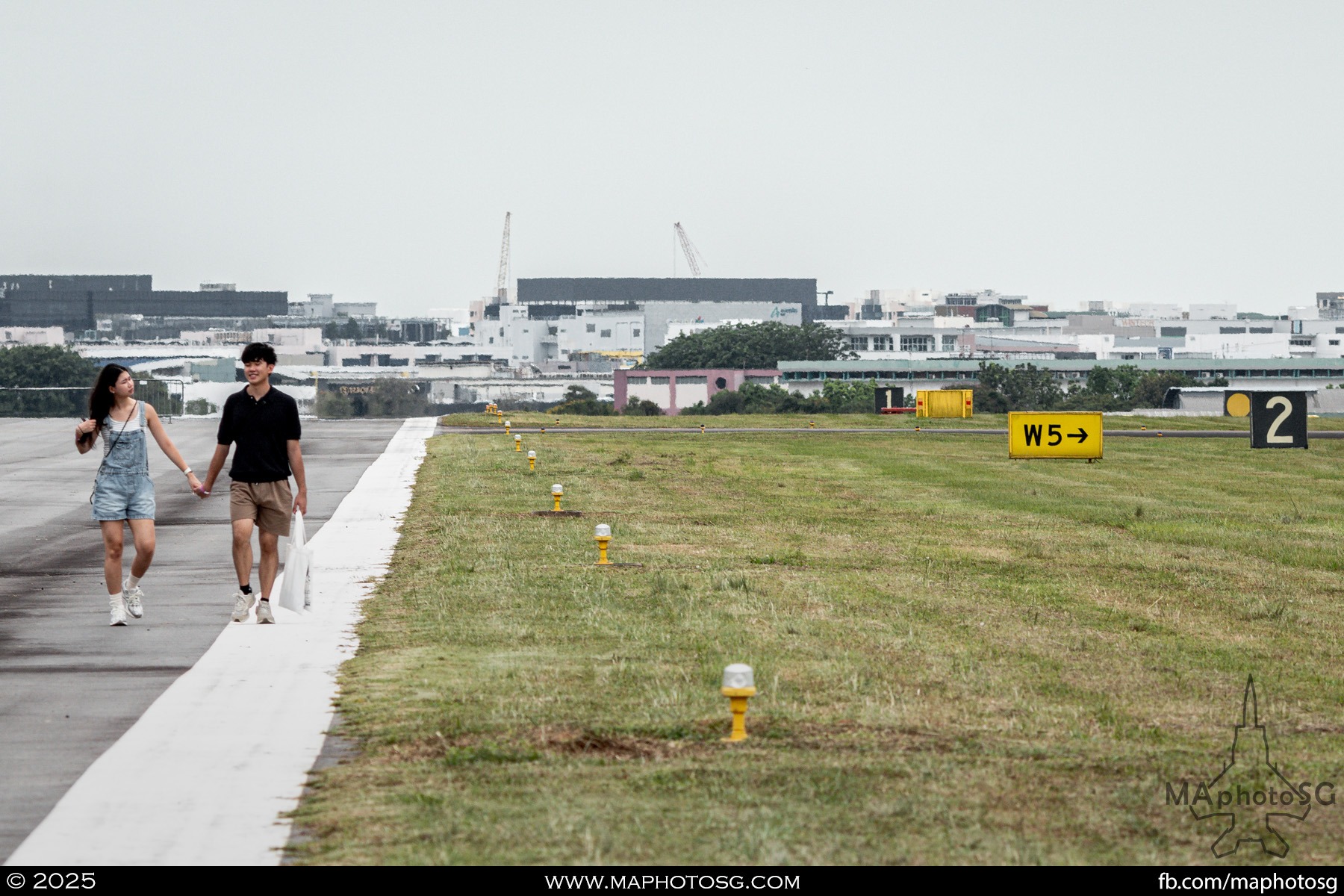
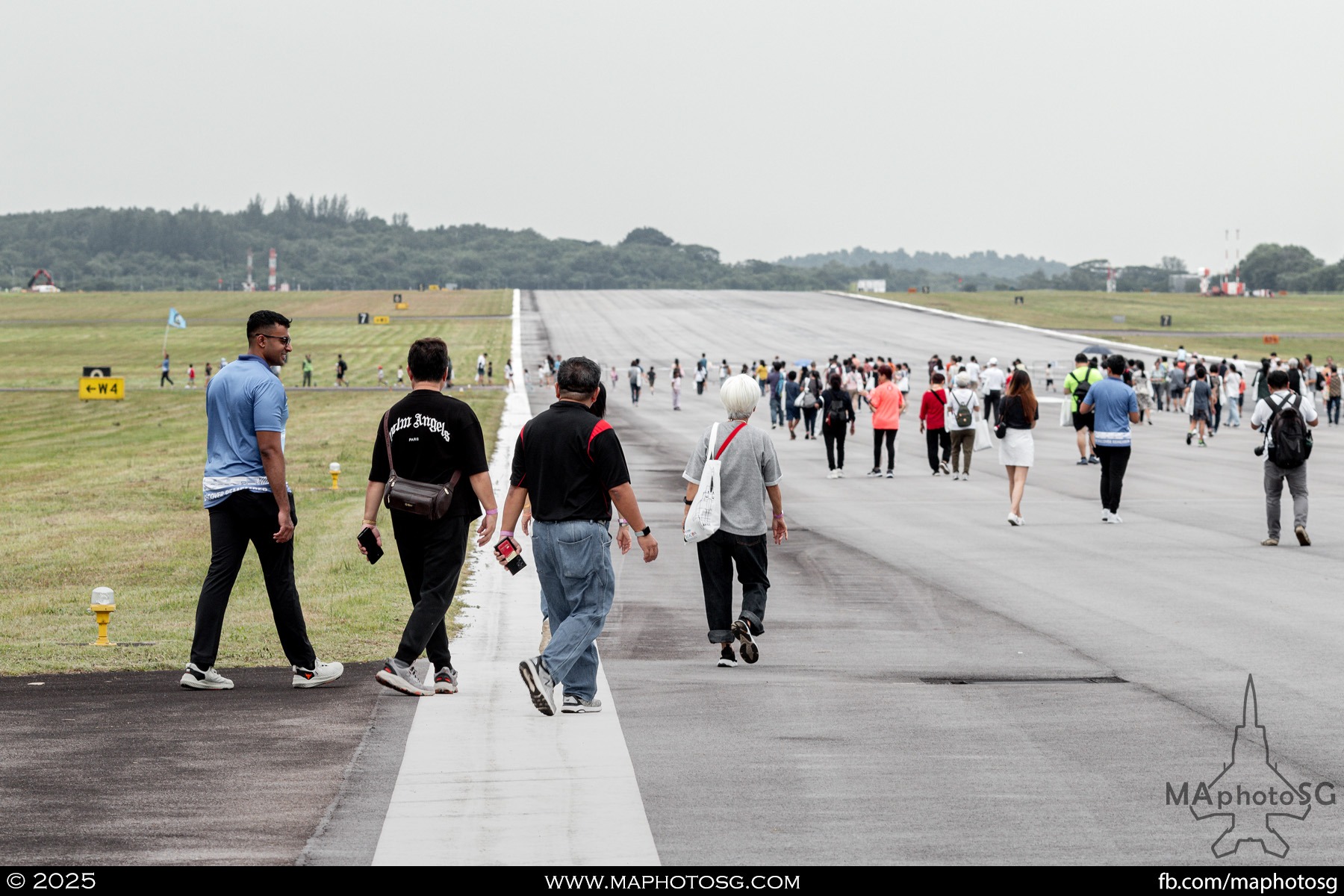
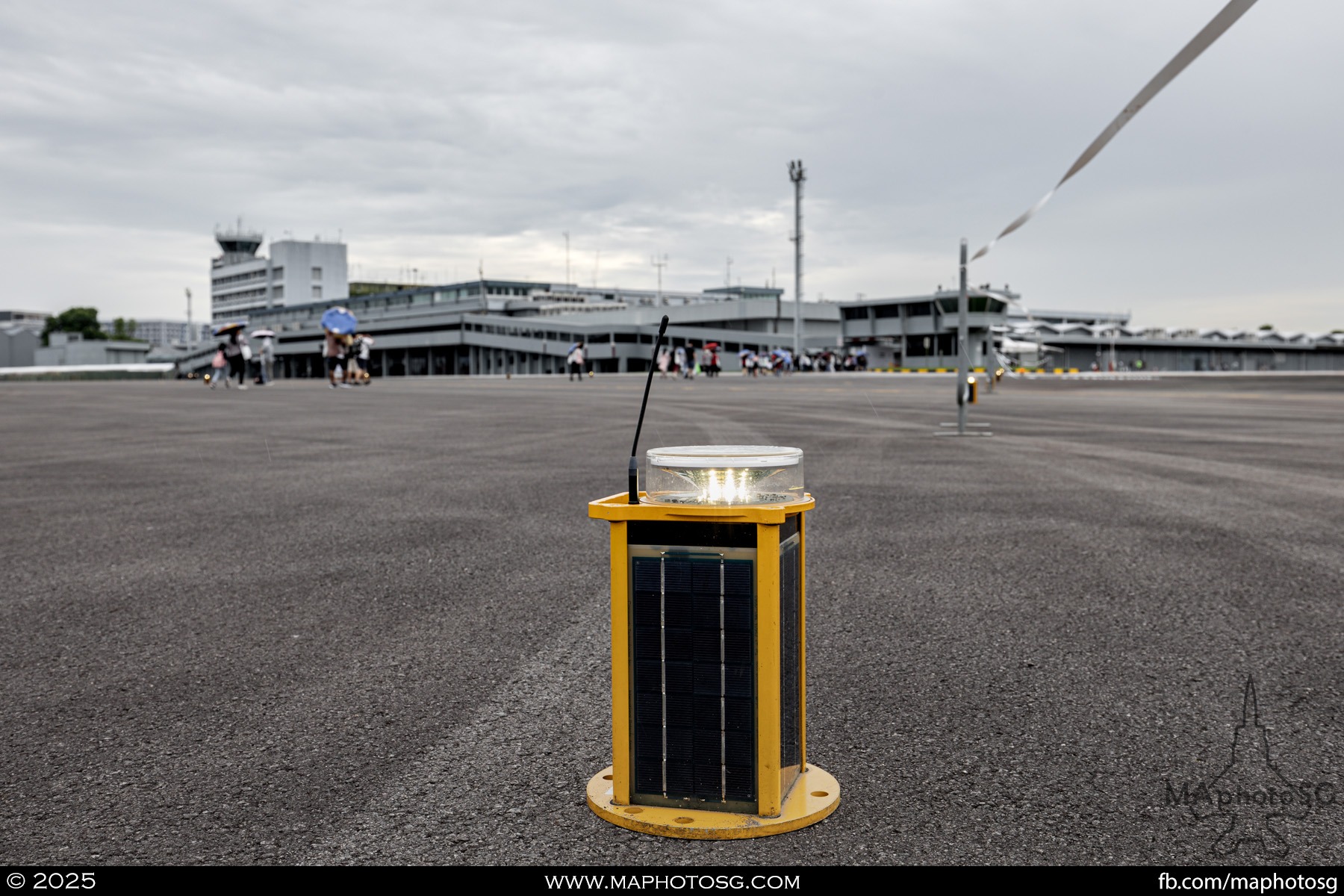
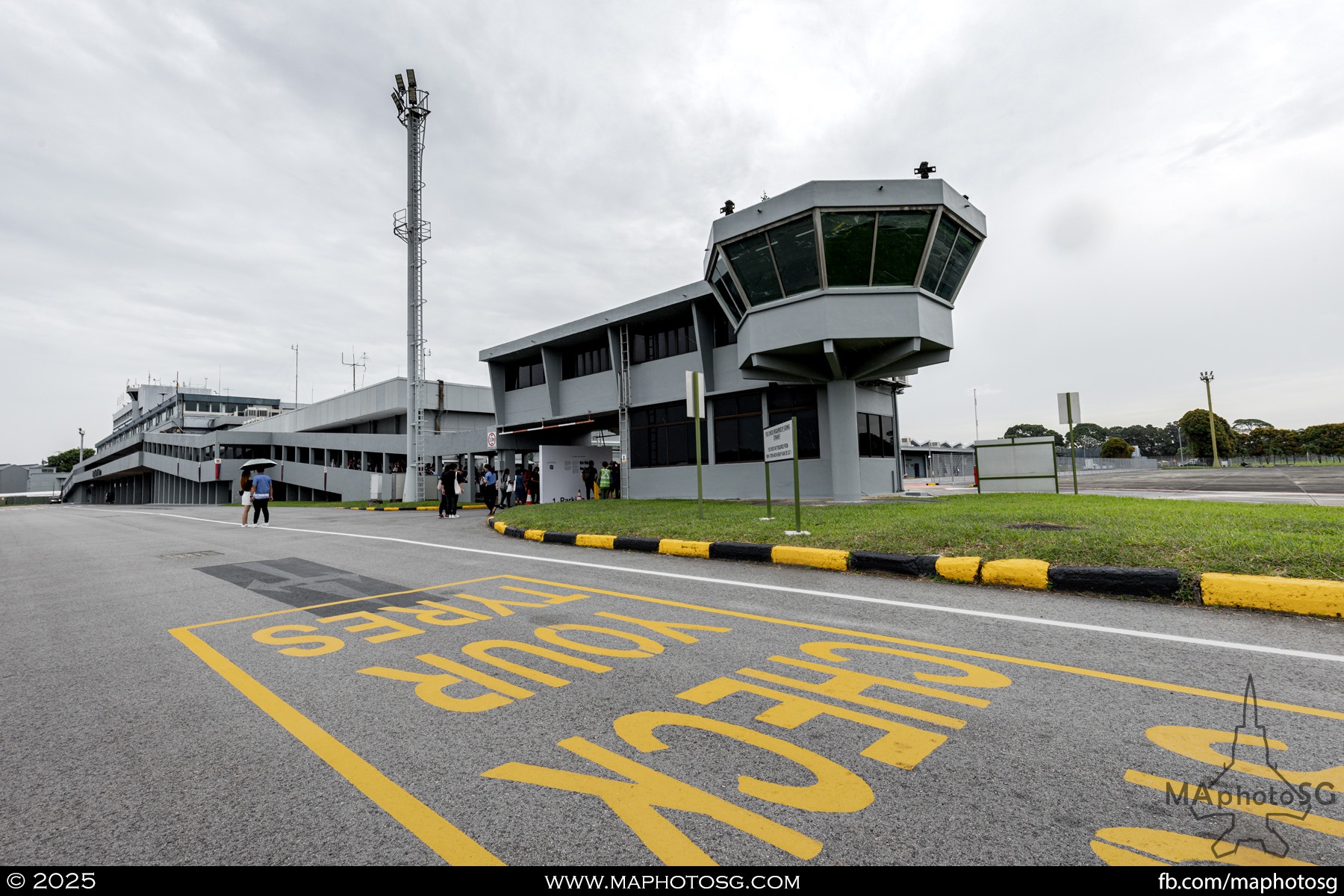
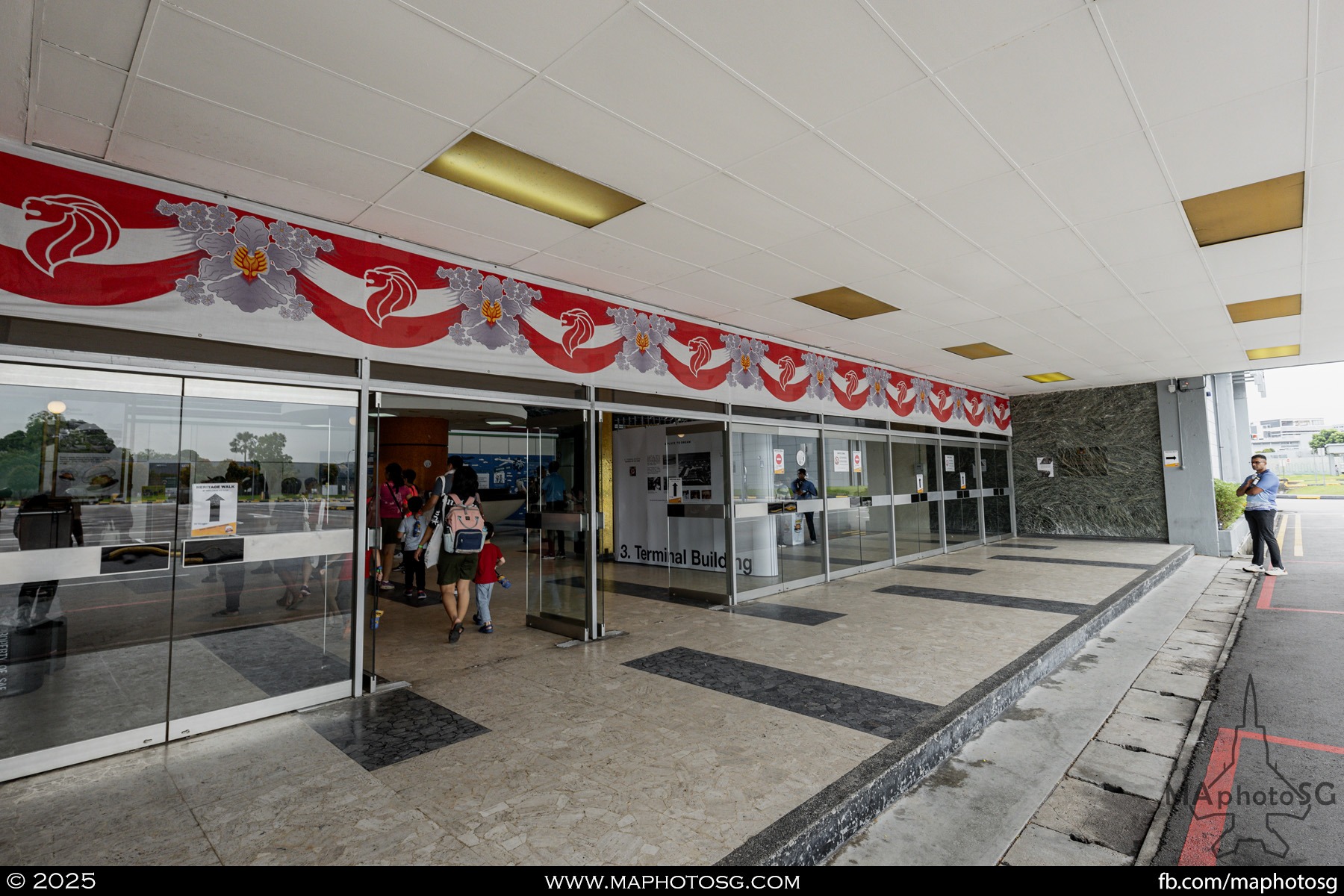
That same day, residents living near PLAB were invited to take part in a heritage walk themed “Walk, Discover, Remember.” The 2-kilometre self-guided trail led participants through iconic areas such as the runway and terminal building, tracing the airbase’s transformation from Singapore’s international gateway into a military stronghold. Along the route, an Augmented Reality (AR) experience allowed participants to visualise the past and personalise their journey.
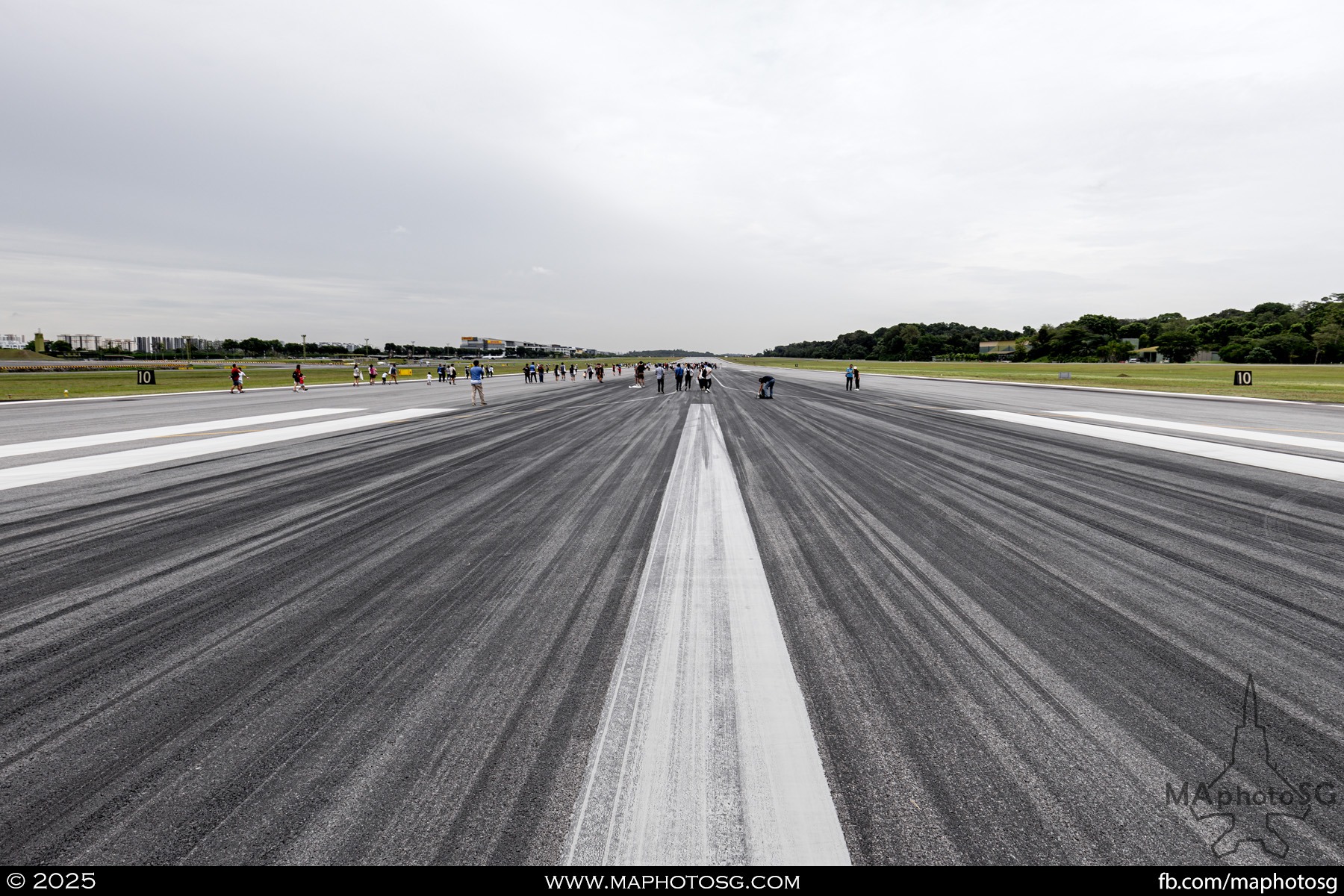
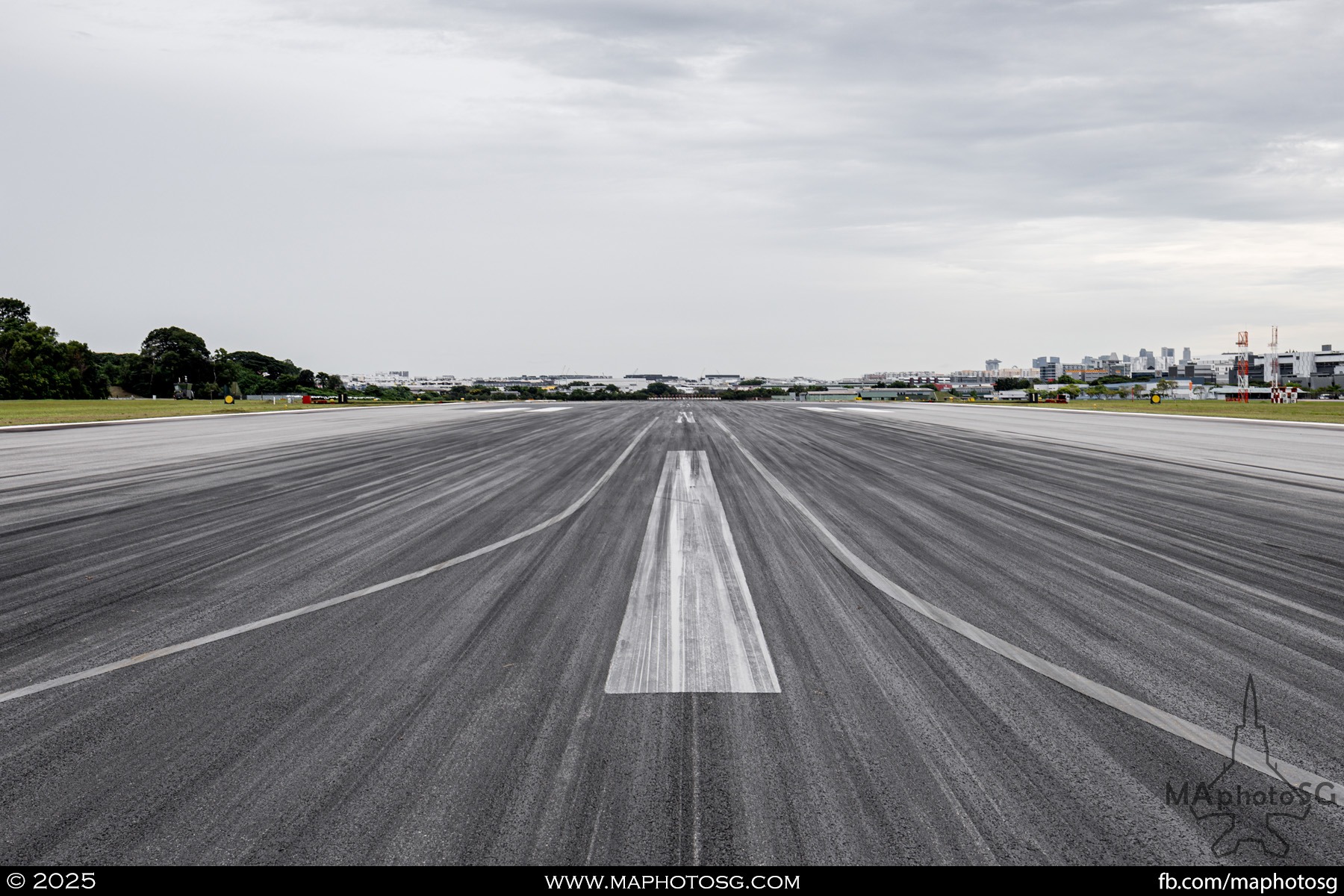
The walk also formed part of the RSAF’s Community Outreach Programme (COP) initiative. While offering the rare opportunity for the public to step onto the 4,080 x 61 metre runway—last opened in 2012 for the National Runway Cycling and Skating event—the RSAF also engaged residents on noise management efforts during the upcoming PSLE period. These include shifting the capstone Five Power Defence Arrangements (FPDA) exercise Bersama Lima to Changi Air Base, scheduled from 24 September to 5 October 2025.
Paya Lebar Airport – A Brief History
The idea of an airport at Paya Lebar was conceived in 1950, when it was apparent that Singapore’s first civil airfield in Kallang was proving inadequate for post-World War II era civil aircraft that required longer runway and larger facilities. Construction necessitated acquiring over 1,000 acres of land and resettling thousands of residents, many who moved to Bedok. The project envisioned for two parallel runways (though only one, 8,000 x 200 feet, was built) and a central terminal building.
The brand new airport was Class B3 by 1953 ICAO standards, equipped with the latest technology of the time, such as approach and runway lighting, radio navigational aids, and surveillance radar, and was aptly named the Singapore International Airport. The grand opening on 20 August 1955 saw the attendance of over 10,000 people and was graced by the Secretary of State for the Colonies, the RT Hon. Alan Lennox-Boyd. The opening featured a ceremonial flypast of 24 aircraft from the Royal Air Force (RAF), the Royal Australian Air Force, the Royal New Zealand Air Force, and the Malayan Auxiliary Air Force, an aerial show by the Royal Singapore Flying Club, an exhibition of machinery used for the construction of the airport, and a record-setting 2-minute flight by a Super-Constellation from Kallang to Paya Lebar. Such was the airport’s significance that all commercial flights shifted from Kallang the very next day, beginning with a Garuda Convair from Jakarta at 12.15pm.
Development continued after the opening, with additions including a five-storey administration and operations block, a runway extension to 9,000 feet, a new parking apron, and a permanent passenger terminal—all completed by 1964.
During the Cold War period of the 1960s to 1970s, Paya Lebar’s apron became a stage for diplomacy, welcoming both Western and Eastern leaders and helping Singapore establish itself as a neutral and reliable partner in the region. Notable figures who arrived at the airfield included U.S. Vice-President Neison Rockefeller in 1976, People’s Republic of China Senior Vice-Premier Deng Xiaoping in 1978 and West German Chancellor Helmut Schmidt that same year. Even after its transition into a military airfield, Paya Lebar has continued to host world leaders, including delegations attending the annual Shangri-La Dialogue, the Trump-Kim summit in 2018, and U.S. Vice-President Kamala Harris in 2021.
Paya Lebar Airport was also central to Singapore’s aviation history. It served as the main hub for Malayan Airlines during the colonial period, the years of self-governance granted by the Rendel Constitution, and the brief merger with Malaysia. After Singapore’s independence, Malayan Airlines was rebranded as Malaysia-Singapore Airlines (MSA), a joint venture between both governments. On 1 October 1972, diverging visions led to the dissolution of MSA into two separate national airlines. Singapore Airlines (SIA) was thus born, inheriting MSA’s international routes, headquarters at Robinson Road and Boeing 707 and 737 aircraft.
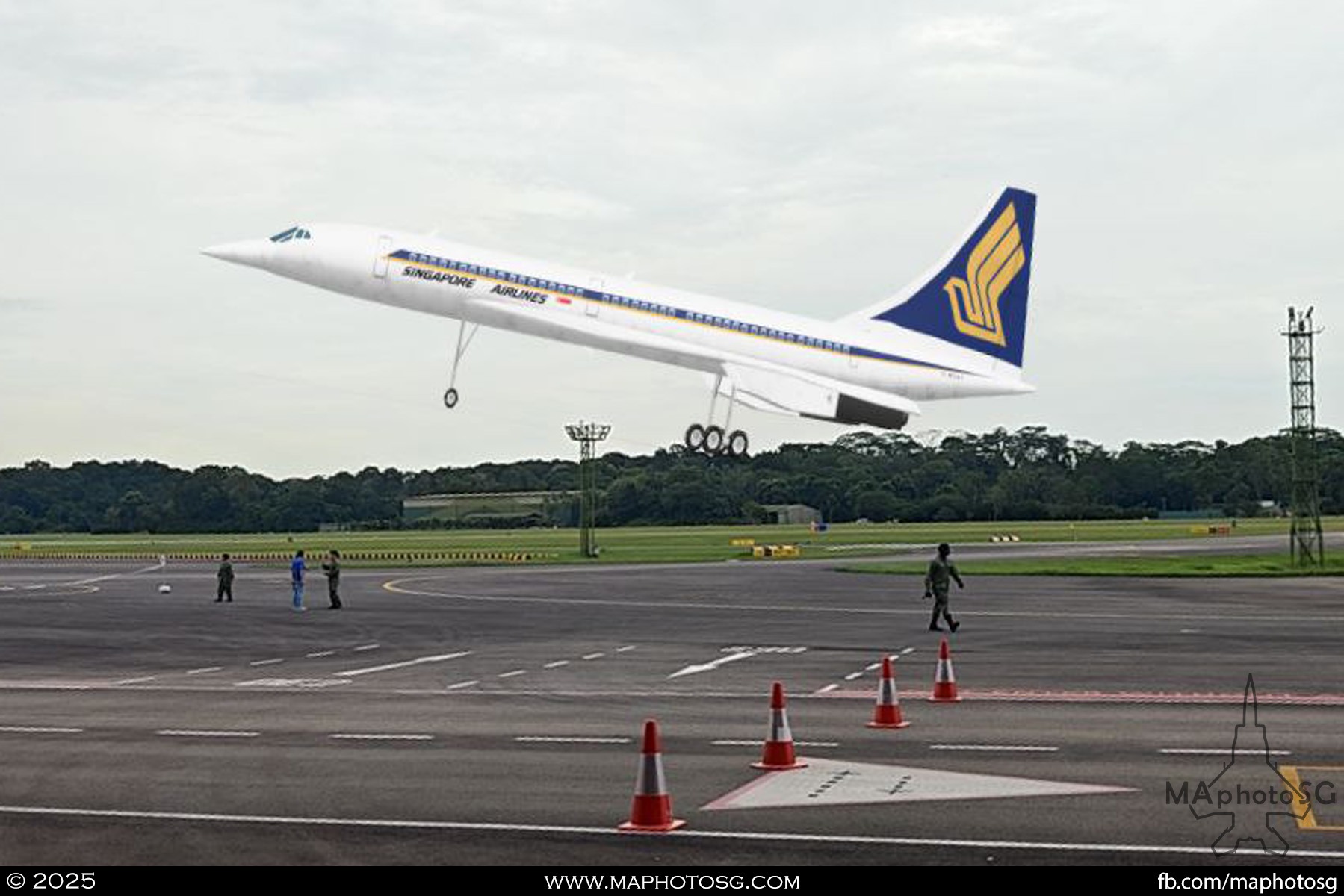
The 1970s and early 1980s brought iconic moments. On 7 June 1972, more than 7,000 people gathered to witness the inaugural touchdown of Concorde 002 from Bangkok during its Far East demonstration tour. In 1977, British Airways and SIA formalised a thrice weekly Concorde service on the London-Bahrain-Singapore route, with a flight time of 9 hours. The first flight arrived on 10 December 1977, instantly recognisable with a Concorde (G-BOAD) painted with half-BA, half-SIA livery serving this route. The service saw constant operation from 24 January 1979 to 1 November 1980, after resolving setbacks with supersonic flight clearances with overflight nations. Although eventually discontinued due to low passenger numbers and high operating costs, the Concorde era left an enduring legacy at Paya Lebar and unforgettable memories for those who witnessed it.
Passenger numbers grew rapidly from the onset, from 300,000 annually in 1960, to 1.7 million by 1970, and 4 million by 1975, far exceeding capacity. While a terminal expansion was conducted as an interim measure, it was clear that a larger site was needed to house Singapore’s next international airport. Changi was selected in 1975, and by 1 July 1981 all commercial flights had moved there, with Paya Lebar officially converted into Paya Lebar Air Base (PLAB).
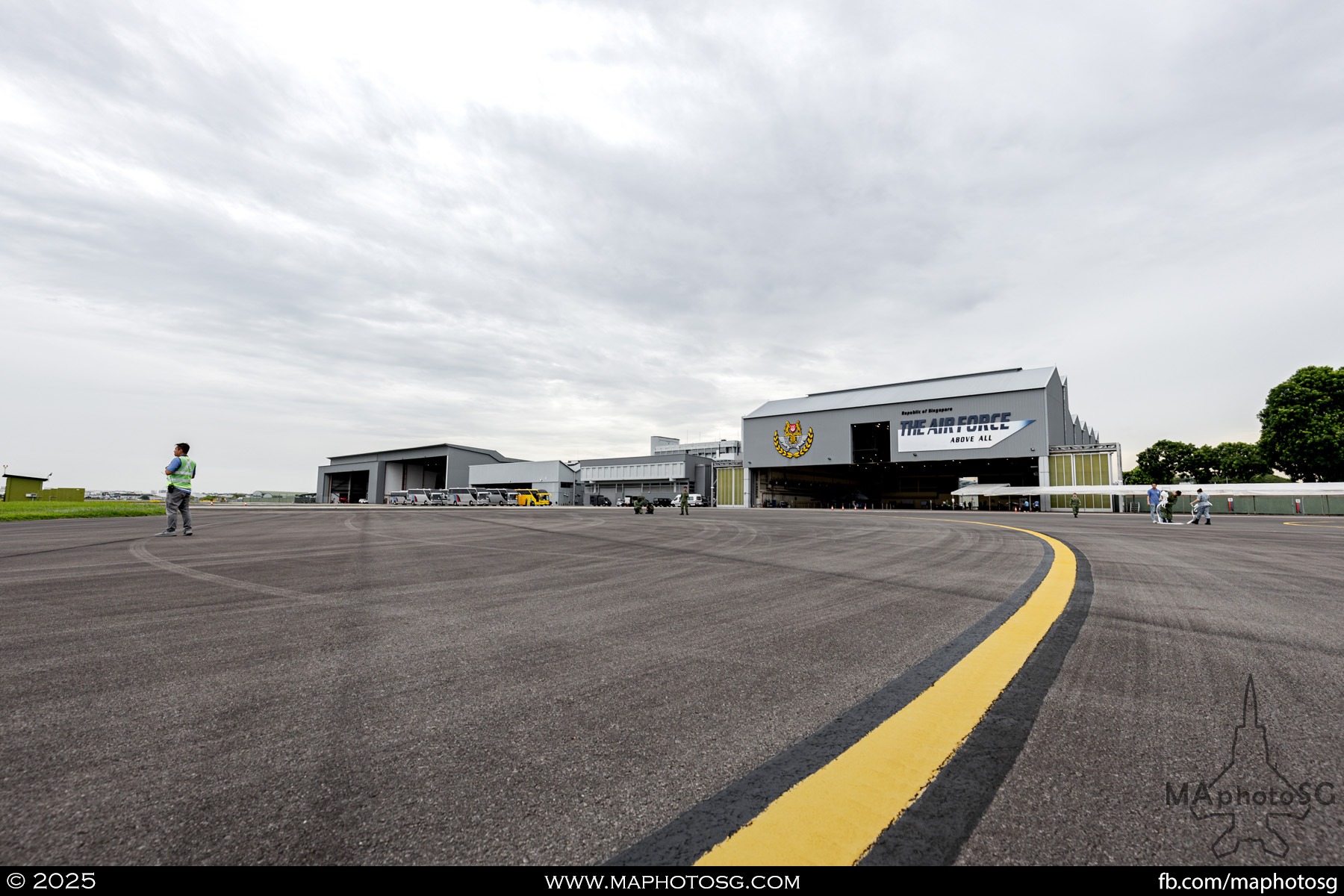
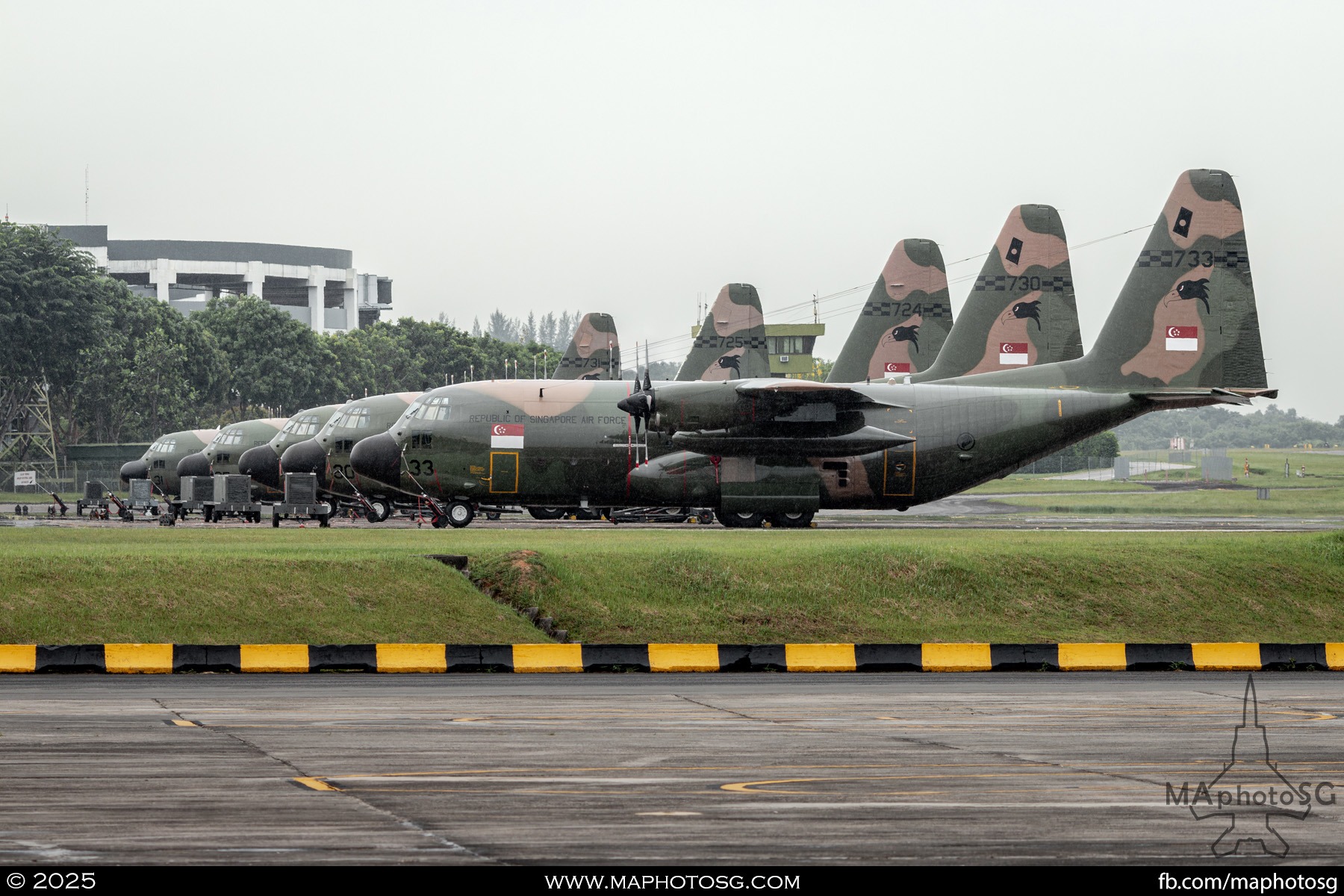
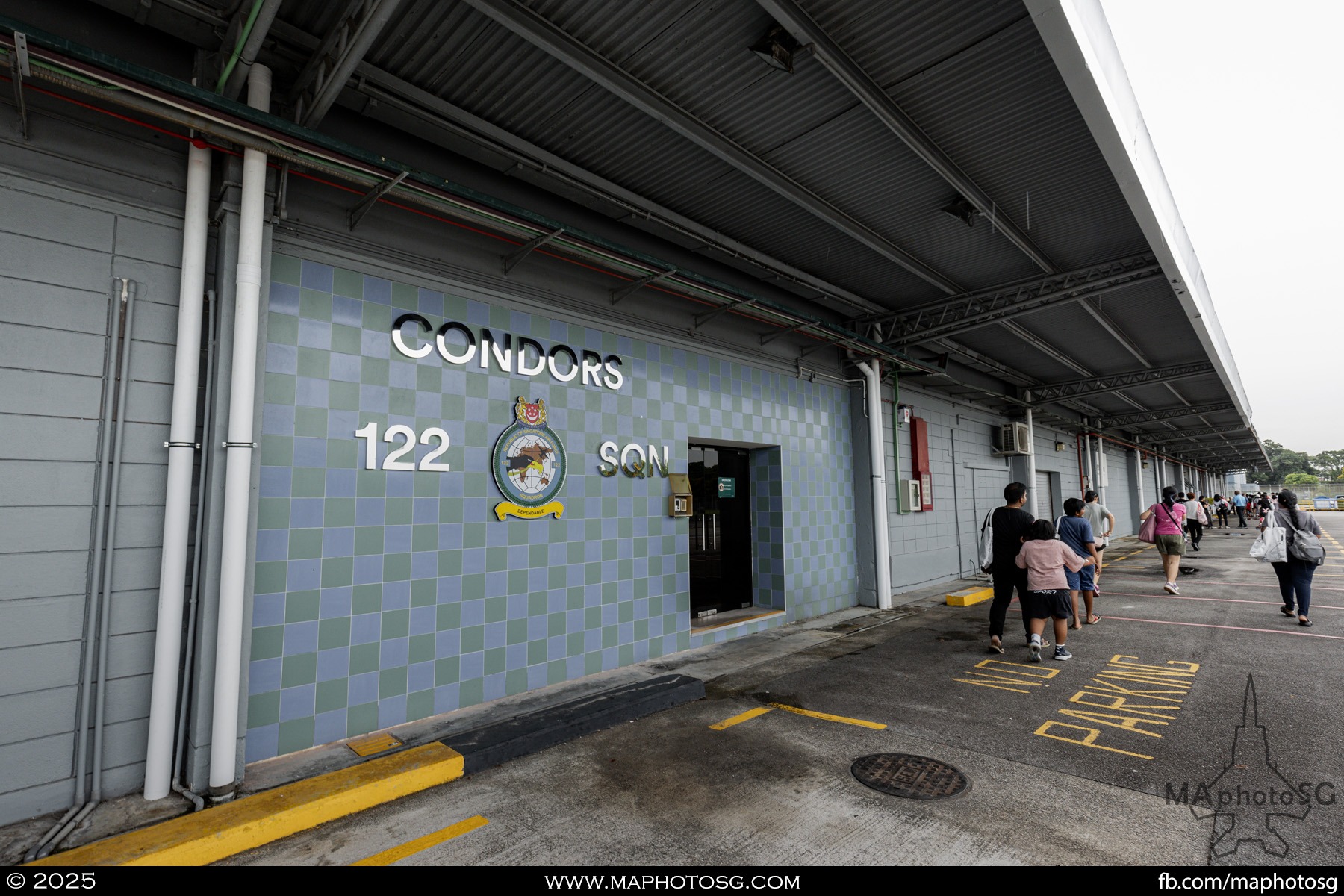
Today, PLAB houses three flying squadrons: 122 Squadron operating the C-130, and 142 and 149 Squadrons flying the F-15SG, playing crucial roles for Humanitarian Assistance and Disaster Relief (HADR) and air defence missions respectively. Key support facilities for the RSAF, such as the Air Force Training Command (AFTC), the Aeromedical Centre, and the ST Engineering Defence Aviation Services are also housed adjacent the air base. PLAB is also a strategic refuelling and staging point for transiting military aircraft within the Indo-Pacific region. For example, the 497th Combat Training Squadron of the United States Air Force maintains a presence in PLAB for the support of Commando Sling exercises. More recently, stopovers by the Royal Air Force and the French Air Force, and the Royal Australian Air Force underscore the RSAF’s extensive network of global partnerships.
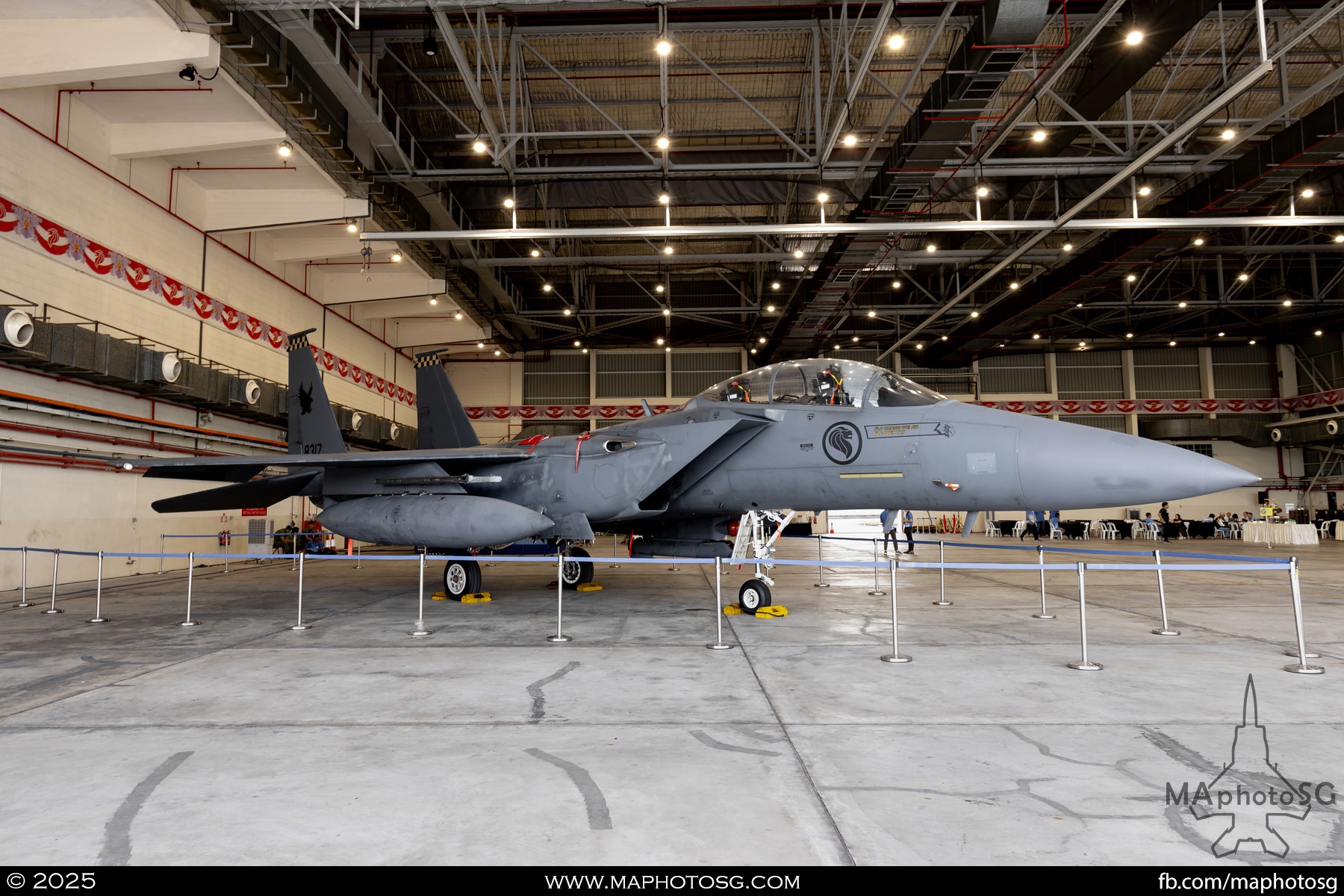
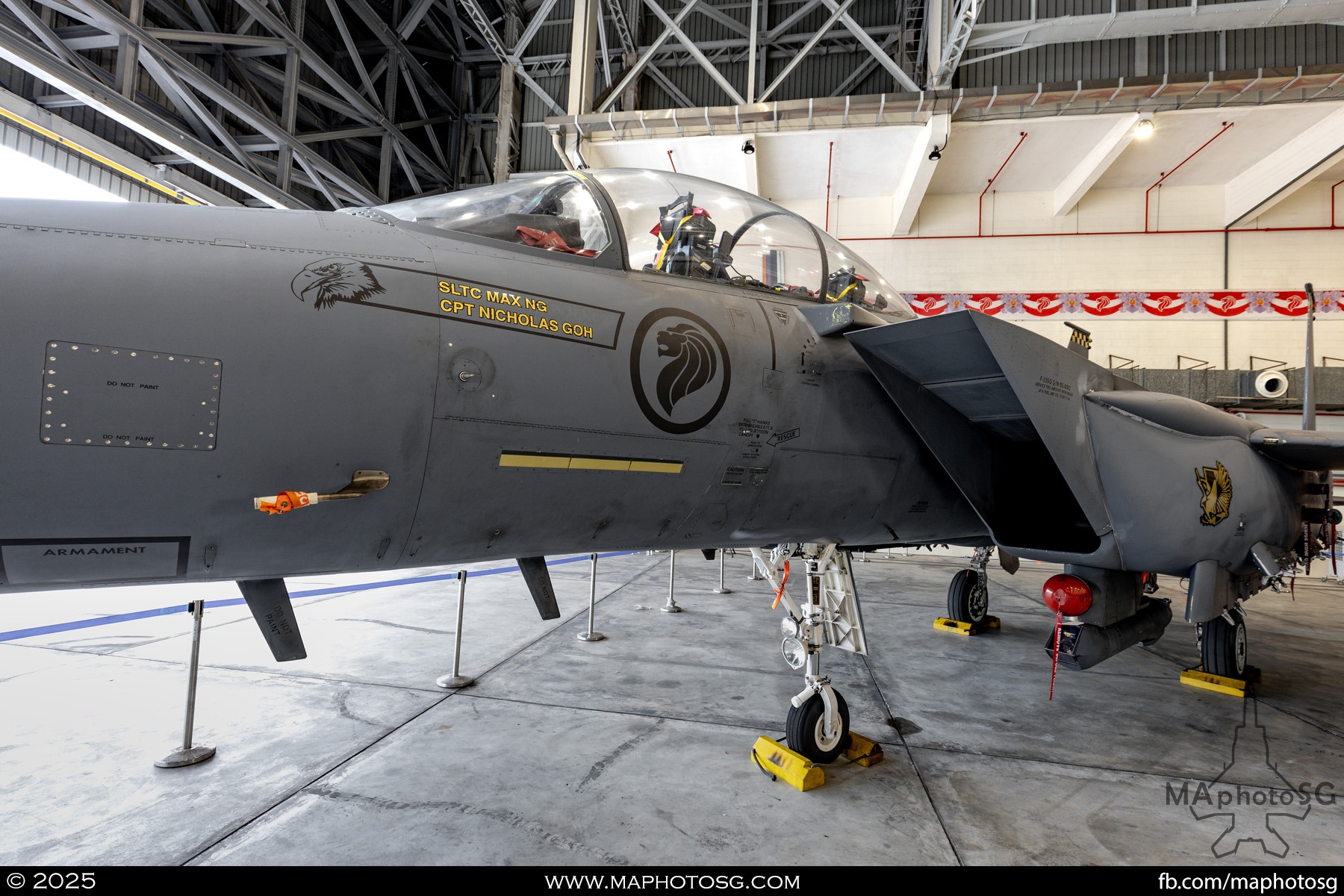
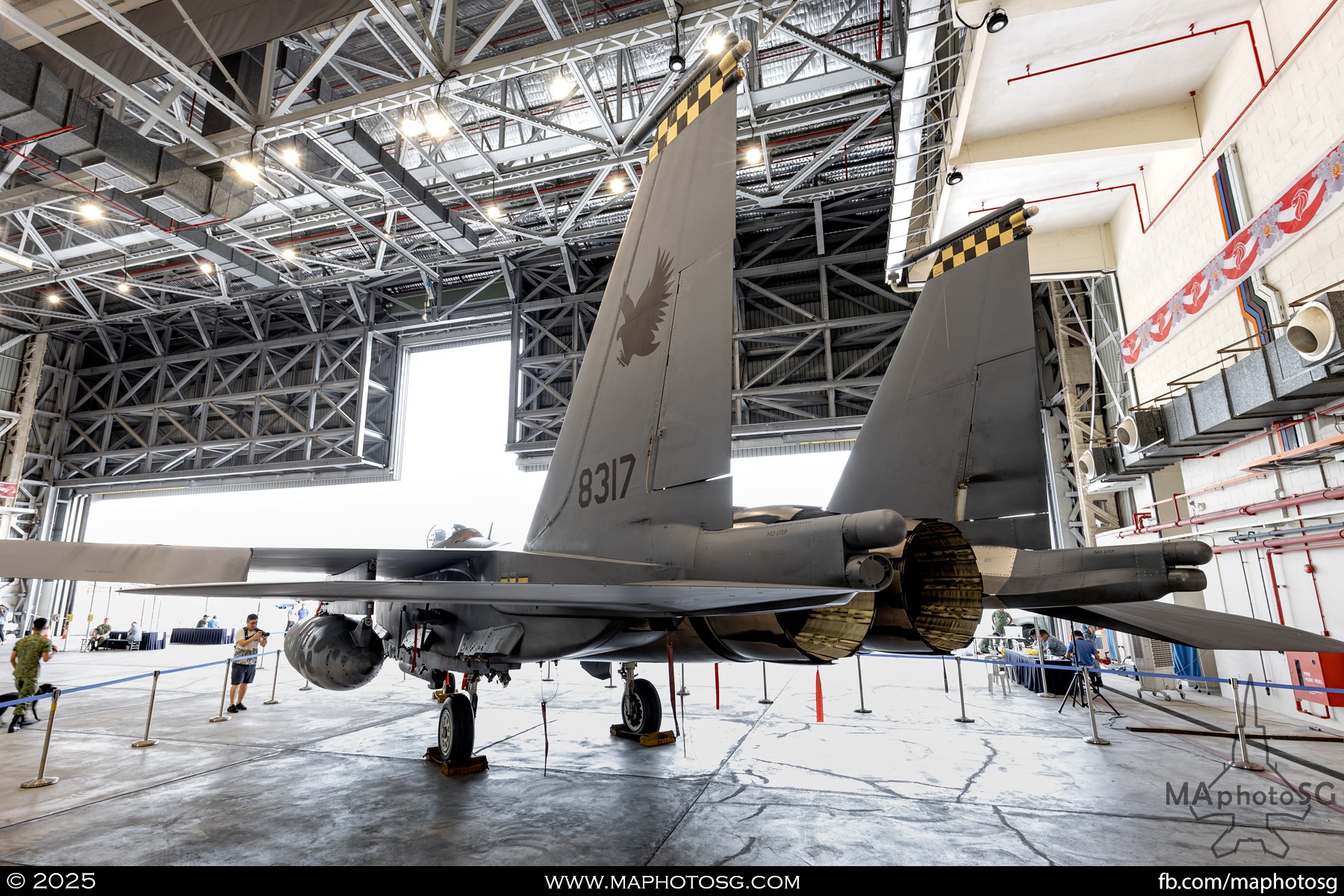
14./ 15. F-15SG on static display.
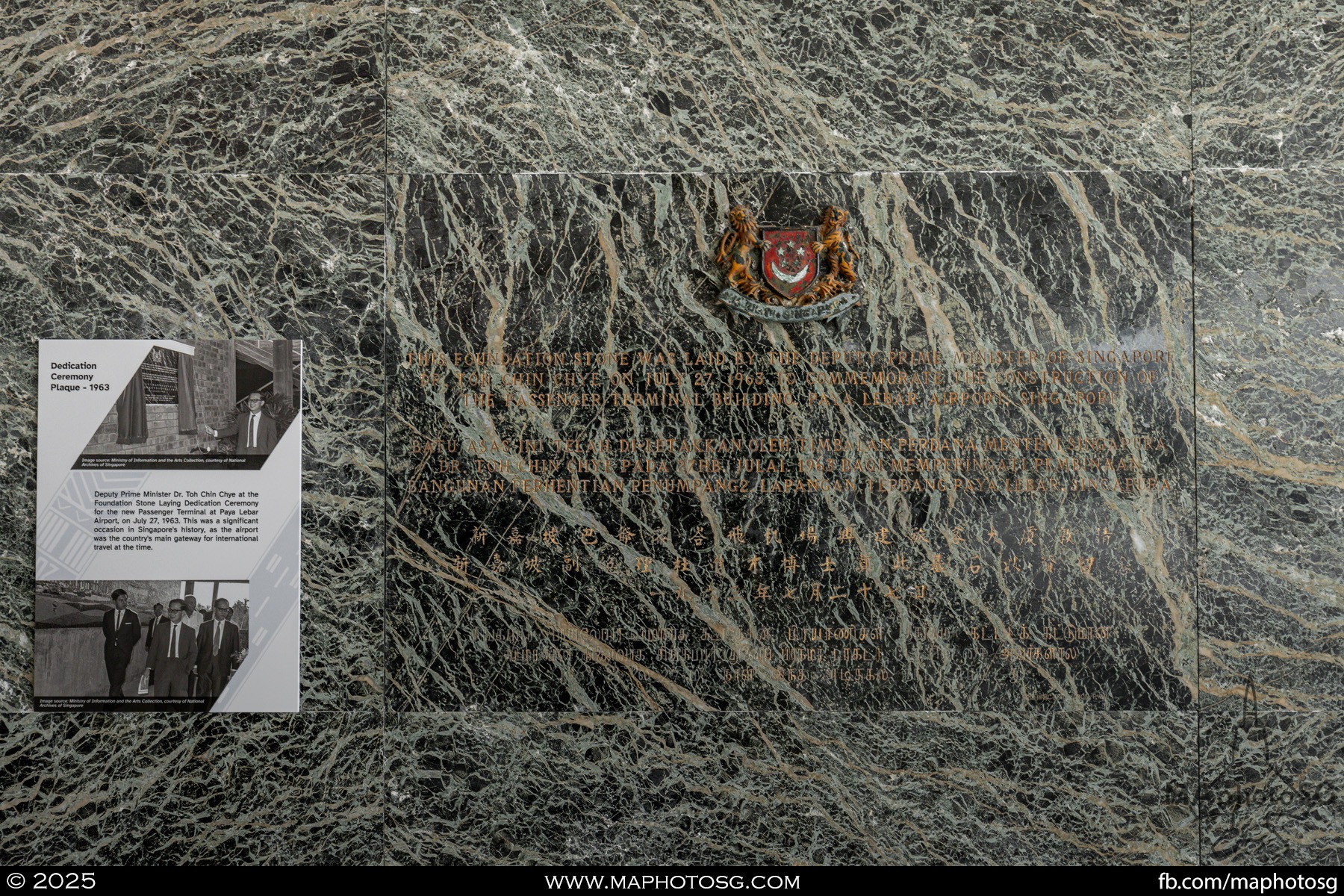
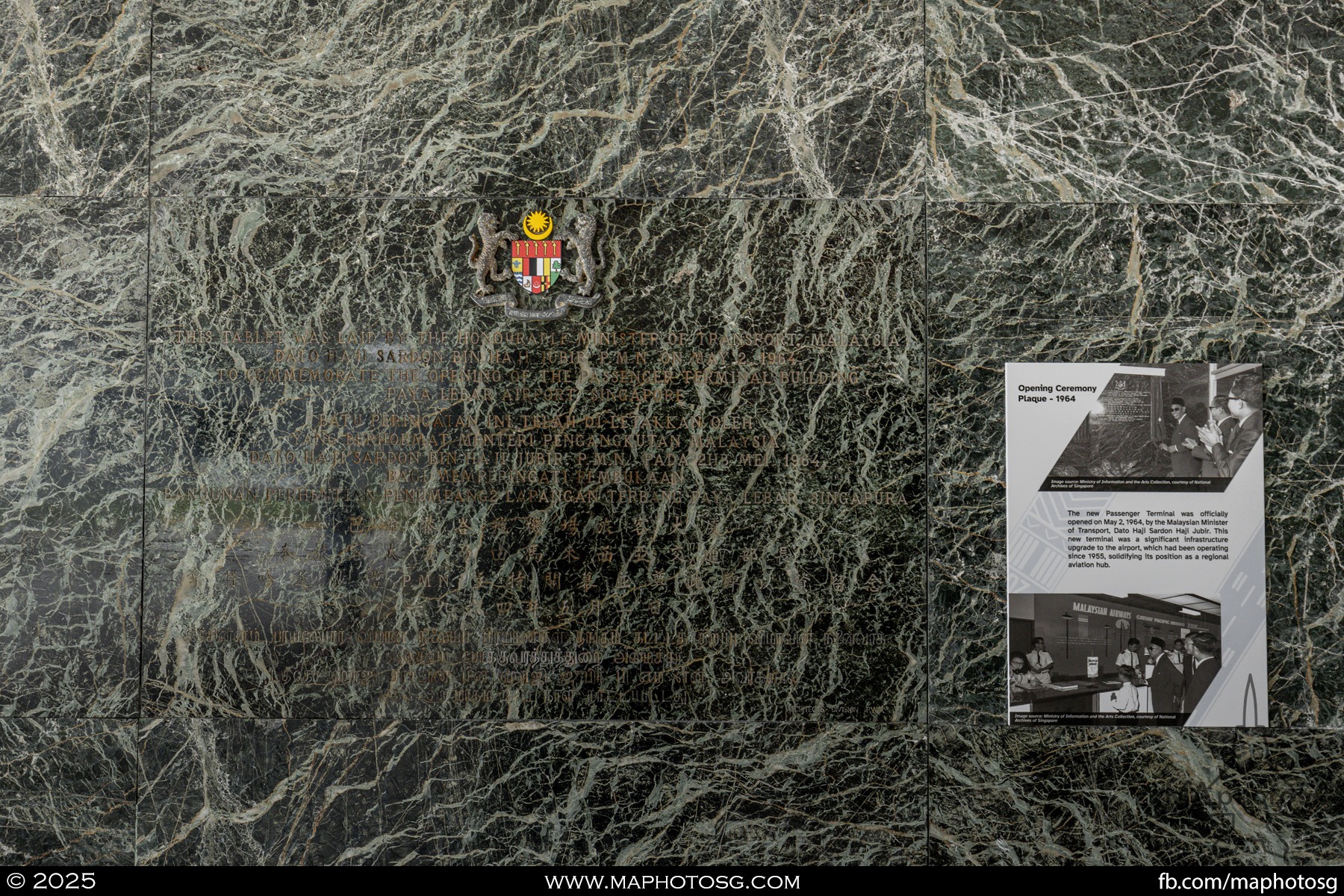
36. / 37. Plaques unveiled by Deputy Prime Minister Dr. Toh Chin Chye (left) and Malaysian Minister of Transport Dato Haji Sardon Haji Jubir (right) during the stone-laying ceremony on 27 July 1963, and the opening ceremony of the passenger terminal on 2 May 1964.