IN FOCUS | 60 IMAGES
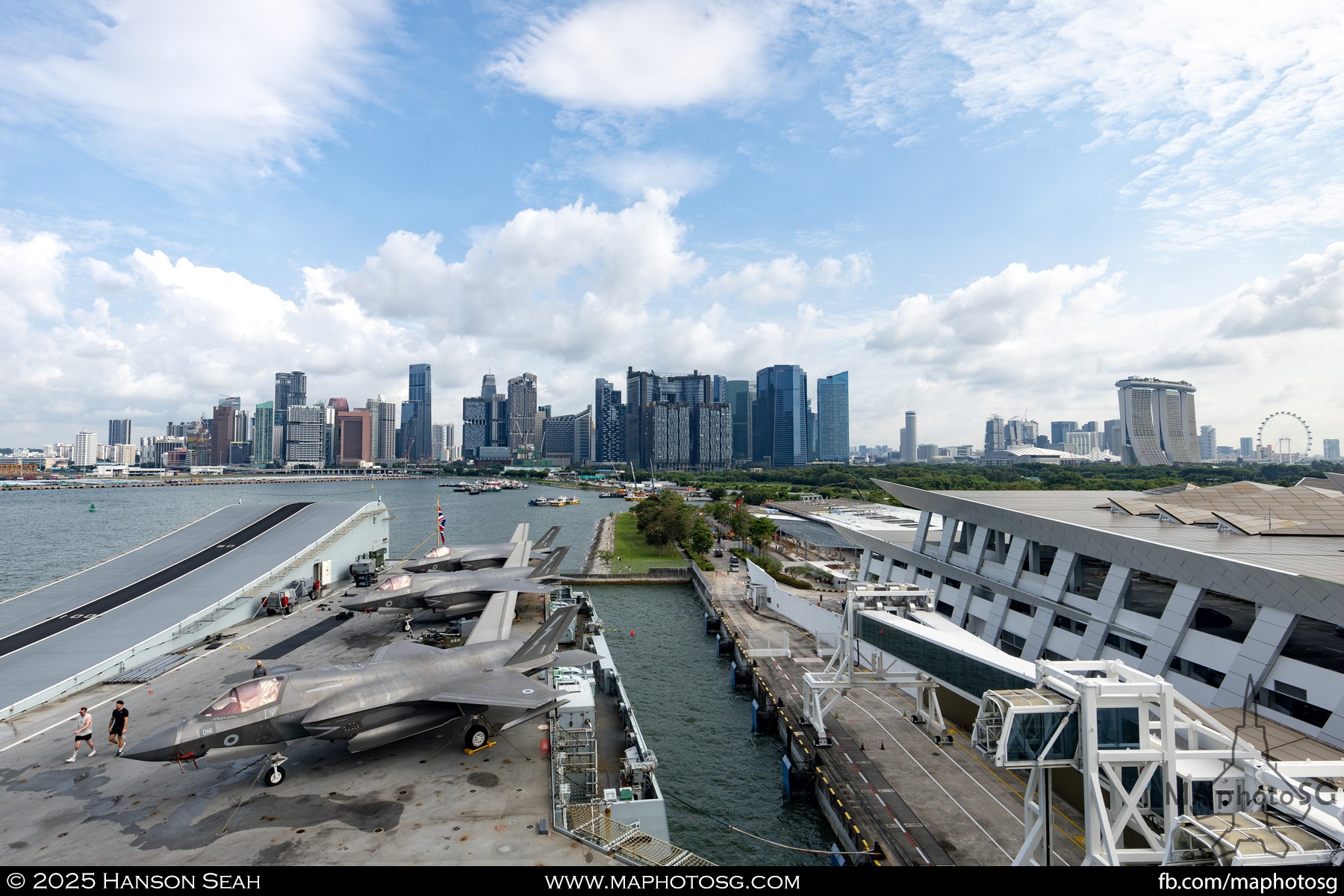
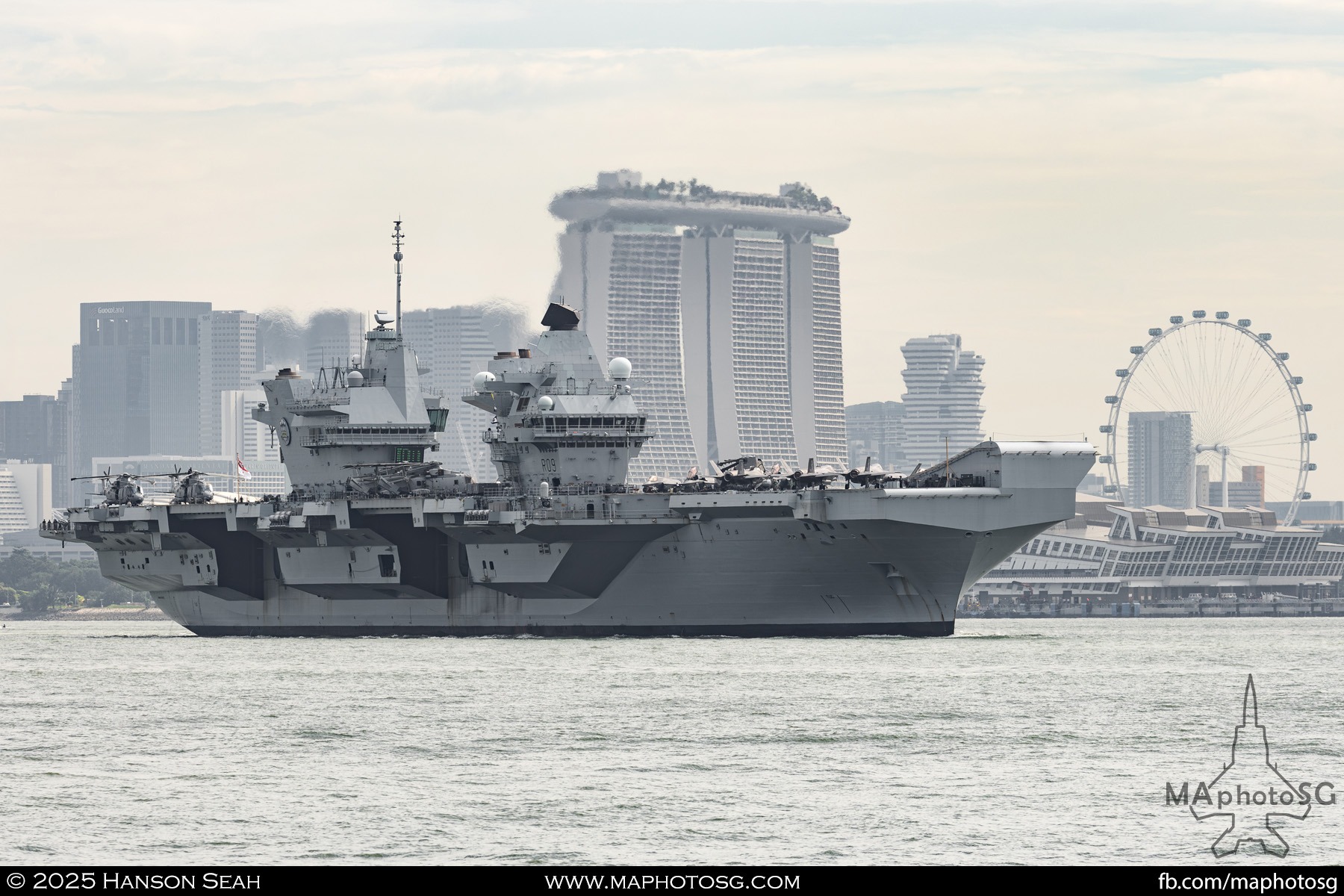
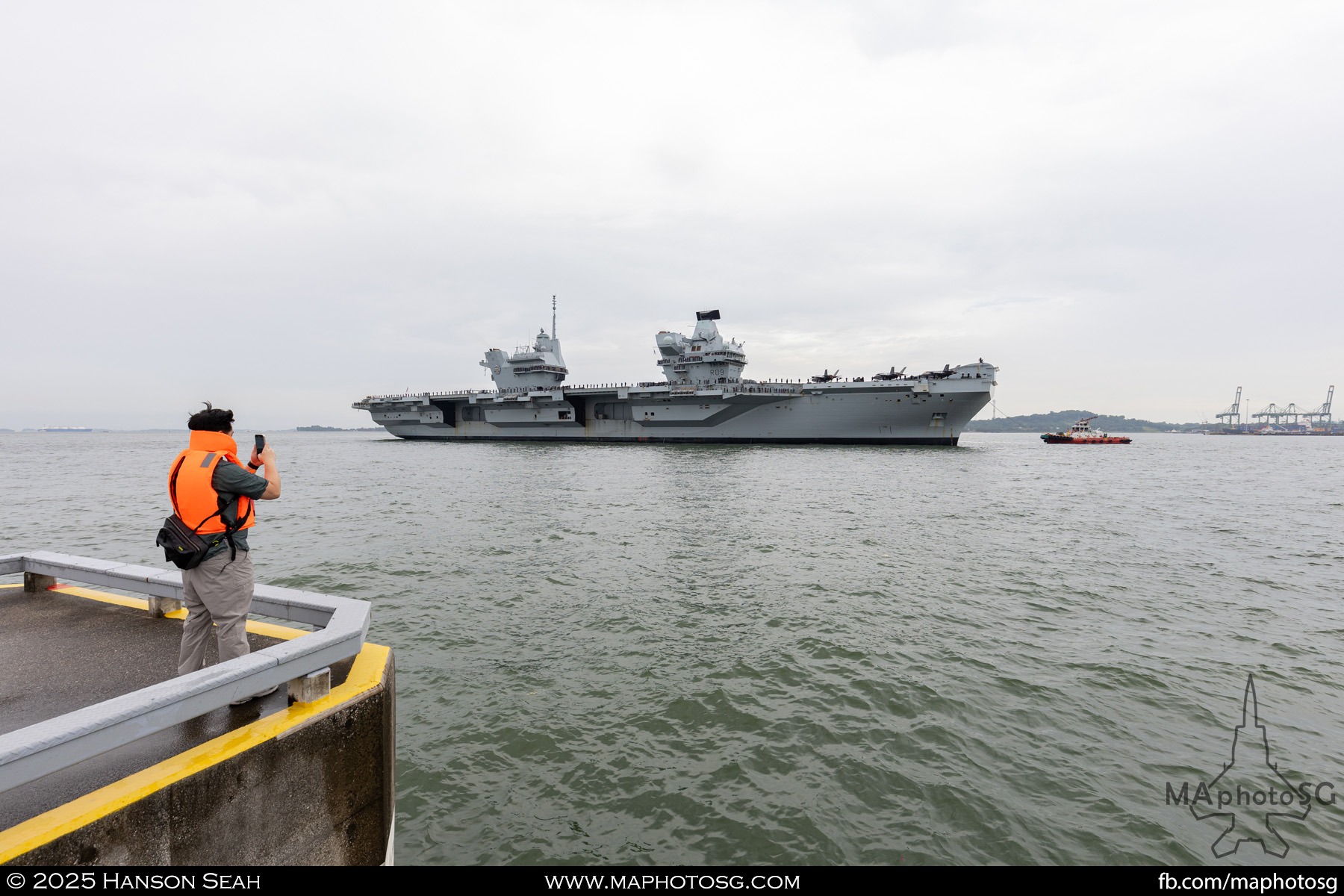
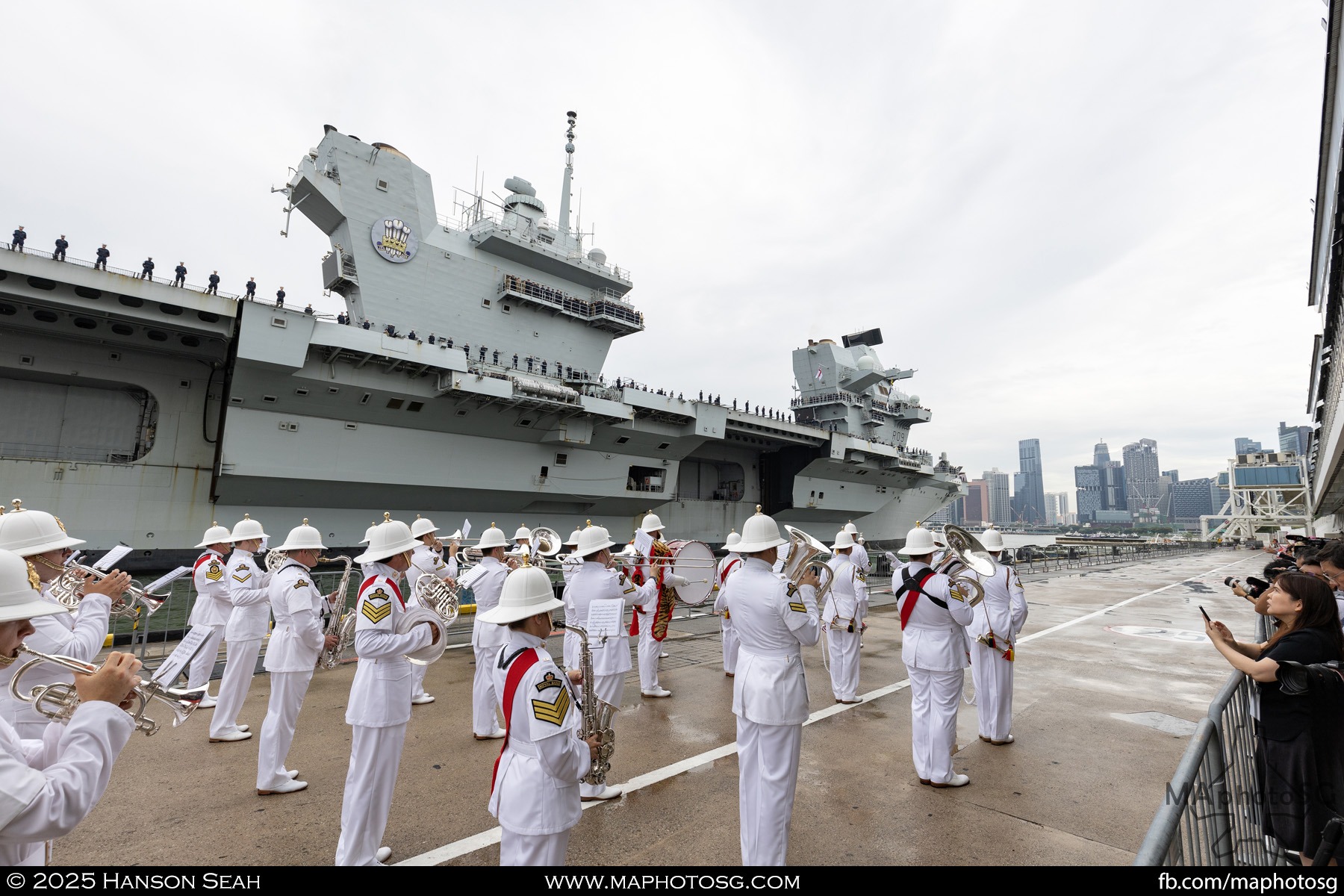
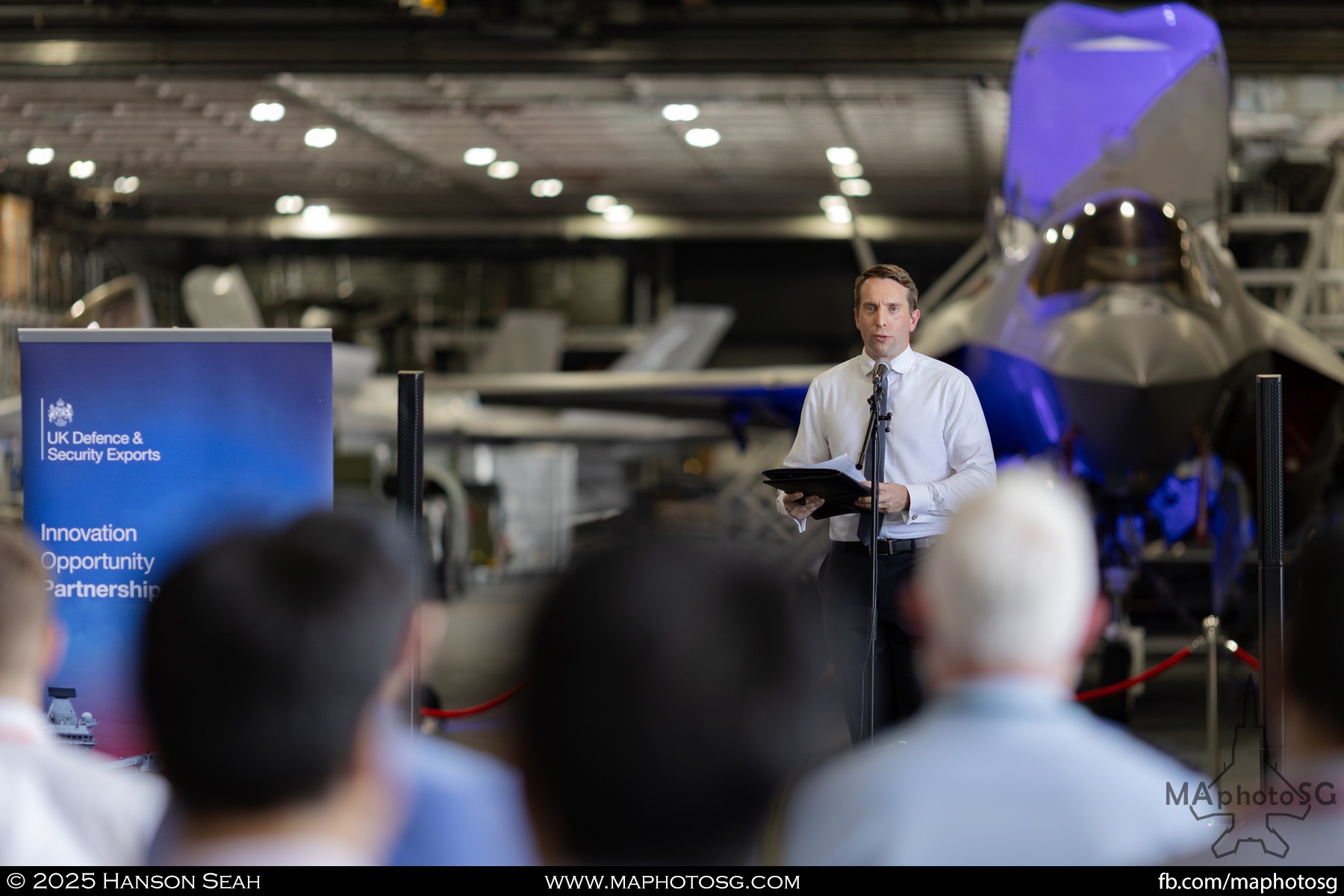
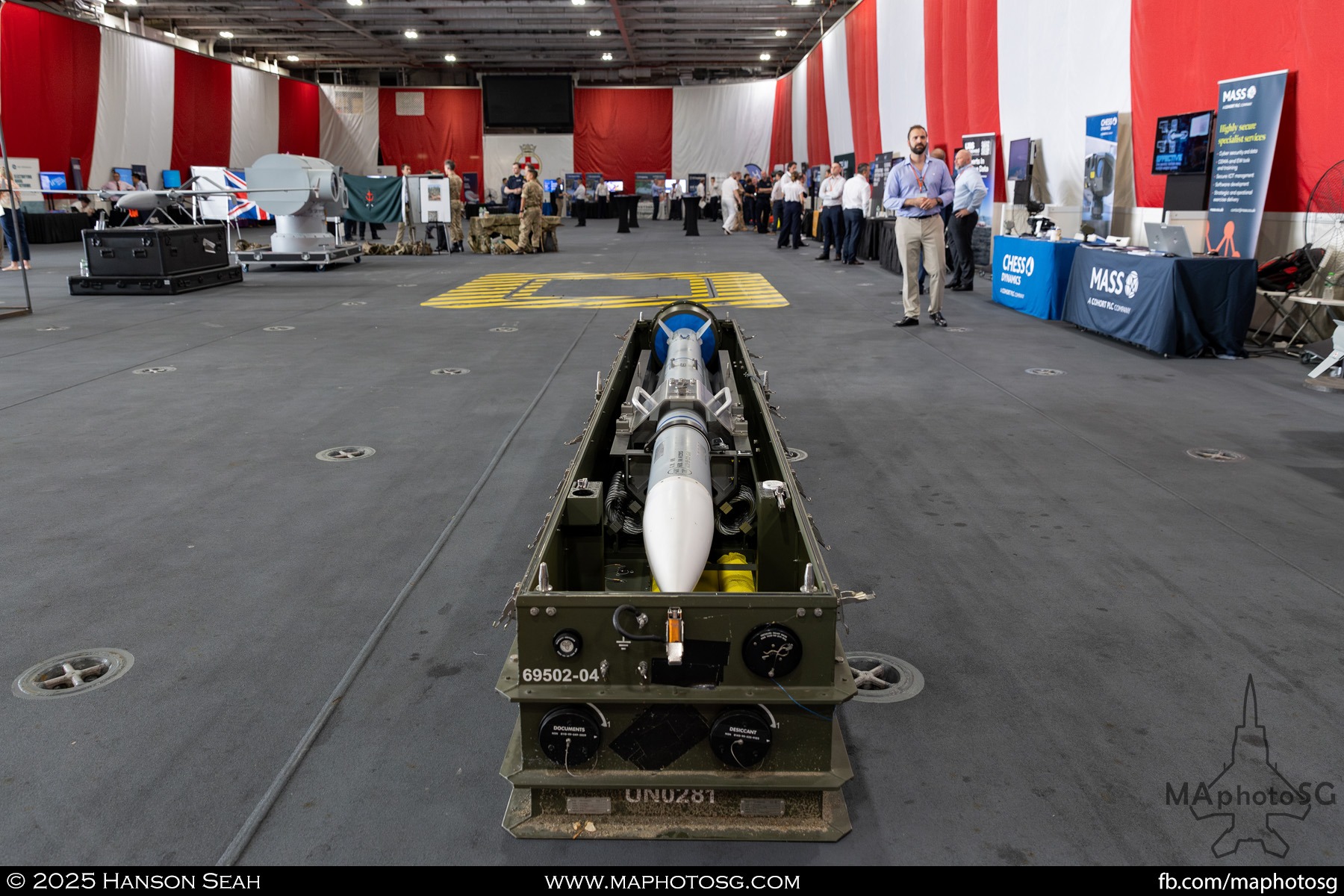
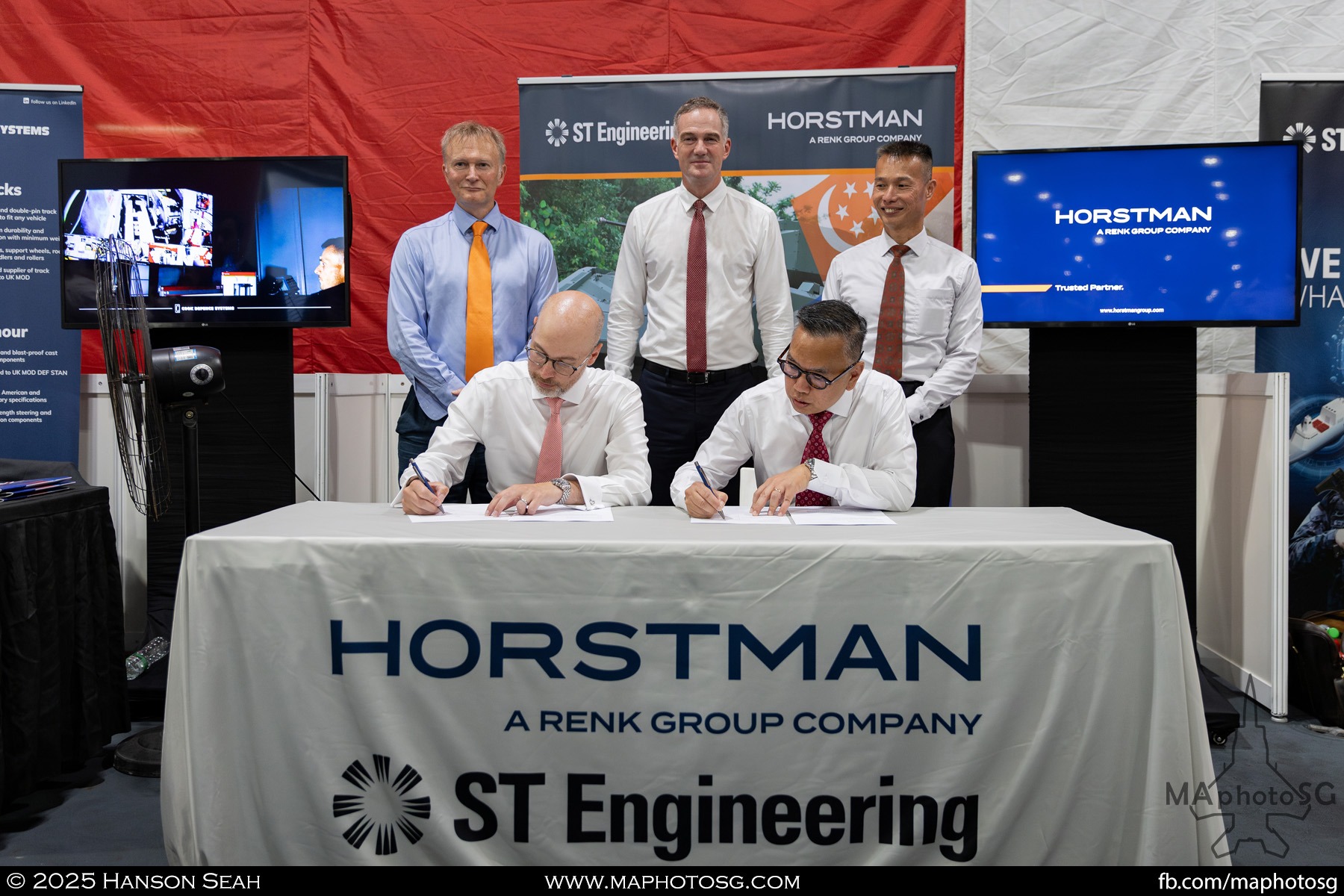
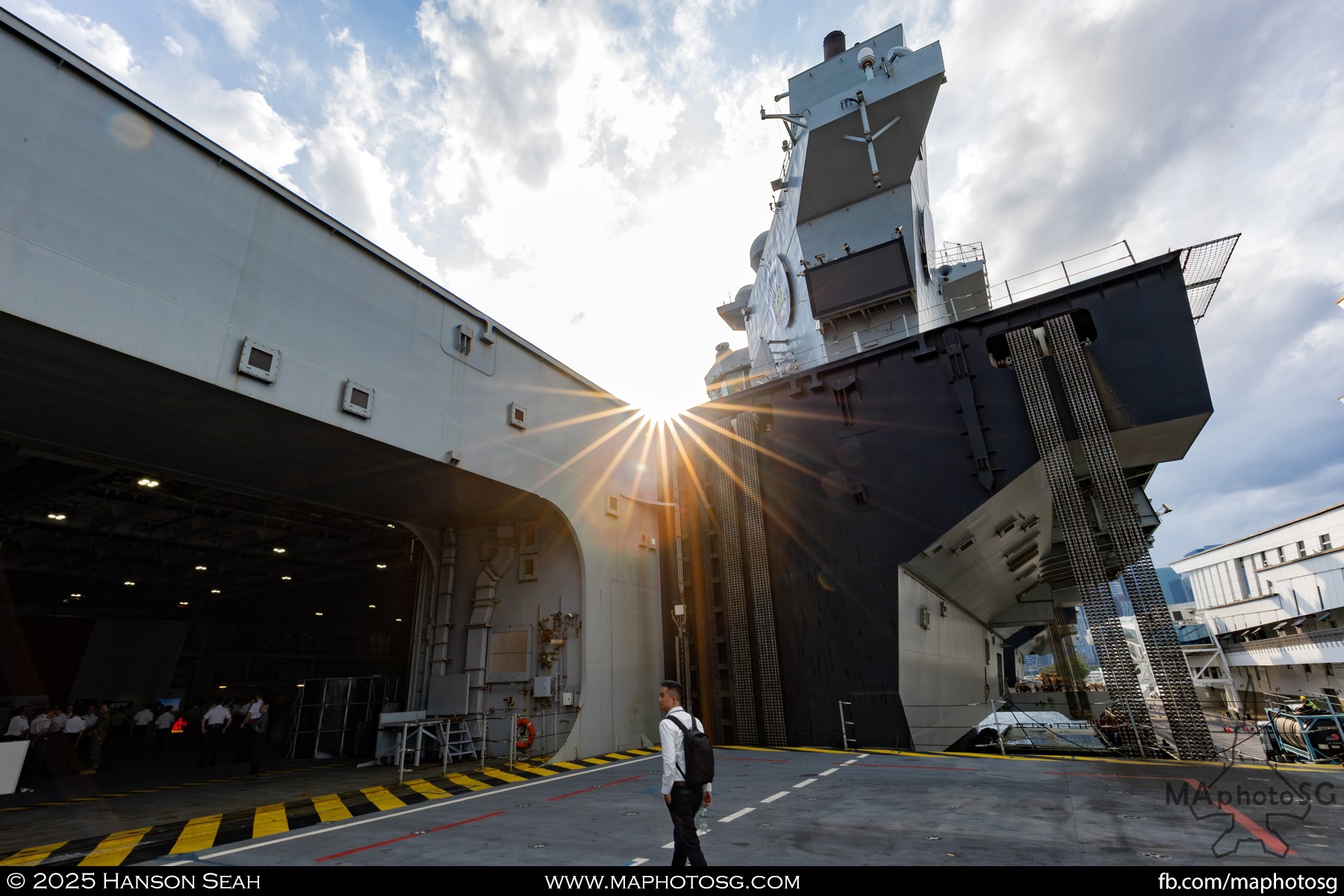
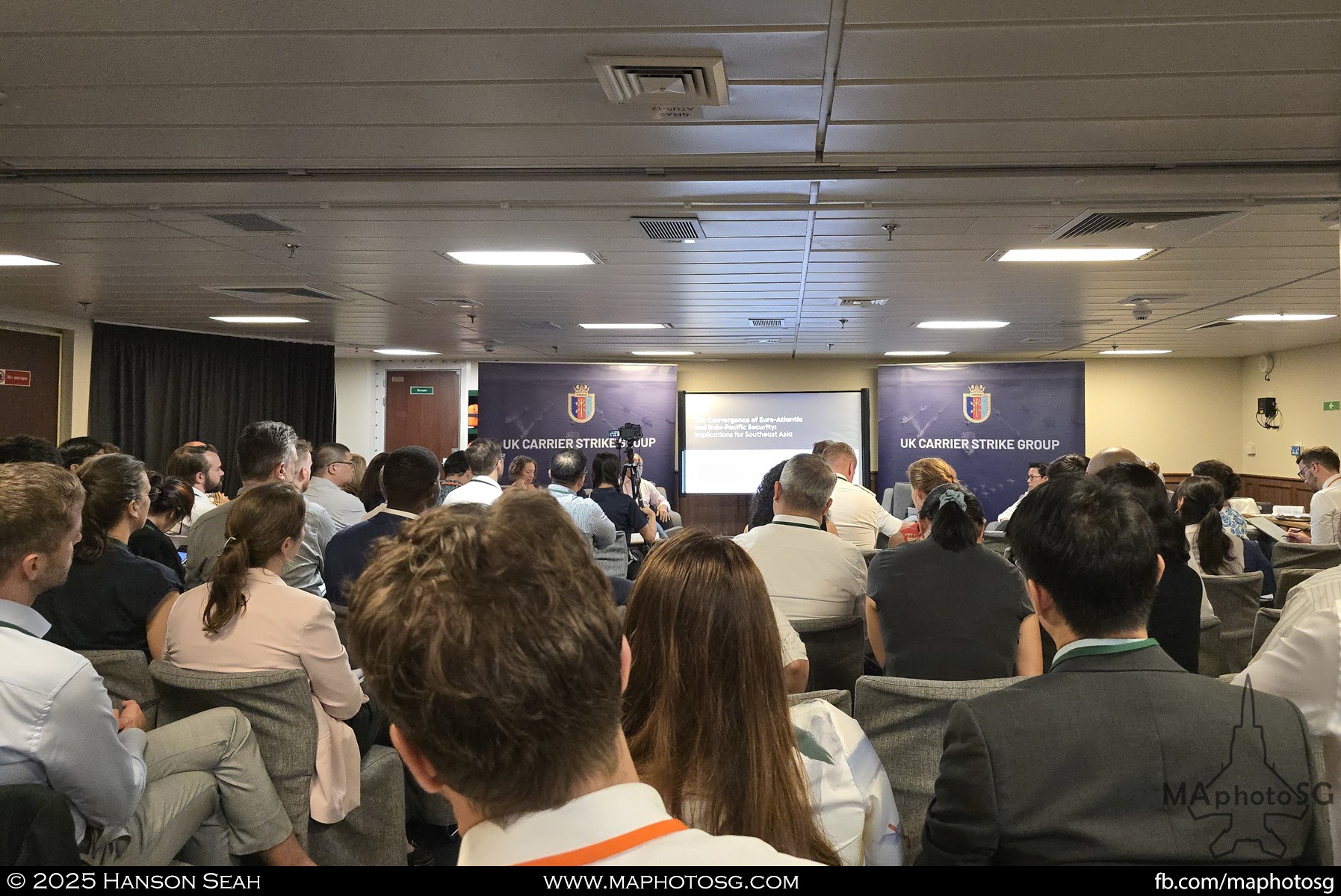
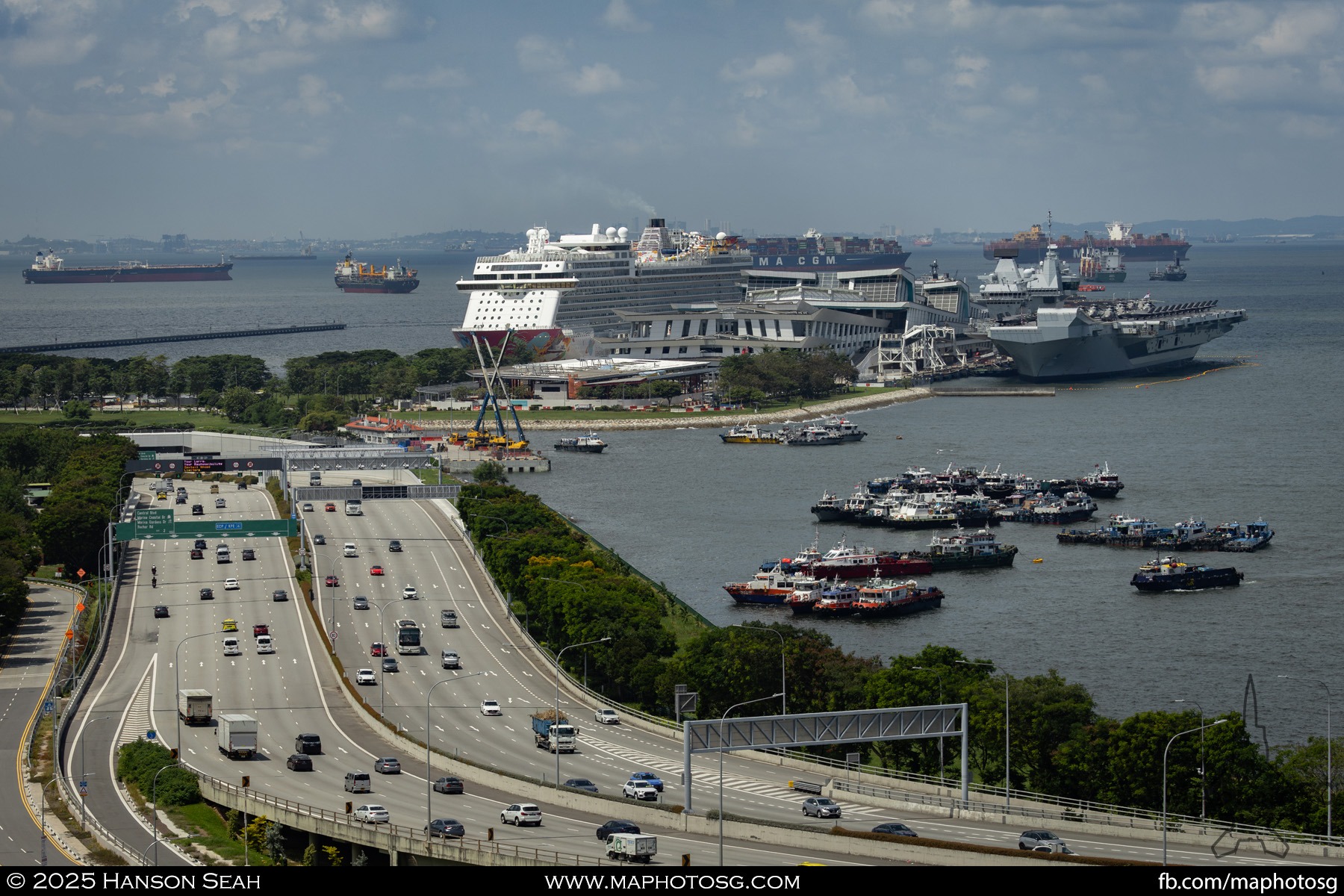
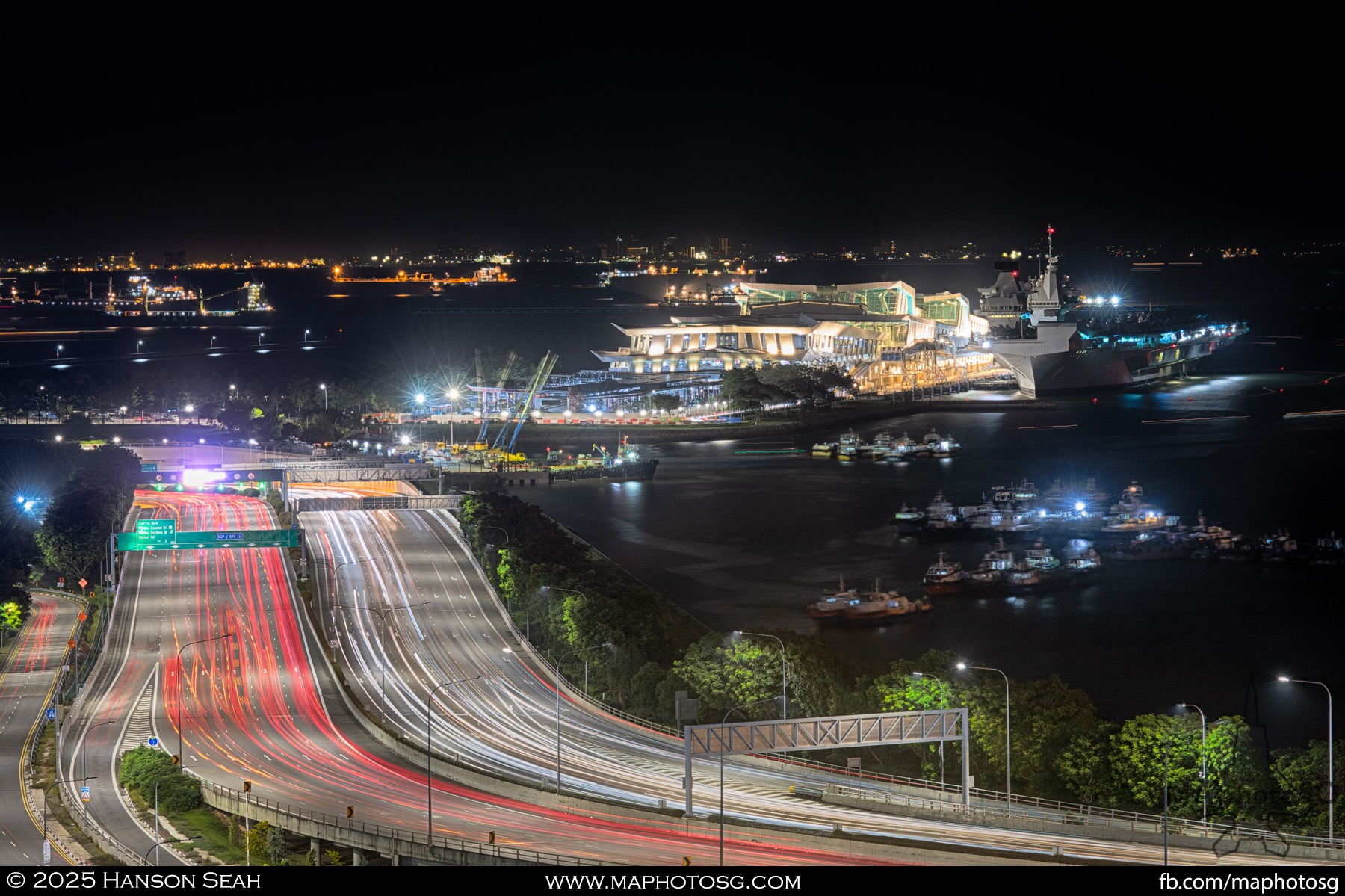
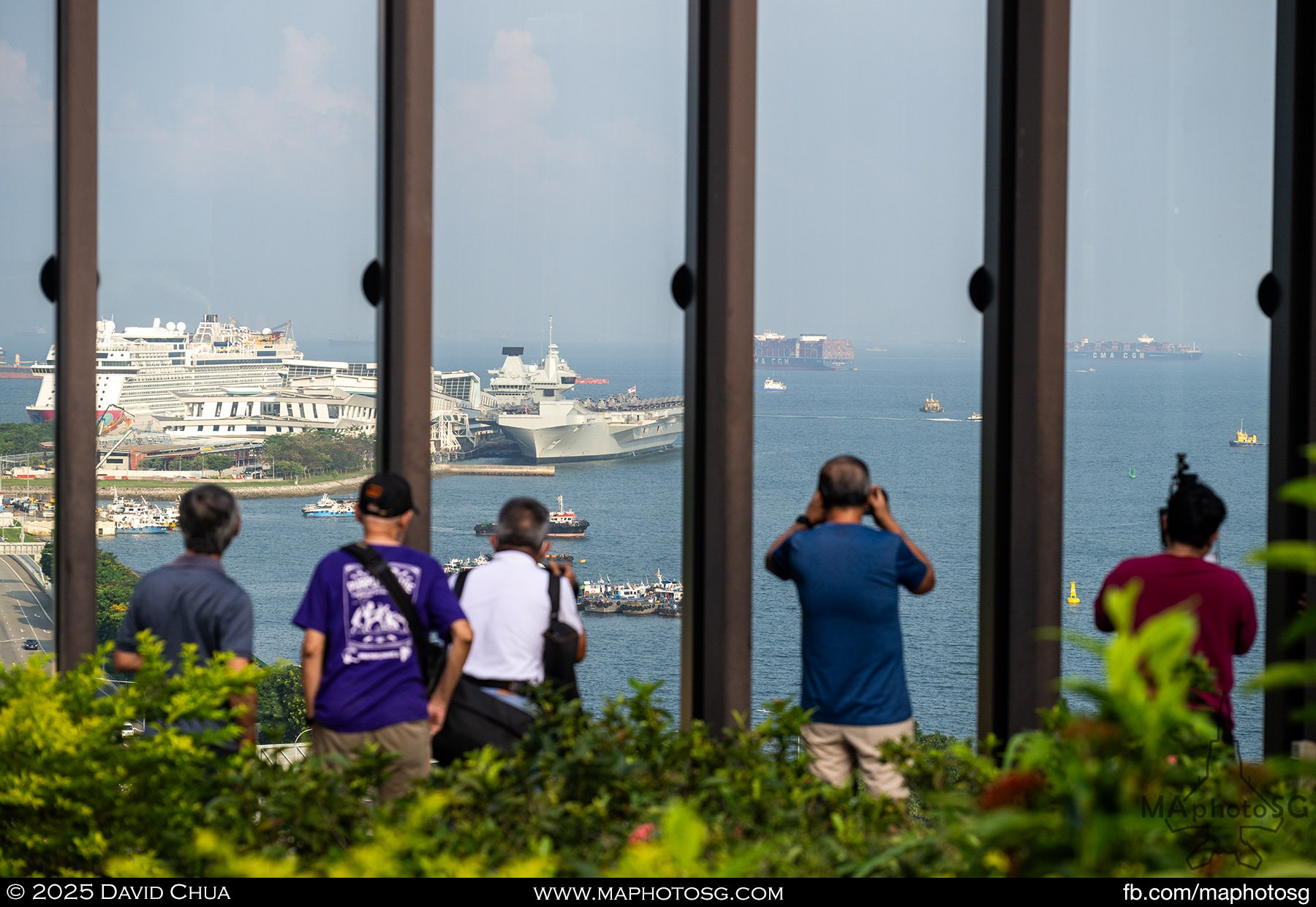
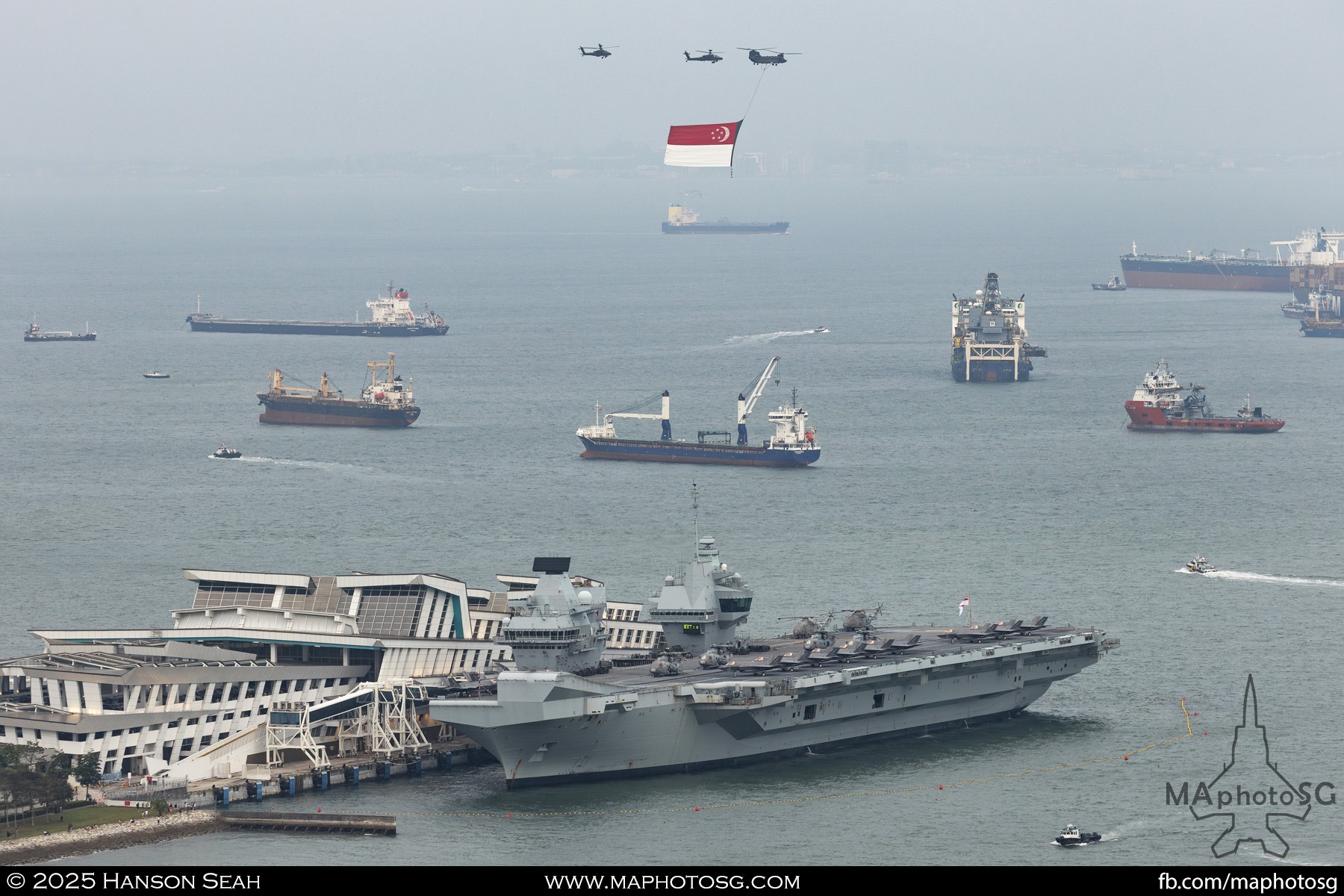
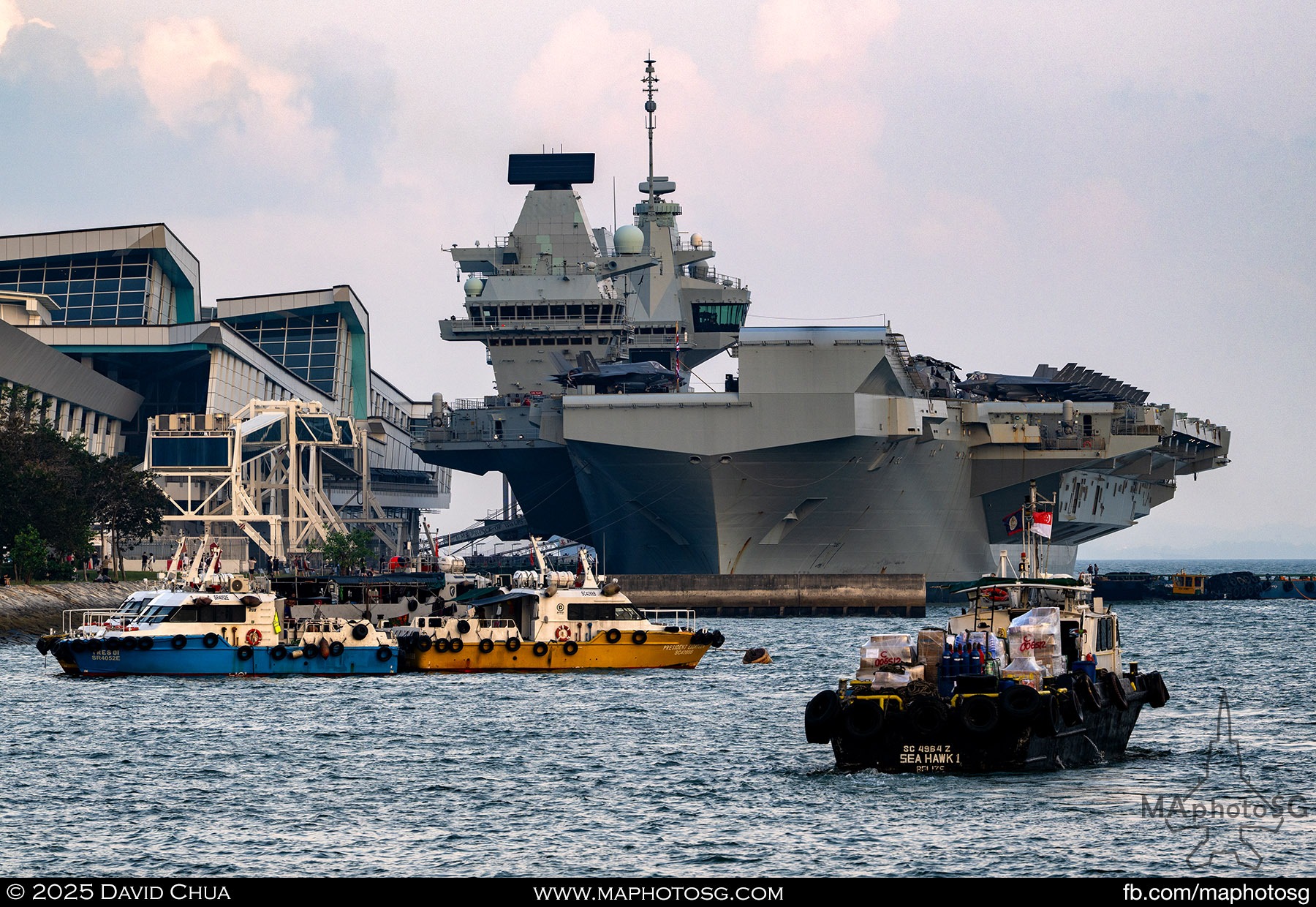
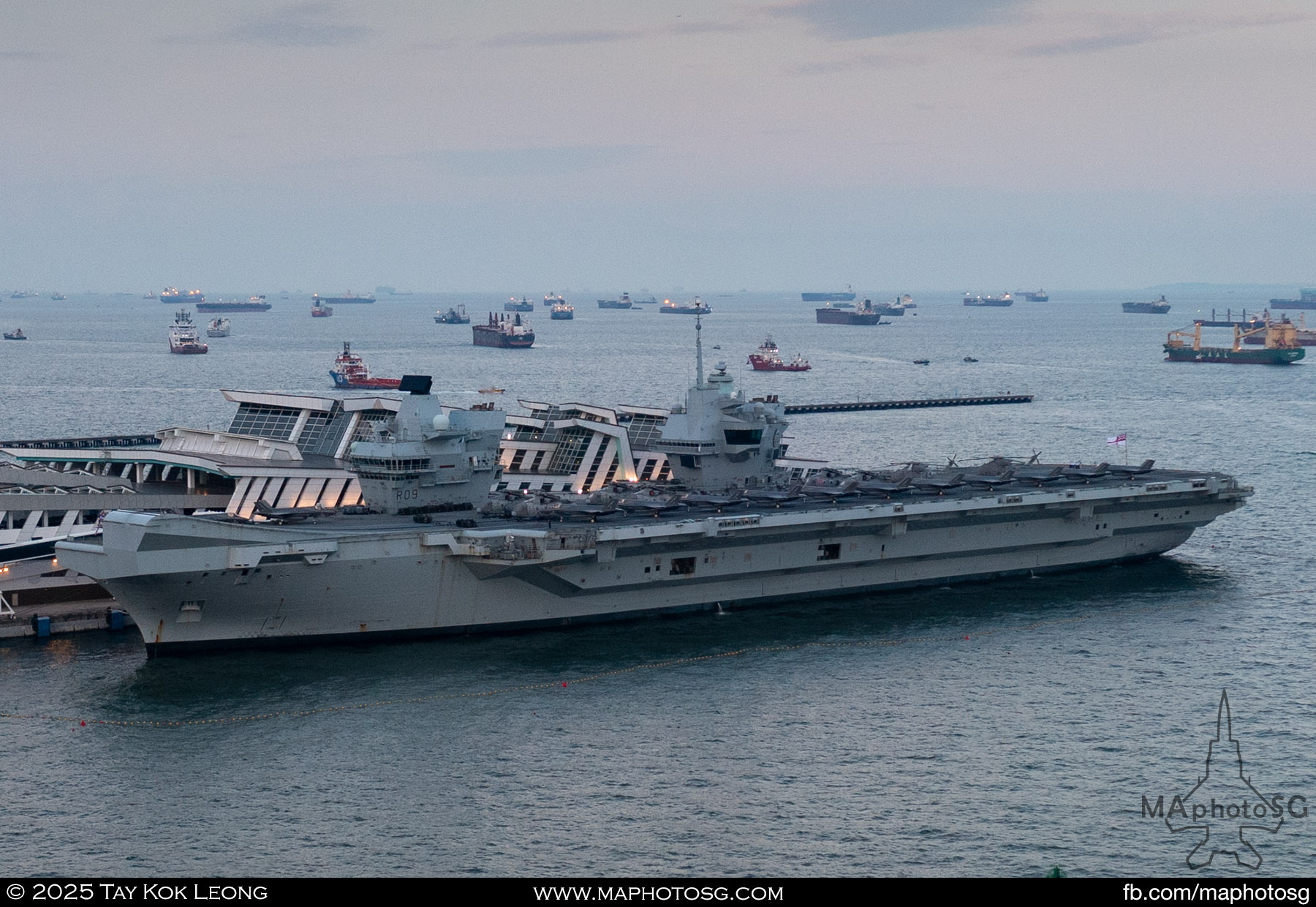
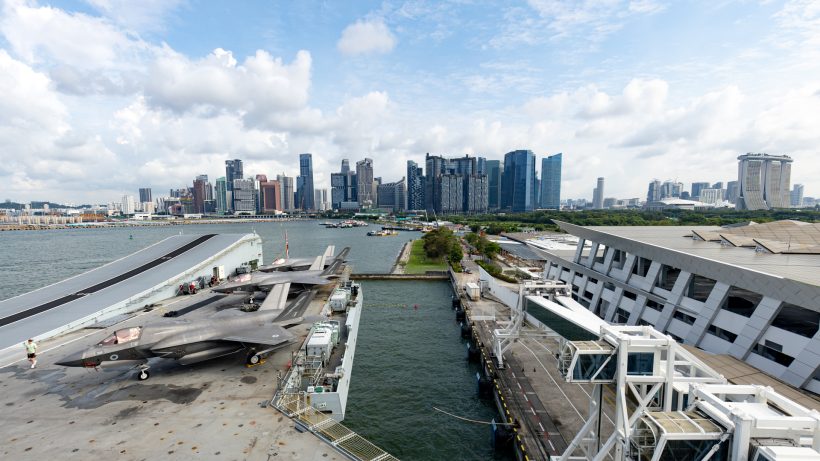
29 June 2025 – HMS Prince of Wales has set sail from Marina Bay Cruise Centre Singapore (MBCCS) after a historic six-day port call, which took place during the 60th anniversary of UK–Singapore relations. During its stay, the United Kingdom’s Carrier Strike Group (CSG) served not only as a demonstration of military capability but also as a diplomatic and trade mission, engaging with Singaporean counterparts across defence, commerce, and public outreach. Science and technology featured prominently during this port visit, including the Defence and Security Industry Day (DSID) hosted aboard the carrier to showcase cutting-edge innovations in the UK maritime sector.
Singapore marks the starting point of a 4.5-month tour for the Indo-Pacific leg of CSG25, also known as Operation HIGHMAST. Upcoming key exercises include Talisman Sabre, which the group is currently sailing towards, and Bersama Lima, scheduled for the return leg of the deployment.
Reaffirming Commitment to the Indo-Pacific
CSG25’s objectives encompass three main pillars: achieving Full Operating Capability (FOC) for the UK Carrier Strike Group, strengthening partnerships with Indo-Pacific allies, and reinforcing commitments with NATO—which serves to highlight the indivisibility of Euro-Atlantic and Indo-Pacific security.
One example of this commitment is UK’s initiative on the European Carrier Group Interoperability Initiative (ECGII), which synchronises and sequences European carrier deployments to the Indo-Pacific while maintaining force presence in the European theatre.
In the past year, three NATO carrier strike groups have visited Singapore and the wider Indo-Pacific region:
- Italian Navy’s Cavour CSG (June 2024)
- French Navy’s Charles de Gaulle CSG (March 2025)
- Royal Navy’s Prince of Wales CSG (June 2025)
Separately, the Royal Navy has maintained a forward presence in the Indo-Pacific since 2021 through the deployment of Offshore Patrol Vessels (OPVs) HMS Spey and HMS Tamar. The Littoral Response Group (South) also deployed to the region during 2024.
UK’s Vision for Carrier Operations
CSG25 seeks to move beyond integration and interoperability, towards interchangeability.
To support this, efforts are underway to deepen interoperability alongside multinational partners, beyond the traditional relationships (e.g., UK-US) or the NATO alliance where tactical coordination and shared procedures have already been well-established. By engaging bilaterally and collaborating with Five Eyes and IP4 partners, it is hoped that CSG25 can achieve seamless and global “plug-and-play” cooperation.
Integration focuses on secure communications through common cryptographic and communication protocols, providing information-sharing capability that underpins the force-multiplying value of CSG25.
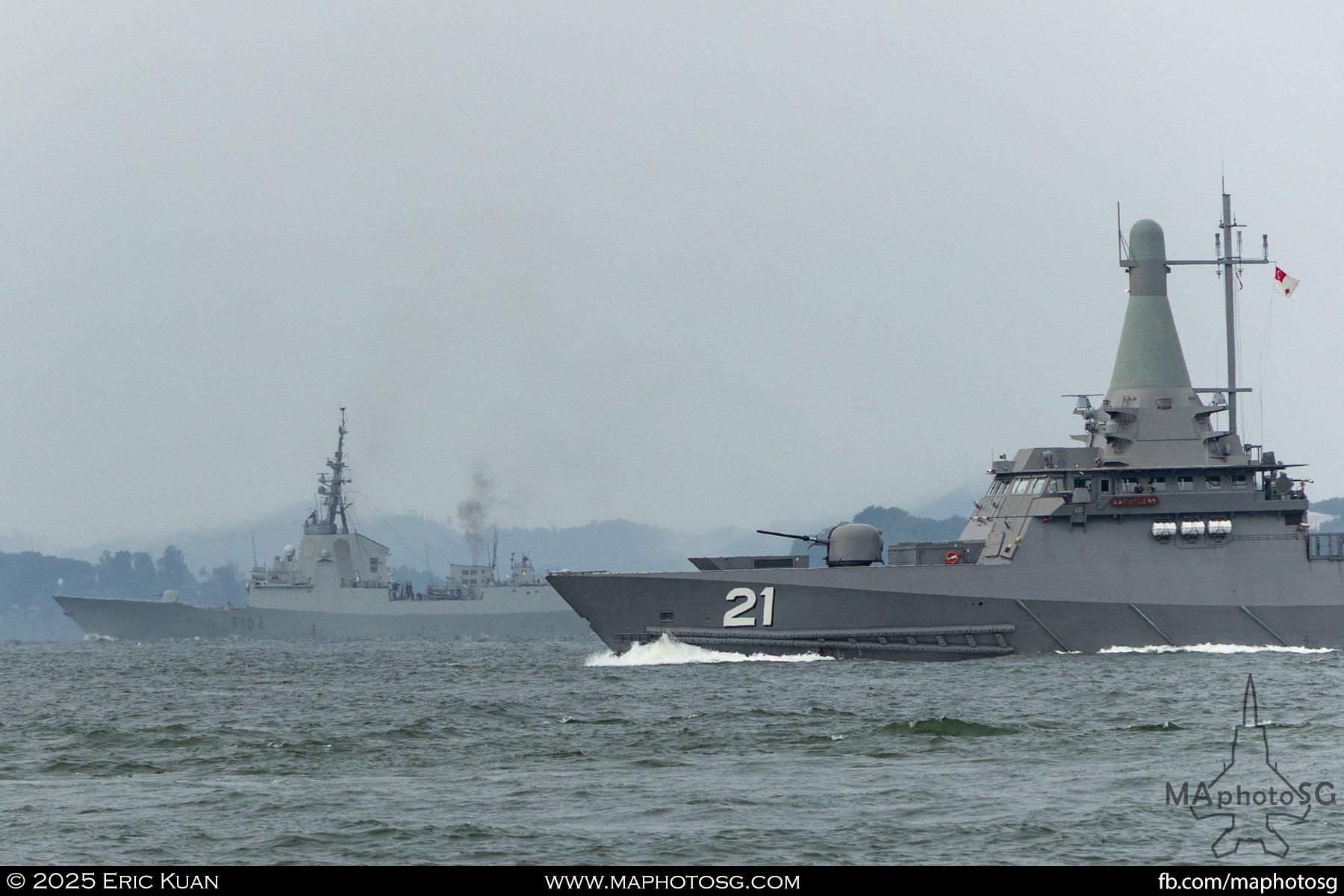
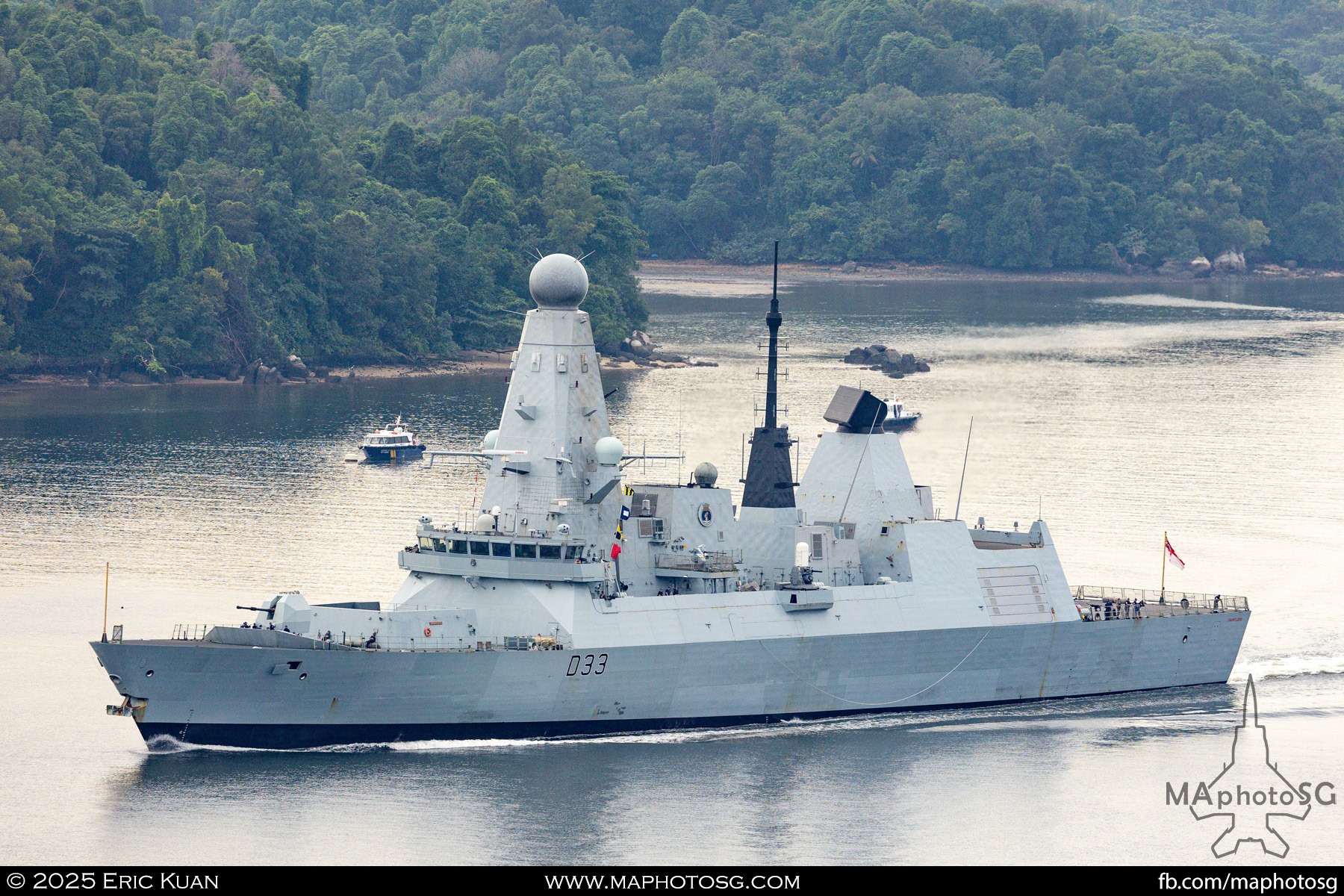
Interchangeability takes a step further, and will be the hallmark objective made possible with prior integration and interoperability efforts. For instance, CSG25 seeks to demonstrate this by handing over air and missile defence responsibilities from HMS Dauntless, a Type 45 destroyer, to other capable vessels such as the Spanish Navy’s ESPS Méndez Núñez or a US Navy destroyer, on a as-needed basis. Similarly, a demonstration of interchangeability during CSG25 will be the embark of F-35s from allied nations.
Separately, the recent UK’s Strategic Defence Review (SDR) outlined an emphasis on hybrid capabilities. For the UK CSG, this also means the integration of uncrewed aerial systems (UAS) with traditional crewed assets. Uncrewed platforms such as the Malloy T-150 and Puma UAVs are already being tested within CSG25’s air wing. Over the next decade, the UK aims to evolve this mix—drawing on lessons from contemporary conflicts, particularly in Russia-Ukraine—to enhance the force enabling and force multiplying effect of these systems in the CSG context.
Towards Full Operating Capability (FOC)
During the Singapore stop, the structure of the CSG25 deployment was briefed.
Following the retirement of the Royal Navy’s Harrier GR9 fleet in 2010 and the decommissioning of the Invincible-class carriers by 2014, the UK experienced a capability gap in deploying fixed wing assets at sea. With the commissioning of the Queen Elizabeth-class carriers—HMS Queen Elizabeth in 2017 and HMS Prince of Wales in 2019—the UK began re-establishing its carrier strike credentials, now equipped with a fifth-generation air wing.
CSG21 (Operation FORTIS) marked the achievement of Initial Operating Capability (IOC). Now, CSG25 is working towards FOC, with an eight-phase, 223-day deployment that commenced in April 2025.
- Phase 1: Focused on NATO integration in the Atlantic and Mediterranean, including transferring operational control of HMS Prince of Wales to NATO and participating in Exercise Med Strike 25 alongside the Italian Navy Cavour CSG. The phase ended with a port call in Souda Bay, Crete.
- Phase 2: Involved the transit from the Mediterranean through the Middle East, Red Sea, and Bab al-Mandab Strait, culminating in the group’s arrival in the Indo-Pacific on 12 June.
- Phase 3 (Part 1): Included exercises with the Indian Navy and integration of HMNZS Te Kaha into the CSG. The group arrived in Singapore on 23 June, with a regional dispersal of ships across Singapore, Malaysia, and Indonesia to maximise defence engagement.
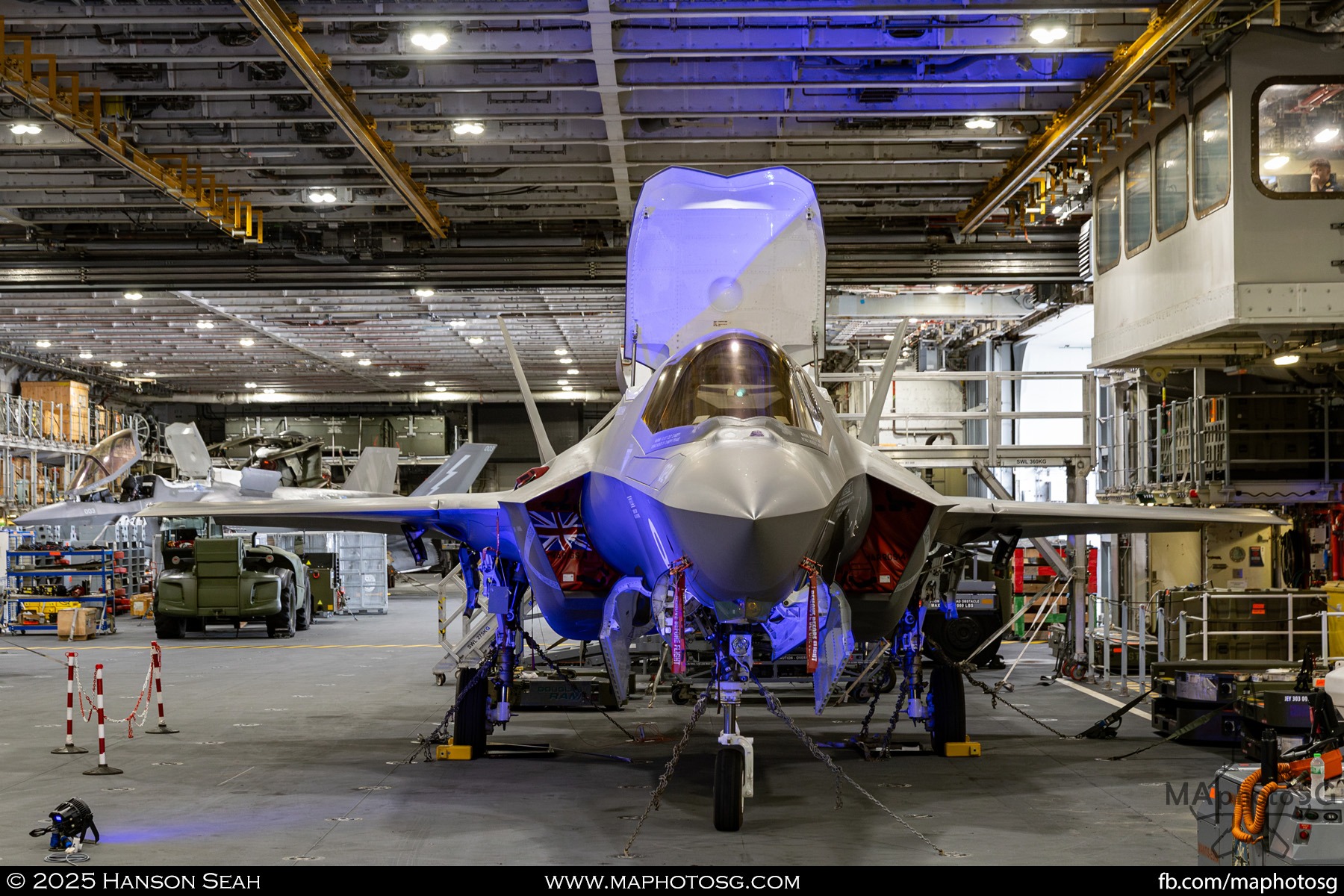
- Phase 3 (Part 2): Began with HMS Prince of Wales’ departure on 29 June, joined by HMAS Sydney en route to Australia for Exercise Talisman Sabre (13 July – 4 August). This major fifth-generation, multinational exercise will provide the opportunity to employ the 18 F-35Bs embarked into a complex air campaign with 19 partner nations. A key milestone will be the simultaneous launch of eight F-35Bs—a FOC objective for the ‘Lightning Force’. A port call in Darwin will follow, with a focus on AUKUS and minilateral engagements.
- Phase 4: The CSG will move north to the Philippine Sea to exercise with the US Navy, the Japan Maritime Self-Defense Force (which will bring out the helicopter carrier JS Kaga), and the Republic of Korea Navy. Integration with VMFA-242 (USMC) is planned. A port call to Japan will include the Pacific Future Forum (29–30 August) and maintenance activities.
- Phase 5: Southbound transit through the South China Sea leading into Exercise Bersama Lima in September, marking the first carrier participation in the Five Power Defence Arrangements (FPDA) exercise since 1997. A follow-up port call in Singapore is planned.
- Phase 6: Transit through the Malacca Strait into the Bay of Bengal, with expanded naval exercises off India and a port visit to Mumbai.
- Phase 7: Return transit through the Middle East.
- Phase 8: Final operations in the Mediterranean with NATO, involving a larger and more capable CSG. Exercise Falcon Strike will serve as the final demonstration of FOC. The air wing is expected to expand to a full complement of 24 F-35Bs during this phase.
In Pictures: Best of the Singapore Port Call
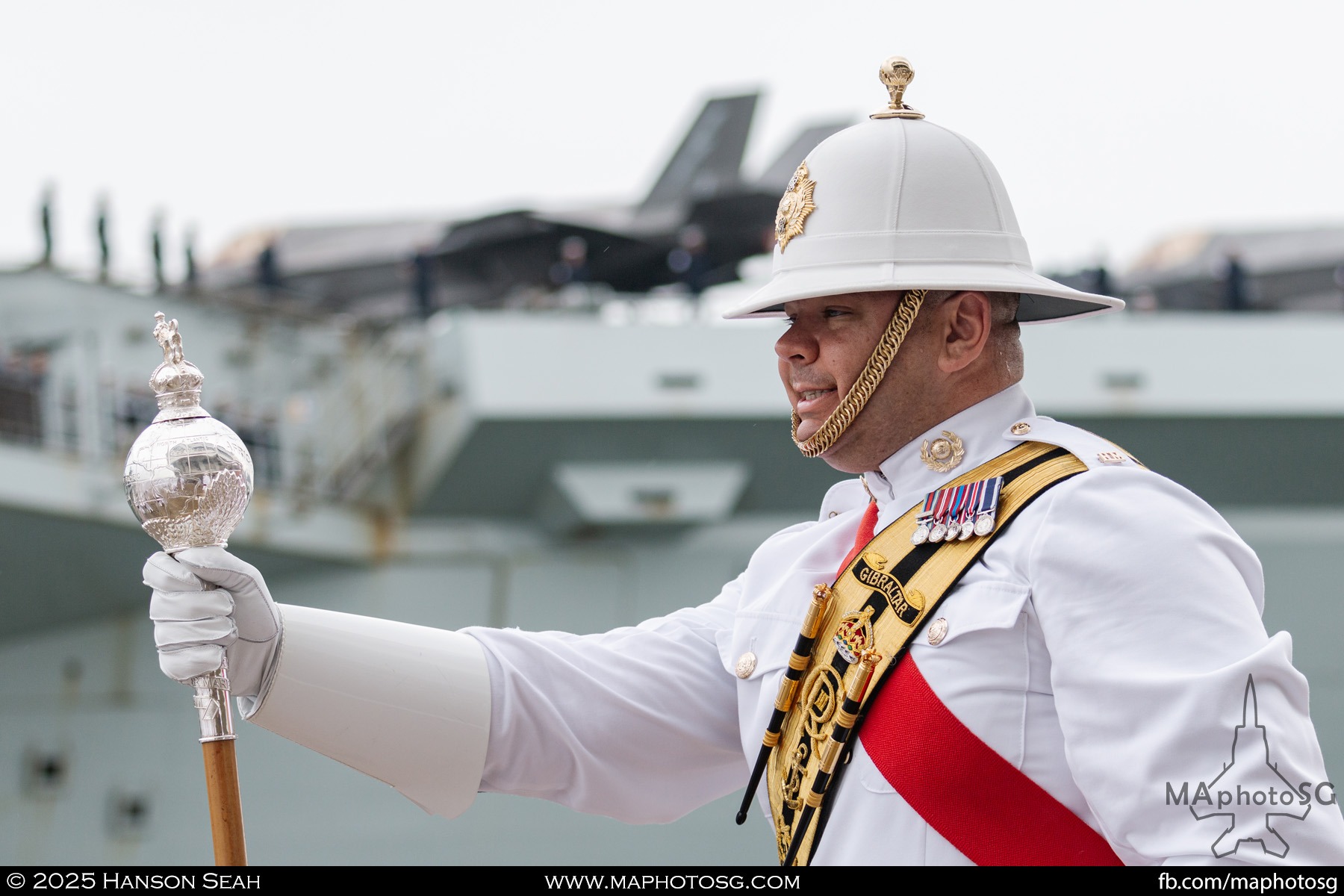
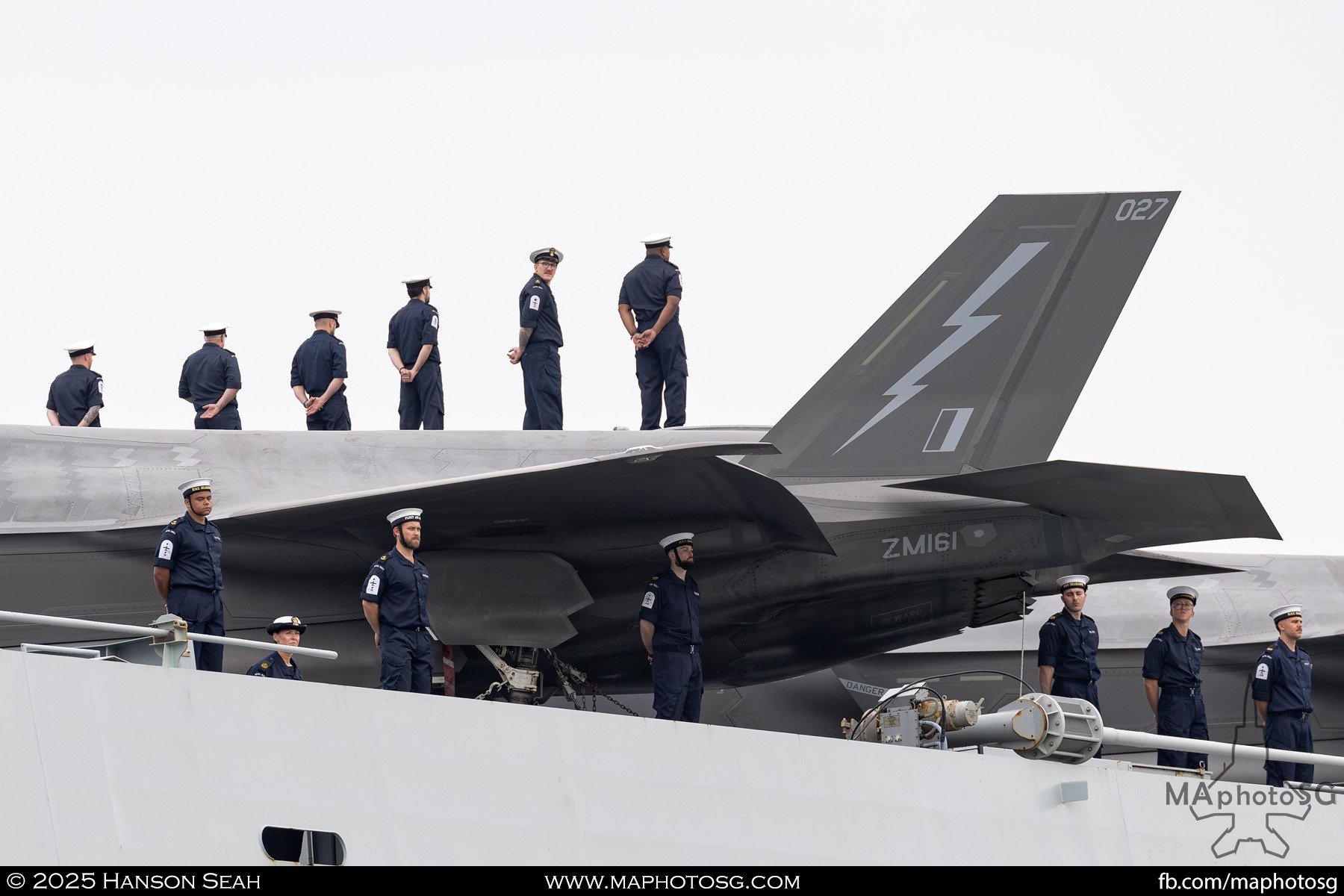
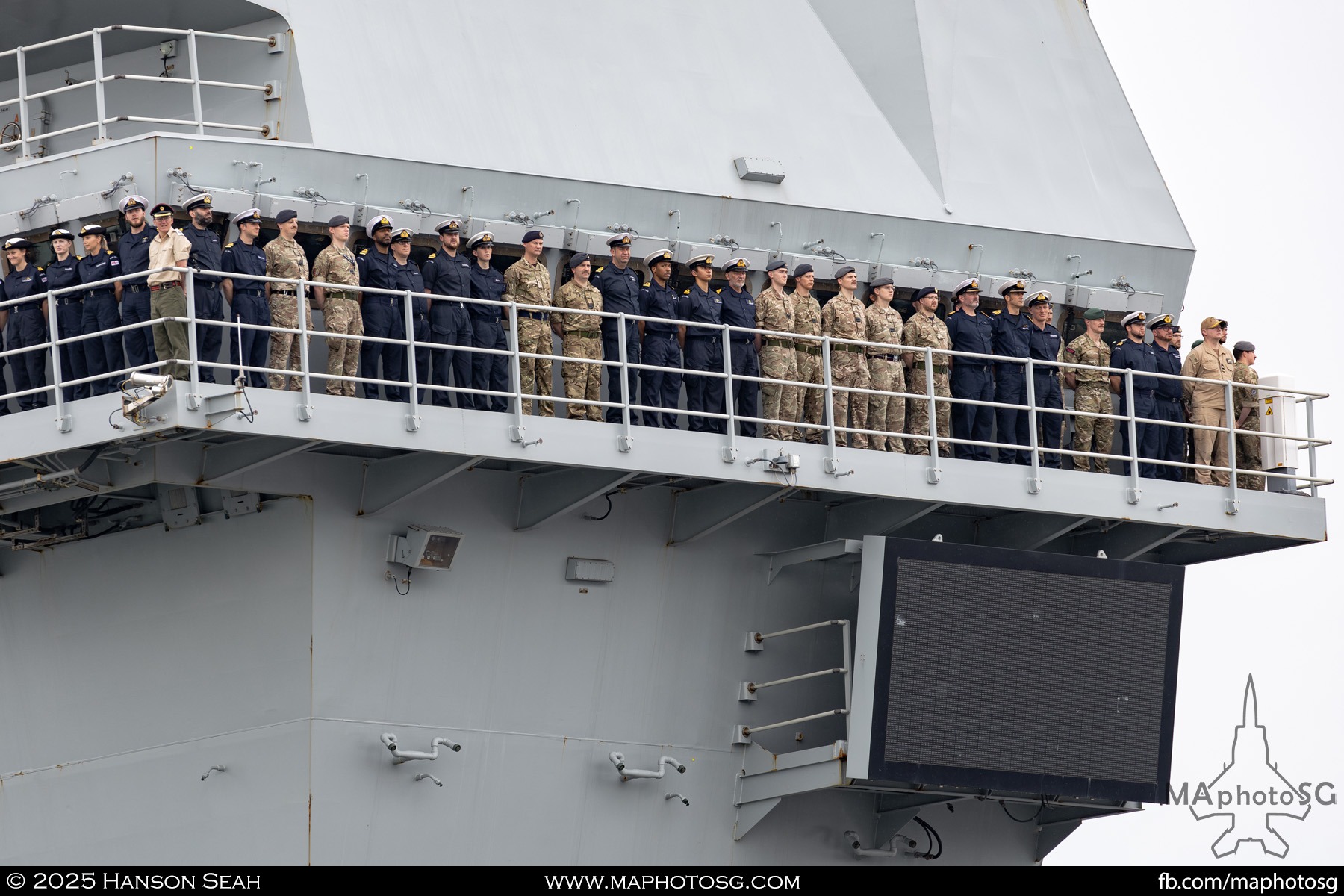
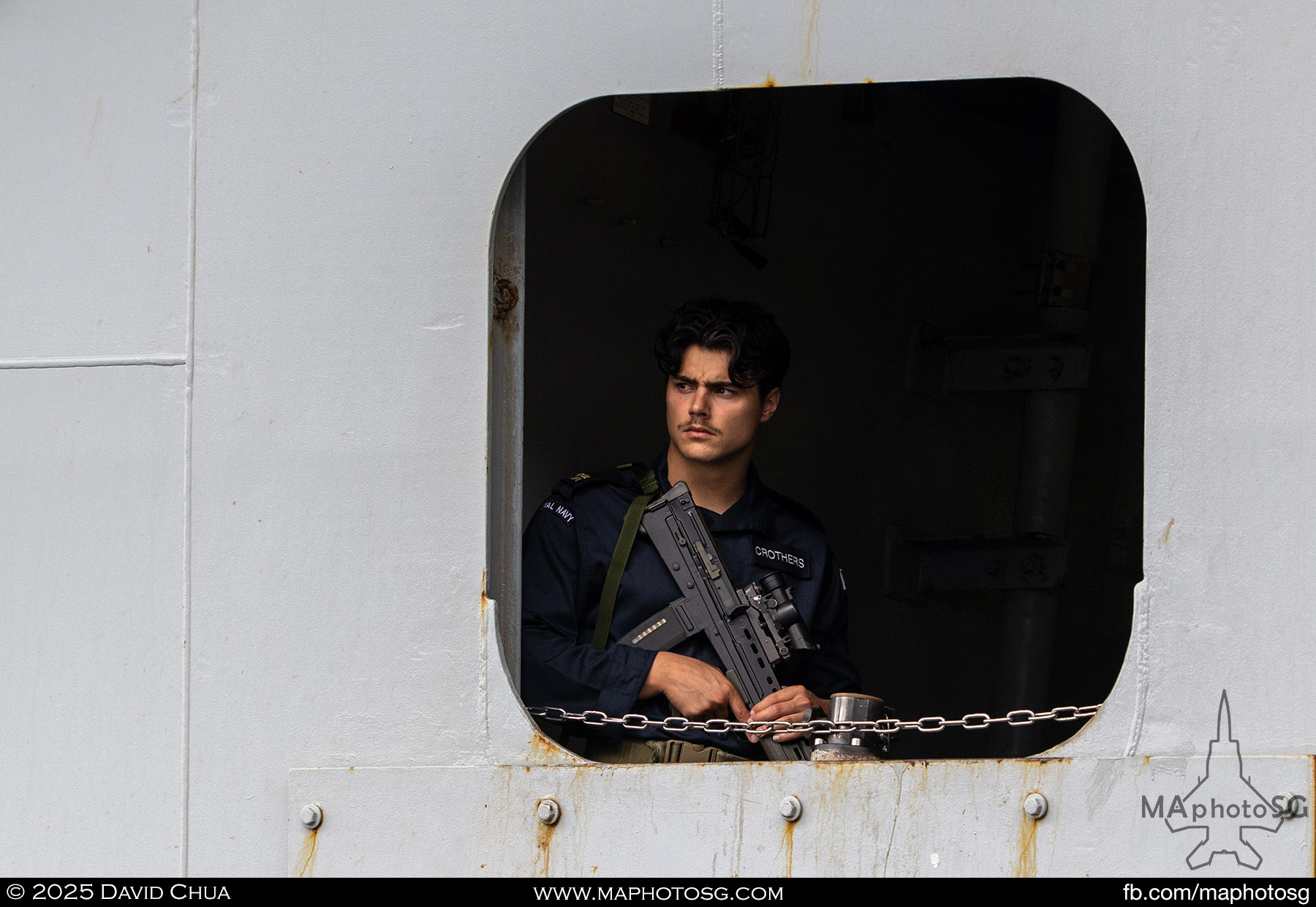
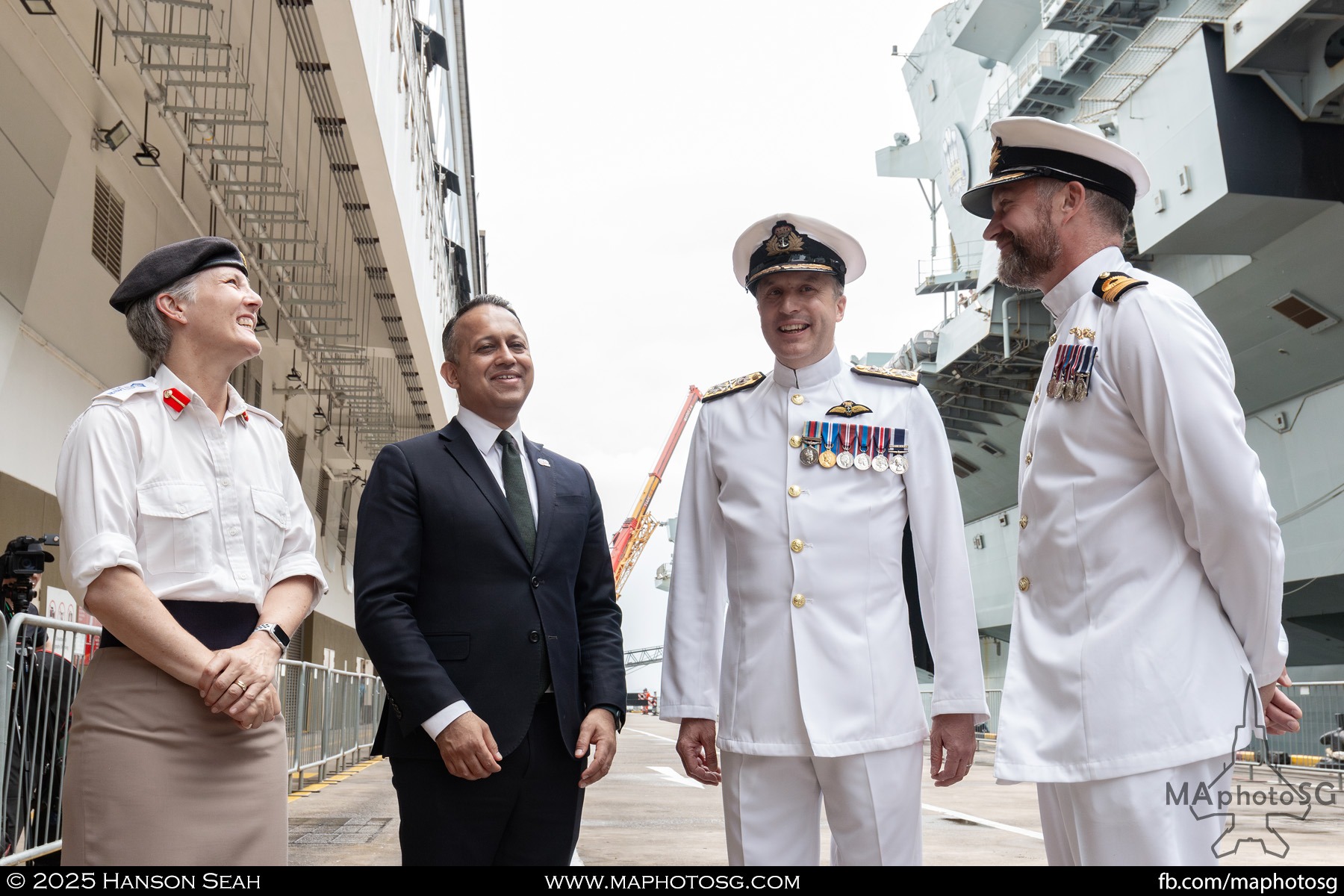
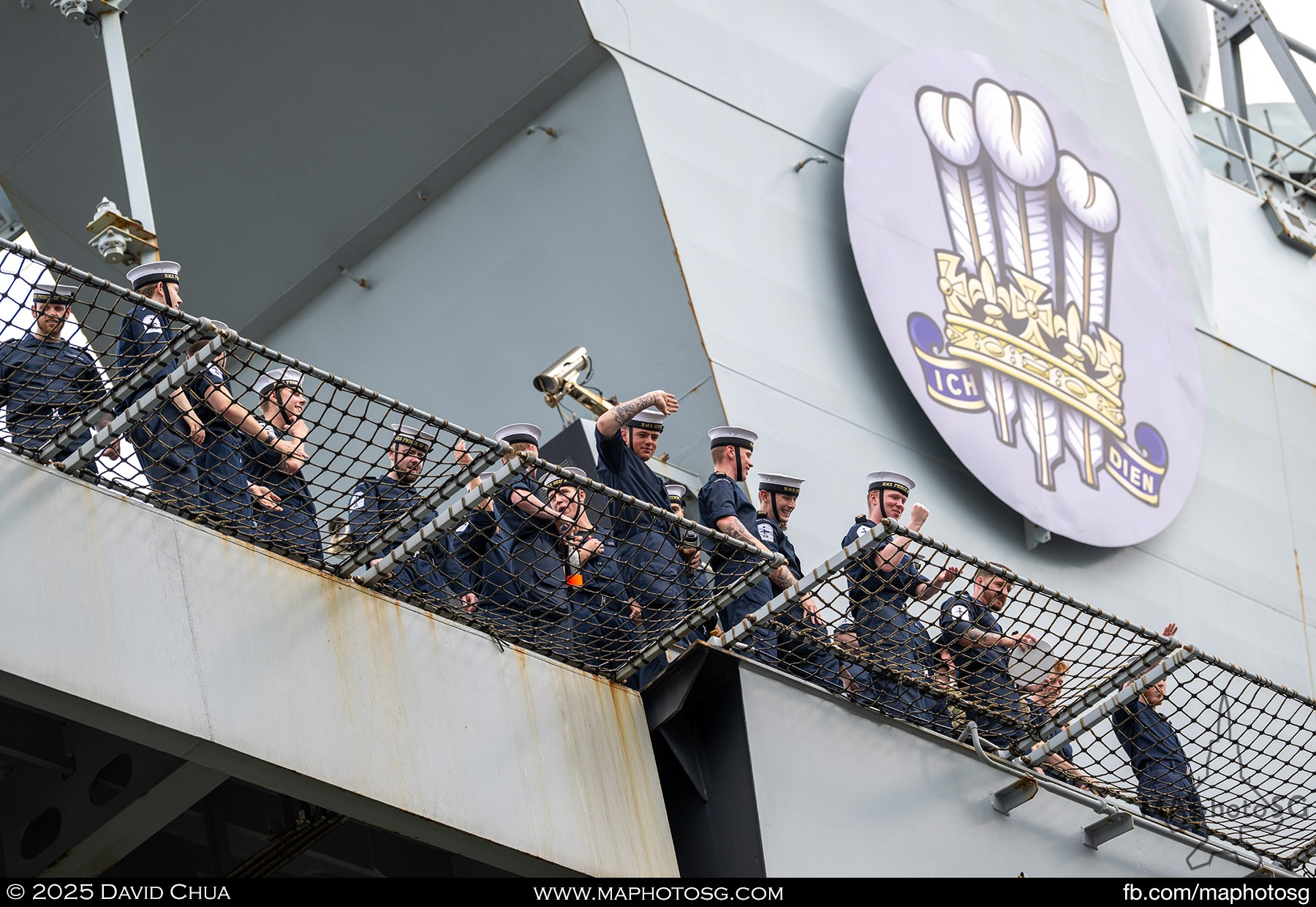
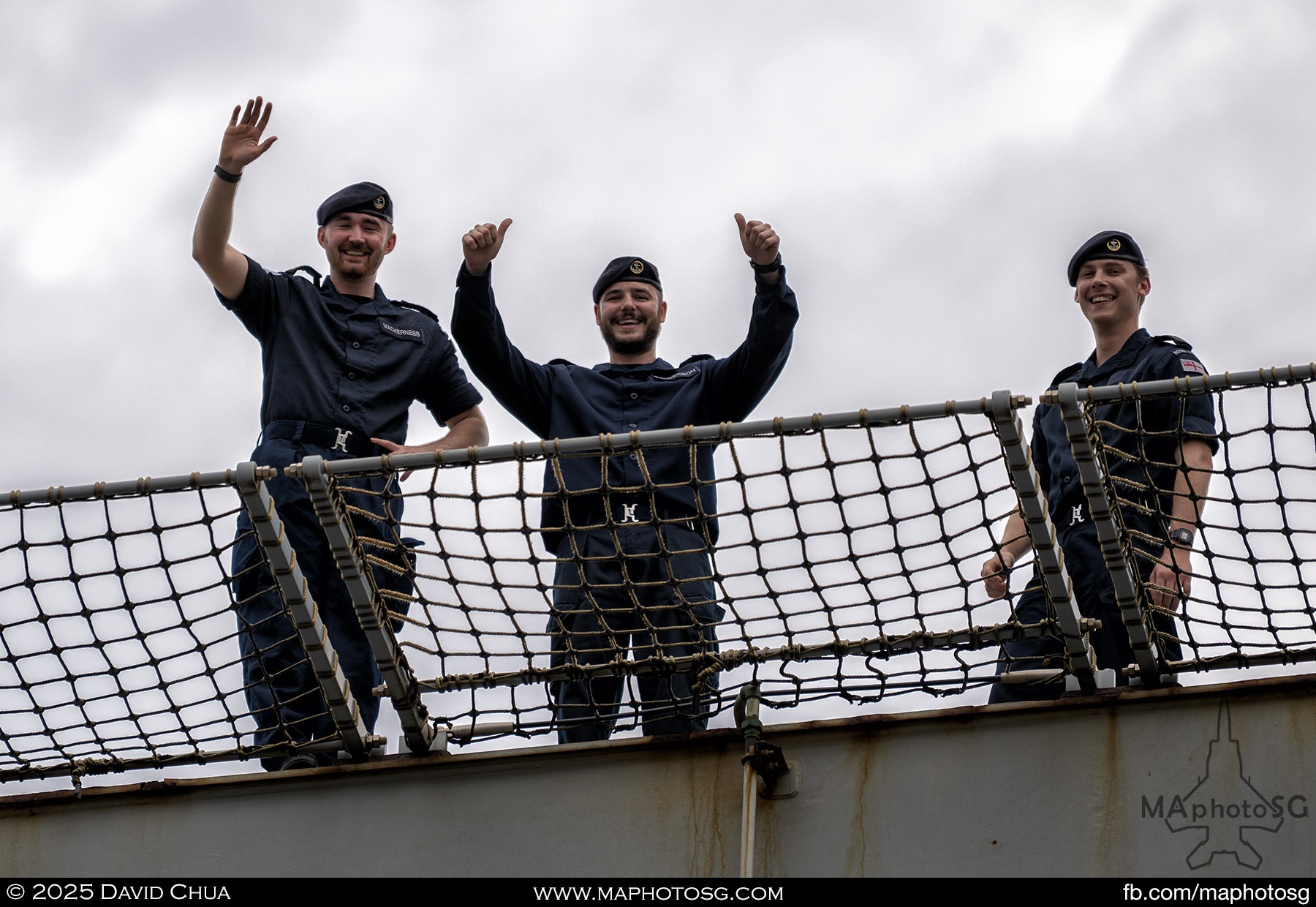
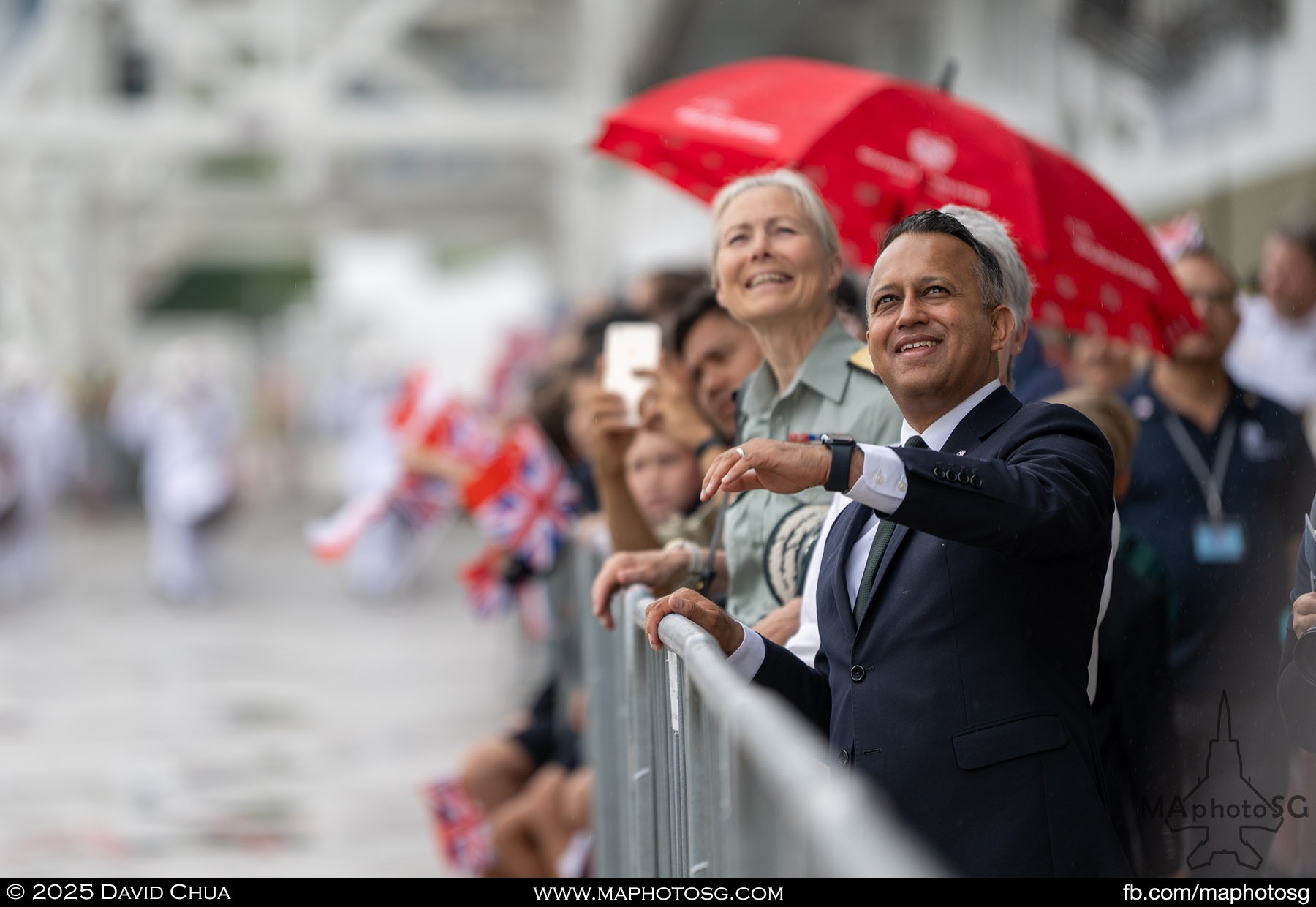
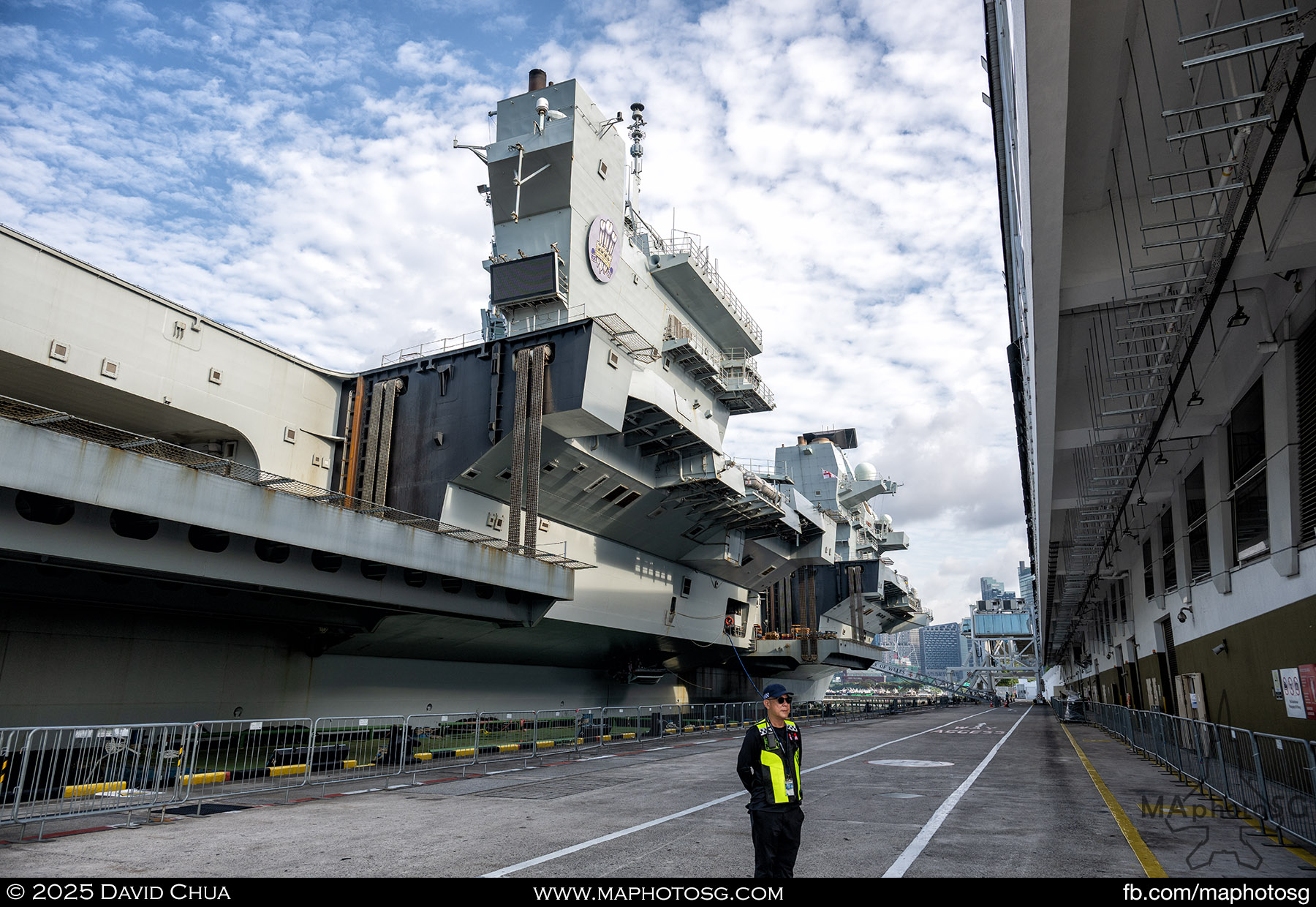
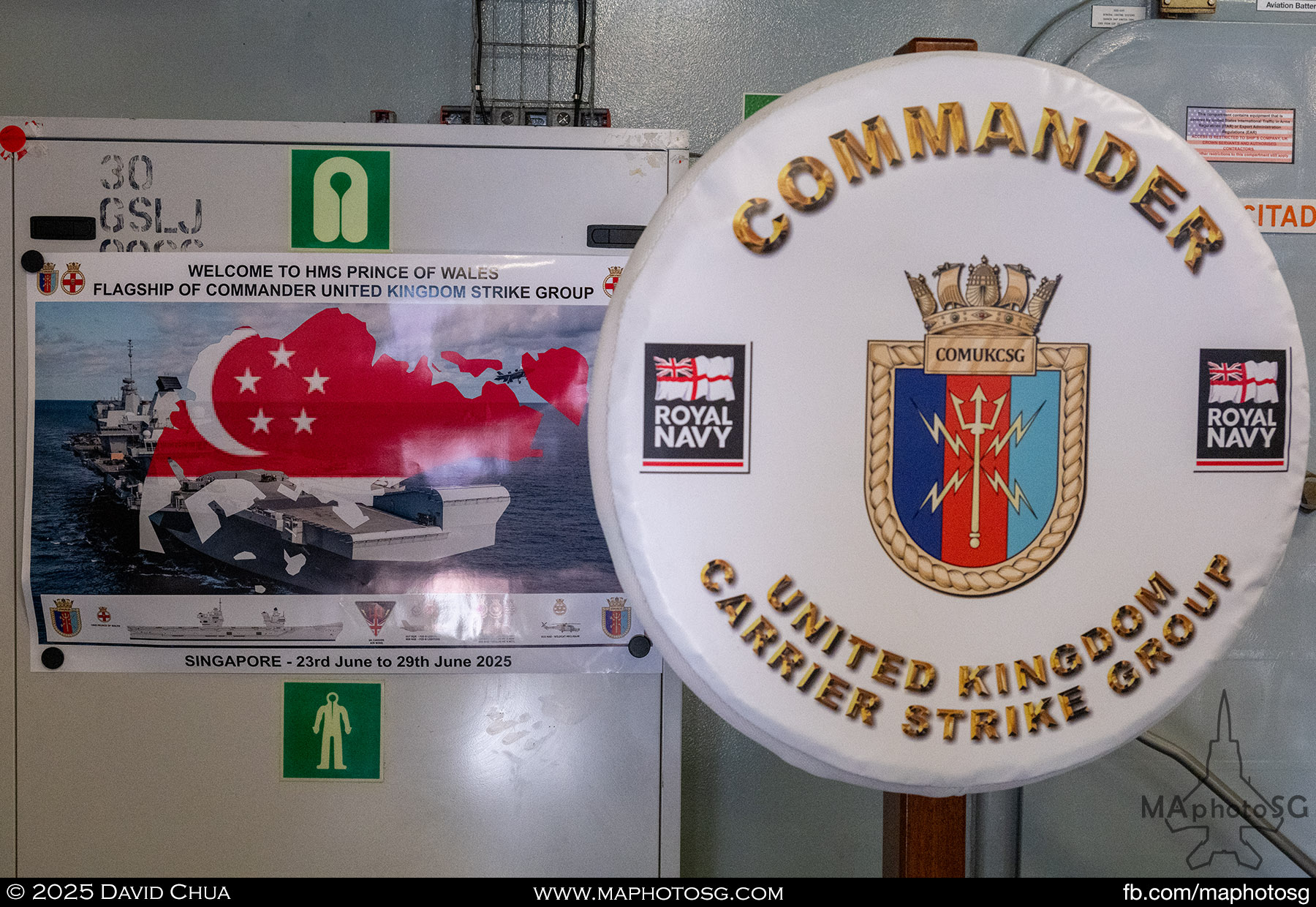
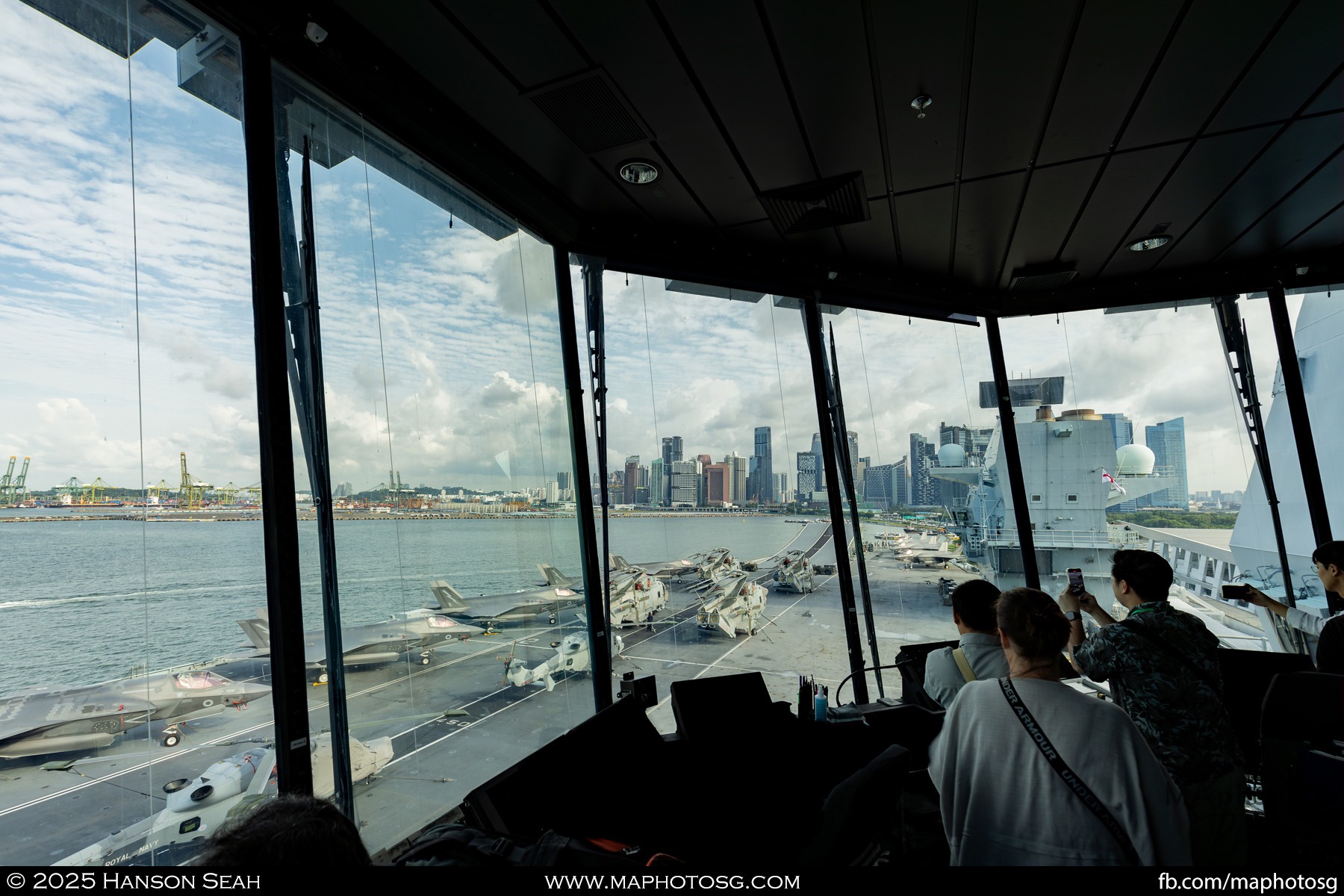
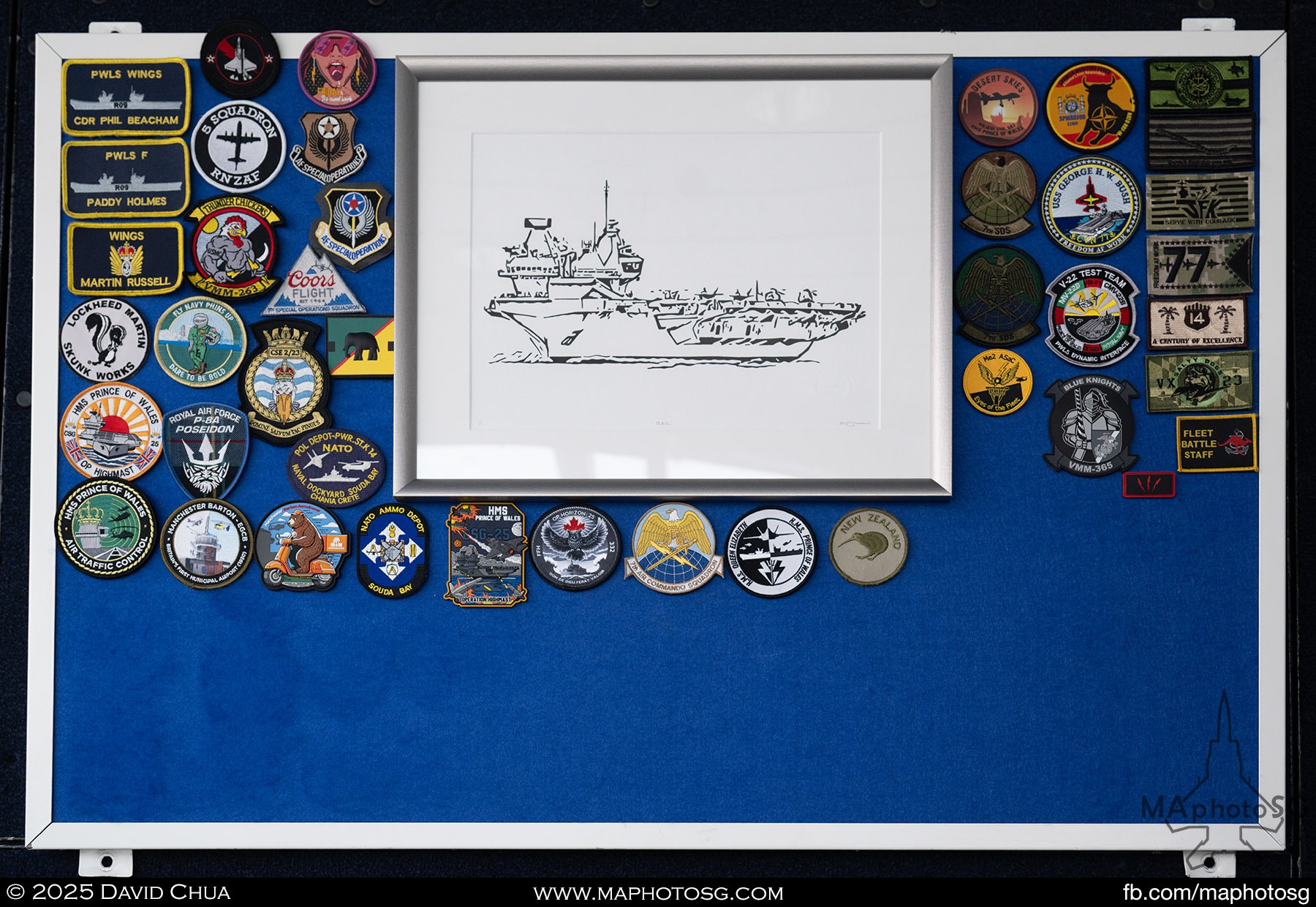
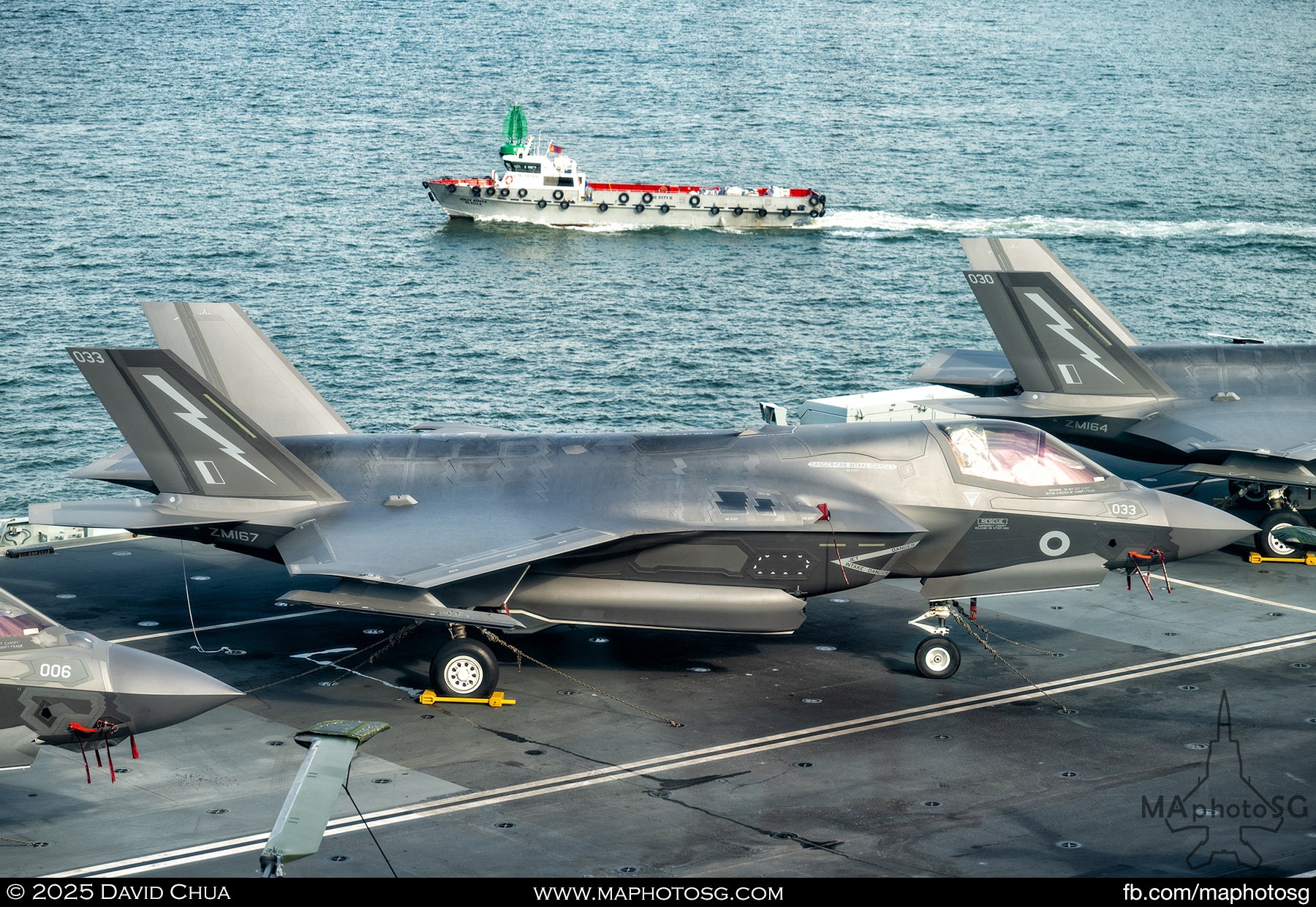
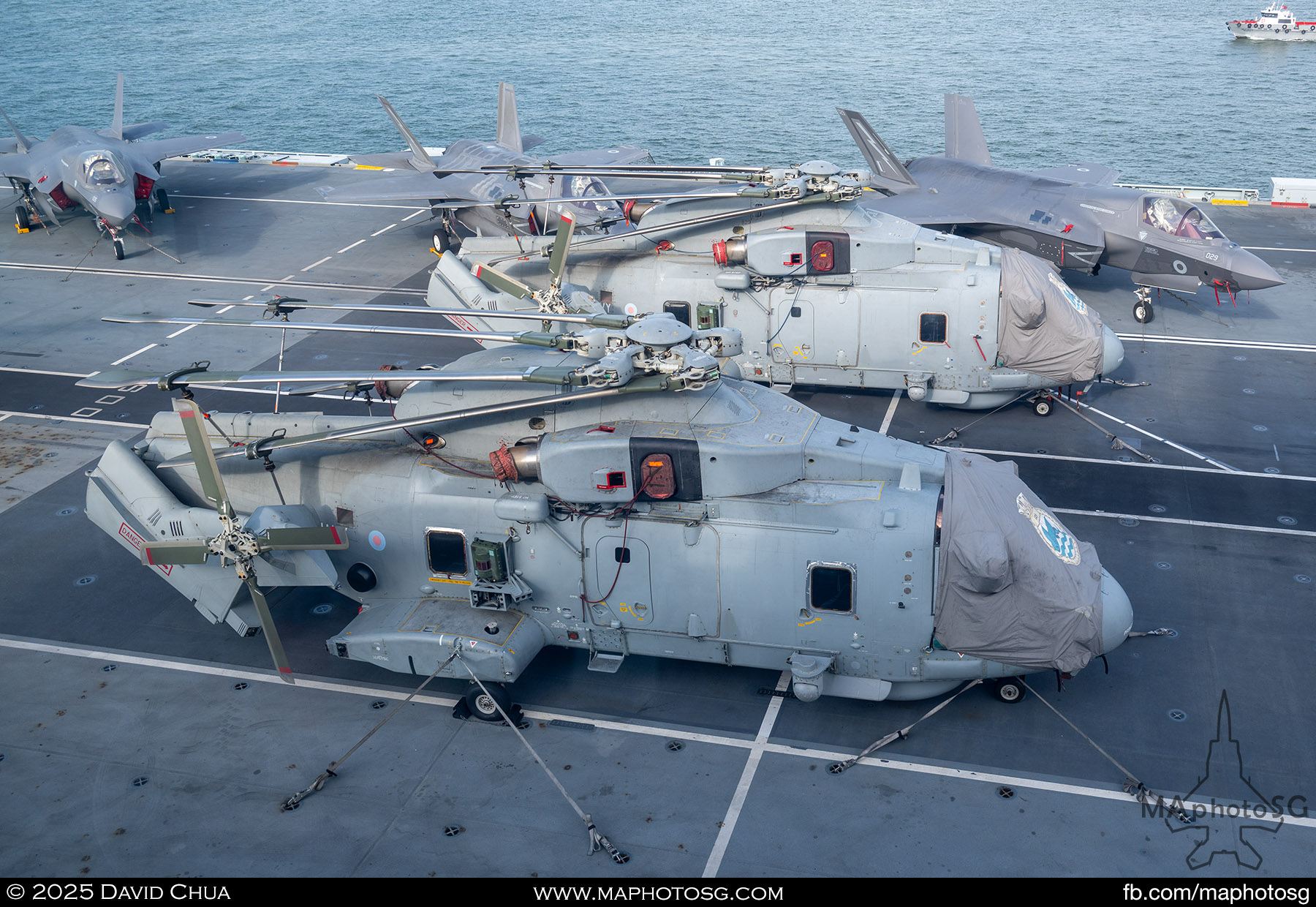
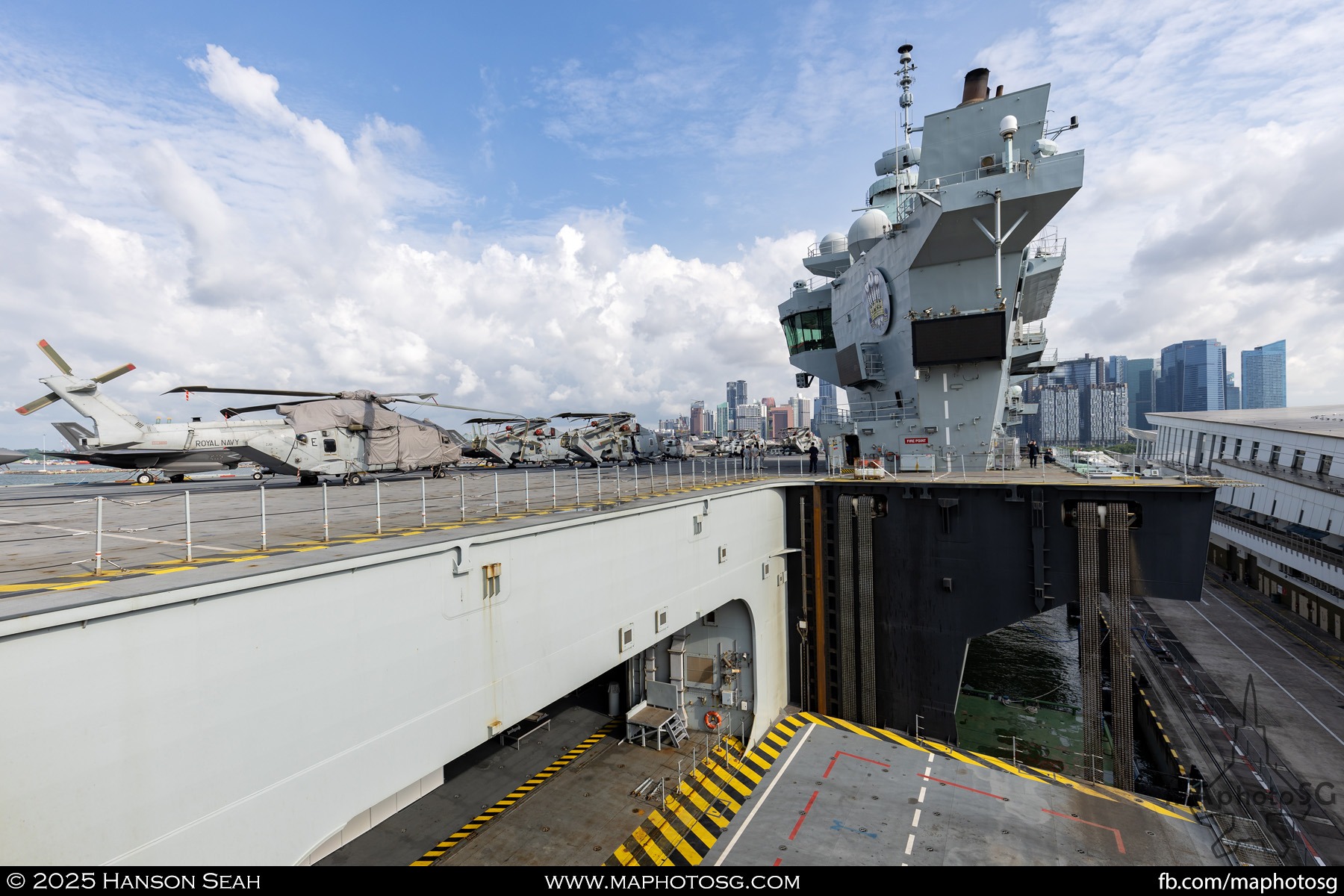
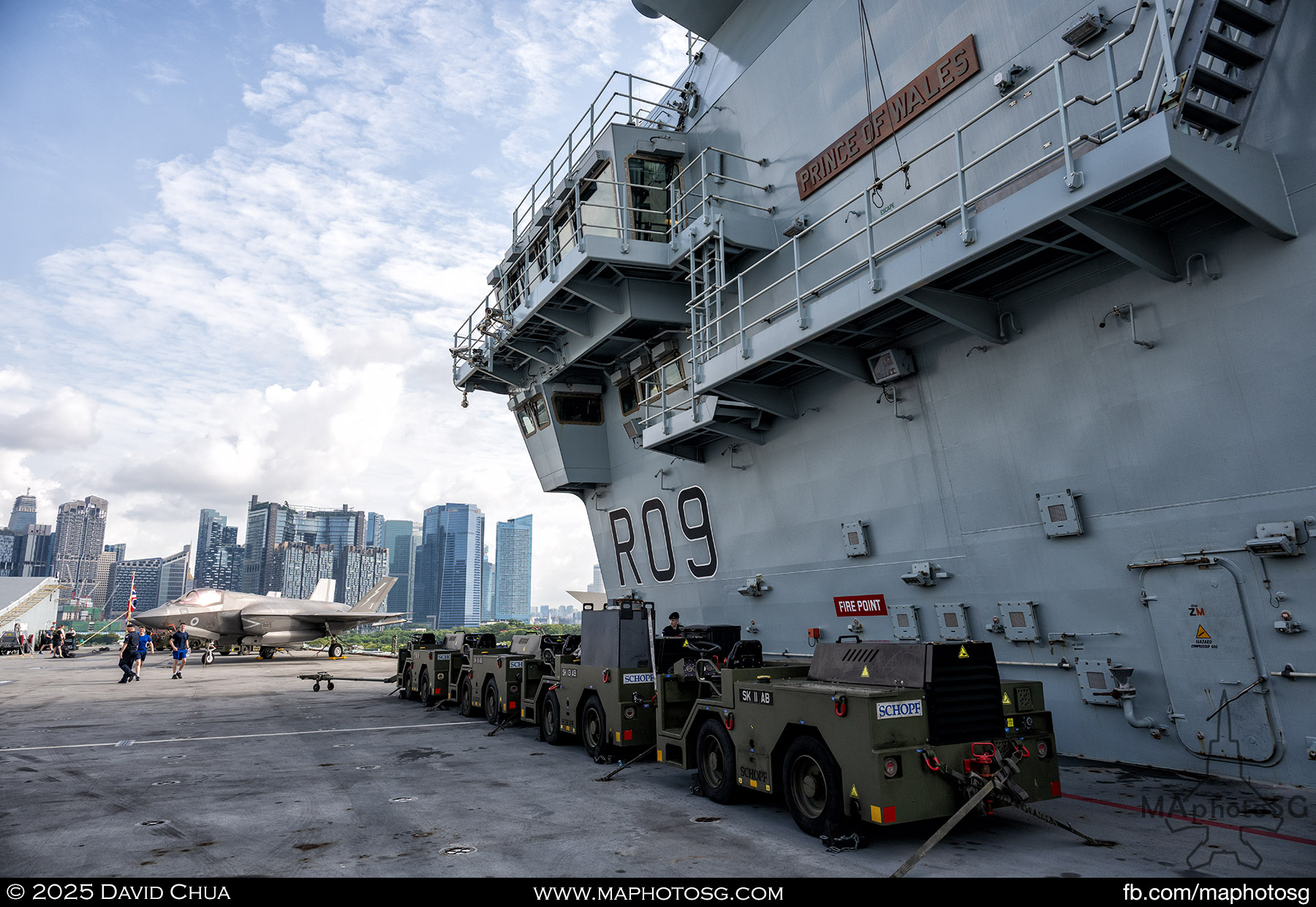
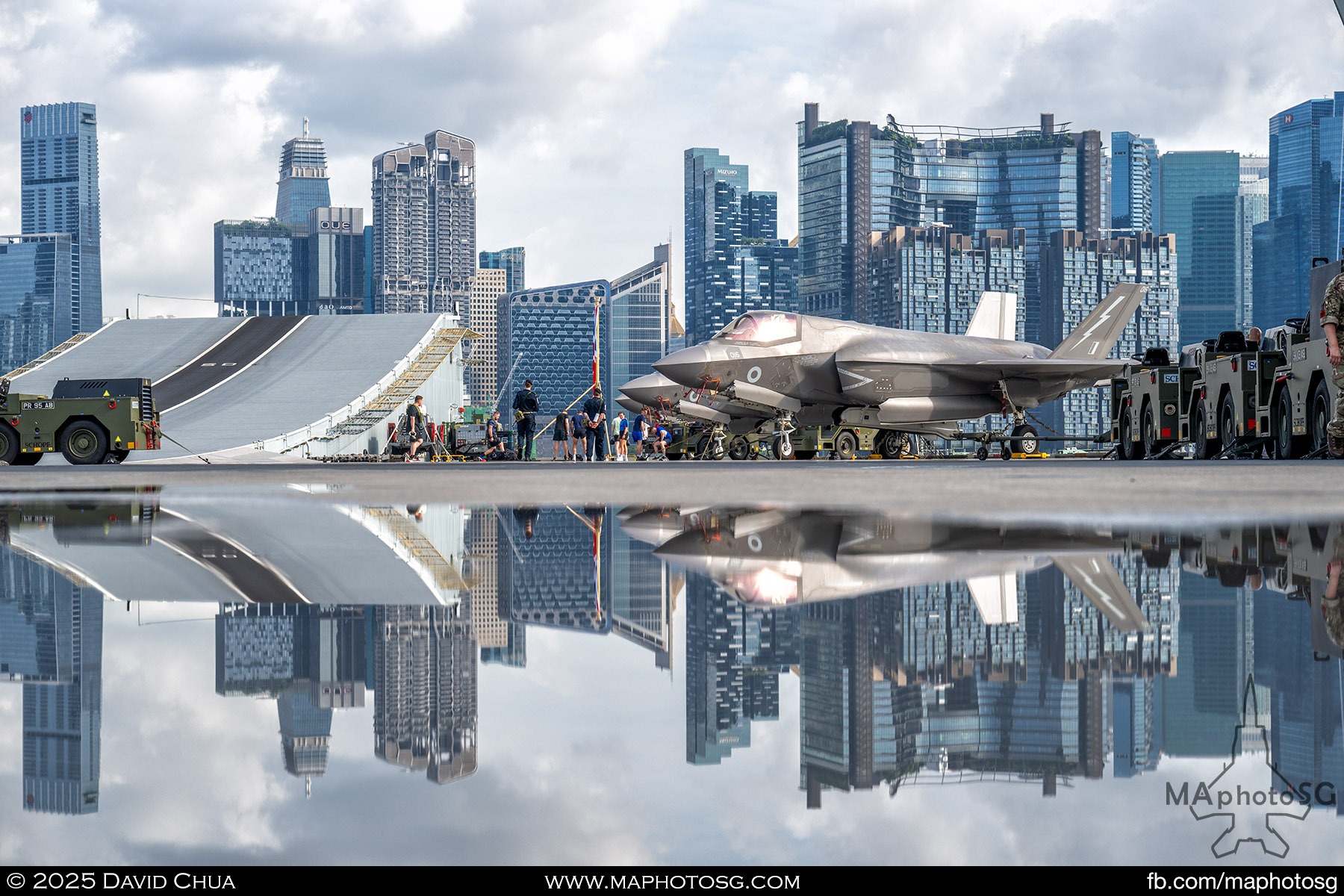
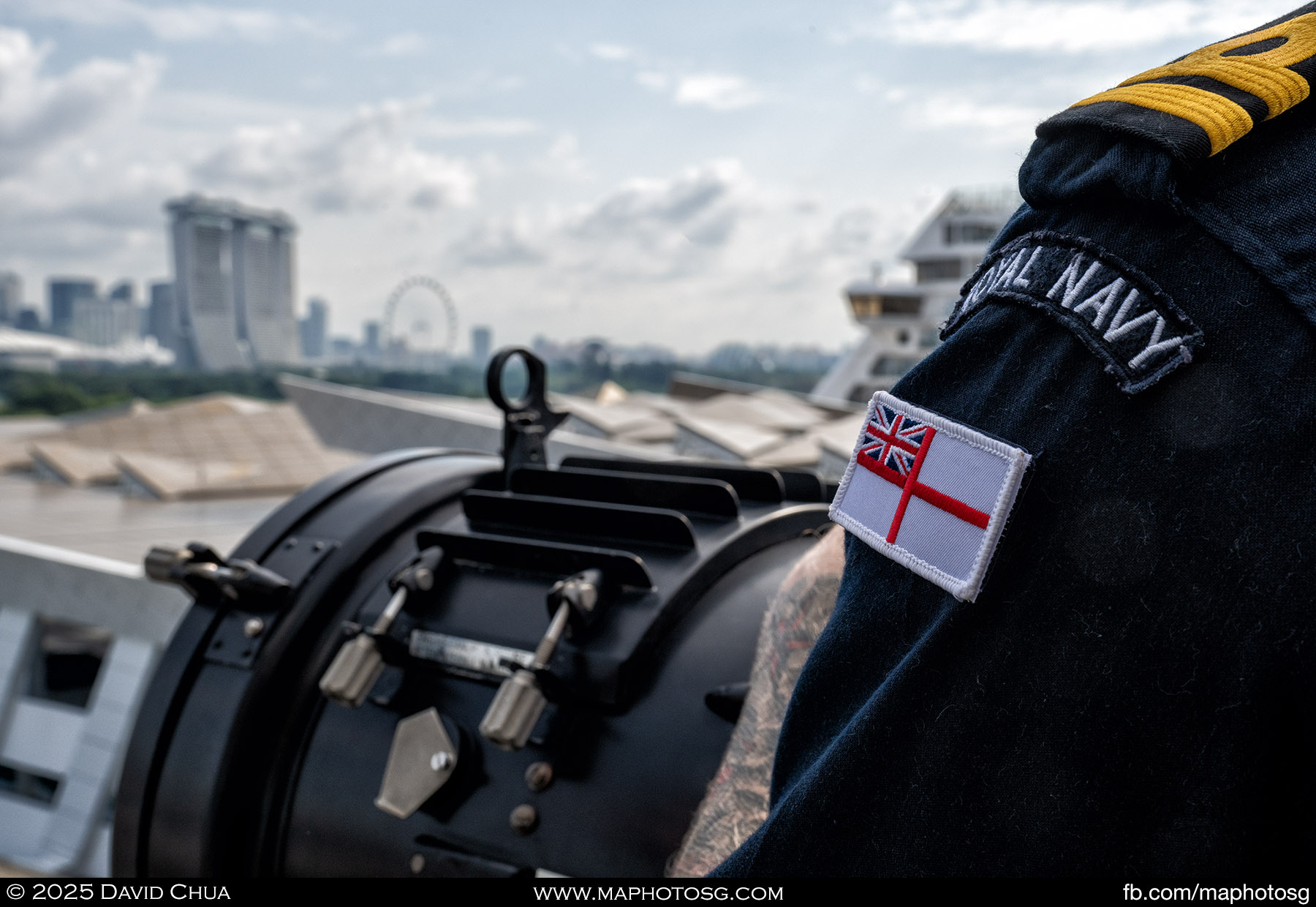
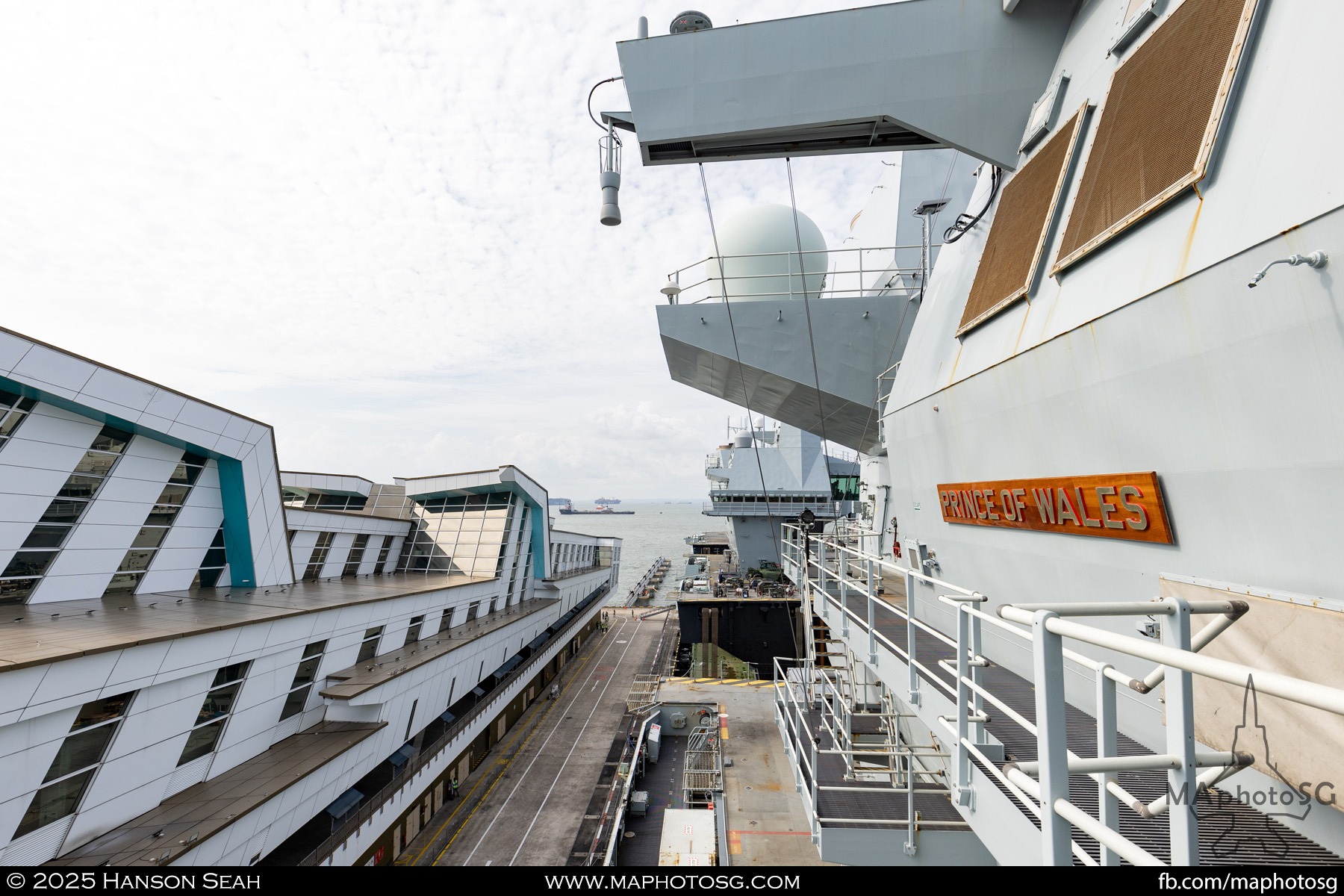
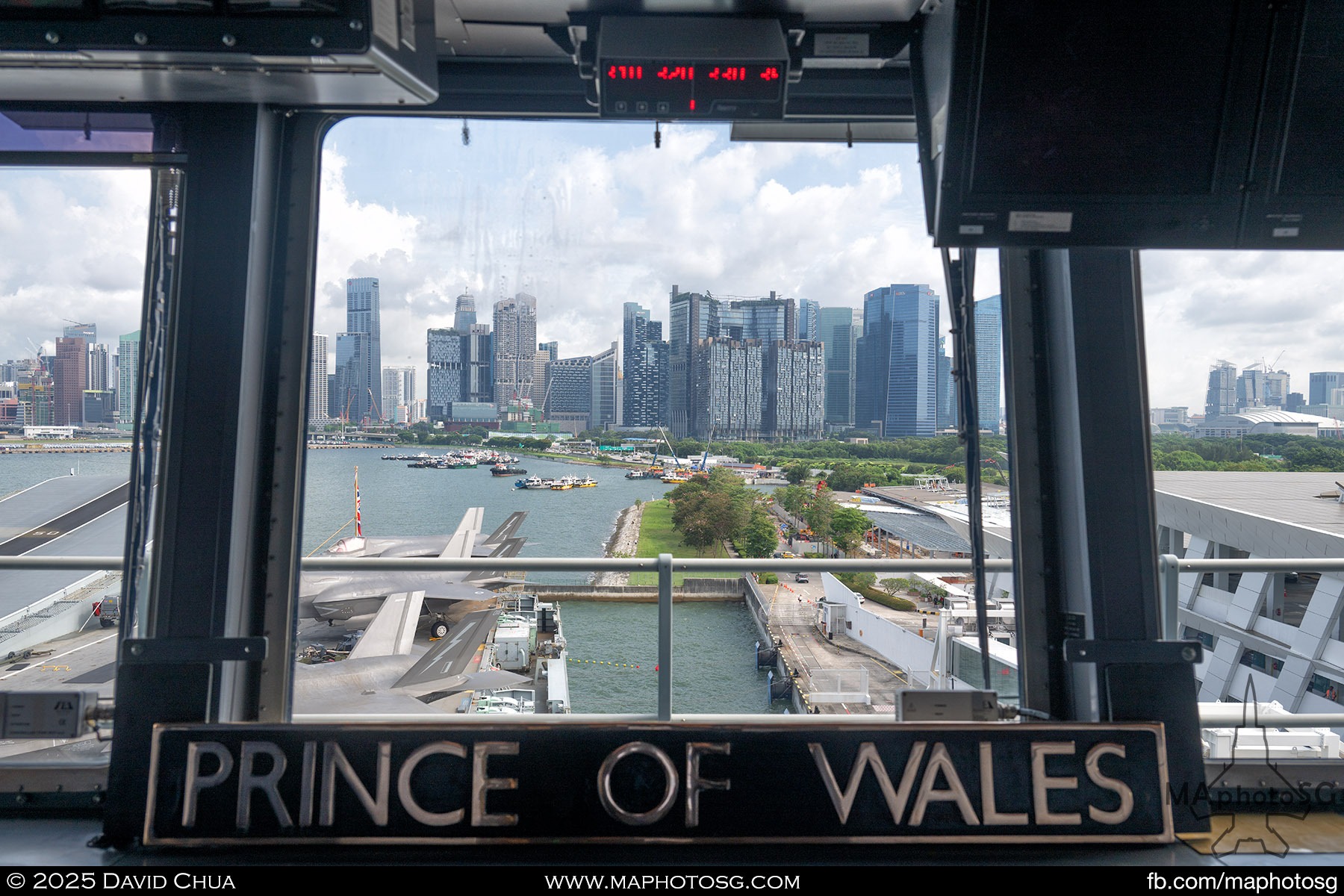
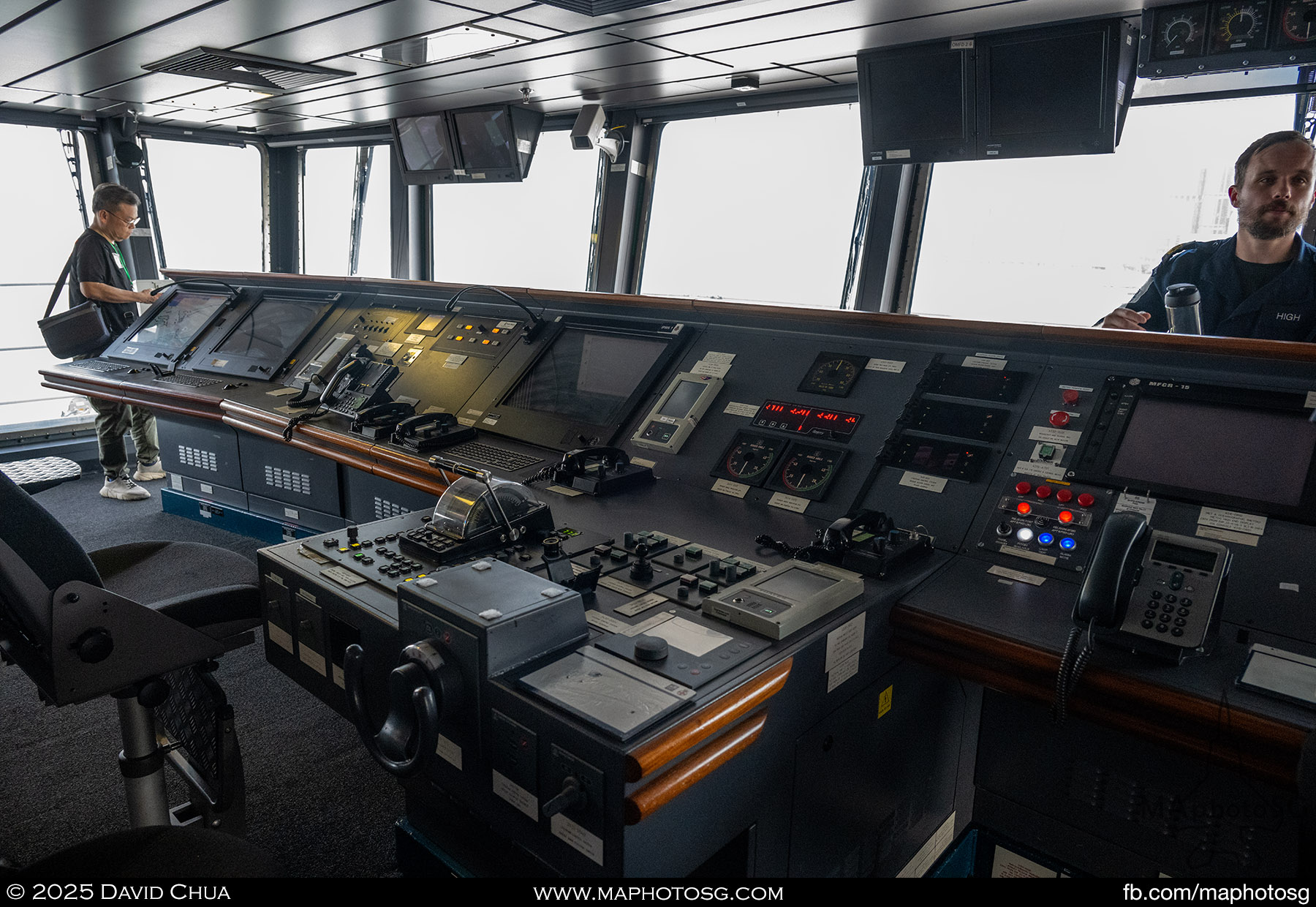
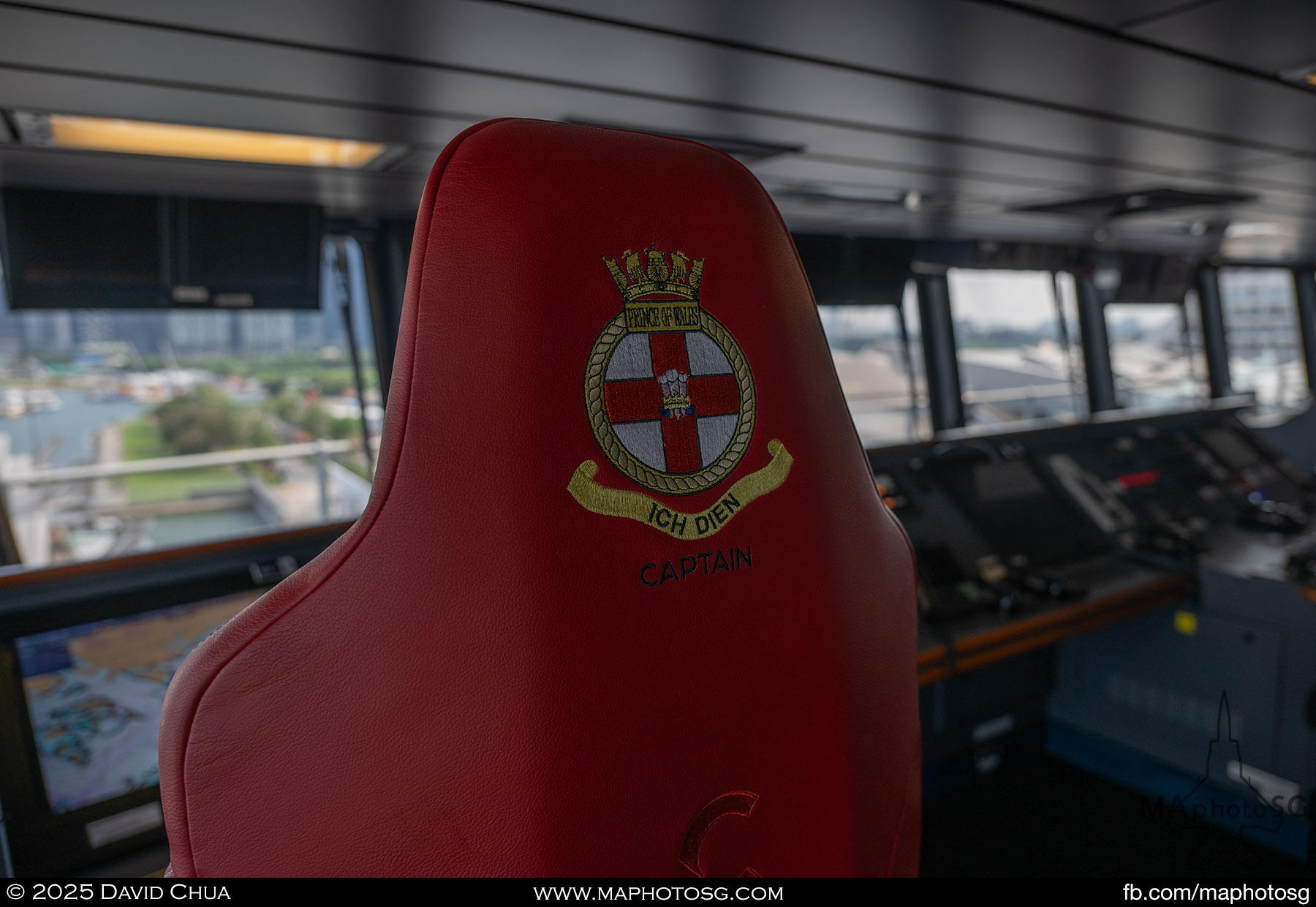
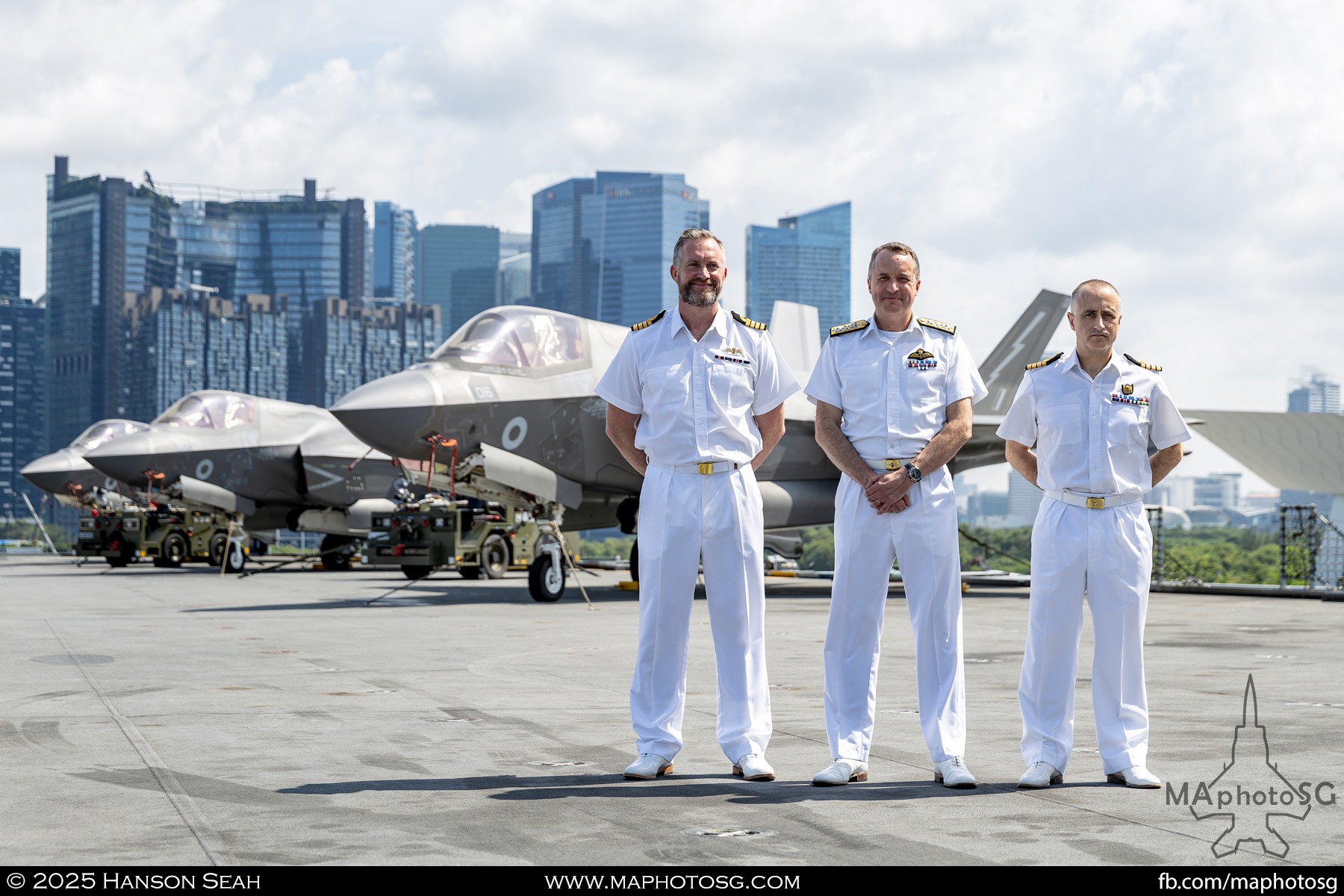
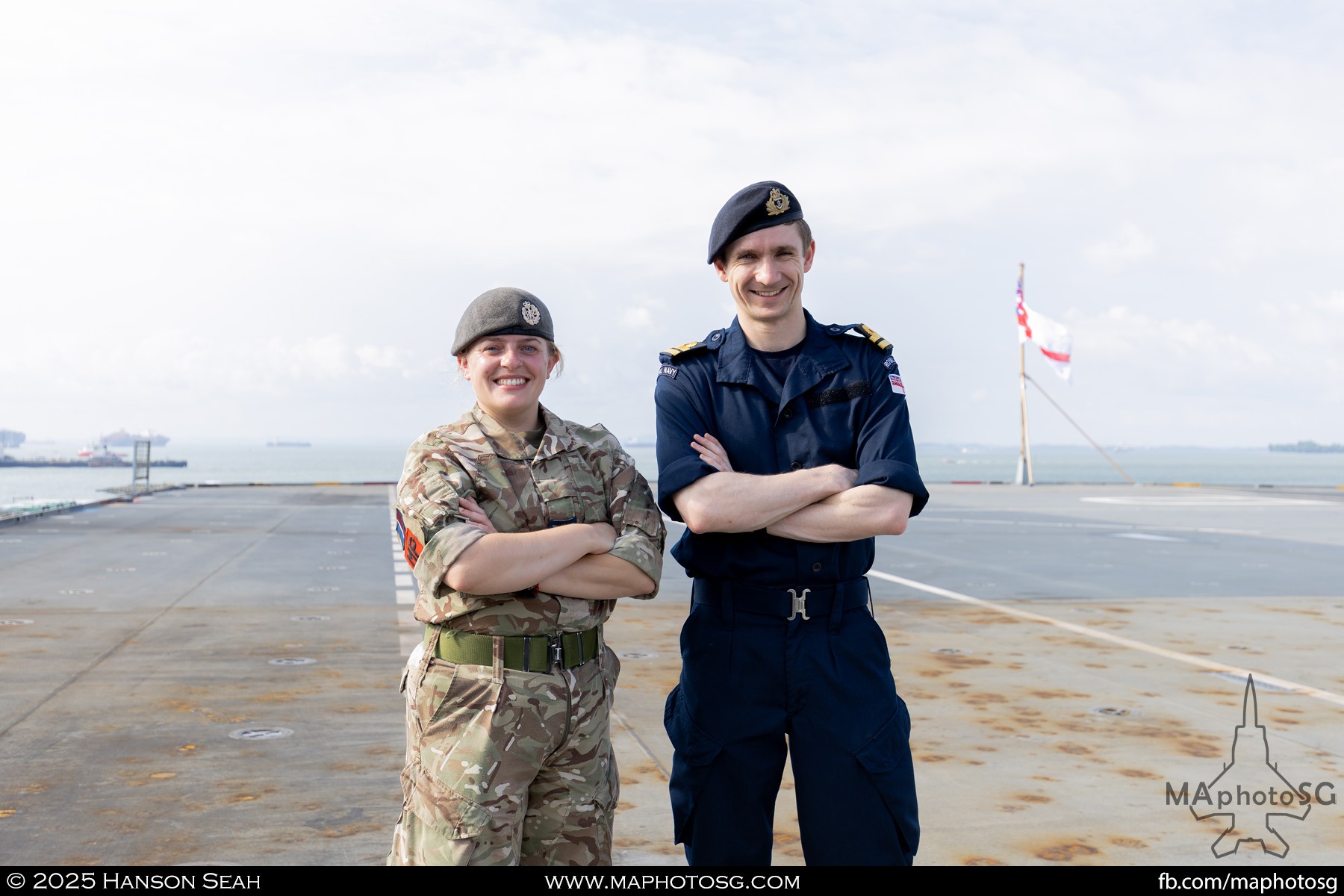
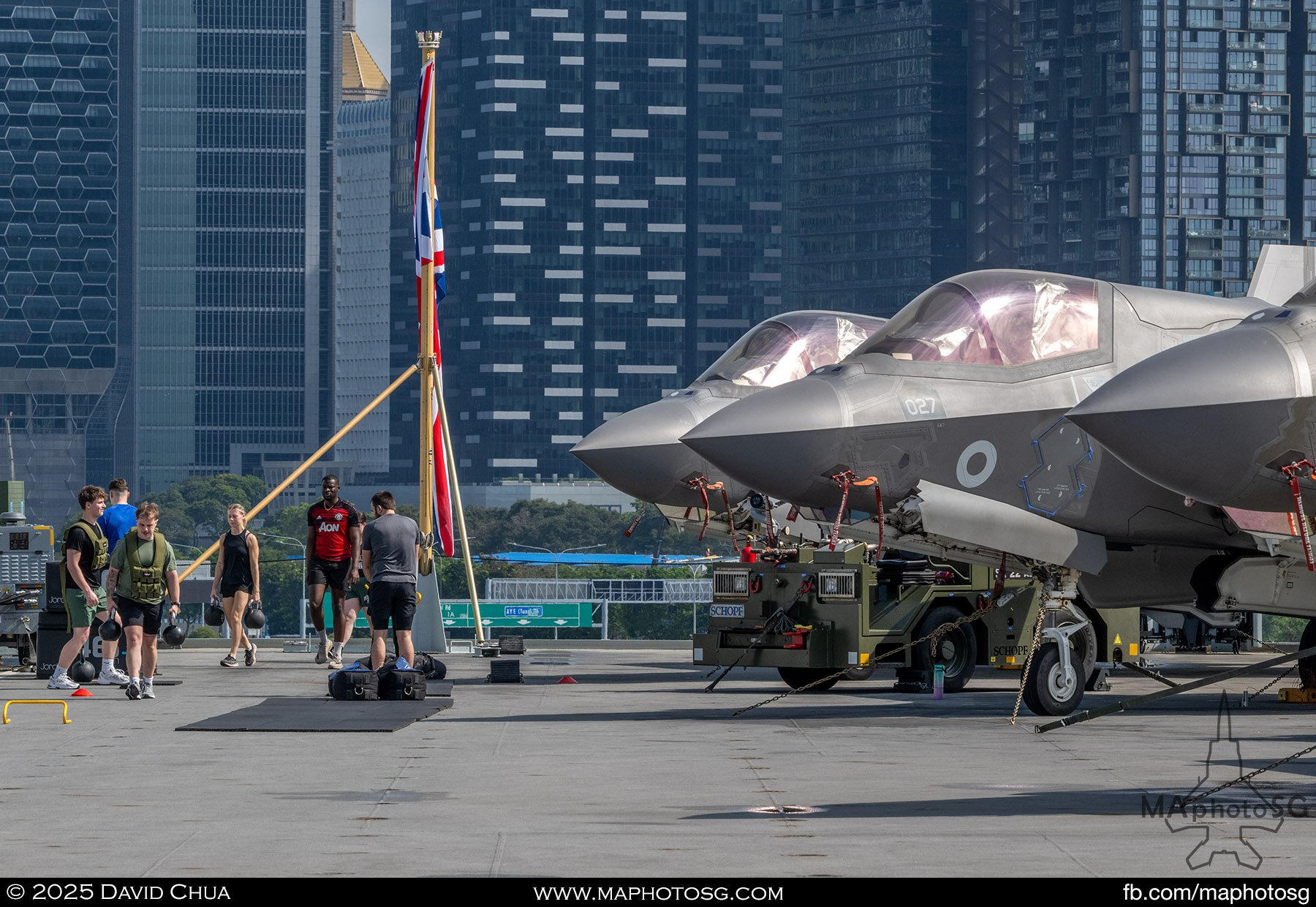
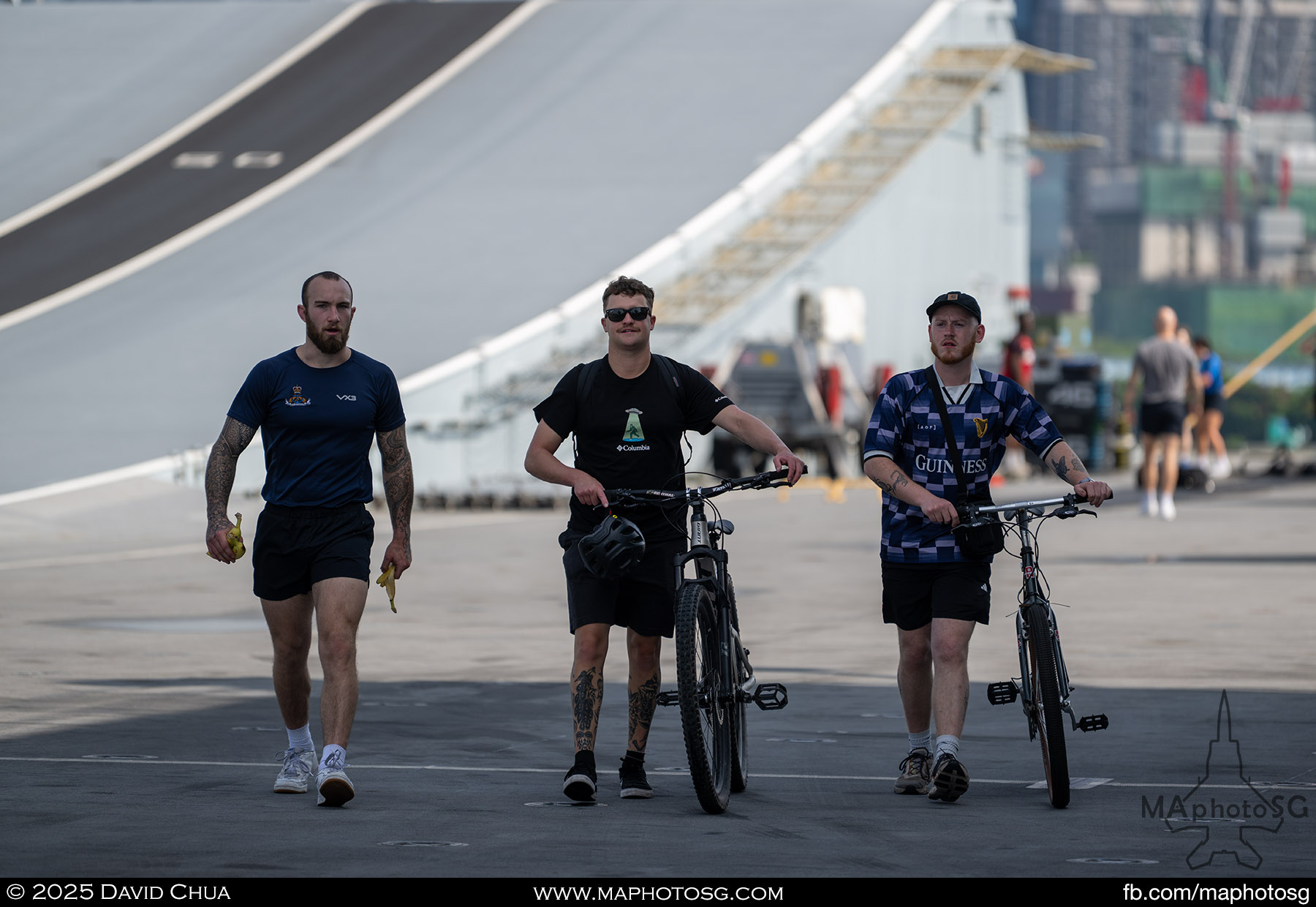
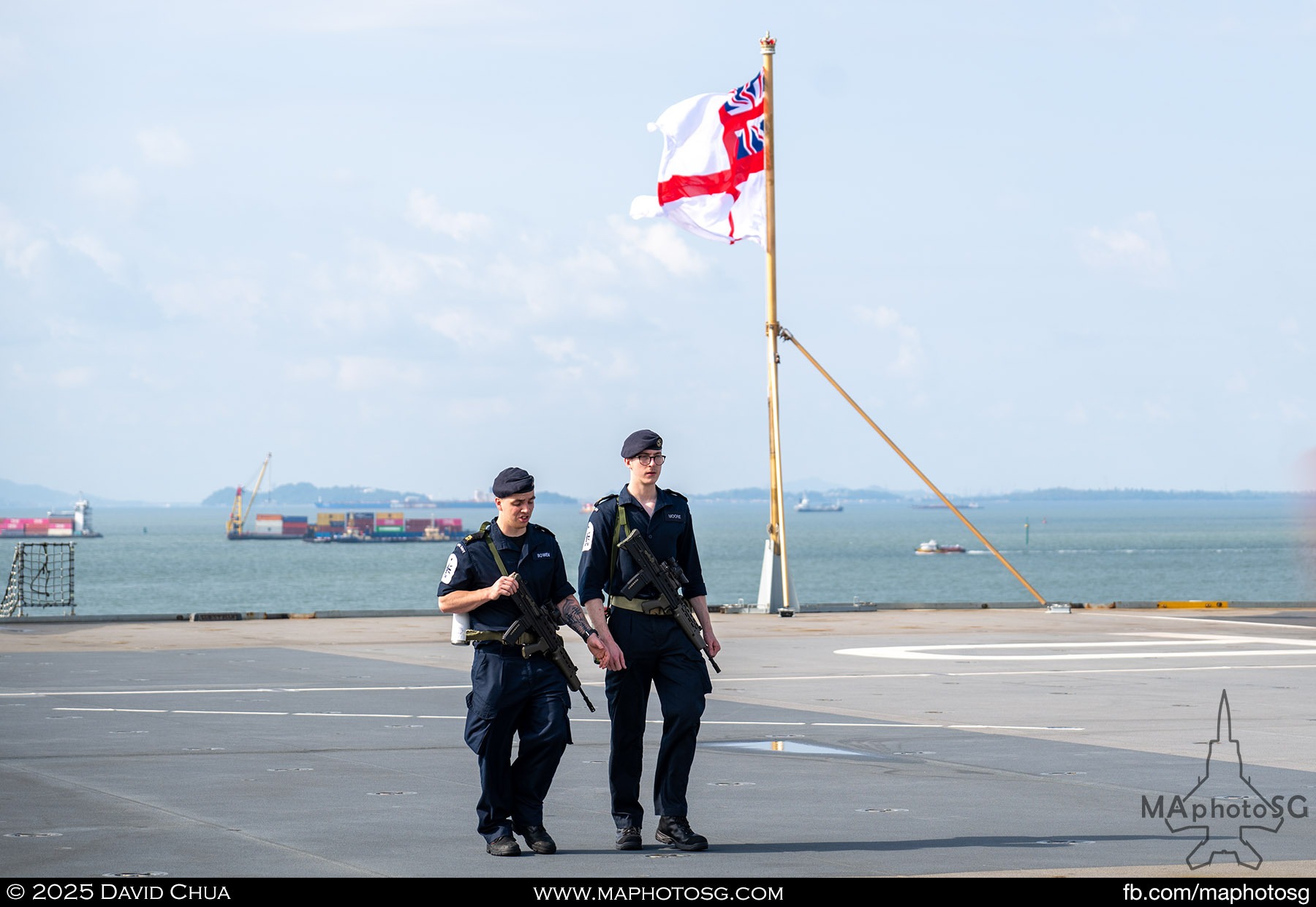
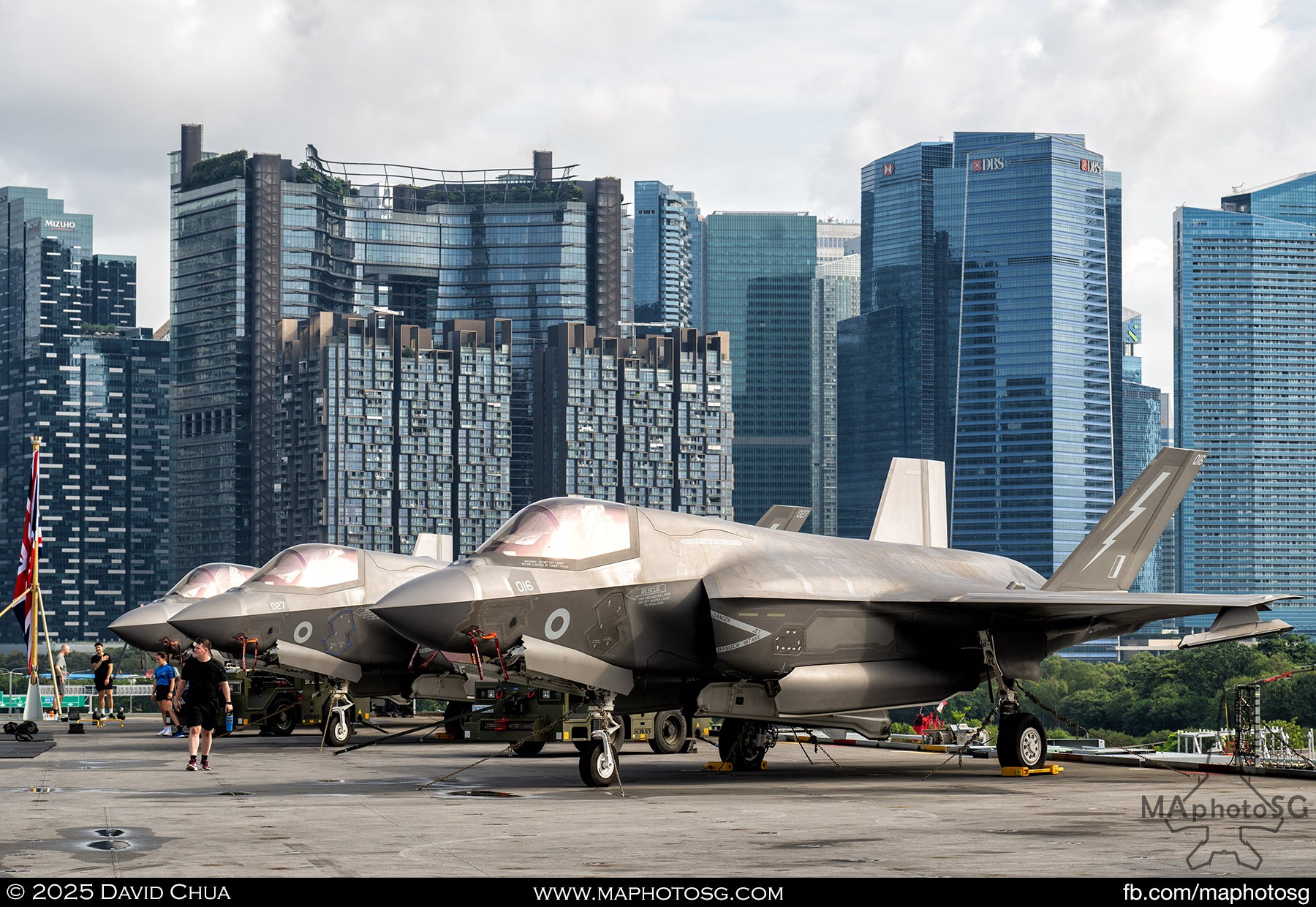
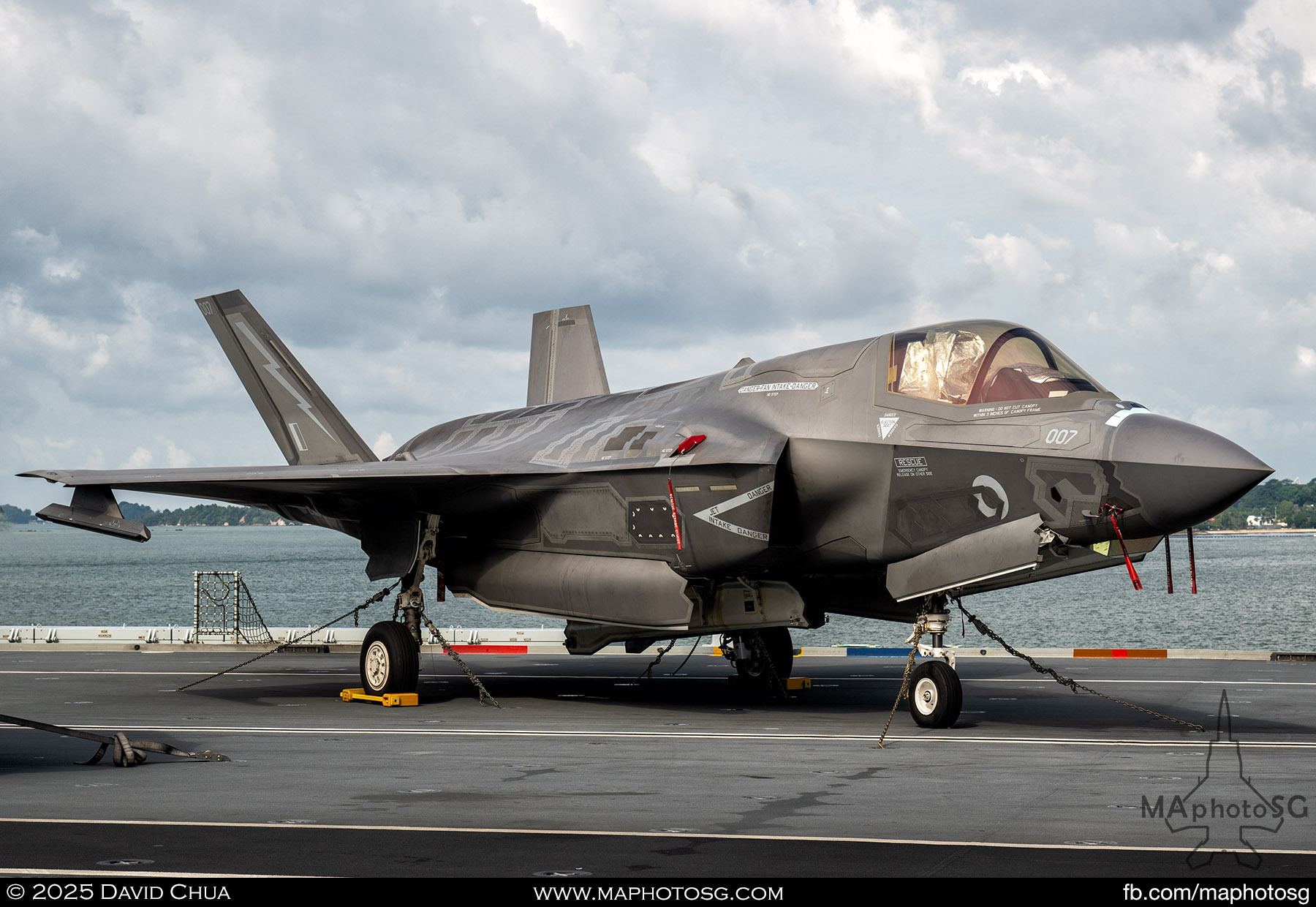
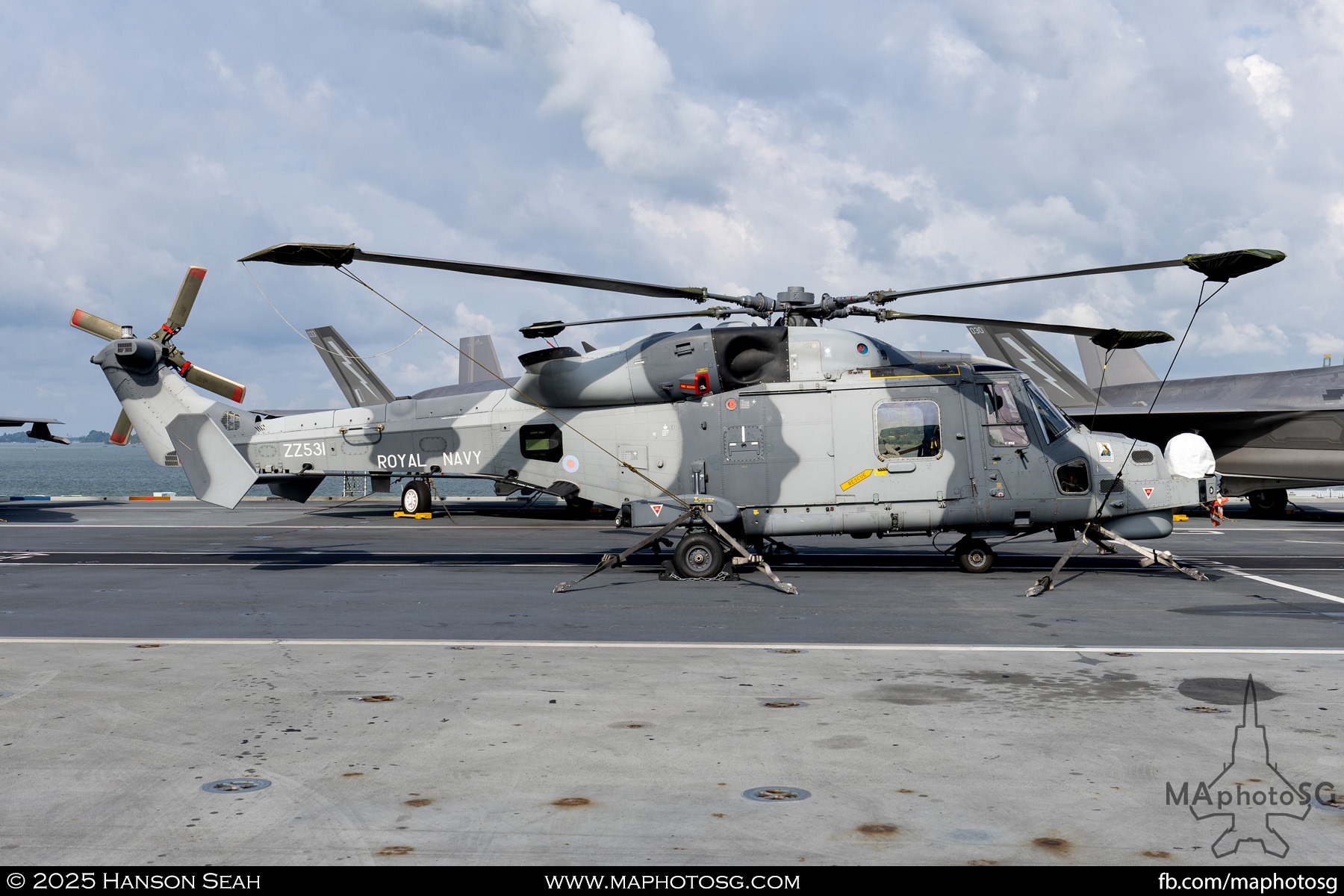
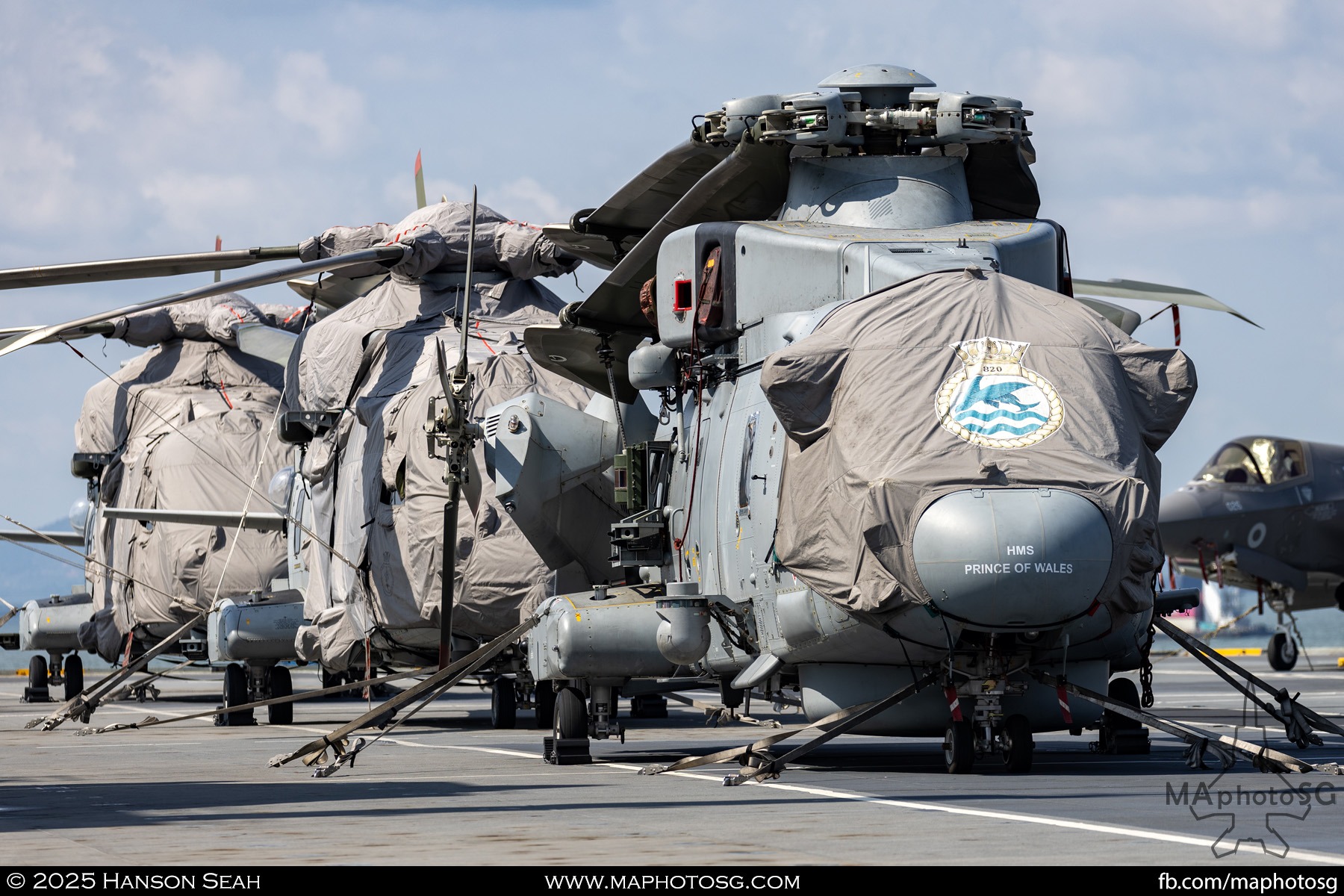
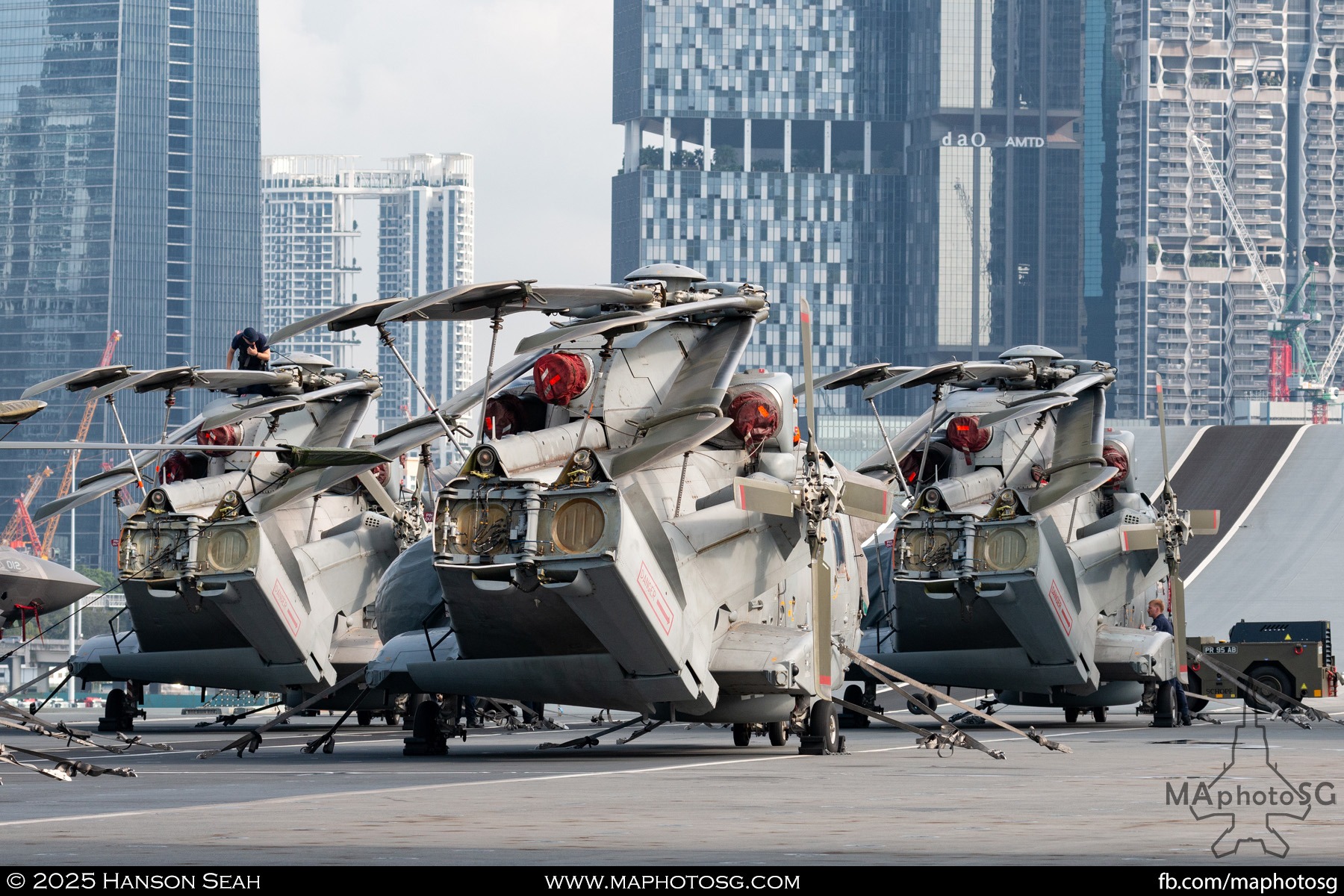
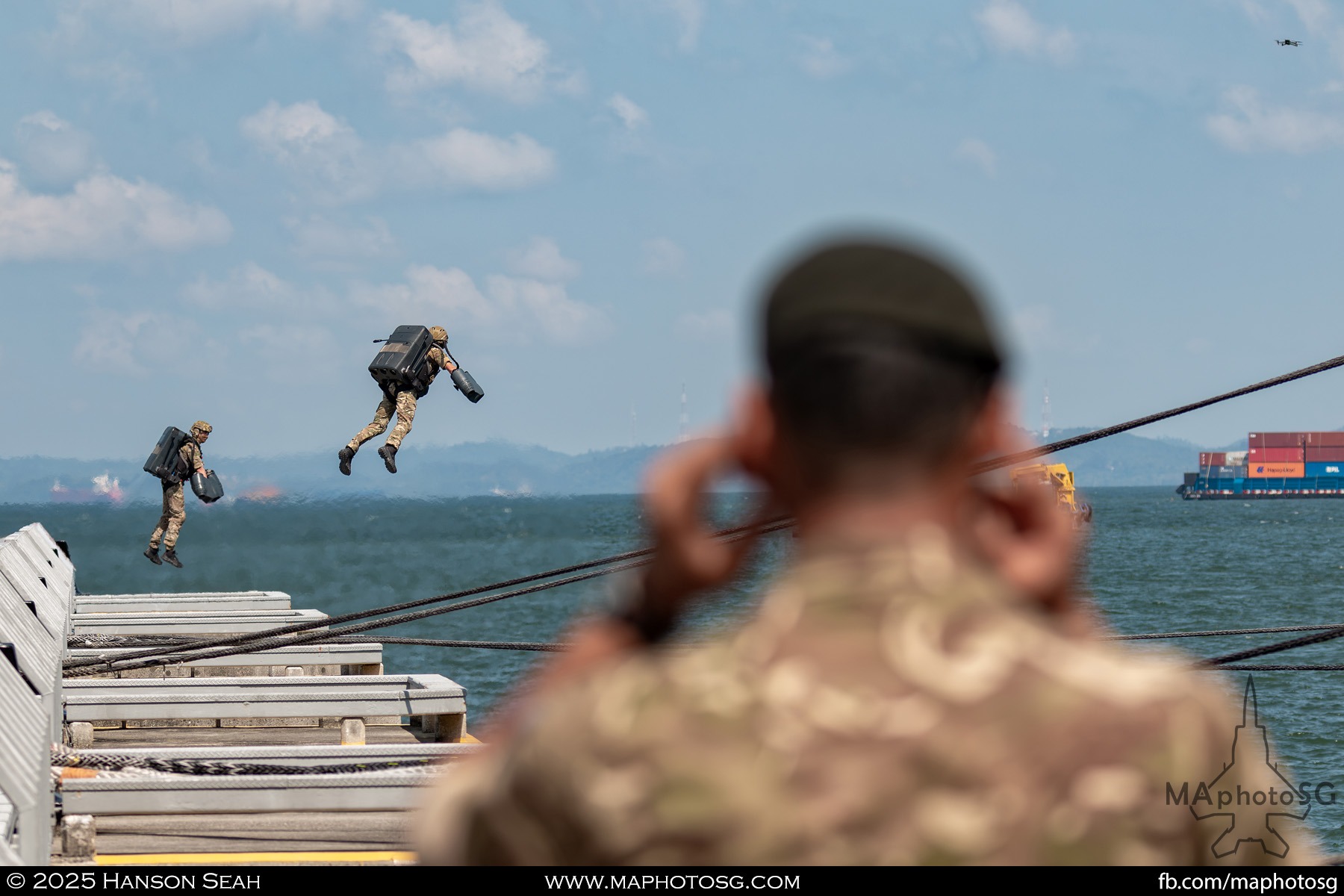
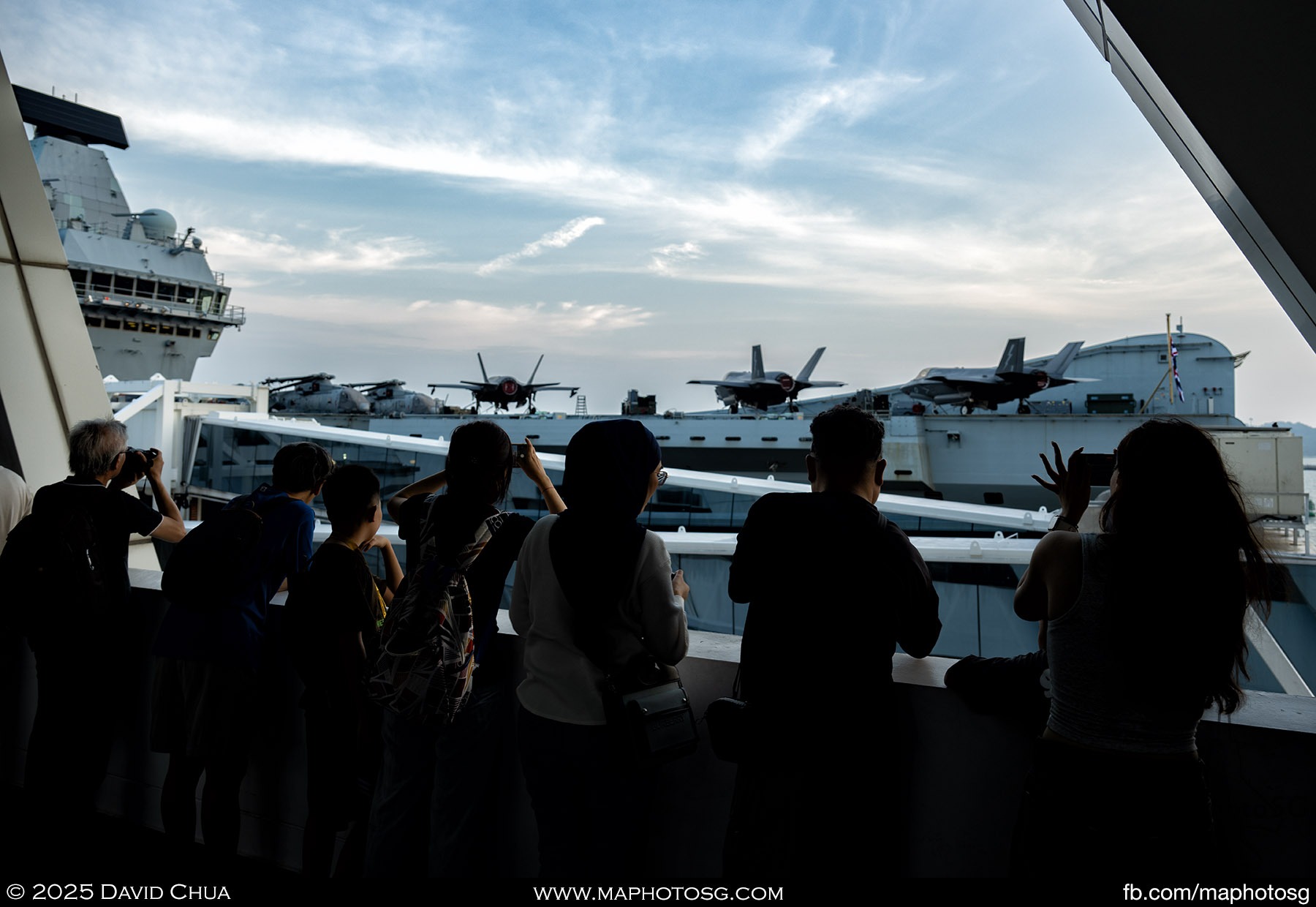
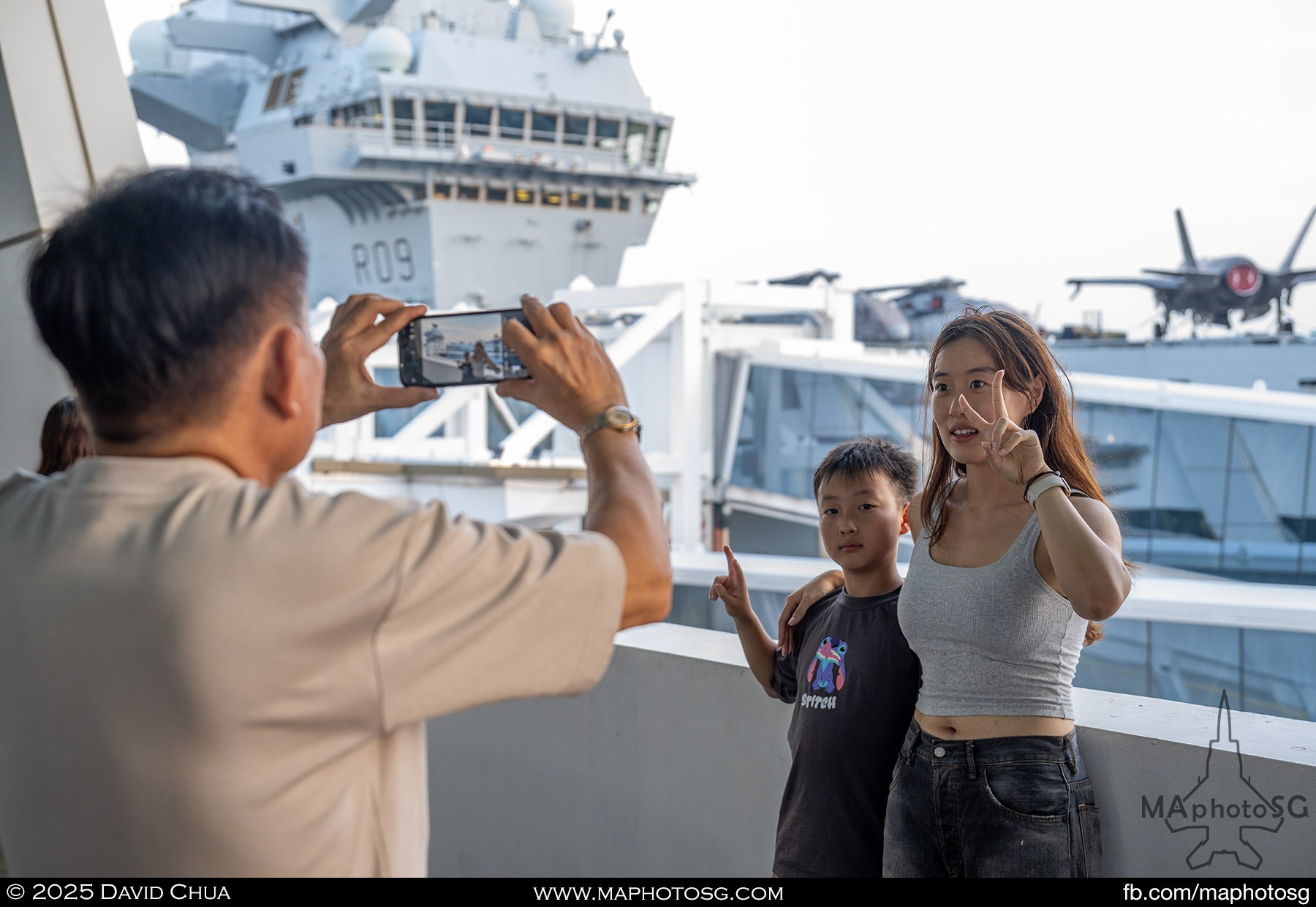
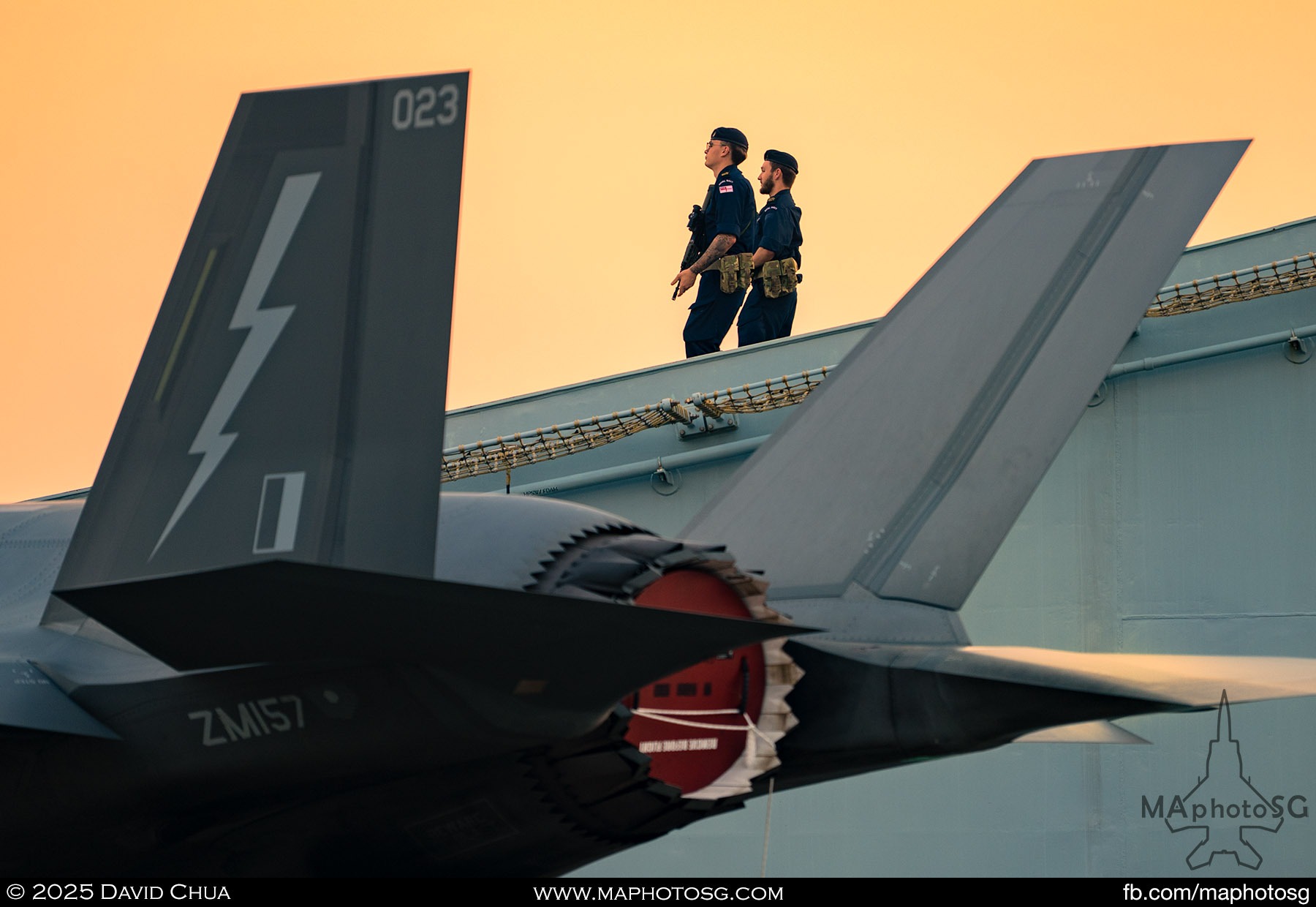
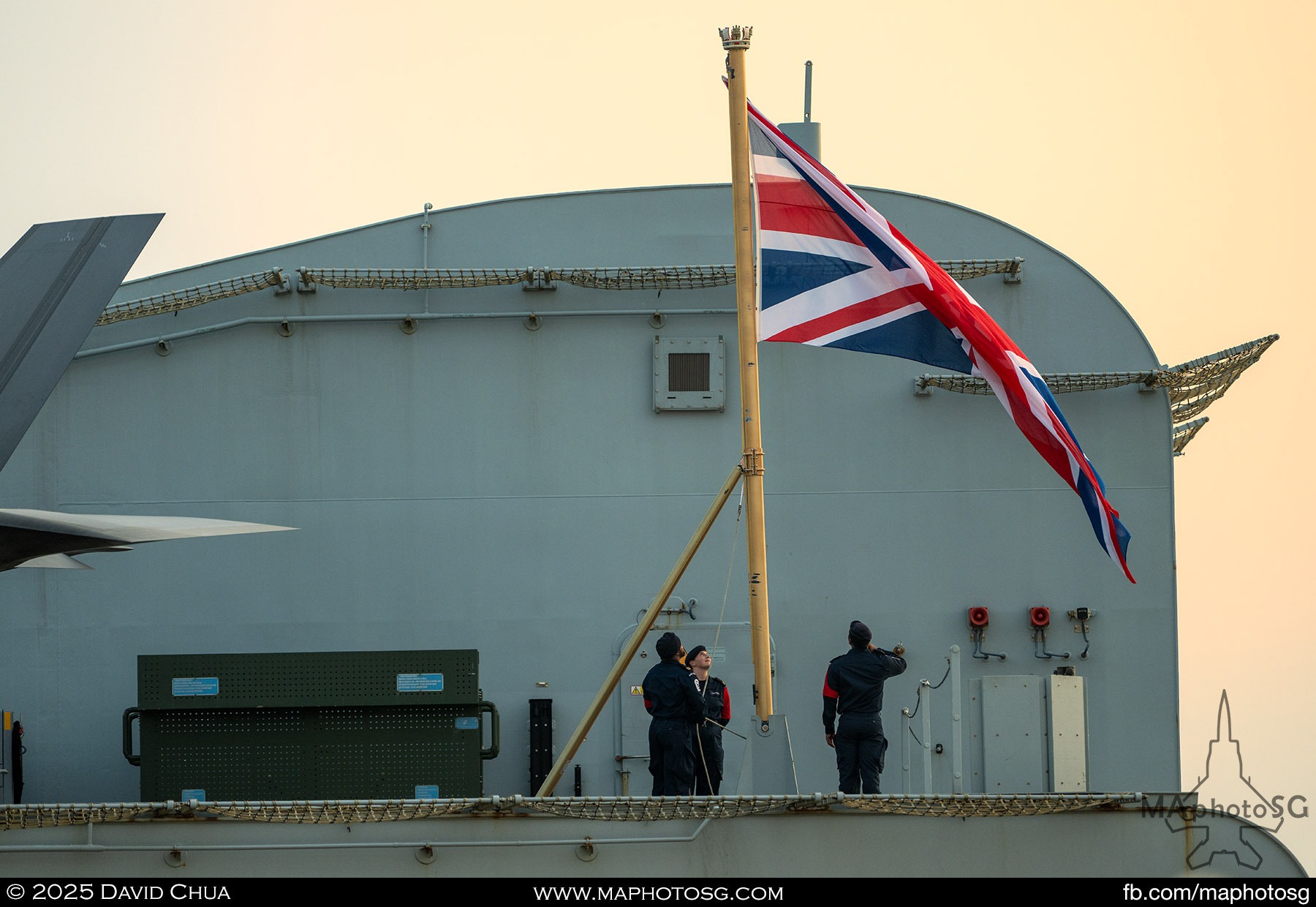
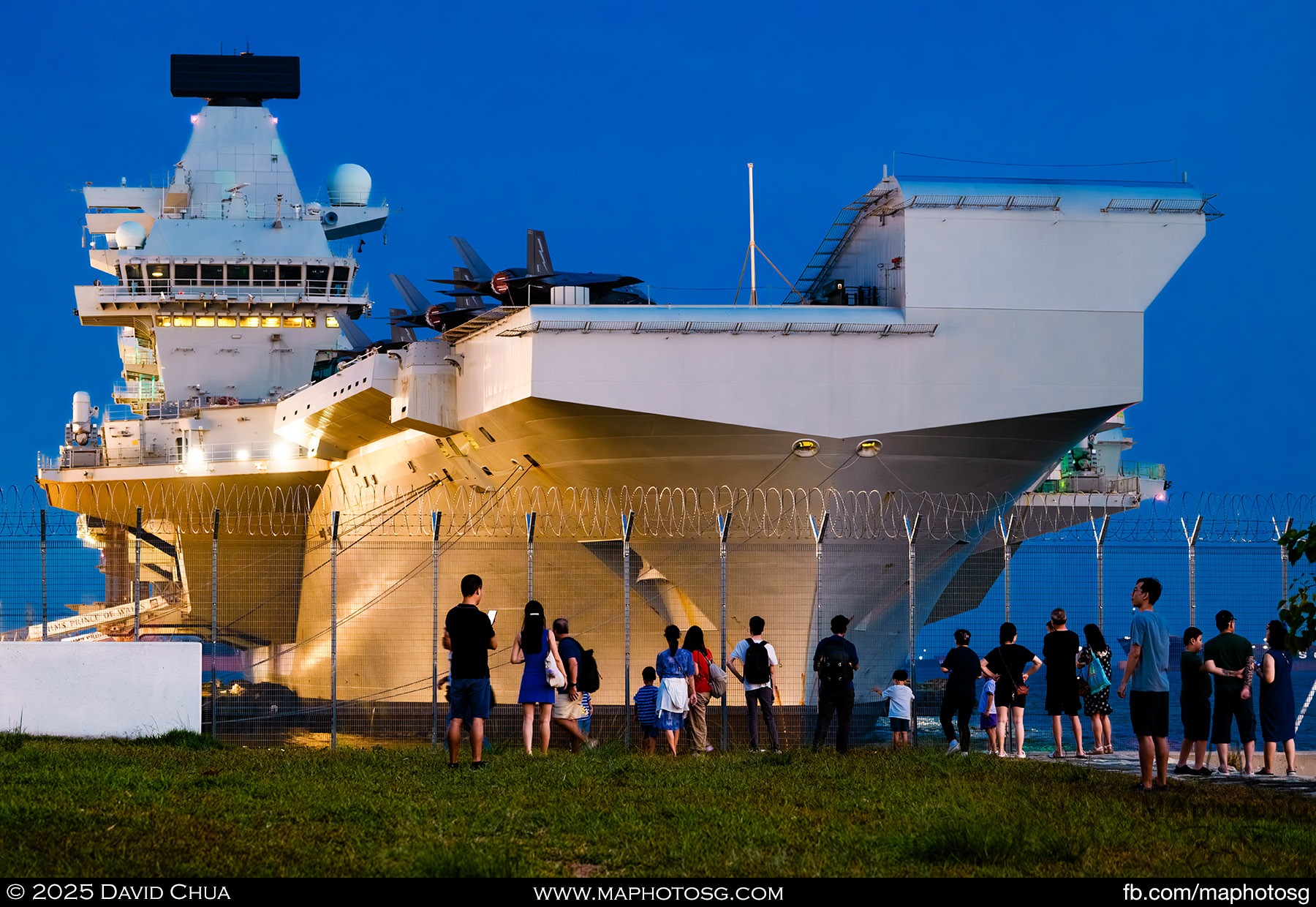
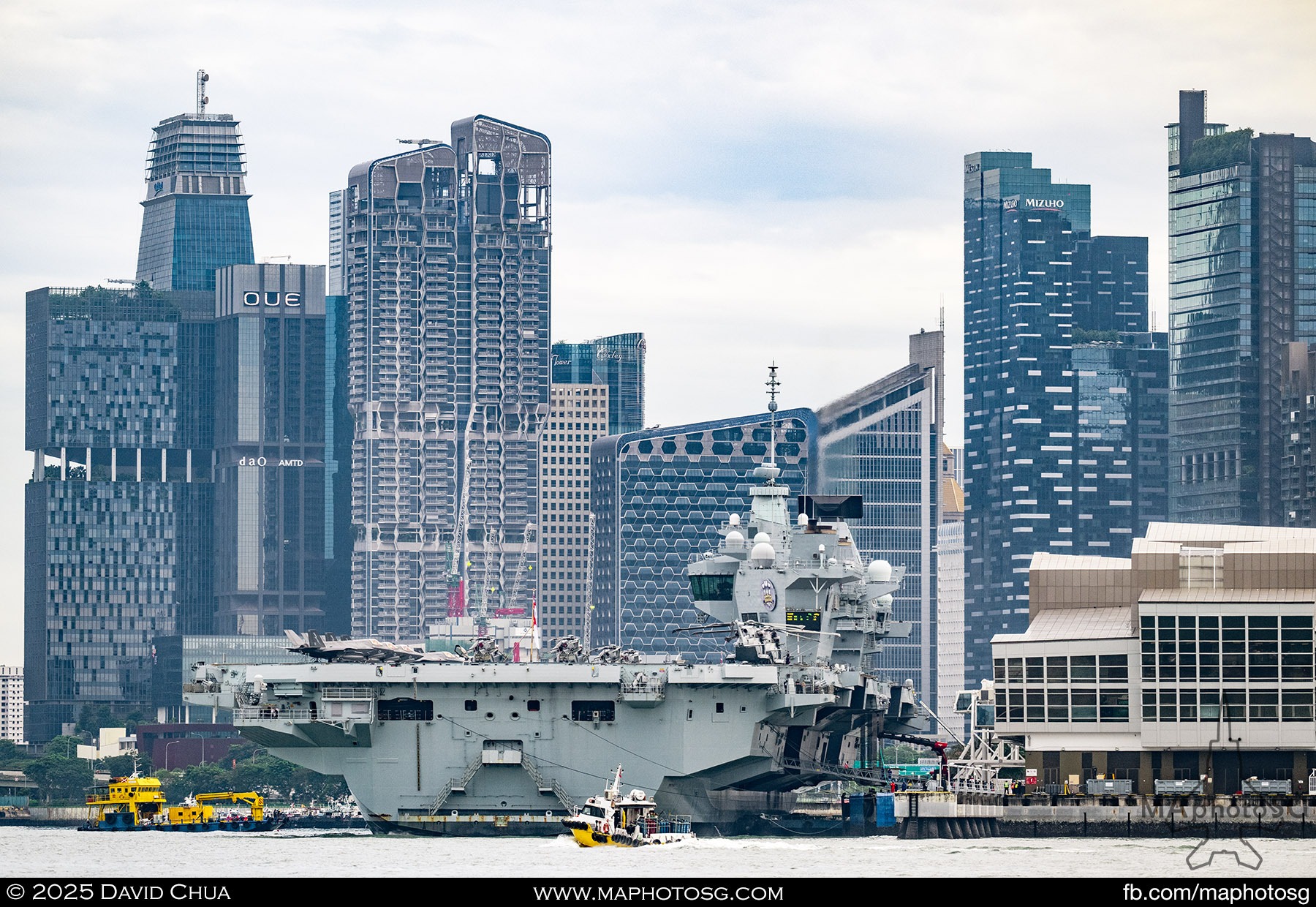
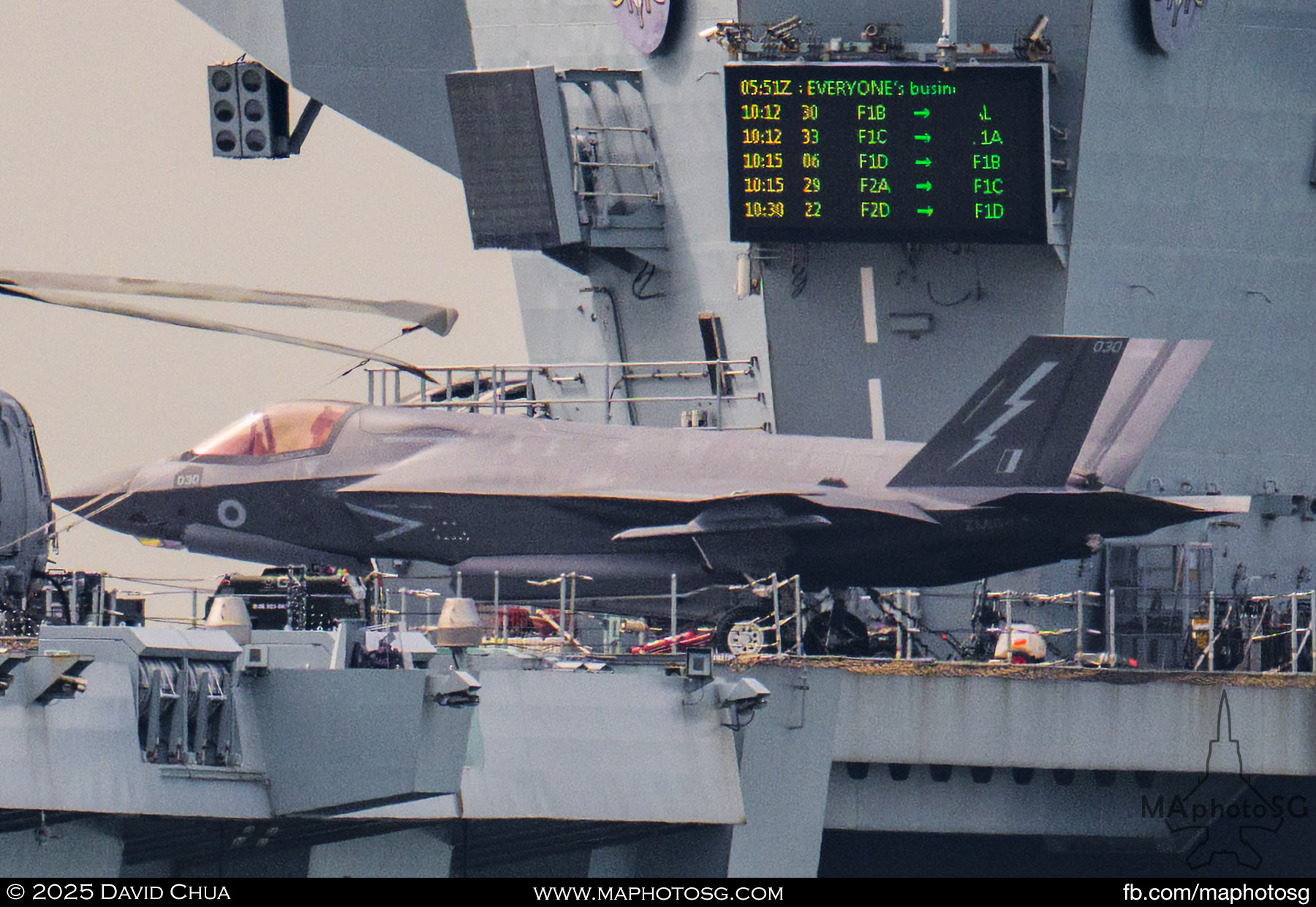
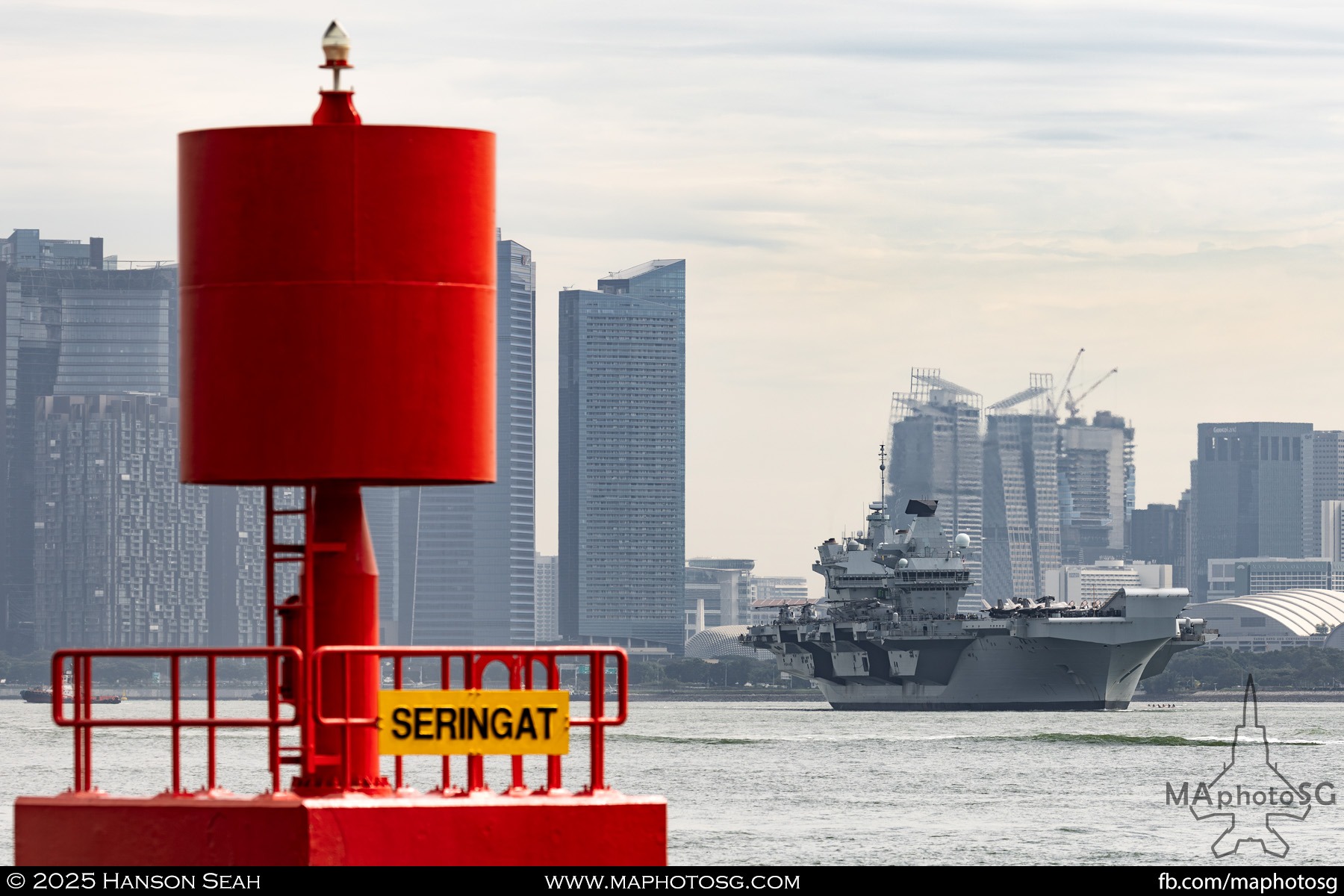
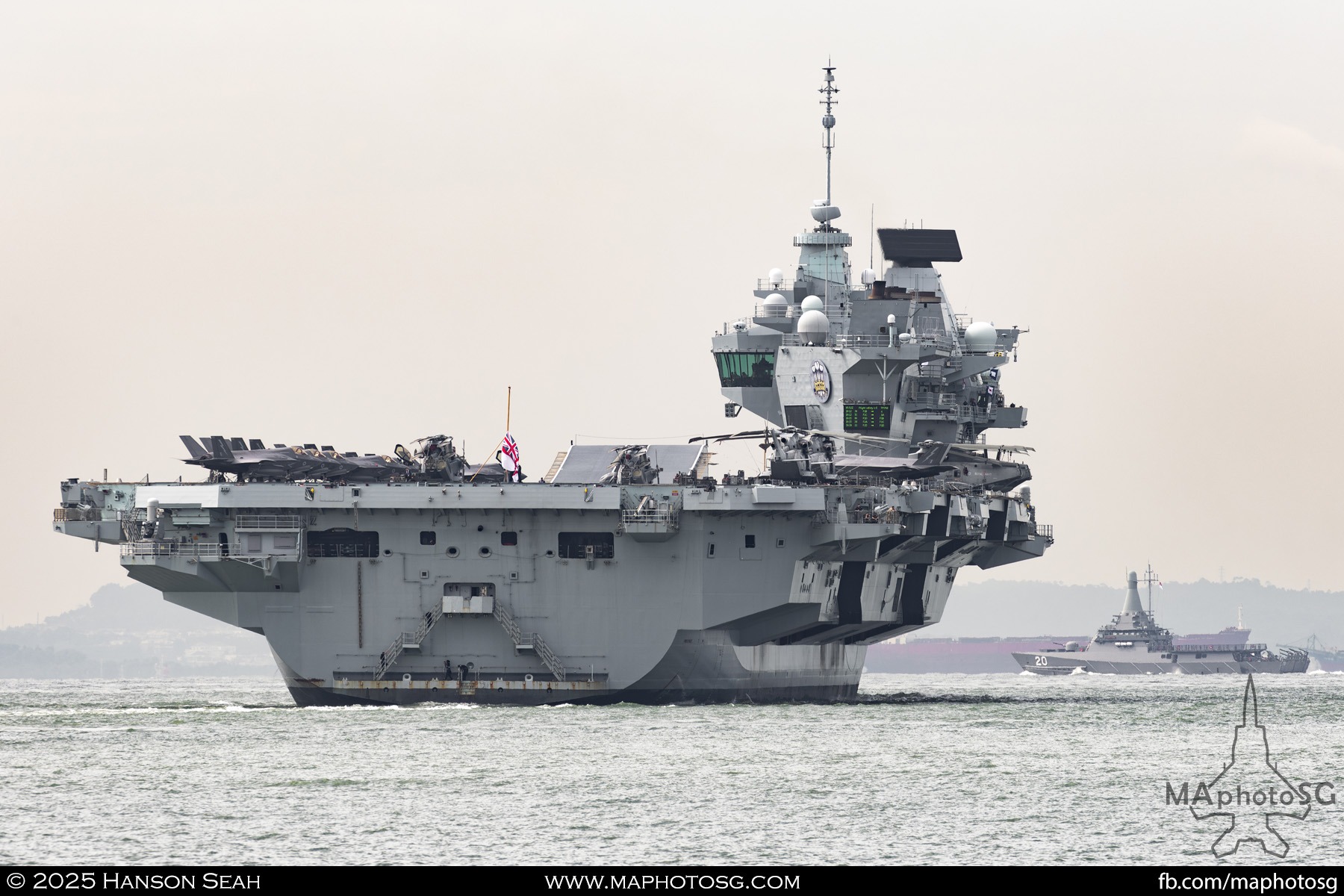
Over the past week, the MAphotoSG team captured exclusive imagery of HMS Prince of Wales during its historic visit to Singapore. Enjoy a chronological visual recap of the port call—featuring the carrier against Singapore’s iconic skyline and highlighting the capabilities of the Royal Navy’s fifth-generation flagship.